
 By admin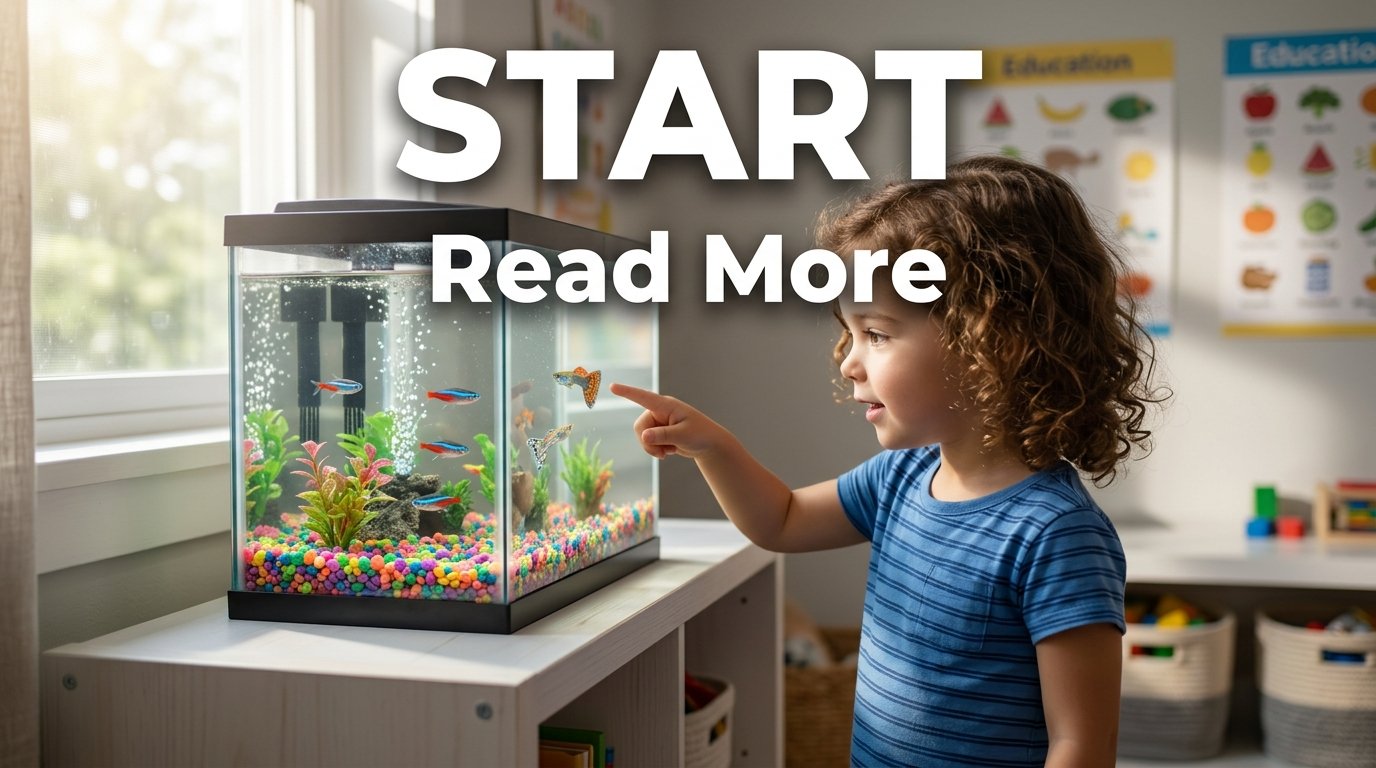
An aquarium for kids is a wonderful way to introduce children to the fascinating world of aquatic life while teaching responsibility, patience, and an appreciation for nature. A well-designed children’s aquarium provides entertainment, educational opportunities, and a calming environment that can spark a lifelong interest in fishkeeping and marine biology.
Whether you’re setting up a child’s first fish tank in their bedroom, playroom, classroom, or family living area, choosing the right aquarium, fish, and decorations is essential. This guide covers everything you need to know to create a safe, attractive, and easy-to-maintain aquarium for kids.
Why Choose an Aquarium for Kids?
An aquarium offers much more than colorful fish to watch. It provides valuable learning experiences and encourages children to care for living creatures.
Educational Benefits
Children can learn about:
- Aquatic ecosystems
- Fish behavior
- Water cycles
- Plant growth
- Animal care
Encourages Responsibility
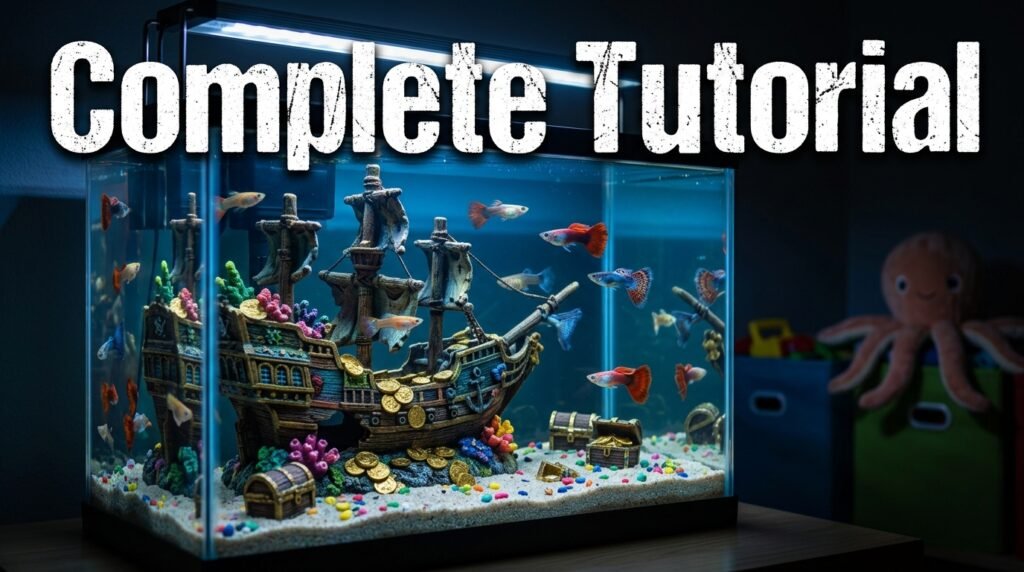
Feeding fish and helping with simple maintenance teaches responsibility and routine.
Reduces Stress
Watching fish swim can create a calming atmosphere that helps children relax.
Inspires Curiosity
Children often become interested in science, biology, and environmental conservation through aquarium keeping.
Screen-Free Entertainment
An aquarium provides a peaceful and engaging activity without electronic devices.
Choosing the Right Aquarium Size
Selecting the proper tank size is one of the most important decisions.
5 to 10-Gallon Aquarium
Suitable for:
- One betta fish
- Shrimp
- Snails
These tanks fit well on desks or small tables but require regular maintenance.
20-Gallon Aquarium
Often considered the best choice for beginners.
Benefits include:
- More stable water conditions
- Greater fish selection
- Easier maintenance than very small tanks
Larger Aquariums
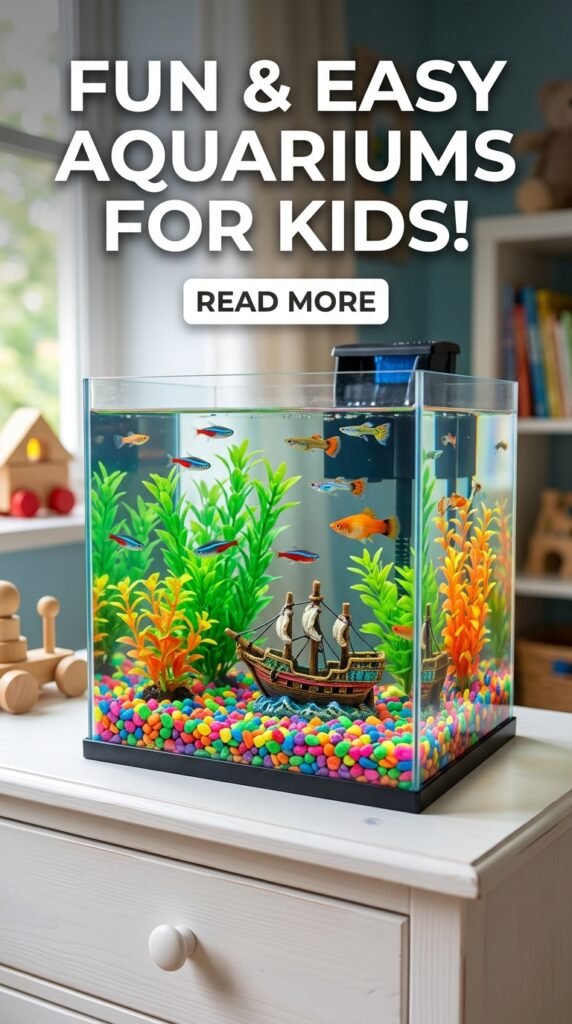
Perfect for families who want a colorful community aquarium.
Larger tanks are generally more forgiving of small mistakes because water conditions change more slowly.
Best Fish for Kids
Choose peaceful, hardy fish that are easy to care for.
Guppies
Guppies are colorful, active, and beginner-friendly.
Advantages include:
- Bright colors
- Easy feeding
- Peaceful nature
Platies
Friendly fish available in many color varieties.
Mollies
Hardy tropical fish that adapt well to community aquariums.
Neon Tetras
Their bright blue and red stripes are popular with children.
Zebra Danios
Energetic fish that enjoy swimming in groups.
Corydoras Catfish
Gentle bottom-dwelling fish that help keep the aquarium clean.
Betta Fish
A single betta can make an excellent pet in a properly sized and heated aquarium.
Fish to Avoid for Young Beginners
Some fish require advanced care and are not ideal for children.
Avoid:
- Large aggressive cichlids
- Oscars
- Piranhas
- Delicate marine fish
- Very large plecos
Choosing easy-care species helps ensure success.
Safe Aquarium Decorations
Decorations should be both attractive and safe for fish.
Smooth Rocks
Provide natural beauty without sharp edges.
Aquarium Caves
Offer hiding places for fish.
Driftwood
Creates a natural underwater look.
Live Plants
Excellent choices include:
- Anubias
- Java Fern
- Java Moss
Colorful Artificial Plants
A good option for families who prefer low-maintenance decorations.
Avoid ornaments with rough or sharp surfaces that could injure fish.
Fun Aquarium Themes for Kids
Underwater Adventure
Decorate with:
- Treasure chests
- Shipwrecks
- Colorful plants
Jungle River
Use driftwood and live plants to create a natural habitat.
Rainbow Aquarium
Choose colorful gravel, plants, and peaceful fish.
Castle Aquarium
Create a fantasy scene with castle decorations and caves.
Nature Aquarium
Introduce children to realistic aquatic environments using rocks, sand, and live plants.
Educational Activities with an Aquarium
An aquarium can become part of everyday learning.
Fish Observation Journal
Encourage children to record:
- Fish colors
- Feeding habits
- Swimming behavior
Water Testing
Older children can learn to measure:
- pH
- Ammonia
- Nitrite
- Nitrate
Plant Growth Tracking
Observe how aquatic plants develop over time.
Species Identification
Teach children to recognize different fish and their behaviors.
Basic Aquarium Equipment
Every healthy aquarium should include:
Filter
Keeps the water clean and supports beneficial bacteria.
Heater
Required for most tropical fish.
LED Lighting
Enhances fish colors and supports live plants.
Thermometer
Helps monitor water temperature.
Aquarium Lid
Prevents fish from jumping out and reduces evaporation.
Feeding Fish
Children can help feed the fish with supervision.
Feed Small Amounts
Only provide what fish can eat within a few minutes.
Choose Quality Food
Use food appropriate for the species in the aquarium.
Maintain a Schedule
Feeding once or twice a day is usually sufficient.
Avoid overfeeding, which can pollute the water.
Aquarium Maintenance
Adults should handle most maintenance tasks, while children can assist.
Weekly Water Changes
Replace 20% to 30% of the water.
Clean the Glass
Remove algae using an aquarium-safe cleaner.
Check Equipment
Ensure the filter and heater are functioning properly.
Test Water Quality
Regular testing helps keep fish healthy.
Involving children in simple tasks teaches responsibility while ensuring proper care.
Safety Tips
Keep the aquarium safe for both children and fish.
Place the Tank on a Sturdy Stand
The stand should support the full weight of the aquarium.
Keep Electrical Cords Organized
Use drip loops and avoid loose cables.
Wash Hands Before and After Maintenance
Clean hands help protect both children and aquatic life.
Supervise Young Children
Adults should always oversee aquarium care and feeding.
Classroom Aquarium Ideas
Aquariums are excellent additions to classrooms.
Benefits include:
- Hands-on science lessons
- Observation activities
- Teamwork opportunities
- Environmental education
Choose hardy fish and easy-care plants for school settings.
Budget-Friendly Aquarium Ideas
You don’t need to spend a lot to create a beautiful aquarium.
Affordable options include:
- Standard glass aquarium
- Sponge filter
- LED light
- Gravel substrate
- Hardy live plants
- Beginner-friendly fish
Start simple and upgrade over time as experience grows.
Common Mistakes to Avoid
Choosing a Tiny Bowl
Fish need adequate swimming space and stable water conditions.
Overstocking the Tank
Too many fish can lead to poor water quality and stress.
Overfeeding
Excess food contributes to algae growth and pollution.
Skipping Maintenance
Regular care is essential for a healthy aquarium.
Mixing Incompatible Fish
Research species compatibility before adding new fish.
Benefits of Keeping an Aquarium for Kids
A well-maintained aquarium offers:
- Educational experiences
- Family bonding
- Relaxation
- Creative decorating opportunities
- Increased responsibility
- Appreciation for aquatic life
These benefits make fishkeeping a rewarding hobby for children and adults alike.
Conclusion
An aquarium for kids is an excellent way to combine fun, education, and responsibility in one engaging hobby. By choosing the right tank size, selecting hardy and peaceful fish, using safe decorations, and following a simple maintenance routine, families can create a thriving aquatic environment that children will enjoy for years.
Whether you choose a colorful community aquarium, a planted nature tank, or a single betta aquarium, the experience of caring for fish can inspire curiosity, teach valuable life skills, and provide countless hours of enjoyment. With proper planning and adult guidance, a children’s aquarium can become a beautiful and educational addition to any home or classroom.
Frequently Asked Questions
What is the best aquarium size for kids?
A 20-gallon aquarium is often recommended because it provides stable water conditions and is easier to maintain than very small tanks.
Which fish are easiest for children to care for?
Guppies, platies, mollies, zebra danios, neon tetras, and corydoras catfish are excellent beginner-friendly choices.
Can children maintain an aquarium on their own?
Young children should help with simple tasks, but adults should supervise feeding, water changes, and equipment maintenance.
Are live plants good for a kids’ aquarium?
Yes. Live plants improve water quality, provide shelter for fish, and create a more natural environment.
How often should a kids’ aquarium be cleaned?
Perform weekly water changes, clean the glass as needed, and check equipment regularly to keep the aquarium healthy.
Is an aquarium a good educational tool?
Absolutely. Aquariums teach children about biology, ecosystems, responsibility, and environmental