
 By admin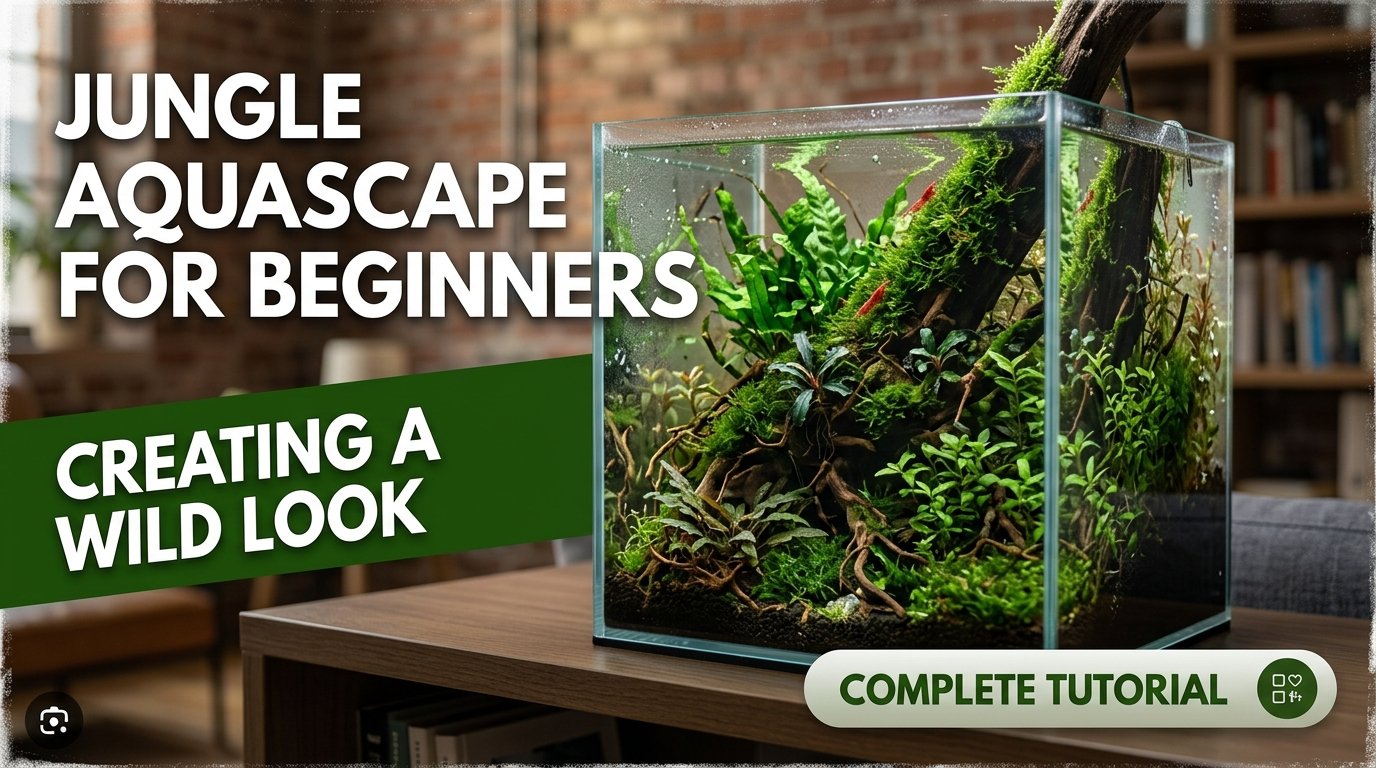
Creating your first aquascape aquarium is one of the most rewarding experiences in the aquarium hobby. An aquascape combines aquatic plants, rocks, driftwood, substrate, and fish into a natural underwater landscape that resembles rivers, forests, mountains, or valleys. While professional aquascapes may look complicated, beginners can create stunning aquariums by following a few simple principles and choosing easy-to-maintain plants and equipment.
This beginner’s guide explains everything you need to know about planning, setting up, and maintaining your first aquascape aquarium.
What Is an Aquascape Aquarium?
An aquascape aquarium is a freshwater aquarium designed with a strong focus on aesthetics. Instead of simply keeping fish, aquascaping creates artistic underwater landscapes using natural materials.
Most aquascapes include:
- Live aquatic plants
- Natural rocks
- Driftwood
- Nutrient-rich substrate
- Healthy fish
- Proper lighting
The goal is to create a balanced ecosystem that looks natural and supports aquatic life.
Why Aquascaping Is Great for Beginners
Aquascaping is an enjoyable hobby that combines creativity with fishkeeping.
Encourages Creativity
Every aquarium can be designed differently.
Improves Water Quality
Live plants help absorb excess nutrients and improve water conditions.
Creates a Natural Habitat
Fish thrive in environments that resemble nature.
Relaxing Hobby
Building and maintaining an aquascape can reduce stress and provide a sense of accomplishment.
Endless Learning Opportunities
As your skills improve, you can experiment with new layouts and plant species.
Choosing the Right Aquarium
Selecting the right aquarium is the first step.
Recommended Tank Sizes
Beginners often succeed with:
- 10-gallon aquarium
- 20-gallon long aquarium
- 29-gallon aquarium
- 40-gallon breeder aquarium
Larger tanks are generally more stable and easier to maintain than very small aquariums.
Rimless Aquariums
Many aquascapers prefer rimless tanks because they provide a clean and modern appearance.
Essential Equipment
A successful aquascape requires reliable equipment.
Aquarium Filter
A quality filter keeps the water clean and supports beneficial bacteria.
LED Lighting
Plants require adequate light for healthy growth.
Choose a full-spectrum LED designed for planted aquariums.
Heater
Most tropical plants and fish require temperatures between 75°F and 78°F (24°C to 26°C).
Thermometer
Monitor water temperature daily.
Aquarium Stand
Ensure the stand can safely support the tank’s weight.
Choosing the Best Substrate
The substrate provides nutrients for plant roots.
Aquasoil
Ideal for planted aquariums.
Benefits include:
- Rich in nutrients
- Supports plant growth
- Natural appearance
Sand
Suitable for decorative areas and pathways.
Fine Gravel
Easy to maintain and compatible with many plants.
Many aquascapers combine aquasoil with decorative sand for visual contrast.
Hardscape Materials
Hardscape forms the foundation of your layout.
Driftwood
Adds natural beauty and creates focal points.
Dragon Stone
Popular for nature aquascapes.
Seiryu Stone
Frequently used in mountain-inspired layouts.
Lava Rock
Lightweight and ideal for attaching plants.
Arrange hardscape before adding water.
Basic Aquascaping Principles
Following simple design rules makes a big difference.
Create a Focal Point
Choose one main feature that draws attention.
Use the Rule of Thirds
Place the focal point slightly off-center for a more natural appearance.
Build Depth
Use taller decorations in the back and shorter plants in the front.
Leave Open Swimming Space
Avoid filling every area with decorations.
Keep It Simple
Beginners often achieve better results with fewer materials.
Best Plants for Beginners
Easy-care plants increase your chances of success.
Anubias
- Hardy
- Slow growing
- Low light requirements
Java Fern
Can be attached to rocks or driftwood.
Java Moss
Perfect for creating natural textures.
Amazon Sword
A classic background plant.
Cryptocoryne
Excellent midground plant.
Vallisneria
Creates graceful background movement.
Water Wisteria
Fast-growing and beginner-friendly.
Popular Beginner Aquascape Styles
Nature Aquarium
Inspired by rivers and forests.
Features:
- Driftwood
- Rocks
- Live plants
Jungle Style
Dense planting with lush greenery.
Island Layout
A central mound of plants and hardscape surrounded by open space.
River Layout
A sand pathway represents a flowing river.
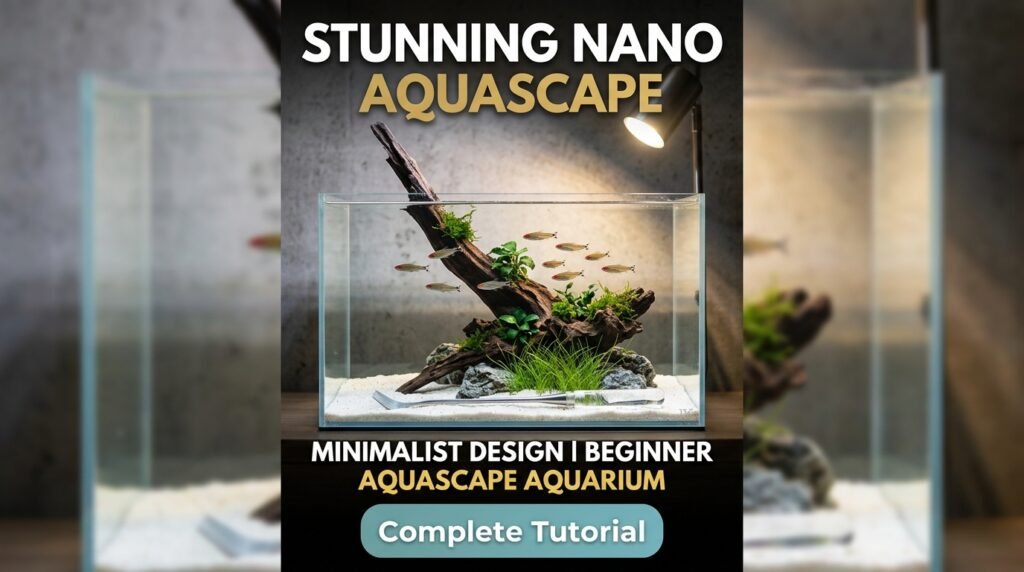
Minimalist Aquascape
Simple hardscape with limited plant species.
Best Fish for Beginner Aquascapes
Choose peaceful fish that complement planted aquariums.
Neon Tetras
Colorful schooling fish.
Ember Tetras
Small and peaceful.
Harlequin Rasboras
Easy to care for.
Corydoras Catfish
Friendly bottom dwellers.
Otocinclus Catfish
Helpful algae eaters.
Honey Gourami
A beautiful centerpiece fish for larger tanks.
Avoid aggressive species that may damage plants or harass other fish.
Adding Shrimp and Snails
Cleanup crews help maintain the aquarium.
Cherry Shrimp
Brightly colored and beginner-friendly.
Amano Shrimp
Excellent algae eaters.
Nerite Snails
Effective at cleaning algae without reproducing in freshwater.
Step-by-Step Aquascape Setup
Step 1: Plan Your Design
Sketch your layout before starting.
Step 2: Add Substrate
Create a slope that rises toward the back.
Step 3: Position Hardscape
Arrange rocks and driftwood first.
Step 4: Plant the Aquarium
Place taller plants in the background and shorter plants in the foreground.
Step 5: Fill with Water
Add water slowly to avoid disturbing the substrate.
Step 6: Install Equipment
Turn on the filter, heater, and lighting.
Step 7: Cycle the Aquarium
Allow beneficial bacteria to establish before adding fish.
Aquarium Cycling
Cycling is essential for fish health.
During cycling:
- Beneficial bacteria develop.
- Ammonia is converted into nitrite.
- Nitrite is converted into nitrate.
This process usually takes several weeks.
Never add a full stock of fish to an uncycled aquarium.
Lighting Schedule
Most beginner aquascapes perform well with:
- 6–8 hours of light during the first few weeks
- 8–10 hours after plants are established
Too much light can encourage algae growth.
Fertilizers and CO₂
Fertilizers
Liquid fertilizers provide essential nutrients for plant growth.
CO₂
Many beginner plants grow well without supplemental CO₂.
You can always add a CO₂ system later if you decide to keep more demanding plant species.
Maintenance Routine
Regular maintenance keeps the aquascape healthy.
Weekly Water Changes
Replace 20% to 30% of the water.
Trim Plants
Remove overgrown leaves.
Clean the Glass
Prevent algae buildup.
Maintain the Filter
Rinse filter media in aquarium water when needed.
Test Water Parameters
Monitor:
- pH
- Ammonia
- Nitrite
- Nitrate
Consistency is the key to long-term success.
Common Beginner Mistakes
Using Too Many Decorations
A simple design often looks more natural.
Choosing Difficult Plants
Start with hardy, low-maintenance species.
Overcrowding Fish
Leave plenty of swimming space.
Ignoring Water Changes
Routine maintenance is essential.
Adding Fish Too Soon
Complete the nitrogen cycle before introducing livestock.
Budget-Friendly Beginner Aquascape
You don’t need expensive equipment to build a beautiful aquarium.
Affordable setup ideas include:
- Standard glass aquarium
- LED planted tank light
- Sponge or hang-on-back filter
- Aquasoil with decorative sand
- Java Fern
- Anubias
- Driftwood
- Smooth rocks
- Small school of peaceful fish
As your experience grows, you can upgrade your equipment and experiment with more advanced layouts.
Conclusion
A beginner aquascape aquarium is the perfect way to combine creativity with fishkeeping. By choosing the right tank, using easy-care plants, arranging natural hardscape, and following a consistent maintenance routine, anyone can create a beautiful underwater landscape. Start with a simple design, focus on healthy plant growth, and allow your aquarium to develop naturally over time.
With patience and regular care, your first aquascape can become a thriving aquatic ecosystem that brings beauty, relaxation, and enjoyment to your home.
Frequently Asked Questions
What is the best aquarium size for beginners?
A 20-gallon long or 40-gallon breeder aquarium offers a good balance of stability and aquascaping space.
Do I need CO₂ for my first aquascape?
No. Many beginner-friendly plants grow well without additional CO₂.
Which plants are easiest for beginners?
Anubias, Java Fern, Java Moss, Amazon Sword, Cryptocoryne, and Vallisneria are excellent choices.
How long should aquarium lights stay on?
Start with 6–8 hours per day and gradually increase to 8–10 hours as the plants become established.
Can I add fish immediately after setting up the aquarium?
No. You should complete the nitrogen cycle before introducing fish to ensure a safe and healthy environment.
How often should I maintain my aquascape aquarium?
Perform weekly water changes, trim plants regularly, clean the glass, and monitor water quality to keep your aquascape looking its best.