
 By admin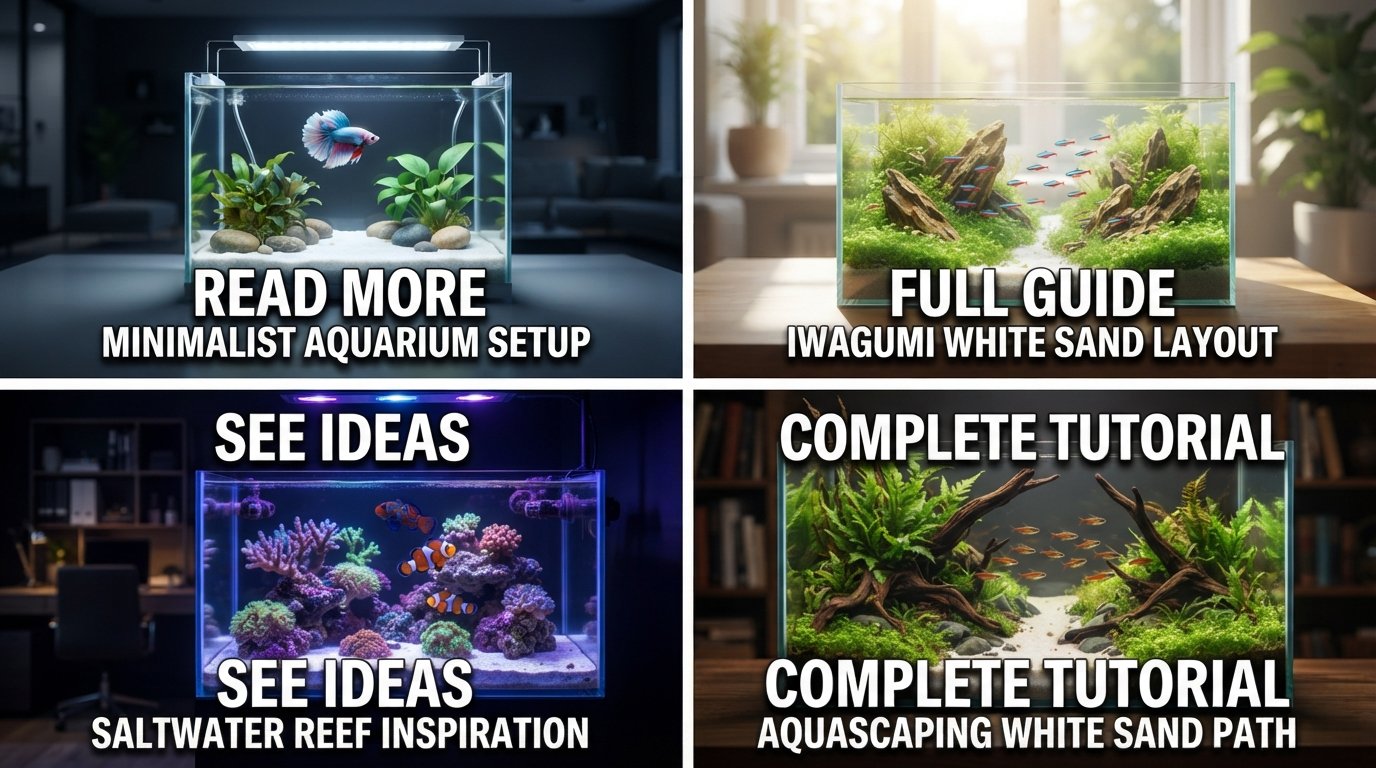
A white sand aquarium is one of the most elegant and visually striking aquarium styles you can create. The bright white substrate enhances the colors of fish, plants, and decorations while giving the aquarium a clean, spacious, and modern appearance. Whether you’re setting up a freshwater planted tank, a tropical community aquarium, or a marine reef aquarium, white sand provides a natural and attractive foundation for your underwater landscape.
This complete guide covers everything you need to know about white sand aquariums, including the best types of sand, setup ideas, suitable fish, plant selection, maintenance, and expert tips for keeping your aquarium looking crystal clear.
Why Choose a White Sand Aquarium?
White sand offers both aesthetic and practical advantages.
Benefits include:
- Brightens the entire aquarium
- Makes fish colors appear more vibrant
- Creates a natural beach or riverbed appearance
- Safe for bottom-dwelling fish
- Suitable for freshwater and saltwater aquariums
- Complements live plants and driftwood
- Gives the aquarium a clean, modern look
A well-maintained white sand aquarium instantly becomes the centerpiece of any room.
Types of White Aquarium Sand
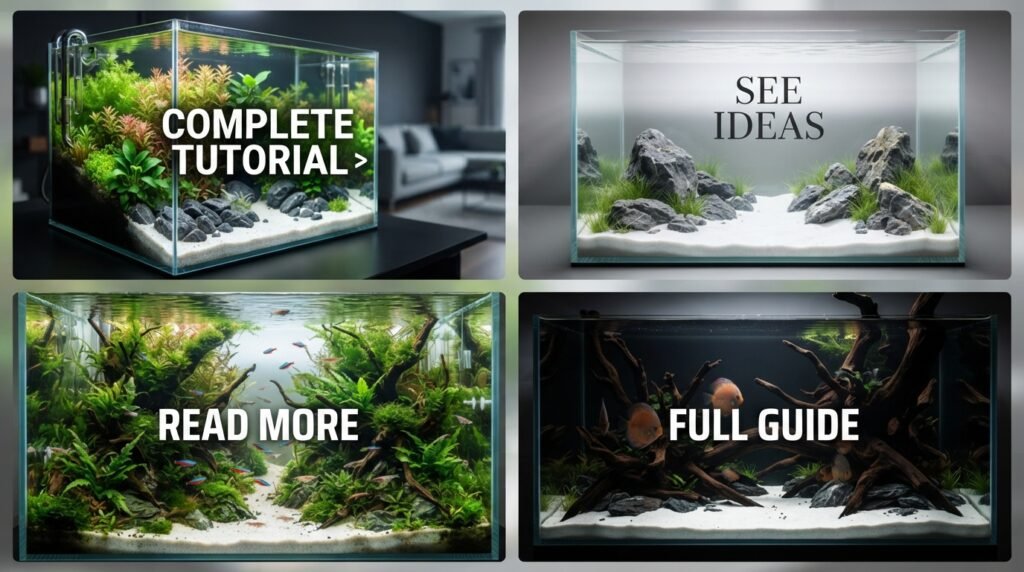
Choosing the right sand is essential for both appearance and fish health.
Silica Sand
Silica sand is one of the most popular choices for freshwater aquariums.
Advantages include:
- Bright white appearance
- Affordable
- Fine texture
- Easy to find
Ensure it is aquarium-safe and free from contaminants.
Aquarium Sand
Commercial aquarium sand is specially designed for aquatic use.
Benefits include:
- Pre-cleaned
- Safe for fish
- Available in different grain sizes
- Long-lasting
Aragonite Sand
Aragonite is commonly used in saltwater aquariums.
Advantages include:
- Natural marine appearance
- Helps buffer pH in marine systems
- Ideal for reef tanks
Natural River Sand
Some natural sands are suitable after thorough cleaning and confirmation that they are aquarium-safe.
Choosing the Right Aquarium Size

White sand looks attractive in aquariums of every size.
Nano Aquarium (5–20 Gallons)
Perfect for:
- Betta fish
- Shrimp
- Nano fish
- Minimalist aquascapes
Medium Aquarium (20–55 Gallons)
Ideal for:
- Community fish
- Planted aquariums
- Decorative hardscape
Large Aquarium (75 Gallons and Above)
Suitable for:
- Large aquascapes
- Cichlids
- Discus
- Reef aquariums
Larger aquariums allow for more elaborate sand layouts and hardscape designs.
White Sand Aquarium Ideas
Nature-Inspired Aquascape
Combine white sand with driftwood, rocks, and green plants to recreate a natural river or lake environment.
Minimalist Aquarium
Use open white sand, a few carefully placed stones, and subtle decorations for a clean, modern look.
Tropical Community Aquarium
Pair white sand with colorful fish, lush plants, and natural driftwood.
Blackwater Aquarium
Contrast white sand with dark driftwood and leaf litter to create a dramatic display.
Marine Reef Aquarium
White aragonite sand complements colorful corals and marine fish while reflecting light throughout the tank.
Best Decorations
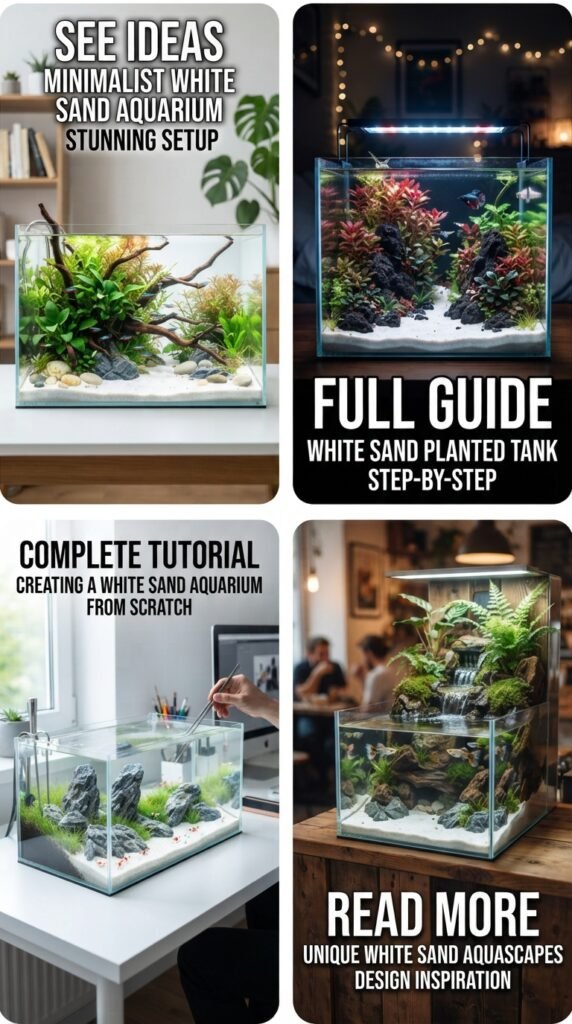
White sand pairs beautifully with natural décor.
Popular choices include:
- Driftwood
- Dragon stone
- Seiryu stone
- Lava rock
- Rounded river stones
- Ceramic caves
- Coconut shelters
Avoid decorations with sharp edges that could injure fish.
Best Live Plants
Many aquatic plants contrast beautifully with white sand.
Recommended species include:
- Anubias
- Java Fern
- Amazon Sword
- Vallisneria
- Cryptocoryne
- Water Wisteria
- Bucephalandra
- Java Moss
Green plants create a stunning contrast against the bright substrate.
Foreground Plants
For carpet-style aquascapes, consider:
- Monte Carlo
- Dwarf Hairgrass
- Marsilea
- Glossostigma
These plants create a lush green carpet above the white sand.
Best Fish for White Sand Aquariums
Many fish display enhanced coloration over a bright substrate.
Excellent choices include:
- Neon Tetras
- Cardinal Tetras
- Betta Fish
- Guppies
- Angelfish
- Discus
- Corydoras Catfish
- Harlequin Rasboras
- Pearl Gouramis
- Rainbowfish
Bottom-dwelling species appreciate the soft texture of fine sand.
Shrimp and Snails
White sand is ideal for many aquarium invertebrates.
Recommended species include:
- Cherry Shrimp
- Amano Shrimp
- Nerite Snails
- Mystery Snails
They also help keep the aquarium clean by consuming algae and leftover food.
Filtration
Good filtration keeps white sand looking bright and clean.
Recommended filter types include:
- Canister filters
- Hang-on-back filters
- Internal filters
- Sponge filters for shrimp or breeding tanks
Choose a filter that provides efficient biological and mechanical filtration without creating excessive water flow.
Lighting
Proper lighting enhances both the white substrate and plant growth.
LED lighting offers:
- Bright illumination
- Energy efficiency
- Long lifespan
- Adjustable brightness
Use a lighting schedule of approximately 6–8 hours daily to support plant growth while helping control algae.
Water Parameters
Maintain stable water conditions for healthy fish and plants.
General freshwater recommendations include:
- Temperature: 72–78°F (22–26°C), depending on the species
- pH: 6.5–7.5 for many community aquariums
- Ammonia: 0 ppm
- Nitrite: 0 ppm
- Nitrate: Below 20 ppm
Adjust these values based on the needs of your specific livestock.
Maintaining White Sand
Keeping white sand clean requires regular care.
Vacuum the Sand
Use a gravel vacuum during weekly water changes to remove waste and debris without removing too much sand.
Remove Uneaten Food
Promptly remove excess food to prevent discoloration and poor water quality.
Clean Algae
Scrub algae from the aquarium glass and decorations as needed.
Perform Regular Water Changes
Replace 20–30% of the water each week to maintain excellent water quality.
Avoid Overfeeding
Overfeeding leads to waste buildup that can make white sand appear dirty.
Preventing Algae on White Sand
To minimize algae growth:
- Avoid excessive lighting
- Do not overfeed fish
- Maintain proper filtration
- Perform regular maintenance
- Add algae-eating shrimp or snails where appropriate
- Keep nutrient levels balanced in planted aquariums
Consistency is the key to maintaining a bright substrate.
Common Mistakes to Avoid
Choosing the Wrong Sand
Use only aquarium-safe sand to protect fish and water quality.
Using Sand That Is Too Deep
A very deep sand bed in a freshwater aquarium can trap waste if not maintained properly. For most setups, a depth of 1–2 inches is sufficient unless your design requires otherwise.
Overstocking Fish
Too many fish increase waste, making the sand more difficult to keep clean.
Poor Water Circulation
Dead spots can allow debris to accumulate on the sand surface.
Skipping Maintenance
Regular cleaning is essential to preserve the bright appearance of white sand.
White Sand Aquascaping Tips
Create an attractive layout by:
- Designing winding sand pathways
- Combining sand with natural rocks
- Using driftwood as a focal point
- Planting around the edges while leaving open sand areas
- Creating gentle slopes for depth and perspective
Simple layouts often appear more natural and elegant.
Benefits of White Sand
White sand offers several long-term advantages.
- Reflects light throughout the aquarium
- Makes fish colors stand out
- Comfortable for bottom-dwelling fish
- Creates a clean, spacious appearance
- Complements both freshwater and marine setups
- Suitable for a wide range of aquascaping styles
With proper maintenance, it remains one of the most attractive substrate choices.
Conclusion
A white sand aquarium combines natural beauty with timeless elegance, making it an excellent choice for freshwater, planted, and saltwater aquariums alike. Whether you design a minimalist aquascape, a lush planted community tank, or a vibrant reef display, white sand provides a stunning backdrop that enhances every element of your aquarium.
By selecting high-quality aquarium-safe sand, maintaining stable water conditions, performing regular cleaning, and choosing compatible fish and plants, you can enjoy a brilliant white substrate and a healthy, thriving aquarium for years to come.
Frequently Asked Questions
Is white sand good for aquariums?
Yes. Aquarium-safe white sand is an excellent substrate for both freshwater and saltwater aquariums. It is gentle on bottom-dwelling fish and enhances the overall appearance of the tank.
Does white sand get dirty quickly?
White sand can show debris more easily than darker substrates, but regular vacuuming, proper filtration, and routine water changes keep it looking clean.
Can live plants grow in white sand?
Yes. Many aquatic plants grow successfully in white sand, especially when root tabs or nutrient-rich supplements are provided for heavy root feeders.
What fish are best for a white sand aquarium?
Corydoras catfish, bettas, neon tetras, cardinal tetras, guppies, angelfish, discus, harlequin rasboras, and rainbowfish are all excellent choices.
How often should I clean white aquarium sand?
Lightly vacuum the sand during weekly water changes and remove visible debris as needed to maintain a bright, attractive appearance.
Is white sand suitable for reef aquariums?
Yes. White aragonite sand is one of the most popular substrates for reef aquariums because it provides a natural marine look and can help support stable water chemistry.