
 By admin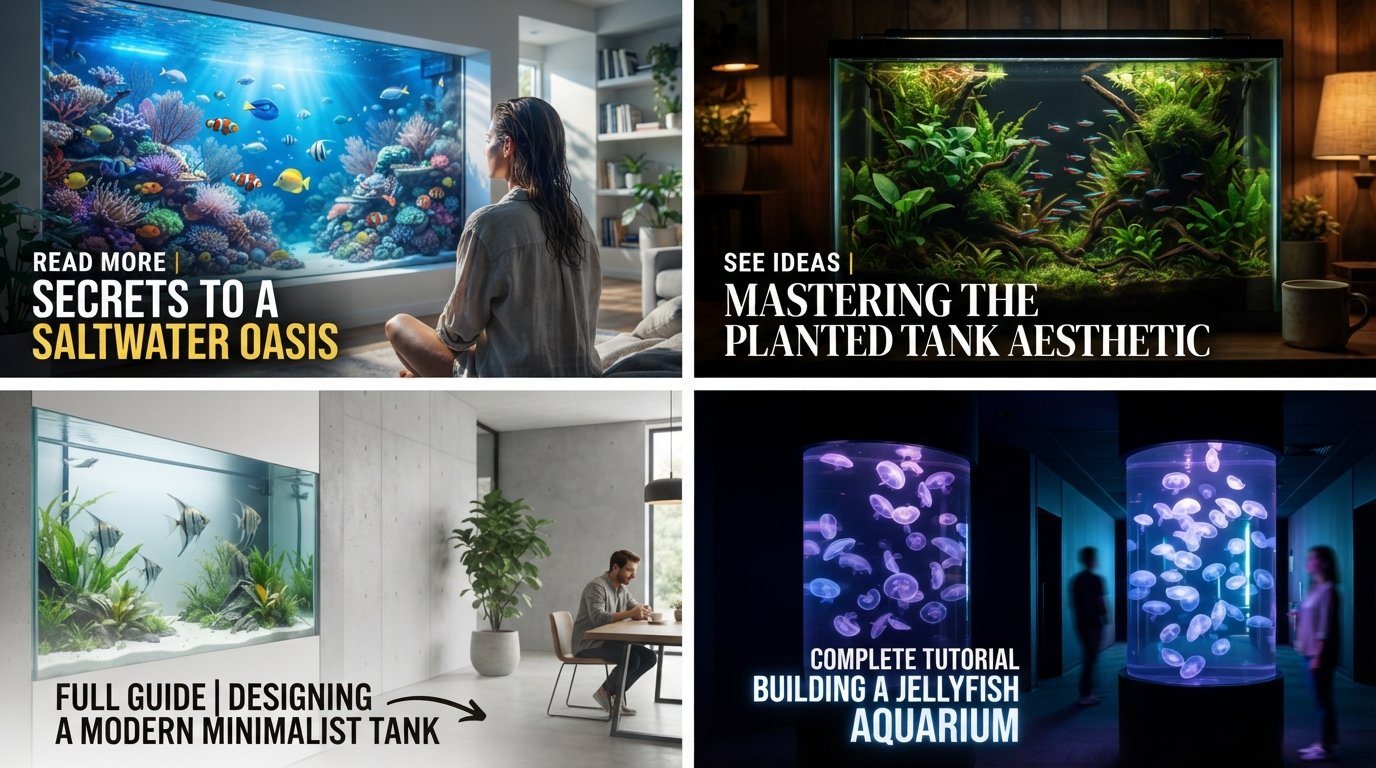
An aquarium window is one of the most impressive ways to combine interior design with aquatic life. Whether it’s a large built-in aquarium that looks like a living picture window, a wall-mounted fish tank, or an underwater viewing panel between rooms, an aquarium window creates a breathtaking focal point while bringing the beauty of nature indoors.
This complete guide explores aquarium window designs, installation ideas, suitable fish, aquascaping, equipment, maintenance, and expert tips for creating a safe and beautiful display.
What Is an Aquarium Window?
An aquarium window is an aquarium designed to function as a viewing window within a home or commercial space. Unlike traditional fish tanks, these aquariums are often built into walls, room dividers, or custom cabinetry to create a seamless architectural feature.
Common styles include:
- Built-in wall aquariums
- Room divider aquariums
- Double-sided aquariums
- Wall-to-wall aquarium windows
- Large panoramic aquariums
- Custom viewing panels
These designs provide clear views of aquatic life from one or multiple rooms.
Benefits of an Aquarium Window
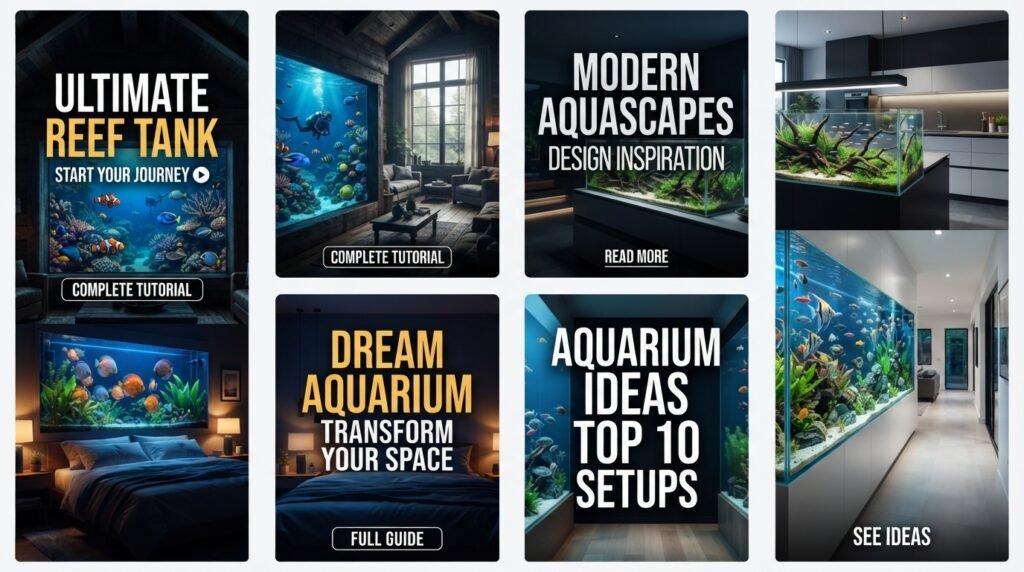
An aquarium window offers both visual and practical advantages.
Benefits include:
- Creates a dramatic focal point
- Enhances modern interior design
- Provides relaxing underwater views
- Maximizes visibility from multiple angles
- Adds value to living and commercial spaces
- Supports creative aquascaping
- Makes rooms feel more open
A professionally designed aquarium window can become the highlight of an entire home.
Popular Aquarium Window Designs
Built-In Wall Aquarium
Installed directly inside a wall, this style resembles a living artwork.
Advantages include:
- Clean, seamless appearance
- Hidden filtration equipment
- Saves floor space
- Excellent viewing experience
Room Divider Aquarium
A large aquarium separates two rooms while remaining visible from both sides.
Ideal for:
- Open-concept homes
- Dining and living room separation
- Offices
- Hotels
Double-Sided Aquarium
Both front and back panels remain visible, allowing fish and aquascaping to be enjoyed from either side.
Panoramic Aquarium Window
Wide aquariums create the appearance of an underwater landscape stretching across an entire wall.
Corner Aquarium Window
Designed to fit room corners while providing multiple viewing angles.
Choosing the Right Aquarium Size
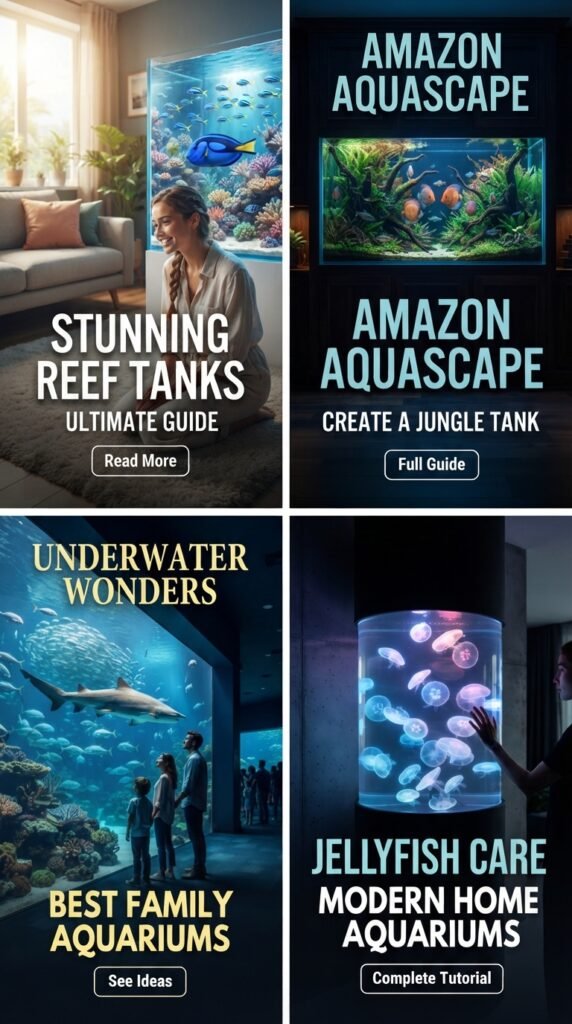
The ideal size depends on your available space and structural support.
Medium Aquarium (55–90 Gallons)
Suitable for:
- Living rooms
- Home offices
- Family rooms
Large Aquarium (120–300 Gallons)
Perfect for:
- Luxury homes
- Feature walls
- Professional aquascapes
Custom Oversized Aquariums
Best suited for:
- Hotels
- Restaurants
- Commercial buildings
- Luxury residences
Larger aquariums provide greater stability and more flexibility for aquascaping.
Glass or Acrylic?
Choosing the right material is an important decision.
Glass
Advantages:
- Excellent scratch resistance
- Clear viewing
- Long-lasting
- Ideal for most residential installations
Acrylic
Advantages:
- Lightweight
- Stronger impact resistance
- Easier to manufacture in custom shapes
- Better suited for very large aquariums
Both materials can create beautiful aquarium windows when properly installed.
Best Freshwater Fish
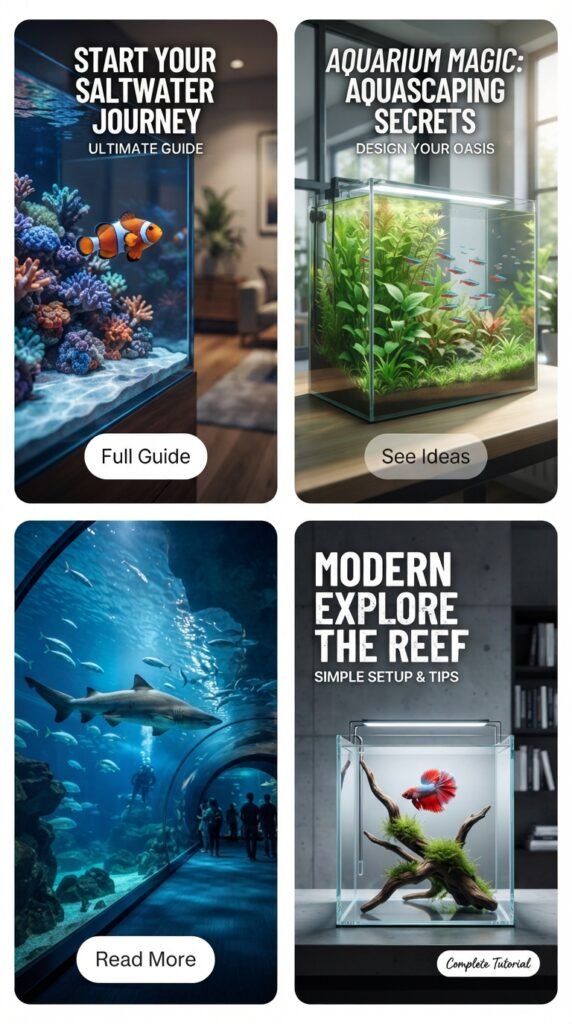
Peaceful, colorful fish work well in aquarium window displays.
Popular choices include:
- Angelfish
- Discus
- Neon Tetras
- Cardinal Tetras
- Rainbowfish
- Pearl Gouramis
- Corydoras Catfish
- Harlequin Rasboras
- Bristlenose Plecos
Choose species that are compatible with one another and appropriate for the aquarium’s size.
Saltwater Aquarium Window Ideas
Marine aquarium windows create spectacular displays.
Popular options include:
- Coral reef aquariums
- Fish-only marine tanks
- Mixed reef aquariums
- Lagoon-inspired aquascapes
Marine systems require specialized equipment such as appropriate filtration and salinity management.
Best Live Plants
Freshwater aquarium windows benefit from lush vegetation.
Recommended plants include:
- Java Fern
- Anubias
- Amazon Sword
- Vallisneria
- Bucephalandra
- Java Moss
- Cryptocoryne
- Water Wisteria
Arrange plants to frame the viewing area while maintaining open swimming space.
Aquascaping Ideas
Nature Aquarium
Combine driftwood, stones, and live plants to imitate natural river landscapes.
Island Layout
Create a central island surrounded by open substrate.
Minimalist Design
Use a few carefully placed hardscape elements for a clean, elegant appearance.
Jungle Aquascape
Allow dense plant growth for a lush underwater forest effect.
Rocky River Layout
Combine smooth stones with sand and driftwood for a realistic stream-inspired design.
Essential Equipment
Every aquarium window requires dependable equipment.
Filtration
Choose from:
- Canister filters
- Sump filtration systems
- Internal filters
Hidden filtration helps preserve the clean architectural appearance.
Heater
Maintain stable temperatures appropriate for your chosen fish.
LED Lighting
Quality LED lighting provides:
- Natural illumination
- Energy efficiency
- Plant support
- Enhanced fish coloration
Use programmable timers for consistent lighting schedules.
Choosing the Right Substrate
Popular options include:
- Fine white sand
- Natural river sand
- Aquarium gravel
- Nutrient-rich aquasoil for planted tanks
The substrate should complement your aquascape and livestock.
Maintenance Tips
Routine care keeps your aquarium window looking its best.
Weekly Water Changes
Replace 20–30% of the water in most freshwater aquariums.
Clean the Viewing Glass
Remove algae regularly using an aquarium-safe scraper.
Vacuum the Substrate
Remove waste during water changes.
Trim Plants
Prune overgrown plants to maintain clear viewing areas.
Inspect Equipment
Check filters, heaters, pumps, and lighting for proper operation.
Planning for Installation
Before installing an aquarium window, consider:
- Structural support for the aquarium’s weight
- Easy access for maintenance
- Electrical connections
- Plumbing requirements for larger systems
- Ventilation around equipment
Consult qualified professionals for large built-in installations.
Common Mistakes to Avoid
Choosing a Tank That’s Too Small
Larger aquariums generally provide more stable water conditions and better viewing.
Ignoring Maintenance Access
Ensure there is enough space above or behind the aquarium for cleaning and equipment servicing.
Overstocking Fish
Leave sufficient swimming space and avoid exceeding the aquarium’s biological capacity.
Poor Lighting Placement
Position lighting to illuminate the aquascape evenly without creating excessive glare.
Using Incompatible Fish
Research fish compatibility before stocking the aquarium.
Decorating Tips
Create a balanced design by combining:
- Natural driftwood
- Smooth rocks
- Live plants
- Open swimming areas
- Subtle background colors
Avoid overcrowding the aquarium with excessive decorations that block the view.
Benefits of an Aquarium Window
An aquarium window provides many long-term advantages.
- Elegant architectural feature
- Relaxing underwater scenery
- Increased visual depth
- Creative aquascaping opportunities
- Suitable for homes and businesses
- Beautiful display from multiple rooms
When properly designed, it becomes both a functional aquarium and a stunning design element.
Conclusion
An aquarium window combines modern architecture with the beauty of aquatic life, creating a living display that enhances any interior. Whether you choose a built-in wall aquarium, a room divider, or a panoramic viewing tank, careful planning, quality equipment, and regular maintenance are essential for long-term success.
By selecting compatible fish, attractive plants, natural decorations, and a thoughtful aquascape, you can create an aquarium window that provides years of enjoyment while serving as a spectacular centerpiece in your home or commercial space.
Frequently Asked Questions
What is an aquarium window?
An aquarium window is an aquarium integrated into a wall, divider, or custom structure to provide a clear view of aquatic life while serving as an architectural feature.
Is an aquarium window suitable for homes?
Yes. Many homeowners install built-in or room-divider aquariums, provided the structure can safely support the aquarium’s weight and maintenance access is included in the design.
Which fish are best for an aquarium window?
Peaceful community fish such as angelfish, discus, neon tetras, rainbowfish, pearl gouramis, corydoras catfish, and harlequin rasboras are excellent choices for many freshwater setups.
Can I grow live plants in an aquarium window?
Yes. Plants such as Java Fern, Anubias, Amazon Sword, Vallisneria, Bucephalandra, and Java Moss grow well in many freshwater aquarium window designs.
How often should an aquarium window be cleaned?
Most freshwater aquarium windows benefit from weekly maintenance, including water changes, glass cleaning, substrate vacuuming, plant trimming, and equipment inspection.
Is glass or acrylic better for an aquarium window?
Glass offers excellent scratch resistance and clarity for many installations, while acrylic is lighter, more impact-resistant, and often preferred for very large custom aquarium windows.