
 By admin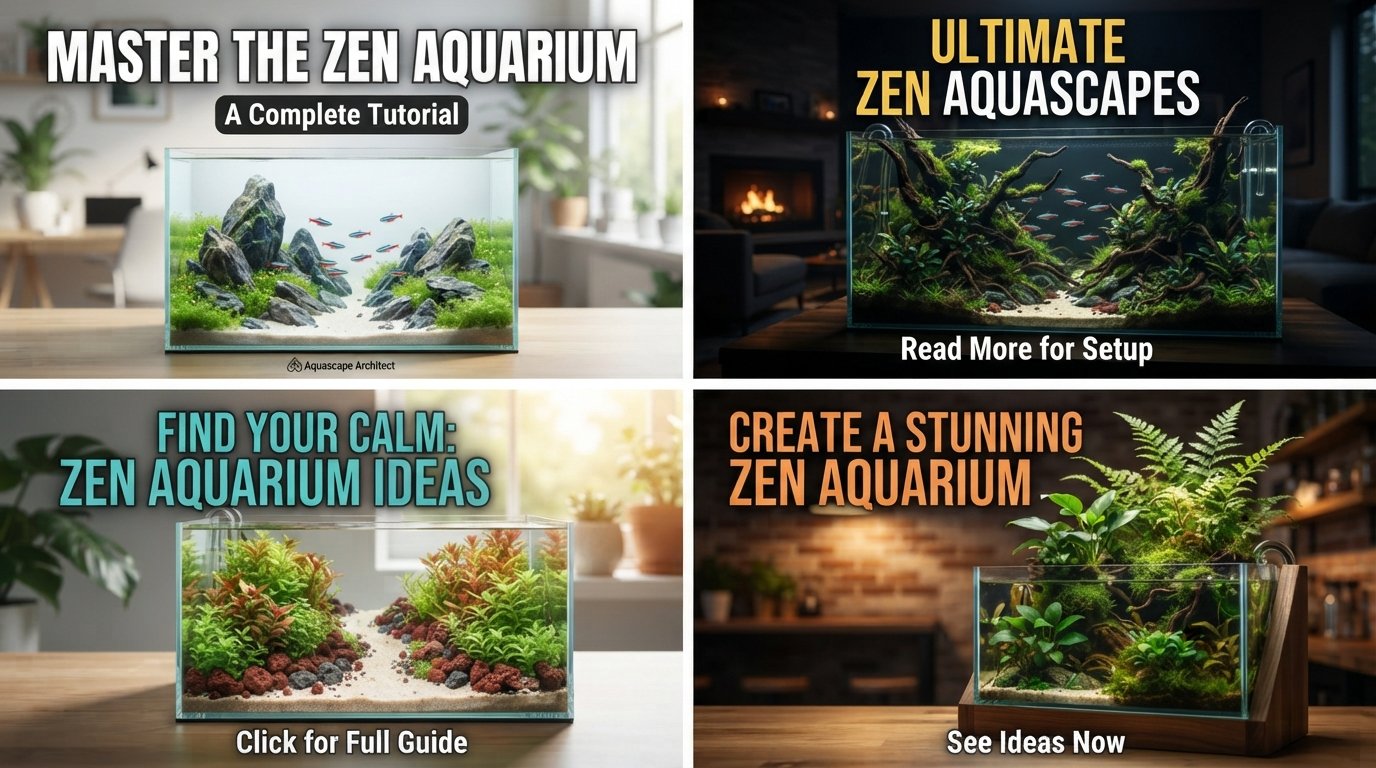
A Zen aquarium is designed to bring calm, balance, and natural beauty into your home or workspace. Inspired by Japanese Zen philosophy, these aquariums focus on simplicity, harmony, and carefully arranged natural elements rather than excessive decorations. With clean lines, tranquil aquascapes, gentle lighting, and healthy aquatic life, a Zen aquarium creates a relaxing environment that helps reduce stress while enhancing your interior décor.
Whether you’re setting up a small desktop aquarium or a large planted display, this guide will help you design the perfect Zen aquarium.
What Is a Zen Aquarium?
A Zen aquarium is a minimalist aquarium that emphasizes natural materials, open space, and balanced aquascaping. Every element is carefully placed to create a peaceful underwater landscape that feels calm and uncluttered.
A typical Zen aquarium includes:
- Natural stones
- Driftwood
- Live aquatic plants
- Fine sand or gravel
- Soft LED lighting
- Peaceful fish
- Minimal decorations
The goal is to create an aquarium that feels like a quiet natural stream or forest pond.
Benefits of a Zen Aquarium
A Zen aquarium offers many advantages beyond its beautiful appearance.
Benefits include:
- Creates a calming atmosphere
- Complements modern and minimalist interiors
- Encourages relaxation
- Highlights natural beauty
- Easy to personalize
- Suitable for homes and offices
- Promotes mindful aquascaping
A thoughtfully designed Zen aquarium can become a peaceful focal point in any room.
Choosing the Right Aquarium Size
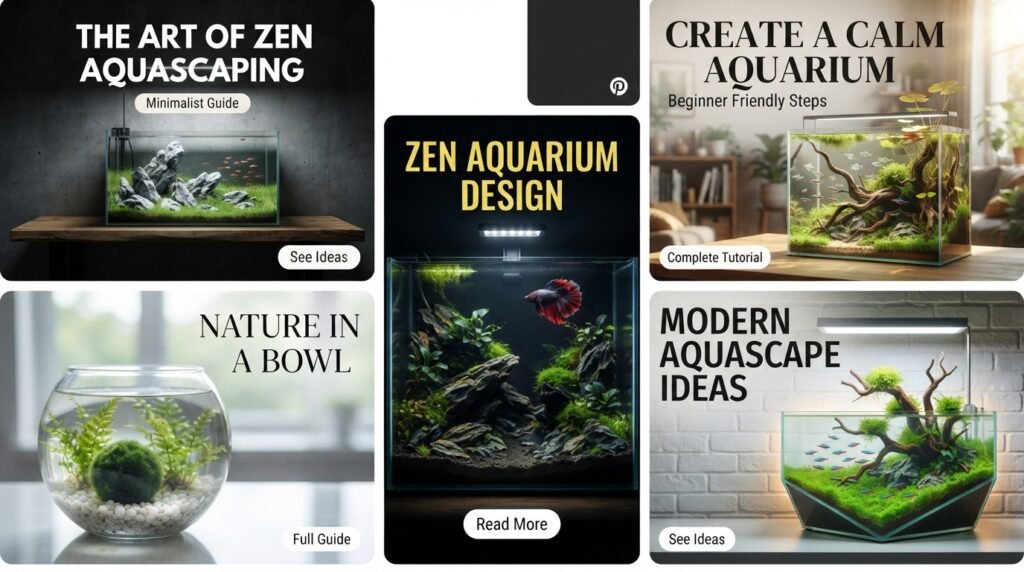
Almost any aquarium size can be adapted into a Zen-style display.
Nano Aquarium (5–20 Gallons)
Ideal for:
- Desktops
- Bedrooms
- Home offices
- Betta fish
- Shrimp
Medium Aquarium (20–55 Gallons)
Perfect for:
- Community fish
- Nature aquascapes
- Planted aquariums
Large Aquarium (75 Gallons and Above)
Suitable for:
- Living room displays
- Complex aquascapes
- Large schools of peaceful fish
Larger aquariums provide greater design flexibility and more stable water conditions.
Selecting the Right Substrate
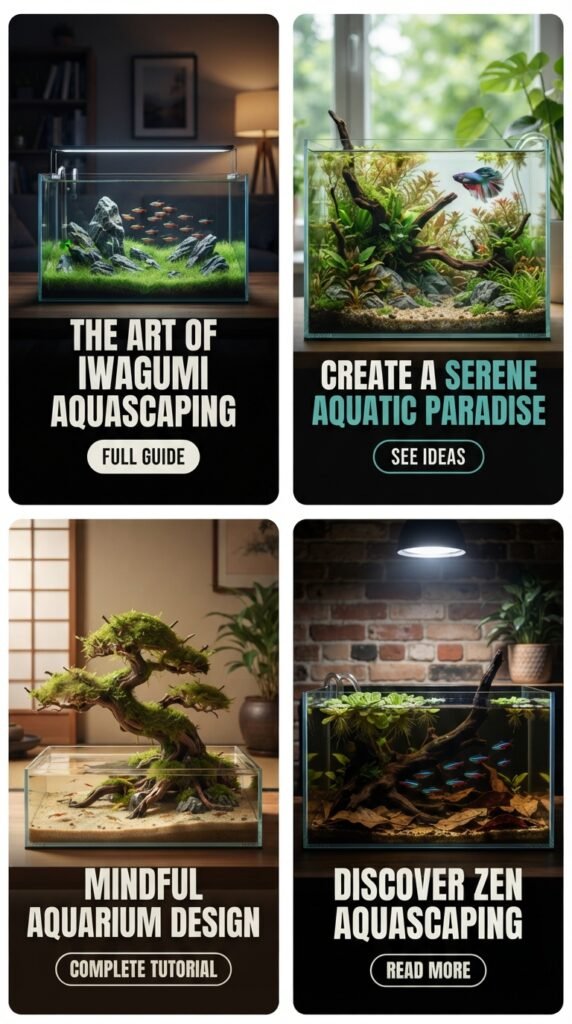
The substrate sets the tone for your Zen aquarium.
Popular choices include:
White Sand
Creates a bright, clean appearance while emphasizing rocks and plants.
Natural River Sand
Produces a soft, natural look.
Fine Gravel
Adds texture while maintaining a simple design.
Aquasoil
Best for heavily planted Zen aquariums.
Choose a substrate that complements your aquascape and supports your chosen plants.
Natural Hardscape
Hardscape is the foundation of a Zen aquarium.
Stones
Popular options include:
- Smooth river rocks
- Dragon stone
- Seiryu stone
- Rounded natural stones
Arrange stones asymmetrically for a balanced, natural appearance.
Driftwood
Driftwood adds warmth and organic texture.
Popular styles include:
- Spider wood
- Branch wood
- Mopani wood
- Natural root wood
Use one or two focal pieces instead of filling the aquarium with wood.
Best Live Plants
Plants bring life and balance to the aquarium.
Excellent choices include:
- Anubias
- Java Fern
- Bucephalandra
- Java Moss
- Vallisneria
- Cryptocoryne
- Amazon Sword
- Dwarf Hairgrass
- Monte Carlo
Arrange plants naturally rather than in rigid patterns.
Best Fish for a Zen Aquarium
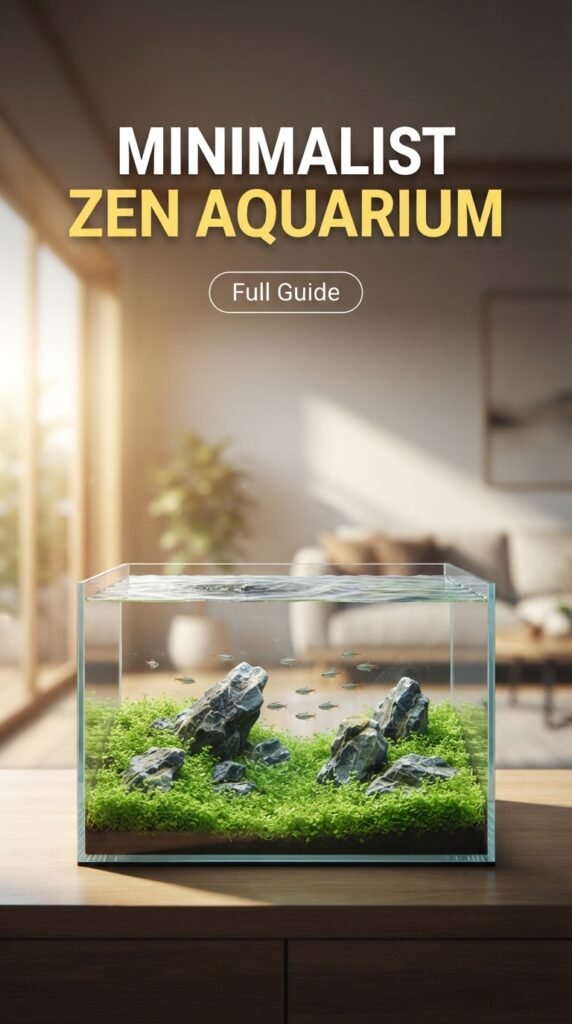
Peaceful fish help maintain the tranquil atmosphere.
Recommended species include:
- Neon Tetras
- Ember Tetras
- Harlequin Rasboras
- Celestial Pearl Danios
- Pearl Gouramis
- Corydoras Catfish
- Otocinclus
- Betta Fish (in an appropriately sized species-only setup)
- White Cloud Mountain Minnows
Research compatibility and environmental needs before stocking.
Shrimp and Snails
Invertebrates complement Zen aquariums beautifully.
Good choices include:
- Cherry Shrimp
- Amano Shrimp
- Nerite Snails
- Mystery Snails
They also contribute to algae control and consume leftover food.
Zen Aquascaping Ideas
Iwagumi Style
An elegant arrangement of carefully selected stones with low-growing plants.
Forest Layout
Use branch-like driftwood with moss to resemble miniature trees.
Riverbank Design
Combine smooth stones, sand, and lush plants to imitate a peaceful stream.
Minimalist Layout
Feature one focal rock or driftwood piece with generous open space.
Island Aquascape
Create a central planted island surrounded by open sand.
Lighting
Soft lighting enhances the calming atmosphere.
Choose LED lighting that offers:
- Natural daylight spectrum
- Adjustable brightness
- Sunrise and sunset settings
- Energy efficiency
Avoid overly bright or constantly changing colors that distract from the natural design.
Filtration
Clean, clear water is essential.
Suitable filters include:
- Canister filters
- Hang-on-back filters
- Internal filters
- Sponge filters for shrimp tanks
Choose a filter that provides gentle circulation without excessive current.
Water Parameters
General freshwater community recommendations include:
- Temperature: 72–78°F (22–26°C), depending on the species
- pH: 6.5–7.5 for many community fish
- Ammonia: 0 ppm
- Nitrite: 0 ppm
- Nitrate: Below 20 ppm
Always tailor water conditions to the needs of your livestock.
Decorating Tips
Keep decorations simple and natural.
Consider using:
- Smooth stones
- Natural driftwood
- Live plants
- Open sand areas
- Neutral-colored backgrounds
Avoid brightly colored artificial ornaments that disrupt the peaceful aesthetic.
Weekly Maintenance
Regular care preserves the aquarium’s beauty.
Water Changes
Replace 20–30% of the water each week.
Glass Cleaning
Remove algae with an aquarium-safe scraper.
Plant Trimming
Prune plants to maintain a balanced layout.
Substrate Cleaning
Vacuum the substrate during water changes.
Water Testing
Monitor temperature, pH, ammonia, nitrite, and nitrate regularly.
Common Mistakes to Avoid
Overdecorating
A Zen aquarium should feel open and uncluttered.
Overstocking Fish
Too many fish reduce the sense of calm and can affect water quality.
Ignoring Maintenance
Consistent maintenance keeps the aquarium clean and healthy.
Mixing Incompatible Species
Choose peaceful fish that share similar water requirements.
Using Harsh Lighting
Excessively bright or flashing lights can detract from the serene atmosphere.
Zen Aquarium Placement Ideas
A Zen aquarium works well in many locations, including:
- Living room
- Home office
- Meditation room
- Bedroom
- Reading corner
- Reception area
Place the aquarium where it can be enjoyed without exposure to direct sunlight.
Benefits of a Zen Aquarium
A Zen aquarium provides lasting advantages.
- Relaxing visual centerpiece
- Natural home décor
- Healthy aquatic ecosystem
- Endless aquascaping possibilities
- Suitable for beginners and experienced hobbyists
- Promotes a peaceful environment
With thoughtful planning and regular care, it becomes a beautiful living work of art.
Conclusion
A Zen aquarium combines minimalist design with the beauty of nature to create a peaceful underwater sanctuary. By using natural stones, driftwood, live plants, gentle lighting, and compatible fish, you can build an aquarium that reflects balance, simplicity, and harmony.
Whether you choose a small desktop tank or a large planted aquascape, maintaining clean water, selecting quality equipment, and avoiding unnecessary clutter will help you enjoy a tranquil aquarium that enhances your home for years to come.
Frequently Asked Questions
What is a Zen aquarium?
A Zen aquarium is a minimalist aquarium designed with natural materials, live plants, and carefully arranged hardscape to create a peaceful and balanced underwater environment.
Which fish are best for a Zen aquarium?
Peaceful species such as neon tetras, ember tetras, harlequin rasboras, pearl gouramis, corydoras catfish, otocinclus, and white cloud mountain minnows are excellent choices for many freshwater Zen aquariums.
Can I use live plants in a Zen aquarium?
Yes. Plants like Anubias, Java Fern, Bucephalandra, Java Moss, Cryptocoryne, Vallisneria, and Dwarf Hairgrass are popular because they create a lush, natural appearance.
What substrate works best?
Fine white sand, natural river sand, fine gravel, or aquasoil are all excellent options, depending on your aquascaping style and plant selection.
How often should I maintain a Zen aquarium?
Most freshwater Zen aquariums benefit from weekly maintenance, including a 20–30% water change, glass cleaning, substrate vacuuming, plant trimming, and water testing.
Is a Zen aquarium suitable for beginners?
Yes. A simple planted aquarium with hardy plants, peaceful fish, and reliable equipment is an excellent choice for beginners who want a beautiful, low-clutter aquatic display.