
 By admin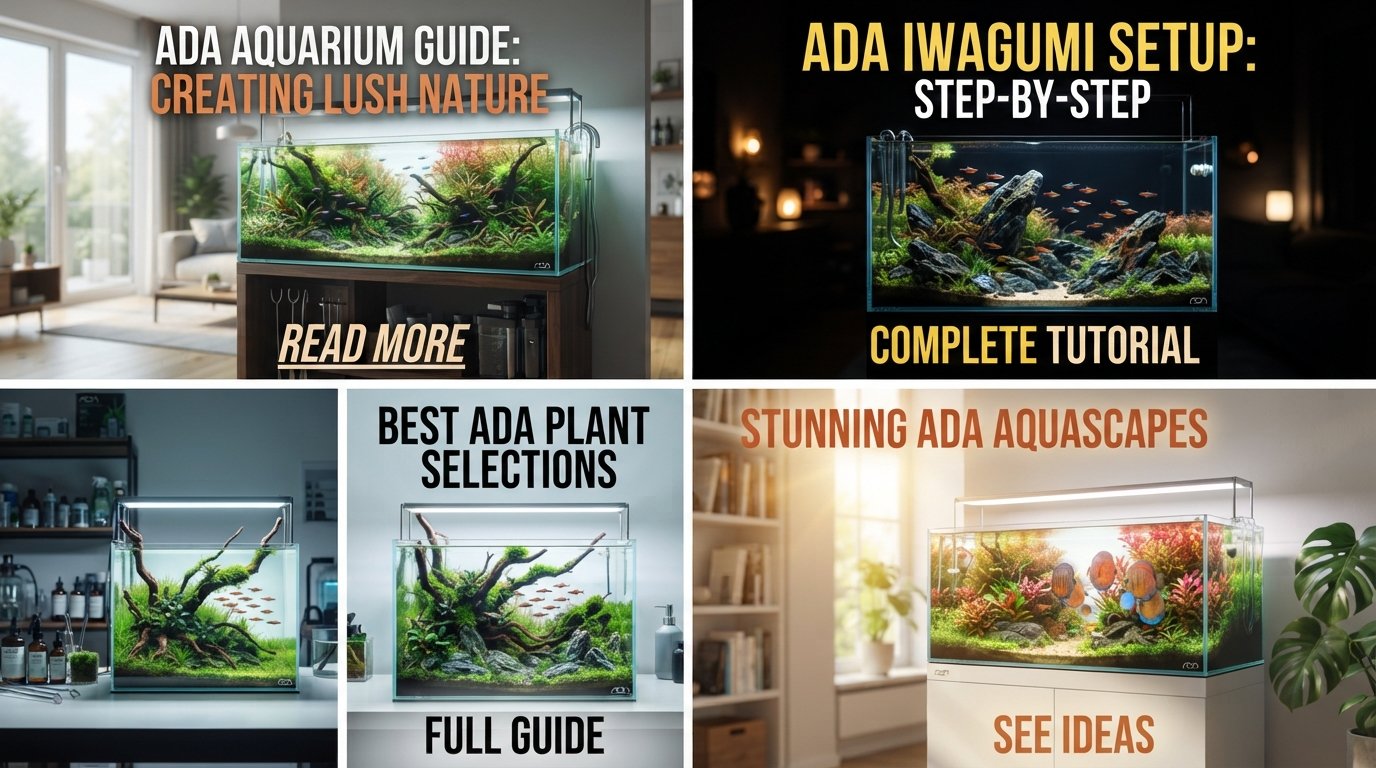
An ADA aquarium is widely recognized as the gold standard in the world of aquascaping. Known for its minimalist rimless aquariums, premium aquascaping products, and natural design philosophy, an ADA-style aquarium emphasizes harmony between rocks, driftwood, aquatic plants, and fish. Inspired by nature, these aquariums recreate landscapes that resemble forests, rivers, mountains, and valleys beneath the water’s surface.
Whether you’re a beginner interested in planted tanks or an experienced aquascaper looking to build a professional display, this guide explains everything you need to know about creating an ADA-inspired aquarium.
What Is an ADA Aquarium?
An ADA aquarium refers to an aquarium designed using the principles of Nature Aquarium aquascaping popularized by Aqua Design Amano (ADA). These aquariums focus on natural beauty, balanced layouts, healthy plant growth, and crystal-clear water.
Typical characteristics include:
- Rimless glass aquarium
- Natural aquascaping
- Live aquatic plants
- Premium substrate
- Carefully arranged rocks and driftwood
- High-quality LED lighting
- Efficient filtration
- Minimalist appearance
The goal is to create an underwater landscape that resembles nature.
Why Choose an ADA-Style Aquarium?
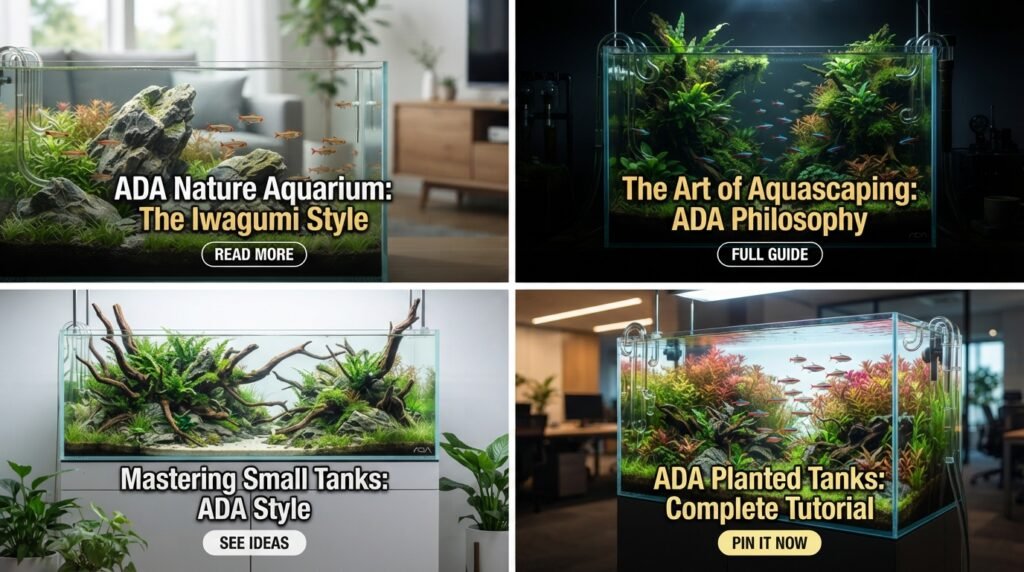
An ADA-inspired aquarium offers numerous benefits.
Advantages include:
- Elegant minimalist design
- Outstanding water clarity
- Healthy plant growth
- Natural fish habitat
- Professional appearance
- Endless aquascaping possibilities
- Timeless visual appeal
These aquariums are popular in homes, offices, and aquascaping competitions.
Choosing the Right Aquarium Size
ADA-inspired layouts work in tanks of many sizes.
Nano Aquarium (5–20 Gallons)
Ideal for:
- Compact planted tanks
- Shrimp aquariums
- Desktop displays
Medium Aquarium (20–60 Gallons)
Perfect for:
- Community fish
- Nature aquascapes
- Beginner planted aquariums
Large Aquarium (75 Gallons and Above)
Suitable for:
- Advanced aquascaping
- Large Nature Aquarium layouts
- Extensive plant collections
Larger aquariums provide greater flexibility when creating depth and perspective.
The Nature Aquarium Concept
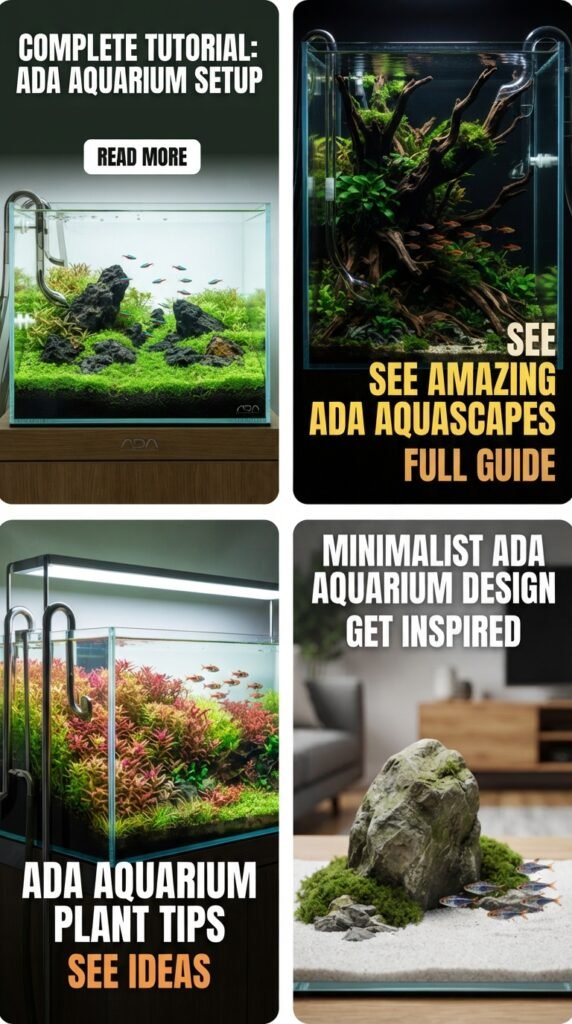
The Nature Aquarium style recreates landscapes found in nature.
Common themes include:
- Forest streams
- Mountain valleys
- Riverbanks
- Rocky hillsides
- Tropical jungles
The aquascape should appear balanced and natural rather than overly symmetrical.
Choosing the Right Substrate
A nutrient-rich substrate is one of the most important elements of an ADA-style aquarium.
Benefits include:
- Supports root development
- Encourages healthy plant growth
- Improves nutrient availability
- Helps establish beneficial bacteria
A sloped substrate, deeper at the back than the front, creates a greater sense of depth.
Hardscape Design
Hardscape forms the structure of the aquarium.
Stones
Popular choices include:
- Seiryu stone
- Dragon stone
- Lava rock
- Rounded river stones
Arrange stones naturally, with one dominant focal point supported by smaller rocks.
Driftwood
Driftwood adds movement and natural character.
Common options include:
- Spider wood
- Branch wood
- Root wood
- Mopani wood
Avoid placing hardscape elements in perfectly symmetrical positions.
Best Aquarium Plants
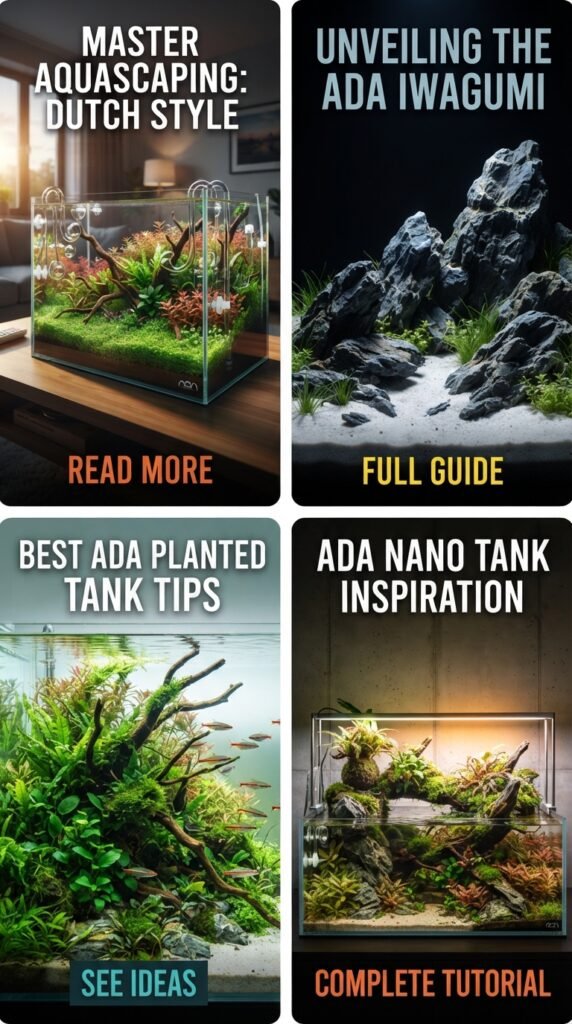
Live plants are the centerpiece of an ADA-style aquarium.
Foreground plants:
- Monte Carlo
- Dwarf Hairgrass
- Glossostigma
- Marsilea
Midground plants:
- Anubias
- Bucephalandra
- Cryptocoryne
- Staurogyne repens
Background plants:
- Rotala
- Ludwigia
- Vallisneria
- Limnophila
- Water Wisteria
Mosses:
- Java Moss
- Christmas Moss
- Weeping Moss
Mix textures and leaf shapes to create visual interest.
Best Fish for an ADA Aquarium
Small, peaceful schooling fish complement planted aquariums.
Popular choices include:
- Neon Tetras
- Cardinal Tetras
- Ember Tetras
- Rummy Nose Tetras
- Harlequin Rasboras
- Celestial Pearl Danios
- Otocinclus
- Corydoras Catfish
Choose fish that enhance the aquascape without overwhelming it.
Shrimp and Snails
Helpful invertebrates include:
- Amano Shrimp
- Cherry Shrimp
- Nerite Snails
These species help control algae and consume leftover food.
Lighting
Proper lighting is essential for healthy plant growth.
Choose LED lighting that provides:
- Full-spectrum illumination
- Adjustable brightness
- Even light distribution
- Energy efficiency
Use a consistent lighting schedule of approximately 6–8 hours daily for many planted aquariums, adjusting as needed based on plant growth and algae control.
Filtration
Clean water is essential for a successful planted aquarium.
Recommended filter options include:
- Canister filters
- External filtration systems
- Lily pipes for gentle water flow
Effective biological filtration supports plant and fish health while keeping the water clear.
Carbon Dioxide (CO₂)
Many high-tech planted aquariums use supplemental CO₂ to encourage faster, healthier plant growth.
Benefits include:
- Improved plant growth
- Richer leaf color
- Better carpeting plants
- Reduced competition from algae when properly balanced with light and nutrients
Low-tech planted aquariums can also be successful using hardy plants that do not require added CO₂.
Fertilization
Healthy plants require balanced nutrients.
Plant care may include:
- Root fertilizers for heavy root feeders
- Liquid fertilizers for water-column feeders
- Regular monitoring to prevent nutrient deficiencies
Adjust fertilization based on plant growth and water test results.
Aquascaping Layouts
Iwagumi
A minimalist layout centered around carefully placed stones and carpeting plants.
Ryuboku
A nature-inspired layout featuring driftwood as the primary focal point.
Jungle Style
Dense planting with layered textures and natural growth.
Island Layout
A central mound of plants and hardscape surrounded by open substrate.
Valley Layout
Higher hardscape on both sides with an open pathway through the center, creating depth.
Water Parameters
General recommendations for many planted community aquariums include:
- Temperature: 72–78°F (22–26°C)
- pH: 6.0–7.5, depending on plants and fish
- Ammonia: 0 ppm
- Nitrite: 0 ppm
- Nitrate: Generally below 20 ppm
Adjust water conditions according to the needs of your plants and livestock.
Weekly Maintenance
Regular maintenance helps preserve the aquarium’s appearance.
Tasks include:
- Replace 20–30% of the water weekly.
- Clean the aquarium glass.
- Trim overgrown plants.
- Remove dead leaves.
- Clean filter equipment as needed.
- Test water parameters regularly.
Consistency is key to maintaining a healthy planted aquarium.
Common Mistakes to Avoid
Overstocking Fish
Too many fish can increase waste and distract from the aquascape.
Using Too Many Decorations
Keep the focus on natural hardscape and plants.
Poor Plant Selection
Choose plants that match your lighting and maintenance level.
Ignoring Plant Maintenance
Regular trimming keeps the layout balanced and prevents overcrowding.
Rushing the Setup
Allow the aquarium to cycle completely before adding fish.
Benefits of an ADA-Inspired Aquarium
An ADA-style aquarium offers many long-term advantages.
- Beautiful natural appearance
- Healthy aquatic ecosystem
- Outstanding aquascaping potential
- Improved water quality through live plants
- Relaxing focal point for any room
- Suitable for beginners and advanced hobbyists with appropriate planning
With patience and regular care, an ADA-inspired aquarium becomes a living work of art.
Conclusion
An ADA aquarium combines minimalist design, lush aquatic plants, natural hardscape, and healthy aquatic life to create a breathtaking underwater landscape. Whether you prefer an Iwagumi layout, a driftwood forest, or a vibrant planted community aquarium, following Nature Aquarium principles will help you create a balanced and visually stunning display.
By choosing quality equipment, nutrient-rich substrate, suitable plants, compatible fish, and maintaining stable water conditions, you can enjoy a thriving aquarium that reflects the beauty of nature for years to come.
Frequently Asked Questions
What is an ADA aquarium?
An ADA aquarium is a planted aquarium inspired by Nature Aquarium principles, emphasizing natural layouts, healthy plant growth, minimalist design, and clear water.
Is an ADA-style aquarium suitable for beginners?
Yes. Beginners can create ADA-inspired aquariums by starting with hardy plants, quality equipment, and a simple aquascape while learning proper aquarium maintenance.
Do I need CO₂ for an ADA aquarium?
Not always. Many hardy aquatic plants grow well without supplemental CO₂, although high-tech planted aquariums often use CO₂ to support demanding plant species.
Which fish are best for an ADA aquarium?
Small, peaceful fish such as neon tetras, cardinal tetras, ember tetras, harlequin rasboras, rummy nose tetras, otocinclus, and corydoras catfish are excellent choices.
What plants are commonly used?
Popular plants include Monte Carlo, Dwarf Hairgrass, Anubias, Bucephalandra, Java Moss, Rotala, Ludwigia, Vallisneria, and Cryptocoryne.
How often should I maintain an ADA aquarium?
Most planted aquariums benefit from weekly maintenance, including water changes, plant trimming, glass cleaning, equipment inspection, and regular water testing to keep the ecosystem healthy and attractive.