
 By admin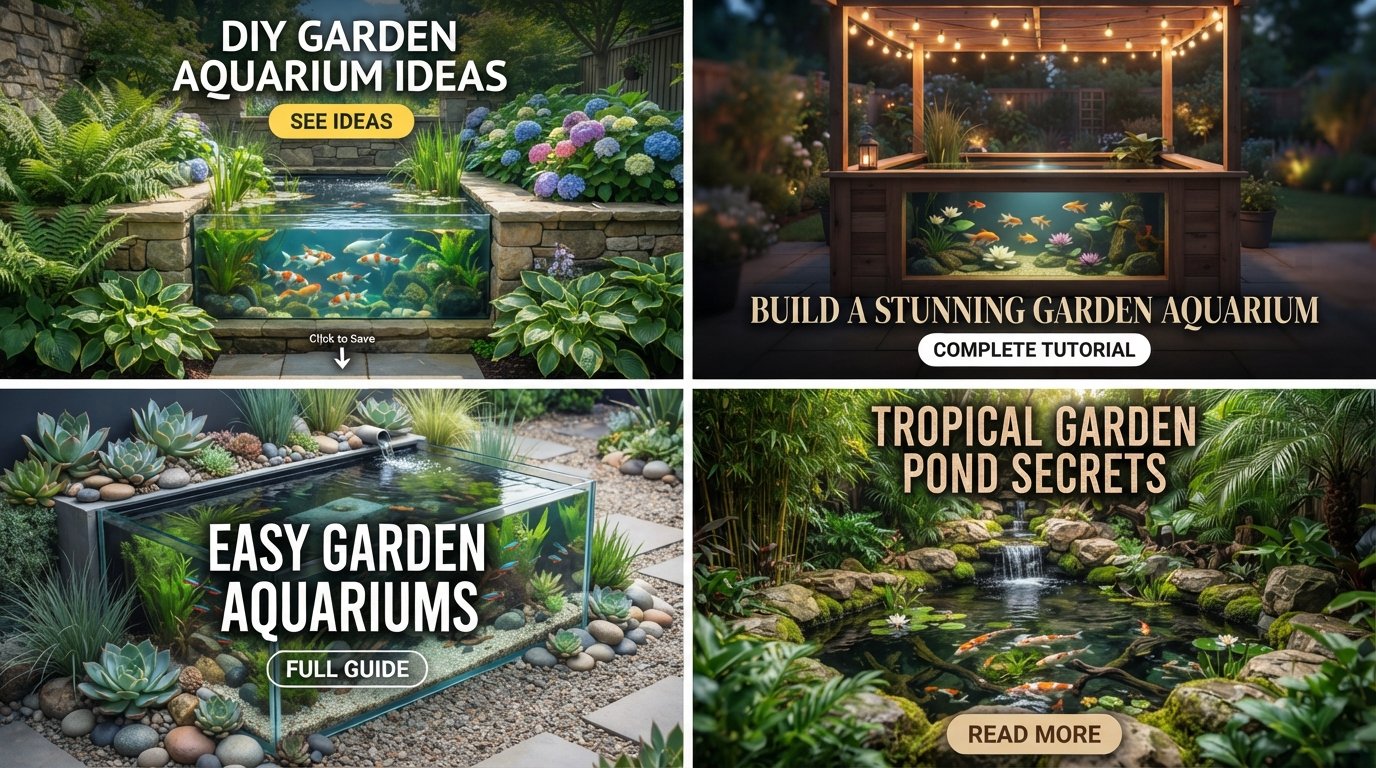
A garden aquarium combines the beauty of aquatic life with the natural charm of an outdoor garden. Whether placed on a patio, deck, balcony, or landscaped backyard, a garden aquarium creates a peaceful focal point where fish, aquatic plants, and decorative elements come together in a living ecosystem. With proper planning and maintenance, an outdoor aquarium can provide year-round enjoyment while enhancing the overall appearance of your garden.
This complete guide covers everything you need to know about designing, setting up, and maintaining a garden aquarium, including the best tank types, fish, plants, equipment, and decorating ideas.
What Is a Garden Aquarium?
A garden aquarium is an aquarium designed for outdoor use in a protected garden setting. Unlike a pond, it uses a glass or acrylic tank that allows clear viewing of fish and plants from the sides, creating a unique underwater display.
A garden aquarium may include:
- Outdoor aquarium tank
- Aquatic plants
- Natural rocks and driftwood
- Decorative lighting
- Water filtration system
- Peaceful freshwater fish
- Weather-resistant stand or cabinet
The result is a beautiful blend of landscaping and aquarium keeping.
Benefits of a Garden Aquarium
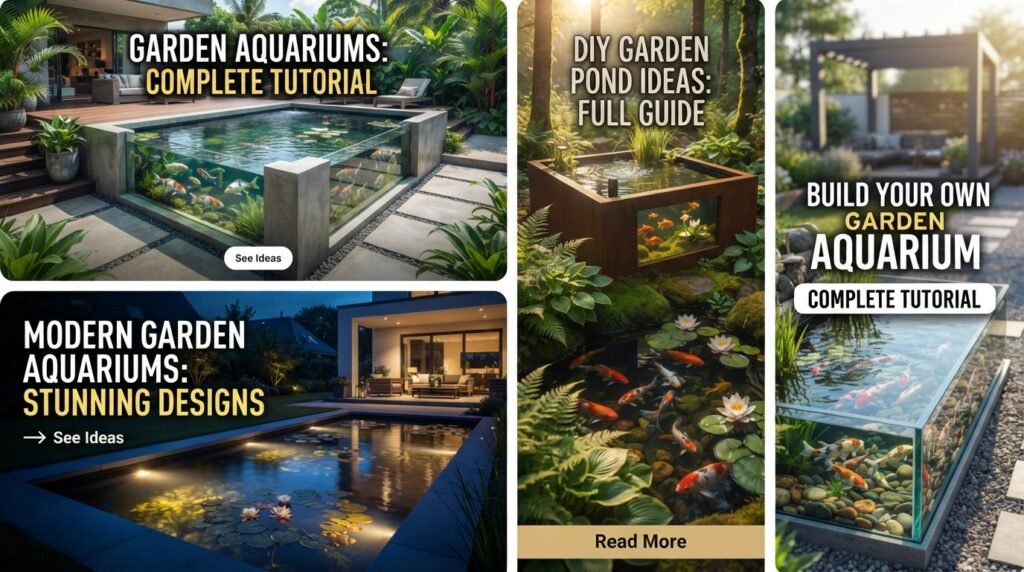
An outdoor aquarium offers many advantages.
Benefits include:
- Enhances garden beauty
- Creates a relaxing atmosphere
- Provides a unique landscape feature
- Encourages appreciation of aquatic life
- Suitable for patios and balconies
- Complements outdoor seating areas
- Offers endless decorating possibilities
A thoughtfully designed garden aquarium becomes a standout feature in any outdoor space.
Choosing the Right Aquarium Size
Select an aquarium based on the available space and the fish you plan to keep.
Small Aquarium (10–20 Gallons)
Suitable for:
- Covered patios
- Balconies
- Shrimp
- Small tropical fish in suitable climates
Medium Aquarium (20–55 Gallons)
Ideal for:
- Garden seating areas
- Community fish
- Planted aquariums
Large Aquarium (75 Gallons and Above)
Perfect for:
- Spacious gardens
- Outdoor entertainment areas
- Large aquascapes
- Feature displays
Larger aquariums are generally more stable because they hold more water.
Choosing the Best Location
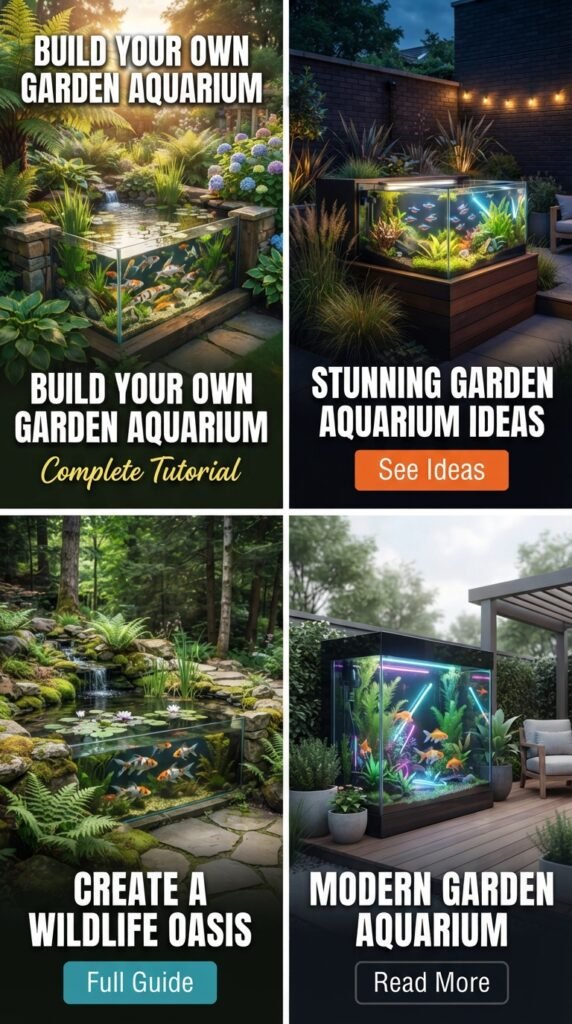
Placement is one of the most important factors for success.
Choose a location that:
- Is protected from direct afternoon sunlight
- Has a level, sturdy surface
- Is close to electrical outlets
- Is sheltered from strong winds
- Allows easy maintenance access
Avoid placing the aquarium where it will overheat during summer or freeze during winter.
Freshwater or Saltwater?
Freshwater Garden Aquarium
Freshwater systems are easier to maintain and are the most practical choice for outdoor home aquariums.
Advantages include:
- Lower cost
- Easier maintenance
- Wide variety of fish
- Numerous plant options
Saltwater Garden Aquarium
Marine aquariums can be kept outdoors in suitable climates but require much more careful management of temperature, evaporation, and water chemistry.
Best Fish for a Garden Aquarium
Choose fish that are appropriate for your local climate and aquarium size.
Popular freshwater choices include:
- White Cloud Mountain Minnows
- Zebra Danios
- Platies
- Mollies
- Guppies
- Paradise Fish (with appropriate tank mates)
- Corydoras Catfish (for protected outdoor aquariums)
If temperatures fluctuate significantly, bring tropical fish indoors or provide climate control as needed.
Aquatic Plants
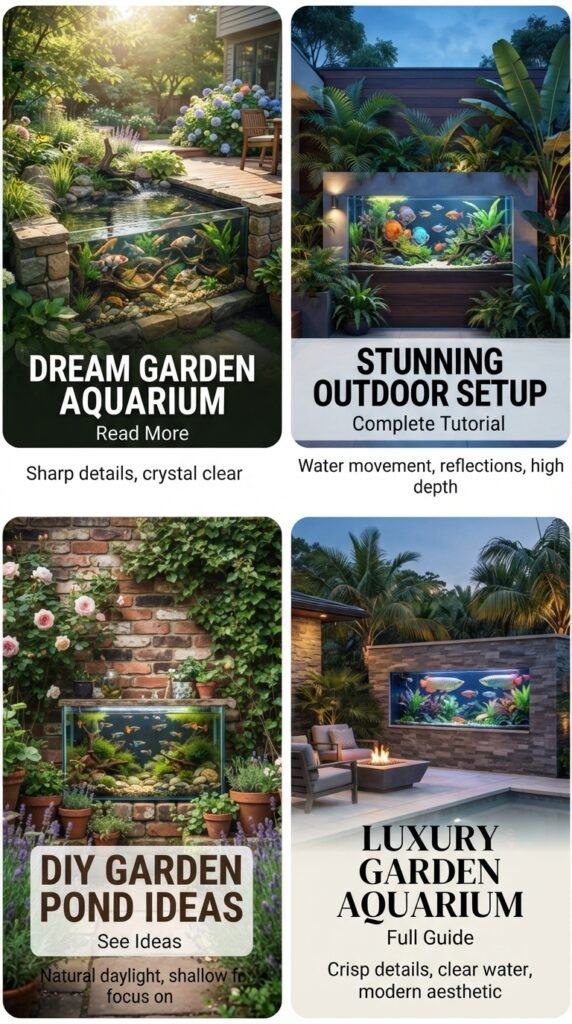
Live plants improve water quality while creating a natural appearance.
Recommended plants include:
- Java Fern
- Anubias
- Amazon Sword
- Vallisneria
- Hornwort
- Water Sprite
- Java Moss
- Cryptocoryne
Floating plants such as frogbit or dwarf water lettuce can also provide shade, but avoid covering the entire surface.
Choosing the Right Substrate
Popular substrate options include:
Fine Sand
Creates a clean, natural look.
Aquarium Gravel
Suitable for most community aquariums.
Nutrient-Rich Aquasoil
Ideal for planted garden aquariums.
Choose aquarium-safe materials that support your chosen plants and fish.
Decorating Ideas
Create a natural outdoor appearance using:
- Driftwood
- Smooth river stones
- Natural rocks
- Moss-covered wood
- Aquatic plants
- Outdoor-safe background panels
Avoid overcrowding the aquarium with decorations.
Outdoor Lighting
Lighting can enhance the aquarium after sunset.
Suitable options include:
- Waterproof LED lighting
- Solar-powered garden lights around the aquarium
- Warm white accent lighting
Avoid excessive lighting that may encourage algae growth.
Filtration
A quality filter is essential for clear water.
Choose from:
- Canister filters
- Hang-on-back filters
- Internal filters
Ensure the filter is suitable for outdoor conditions and protected from rain where necessary.
Temperature Management
Outdoor temperatures change throughout the year.
Tips include:
- Use a heater if temperatures fall below the needs of tropical fish.
- Provide shade during hot weather.
- Monitor water temperature daily during seasonal changes.
- Consider seasonal relocation for tropical species in cold climates.
Water Parameters
General freshwater community recommendations include:
- Temperature: 72–78°F (22–26°C) for many tropical fish
- pH: 6.5–7.5 for many community species
- Ammonia: 0 ppm
- Nitrite: 0 ppm
- Nitrate: Below 20 ppm
Adjust conditions to match the needs of your livestock.
Weekly Maintenance
Routine maintenance helps keep the aquarium healthy.
Tasks include:
- Replace 20–30% of the water weekly.
- Remove fallen leaves and debris.
- Clean the viewing glass.
- Vacuum the substrate.
- Trim aquatic plants.
- Test water parameters.
- Inspect filtration equipment.
Outdoor aquariums may require more frequent cleaning due to dust, pollen, or leaf litter.
Common Mistakes to Avoid
Too Much Direct Sunlight
Excessive sunlight can overheat the aquarium and encourage algae growth.
Overstocking Fish
Leave adequate swimming space and maintain good water quality.
Ignoring Weather Conditions
Protect the aquarium from extreme heat, cold, heavy rain, and strong winds.
Choosing Incompatible Fish
Research each species before stocking.
Skipping Maintenance
Regular maintenance is essential for long-term success.
Garden Aquarium Design Ideas
Natural Forest Theme
Use driftwood, moss, and lush green plants.
Zen Garden Aquarium
Combine white sand, smooth stones, and minimalist planting.
Tropical Garden Display
Feature colorful fish with dense aquatic plants.
Modern Outdoor Aquarium
Use a rimless aquarium with clean lines and simple décor.
Rustic Landscape Aquarium
Blend natural rocks and wood with surrounding garden plants for a seamless appearance.
Benefits of a Garden Aquarium
A garden aquarium offers many lasting advantages.
- Beautiful outdoor centerpiece
- Relaxing environment
- Natural wildlife-inspired décor
- Educational for families
- Endless aquascaping opportunities
- Enhances patios, balconies, and gardens
With proper care, it becomes a thriving outdoor ecosystem.
Conclusion
A garden aquarium is an excellent way to combine the beauty of aquascaping with outdoor living. Whether placed on a shaded patio, a landscaped backyard, or a peaceful balcony, a well-designed garden aquarium can provide a relaxing view of fish and aquatic plants while enhancing your outdoor space.
By choosing the right location, quality equipment, suitable fish, healthy plants, and maintaining stable water conditions, you can enjoy a beautiful and long-lasting outdoor aquarium that becomes a highlight of your garden.
Frequently Asked Questions
What is a garden aquarium?
A garden aquarium is an outdoor aquarium designed for a protected garden, patio, balcony, or backyard, allowing you to enjoy fish and aquatic plants in an outdoor setting.
Can a garden aquarium stay outside all year?
It depends on your local climate, the aquarium’s design, and the species you keep. Tropical fish may require heating or indoor relocation during cold weather, while extreme summer heat can also require shade and cooling measures.
Which fish are best for a garden aquarium?
White Cloud Mountain Minnows, zebra danios, platies, mollies, guppies, and other suitable freshwater community fish can do well when kept within their recommended temperature ranges.
What plants work best?
Java Fern, Anubias, Vallisneria, Amazon Sword, Hornwort, Java Moss, Water Sprite, and Cryptocoryne are popular choices for freshwater garden aquariums.
How often should I clean a garden aquarium?
Most outdoor freshwater aquariums benefit from weekly maintenance, including water changes, substrate cleaning, glass cleaning, plant trimming, and water testing.
Can I use a garden aquarium instead of a pond?
Yes. A garden aquarium provides clear side viewing and requires less space than many ponds, making it a good option for patios, balconies, and smaller gardens while still offering an attractive aquatic display.