
 By admin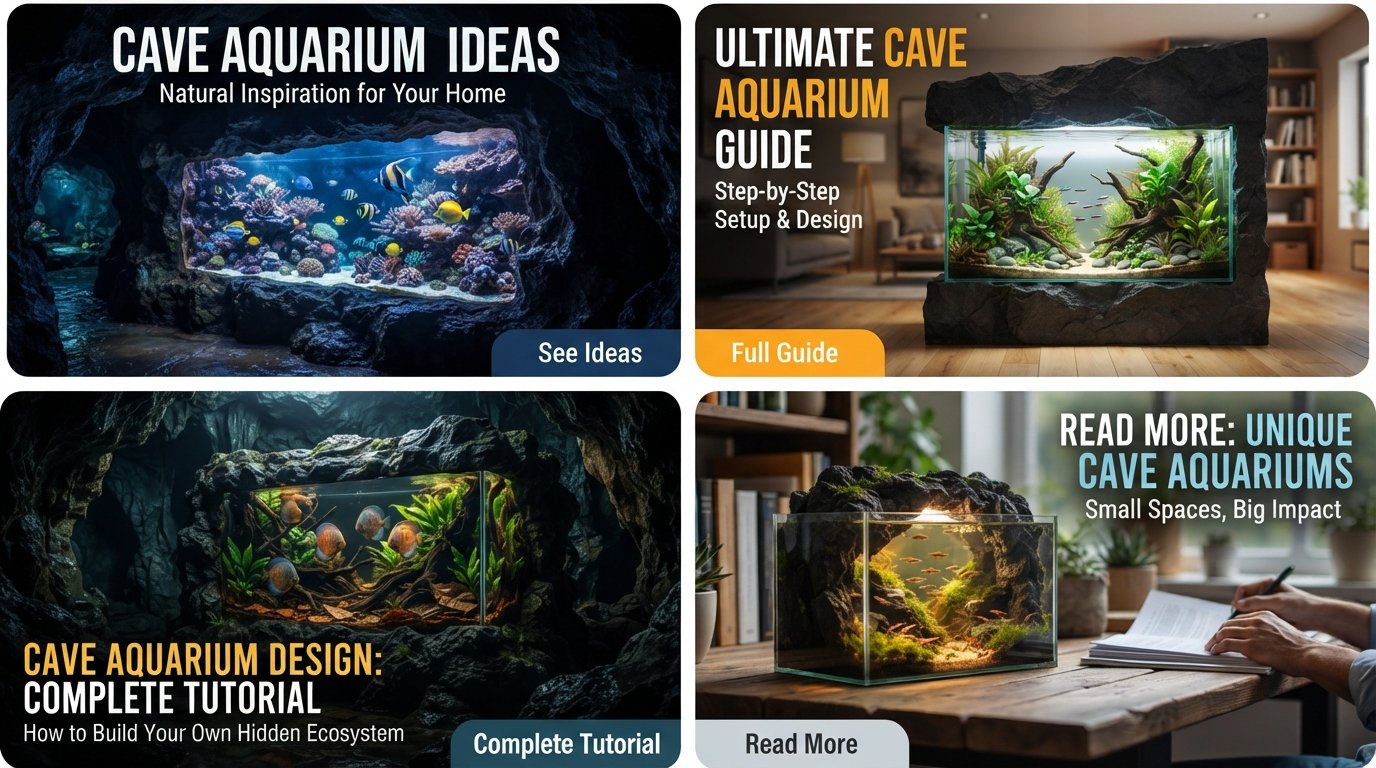
A cave aquarium is a beautifully designed fish tank that features caves, tunnels, rocky formations, and hidden shelters to mimic natural underwater environments. Cave aquariums not only create an eye-catching display but also provide fish with secure hiding places that reduce stress and encourage natural behavior.
Whether you’re setting up a freshwater community tank, a cichlid aquarium, or a shrimp habitat, a cave-themed aquarium can become the centerpiece of your home.
What Is a Cave Aquarium?
A cave aquarium is an aquarium designed around natural-looking caves and rock formations. These caves may be created using natural stones, driftwood, ceramic decorations, or aquarium-safe ornaments.
A well-designed cave aquarium typically includes:
- Rock caves
- Stone tunnels
- Driftwood shelters
- Live plants
- Sand or gravel substrate
- Open swimming areas
The combination creates a realistic underwater landscape that resembles rivers, lakes, or rocky coastlines.
Why Build a Cave Aquarium?
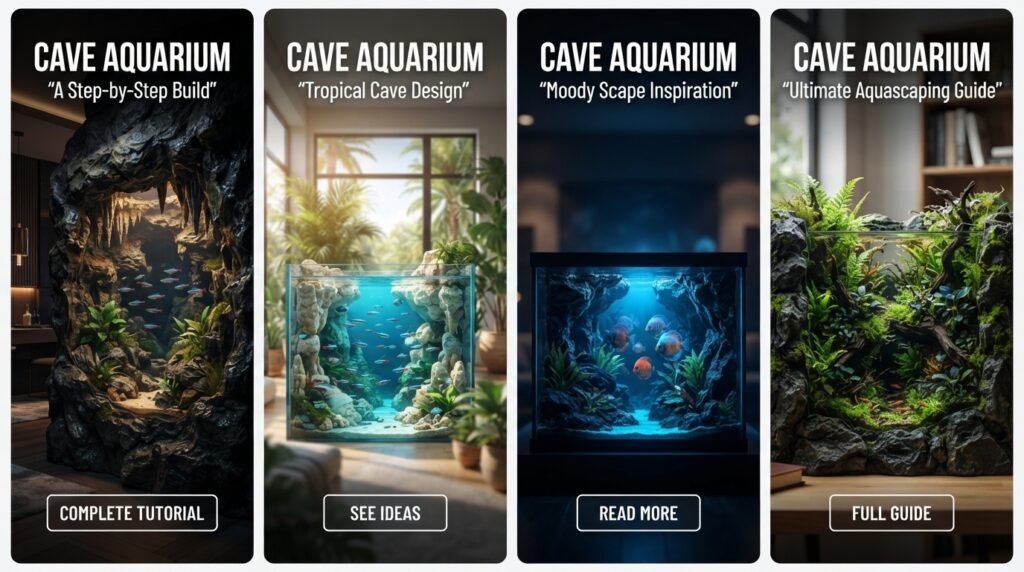
A cave aquarium offers several advantages:
- Creates a natural appearance
- Provides hiding places for fish
- Reduces stress and aggression
- Encourages natural behavior
- Adds depth and dimension to the aquascape
- Makes the aquarium more visually appealing
Many fish species naturally seek shelter among rocks and caves, making this style both attractive and practical.
Choosing the Right Aquarium Size
Small Cave Aquarium (10–20 Gallons)
Suitable for:
- Bettas
- Shrimp
- Small community fish
- Nano aquascapes
Medium Cave Aquarium (20–55 Gallons)
Perfect for:
- Community aquariums
- Planted cave layouts
- Beginner aquascaping projects
Large Cave Aquarium (75 Gallons and Above)
Ideal for:
- African cichlids
- Large rock formations
- Multiple caves and tunnels
Larger aquariums allow for more elaborate cave designs.
Best Materials for Building Aquarium Caves
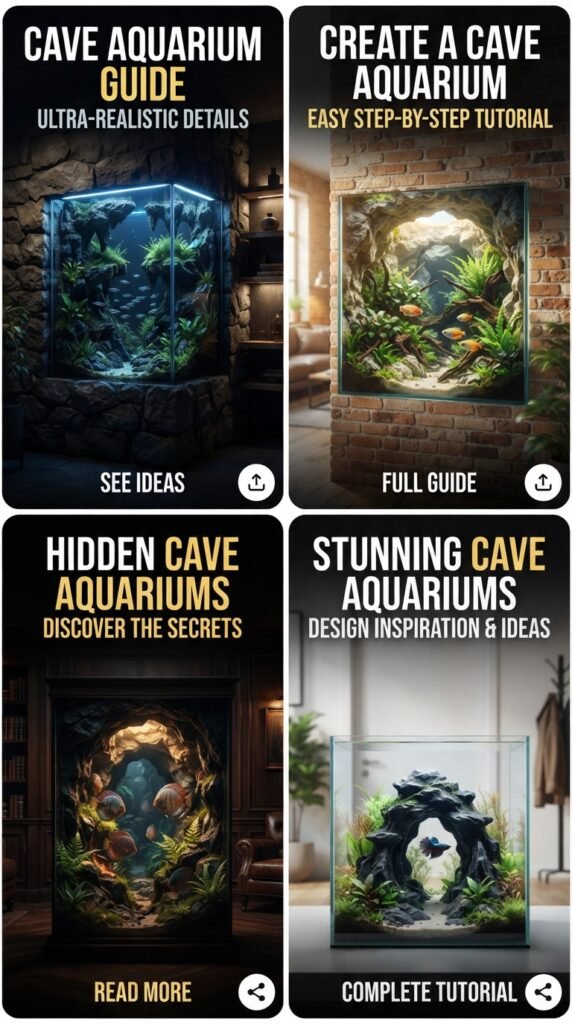
Natural Rocks
Popular choices include:
- Dragon Stone
- Lava Rock
- Slate
- River Rock
Ensure rocks are aquarium-safe and securely positioned.
Driftwood
Driftwood creates natural-looking caves and arches while adding texture to the layout.
Ceramic Caves
Pre-made ceramic caves are safe, durable, and available in many shapes and sizes.
Resin Decorations
High-quality aquarium-safe resin caves can replicate ancient ruins, tree roots, or rocky cliffs.
Best Substrate
Suitable substrates include:
- Fine sand
- Natural gravel
- Aquasoil for planted tanks
Choose a substrate that complements the overall theme.
Best Plants for a Cave Aquarium
Live plants soften the appearance of rocks and create a more natural environment.
Popular choices include:
- Java Fern
- Anubias
- Java Moss
- Bucephalandra
- Amazon Sword
- Cryptocoryne
- Vallisneria
Attach epiphytic plants like Anubias and Java Fern directly to rocks or driftwood for a seamless look.
Cave Aquarium Design Ideas
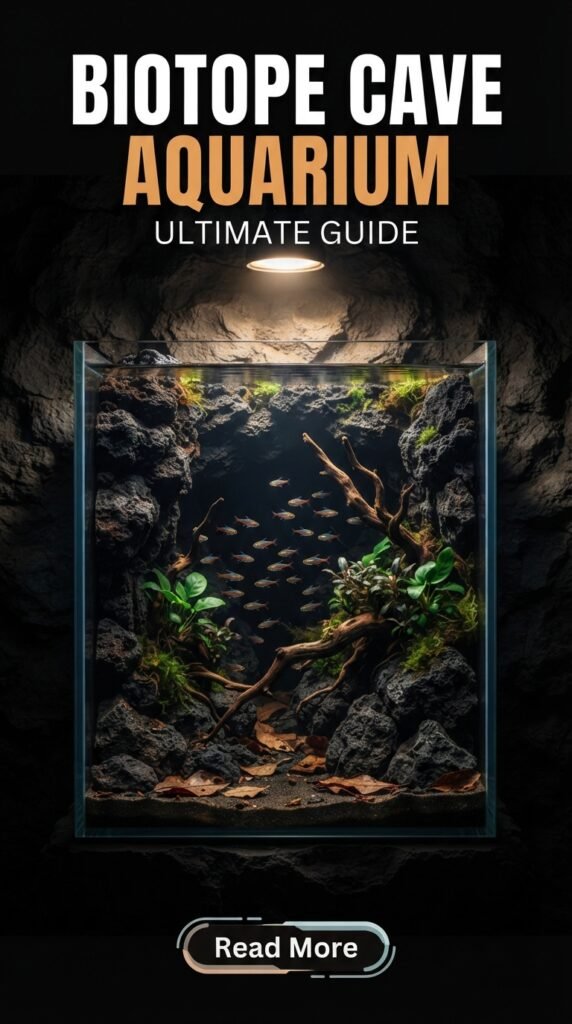
Rocky Mountain Cave
Features:
- Large stacked rocks
- Multiple hiding places
- Sandy foreground
Driftwood Cave
Use twisted driftwood to create natural arches and tunnels.
Jungle Cave Aquarium
Combine dense plants with hidden caves for a lush, tropical appearance.
Stone Arch Layout
Create dramatic archways that fish can swim through.
Ancient Ruins Theme
Decorate with cave-like temple ruins, broken columns, and stone pathways.
Best Fish for a Cave Aquarium
Many fish appreciate caves and sheltered areas.
Excellent choices include:
- Corydoras Catfish
- Bristlenose Plecos
- Kuhli Loaches
- Kribensis
- Apistogramma
- African Cichlids
- Rainbowfish
- Tetras
- Gouramis
Research compatibility before combining different species.
Shrimp and Bottom Dwellers
Cave aquariums are also excellent for:
- Cherry Shrimp
- Amano Shrimp
- Nerite Snails
- Mystery Snails
These animals often use caves as resting places while helping keep the aquarium clean.
Lighting Ideas
Proper lighting enhances the beauty of caves.
Popular options include:
- Full-spectrum LED lights
- Soft white lighting
- Adjustable brightness
- Blue moonlight mode
Use lighting to create highlights while leaving some shaded areas for a more natural effect.
Building a Safe Cave Structure
Follow these tips:
- Place large rocks directly on the aquarium base before adding substrate.
- Use aquarium-safe adhesive if stacking rocks.
- Test the stability of all structures.
- Leave enough room for fish to swim through caves safely.
- Avoid sharp edges that could injure fish.
Safety should always come before appearance.
Maintenance Tips
Remove Debris
Use a gravel vacuum to clean around cave entrances.
Trim Plants
Prevent plants from blocking cave openings.
Clean Algae
Gently clean rocks and decorations without disturbing beneficial bacteria.
Test Water Quality
Maintain stable water parameters with regular testing.
Inspect Cave Stability
Check rock formations periodically to ensure they remain secure.
Common Mistakes to Avoid
Unstable Rock Stacks
Loose rocks can collapse and damage the aquarium or injure fish.
Too Many Decorations
Leave open swimming areas between caves.
Using Unsafe Materials
Only use aquarium-safe rocks, wood, and decorations.
Poor Water Circulation
Ensure water flows through and around cave areas to prevent debris buildup.
Ignoring Fish Behavior
Provide enough caves so territorial species can establish their own spaces.
Best Rooms for a Cave Aquarium
A cave aquarium looks beautiful in:
- Living rooms
- Home offices
- Bedrooms
- Entryways
- Waiting rooms
Its natural rock formations create a calming and sophisticated display.
Benefits of a Cave Aquarium
A cave aquarium provides many advantages:
- Natural-looking aquascape
- Comfortable shelter for fish
- Reduced stress and aggression
- Attractive underwater landscape
- Endless design possibilities
- Suitable for many freshwater species
It combines functionality with artistic aquascaping.
Conclusion
A cave aquarium is an excellent choice for aquarists who want to recreate the beauty of rocky underwater habitats. By combining natural stones, driftwood, live plants, and carefully selected fish, you can build a peaceful and visually striking aquarium that supports healthy fish behavior.
Whether you prefer a minimalist rock layout or a lush jungle cave, a thoughtfully designed cave aquarium will become a stunning focal point in your home.
Frequently Asked Questions
What is a cave aquarium?
A cave aquarium is a fish tank designed with caves, tunnels, and rocky shelters that mimic natural underwater habitats.
Are caves good for aquarium fish?
Yes. Many fish species use caves to hide, rest, breed, or establish territories, which can reduce stress.
What materials are safe for aquarium caves?
Aquarium-safe natural rocks, driftwood, ceramic caves, and resin decorations are all suitable options.
Which fish benefit most from caves?
Corydoras, plecos, loaches, dwarf cichlids, and many other bottom-dwelling or territorial fish enjoy cave structures.
Can I use live plants in a cave aquarium?
Absolutely. Plants such as Java Fern, Anubias, Java Moss, and Cryptocoryne complement cave layouts beautifully.
How do I keep cave structures stable?
Place heavy rocks directly on the aquarium base, use aquarium-safe adhesive if needed, and always test the stability of the structure before adding fish.