
 By admin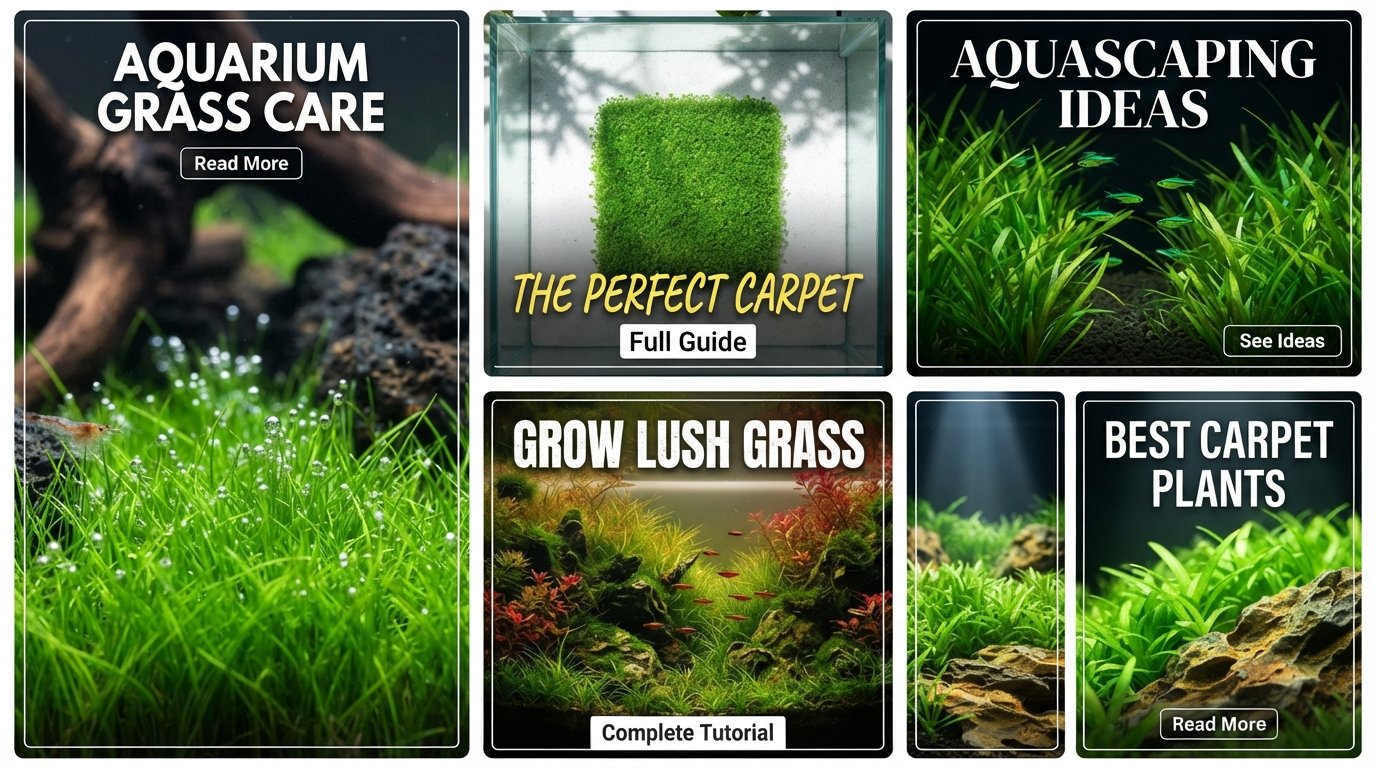
Aquarium grass is one of the most popular choices for creating a lush, natural-looking aquascape. It forms a green carpet across the bottom of the aquarium, giving your tank the appearance of an underwater meadow. Whether you’re designing a nature aquarium, Iwagumi layout, or a modern planted tank, aquarium grass adds depth, texture, and beauty to the landscape.
This guide covers the best types of aquarium grass, planting techniques, care requirements, and maintenance tips to help you grow a healthy underwater lawn.
What Is Aquarium Grass?
Aquarium grass refers to low-growing aquatic plants that spread across the substrate, creating a carpet-like effect. These plants are commonly used in aquascaping to mimic natural grass fields or riverbeds.
Aquarium grass can be used in:
- Freshwater planted aquariums
- Nature aquascapes
- Iwagumi layouts
- Nano aquariums
- Shrimp tanks
- Community aquariums
A well-maintained carpet creates a professional and visually appealing aquarium.
Benefits of Aquarium Grass
Adding aquarium grass offers many advantages:
- Creates a natural underwater landscape
- Enhances the beauty of aquascapes
- Provides shelter for shrimp and small fish
- Helps reduce algae by competing for nutrients
- Improves oxygen production
- Makes aquariums appear larger and more vibrant
Best Types of Aquarium Grass
Dwarf Hairgrass
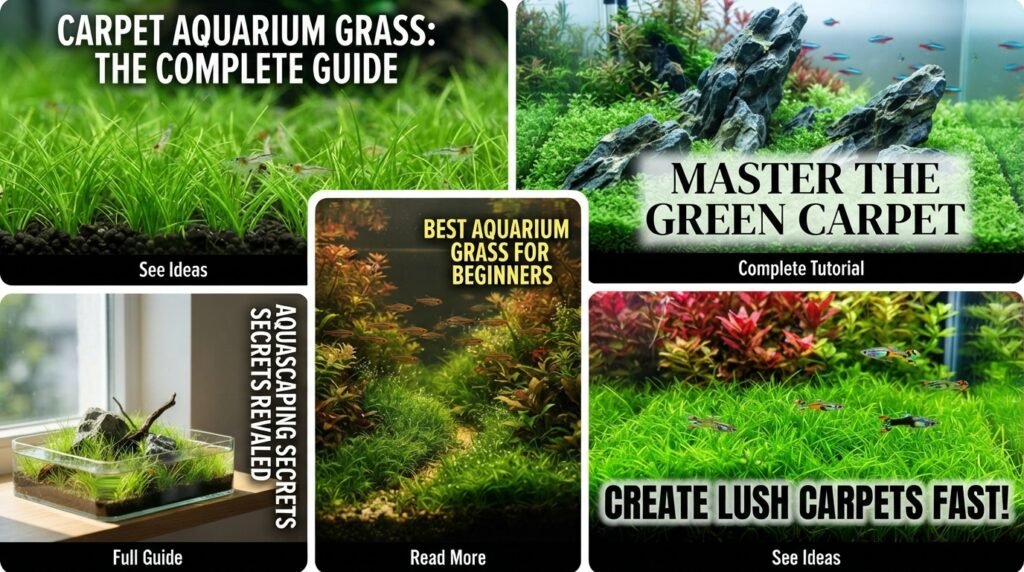
One of the most popular carpeting plants, Dwarf Hairgrass produces thin, grass-like leaves that create a soft, lawn-like appearance.
Features:
- Bright green color
- Forms dense carpets
- Suitable for beginners with proper lighting
Monte Carlo
Monte Carlo is a low-growing carpeting plant with small, rounded leaves.
Benefits:
- Easy to spread
- Creates a thick carpet
- Less demanding than some other carpeting plants
Dwarf Sagittaria
Dwarf Sagittaria resembles short grass and grows well in many freshwater aquariums.
Advantages:
- Hardy
- Fast-growing
- Beginner-friendly
Micro Sword
Micro Sword produces narrow green leaves and forms an attractive carpet under suitable conditions.
Glossostigma
Glossostigma is a favorite among experienced aquascapers for creating vibrant green carpets.
It requires:
- Strong lighting
- Good nutrient availability
- Consistent maintenance
Helanthium tenellum (Pygmy Chain Sword)
This plant forms grassy clusters and spreads through runners.
It works well in:
- Community aquariums
- Natural aquascapes
- Medium-sized planted tanks
Choosing the Right Substrate
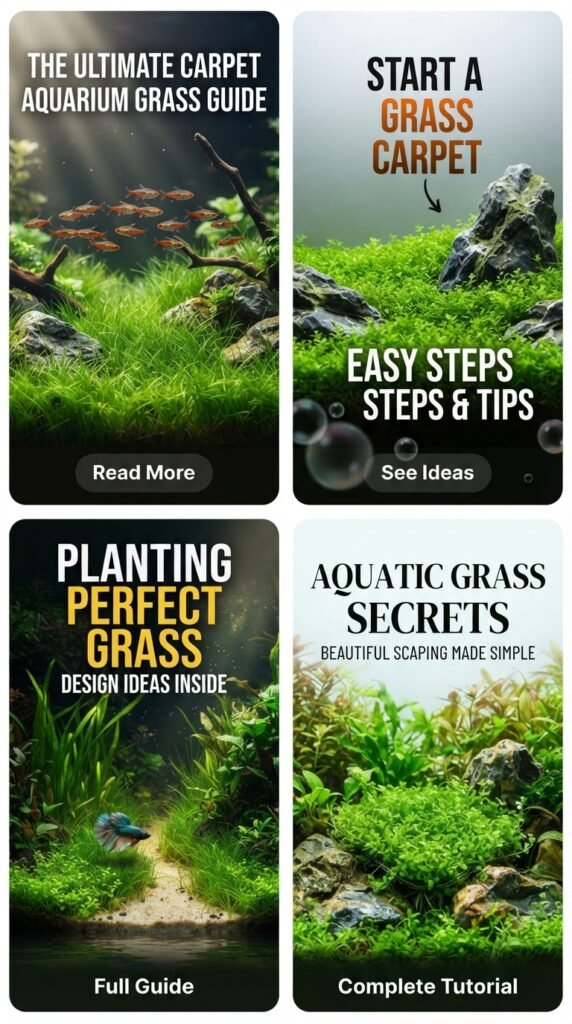
Healthy aquarium grass begins with the proper substrate.
Popular options include:
- Nutrient-rich aquasoil
- Fine aquarium gravel
- Specialized planted tank substrate
- Fine sand with root fertilizers
Nutrient-rich substrates encourage faster growth and stronger root development.
Lighting Requirements
Most aquarium grass plants require moderate to high lighting.
Recommended lighting:
- Full-spectrum LED aquarium lights
- 6–8 hours of light daily
- Adjustable intensity for planted tanks
Too little light can result in slow growth and sparse carpets.
CO₂ Requirements
Some aquarium grass species grow without additional carbon dioxide, while others thrive with CO₂ injection.
Plants that often benefit from CO₂ include:
- Dwarf Hairgrass
- Glossostigma
- Monte Carlo
CO₂ can encourage denser, faster growth and healthier coloration.
Fertilization
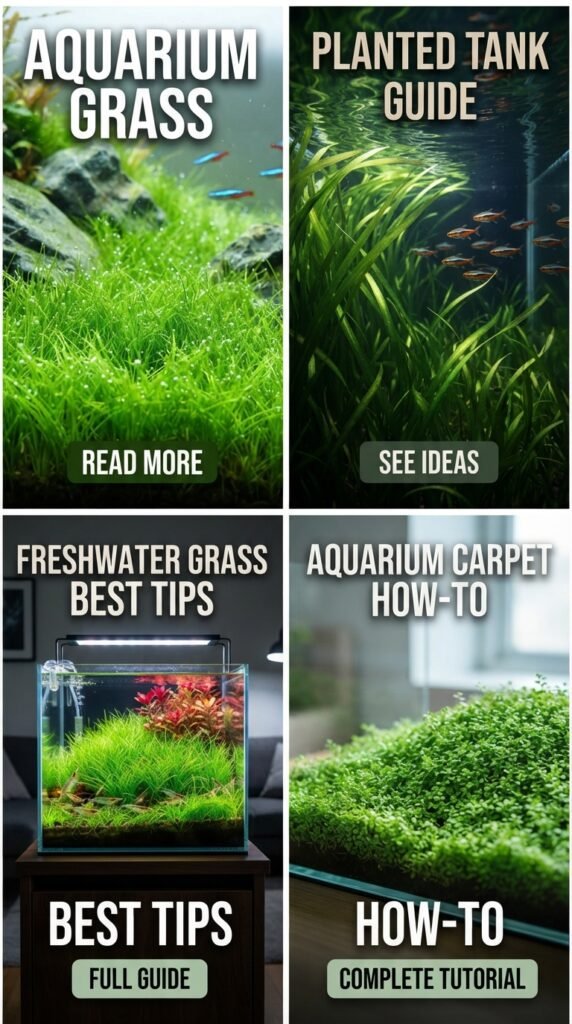
Healthy carpets require balanced nutrients.
Use:
- Liquid fertilizers
- Root tabs
- Comprehensive plant fertilizers
Essential nutrients include:
- Nitrogen
- Phosphorus
- Potassium
- Iron
- Trace elements
Follow the manufacturer’s dosing recommendations to avoid nutrient imbalances.
How to Plant Aquarium Grass
Step 1: Prepare the Substrate
Level the substrate and moisten it slightly if planting before filling the tank.
Step 2: Divide the Plant
Separate the plant into small portions to encourage even spreading.
Step 3: Plant Each Section
Use aquascaping tweezers to insert small clumps into the substrate, spacing them about 1–2 inches (2.5–5 cm) apart.
Step 4: Fill the Aquarium Carefully
Pour water slowly to avoid disturbing the newly planted grass.
Step 5: Provide Proper Care
Maintain consistent lighting, fertilization, and water quality while the carpet establishes.
Best Fish for Grass Aquariums
Aquarium grass pairs well with peaceful species such as:
- Neon Tetras
- Ember Tetras
- Harlequin Rasboras
- Corydoras Catfish
- Otocinclus Catfish
- Guppies
- Celestial Pearl Danios
These fish complement planted aquariums without damaging the carpet.
Shrimp-Friendly Carpet Plants
Carpet plants create excellent habitats for freshwater shrimp.
Popular shrimp include:
- Cherry Shrimp
- Amano Shrimp
- Blue Dream Shrimp
- Crystal Red Shrimp
The dense growth provides shelter and grazing surfaces.
Maintenance Tips
Trim Regularly
Cut overgrown grass to maintain an even carpet and encourage horizontal growth.
Remove Debris
Use a gravel vacuum carefully to remove waste without uprooting the plants.
Monitor Nutrients
Watch for yellowing or slow growth, which may indicate nutrient deficiencies.
Control Algae
Maintain balanced lighting and nutrient levels to minimize algae.
Perform Weekly Water Changes
Regular water changes support healthy plant growth and water quality.
Common Mistakes to Avoid
Using Insufficient Lighting
Most carpeting plants require adequate light to spread properly.
Planting Large Clumps
Smaller portions establish more evenly and create a denser carpet.
Neglecting Trimming
Untrimmed plants may grow upward instead of spreading.
Overfertilizing
Excess nutrients can encourage algae growth.
Choosing Incompatible Fish
Avoid fish that dig extensively or uproot plants.
Aquarium Design Ideas
Nature Aquascape
Combine aquarium grass with:
- Driftwood
- Smooth stones
- Moss-covered rocks
Iwagumi Layout
Use a minimalist arrangement of stones surrounded by a lush green carpet.
Forest Aquascape
Create the illusion of miniature trees using driftwood with moss above a grassy foreground.
Riverbank Theme
Mix sand, rounded stones, and carpeting plants to mimic a natural stream.
Benefits of Aquarium Grass
Aquarium grass provides numerous advantages:
- Creates a lush, professional-looking aquascape
- Offers shelter for small fish and shrimp
- Improves the natural appearance of the aquarium
- Enhances oxygen production
- Helps maintain a balanced ecosystem
- Adds depth and visual interest
A healthy carpet can transform an ordinary aquarium into a stunning underwater landscape.
Conclusion
Aquarium grass is an essential element in many planted aquariums, offering both beauty and practical benefits. Whether you choose Dwarf Hairgrass, Monte Carlo, Dwarf Sagittaria, or another carpeting plant, proper lighting, nutrients, and maintenance are key to achieving a lush green carpet.
With patience and consistent care, your aquarium grass will develop into a vibrant underwater lawn that enhances the overall health and appearance of your aquarium.
Frequently Asked Questions
What is the easiest aquarium grass for beginners?
Dwarf Sagittaria and Monte Carlo are often recommended because they are relatively easy to grow under suitable conditions.
Does aquarium grass need CO₂?
Some species grow without CO₂, but many develop denser and healthier carpets when additional carbon dioxide is provided.
How long does aquarium grass take to spread?
Growth depends on the species and conditions, but many carpeting plants begin spreading within several weeks.
Can aquarium grass grow in gravel?
Yes, although nutrient-rich planted substrates generally produce better results. Root tabs can help when using gravel.
Which fish are safe with aquarium grass?
Peaceful species such as tetras, rasboras, corydoras, guppies, and otocinclus are excellent choices.
How often should aquarium grass be trimmed?
Trim the carpet whenever it becomes too tall or uneven, typically every few weeks depending on the growth rate and species.