
 By admin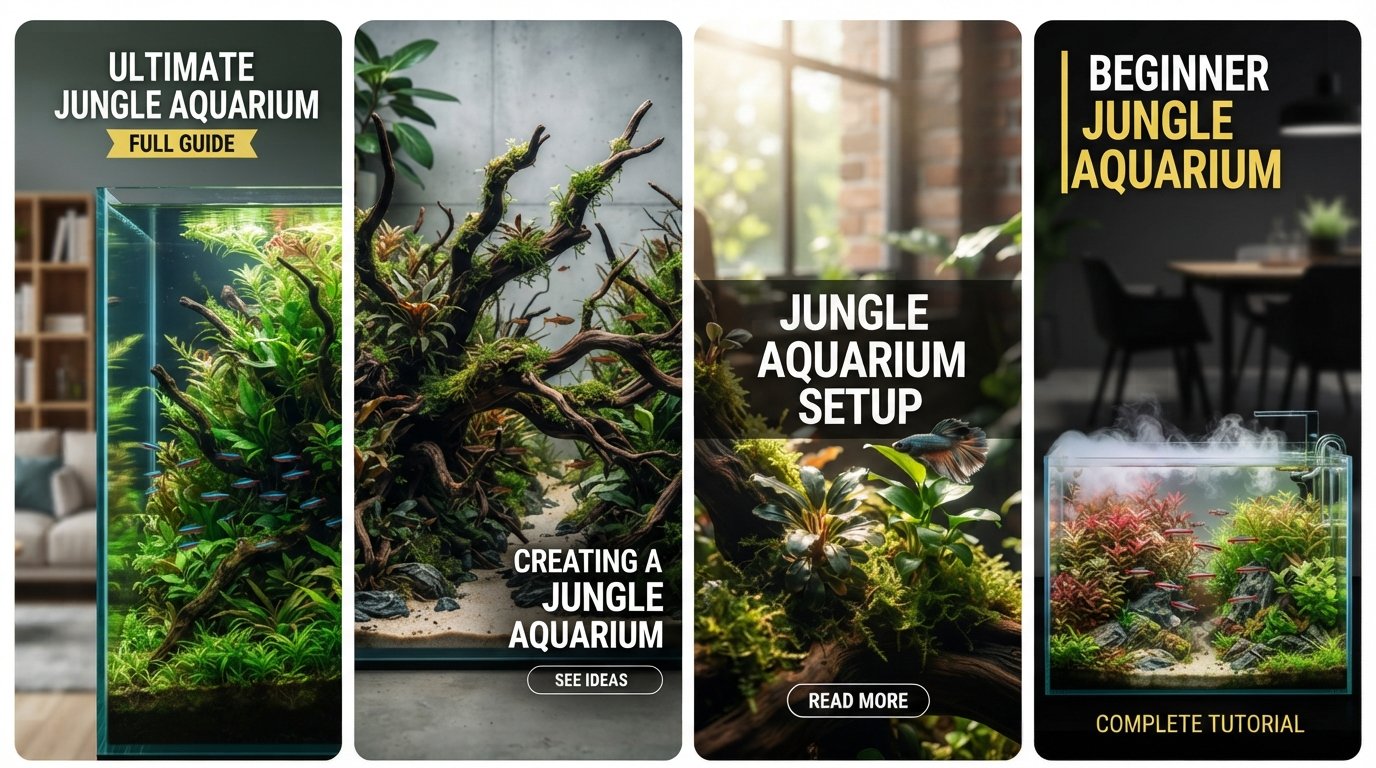
A jungle aquarium is a densely planted freshwater aquarium designed to resemble the rich vegetation of tropical rivers and rainforests. Unlike minimalist aquascapes, a jungle aquarium embraces abundant plant growth, natural driftwood, rocks, and thriving aquatic life to create a vibrant underwater ecosystem.
Whether you’re a beginner or an experienced aquascaper, a jungle aquarium offers a beautiful, natural habitat that benefits both plants and fish while becoming a stunning centerpiece in your home.
What Is a Jungle Aquarium?
A jungle aquarium is a planted aquarium filled with a variety of aquatic plants that grow freely, creating a lush, layered landscape. The design mimics the appearance of tropical waterways where vegetation is dense and diverse.
A typical jungle aquarium includes:
- Tall background plants
- Midground foliage
- Carpet plants
- Natural driftwood
- Aquarium-safe rocks
- Leaf litter (optional)
- Peaceful tropical fish
The result is a vibrant, living underwater forest.
Why Choose a Jungle Aquarium?
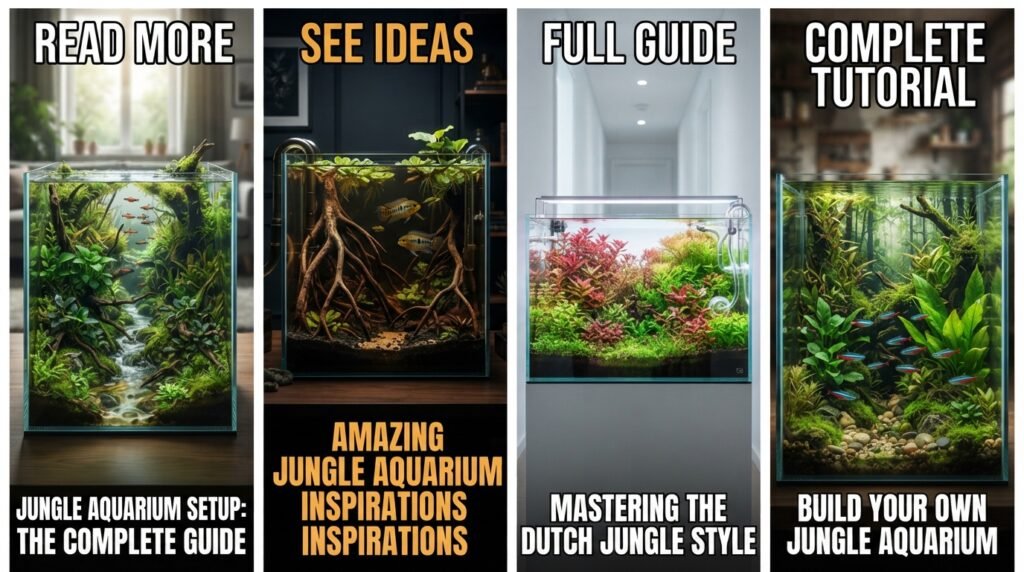
A jungle aquarium offers many benefits:
- Creates a natural and relaxing environment
- Provides shelter for fish and shrimp
- Supports a healthy biological ecosystem
- Enhances oxygen production
- Reduces stress in many fish species
- Offers endless aquascaping possibilities
Its wild, natural appearance makes every aquarium unique.
Choosing the Right Aquarium Size
Small Jungle Aquarium (10–20 Gallons)
Perfect for:
- Nano aquascapes
- Shrimp tanks
- Compact planted displays
Medium Jungle Aquarium (20–55 Gallons)
Ideal for:
- Community fish
- Layered plant arrangements
- Beginner planted tanks
Large Jungle Aquarium (75 Gallons and Above)
Suitable for:
- Large schools of fish
- Extensive plant collections
- Complex aquascapes
Larger tanks provide greater stability and more room for plant growth.
Best Plants for a Jungle Aquarium
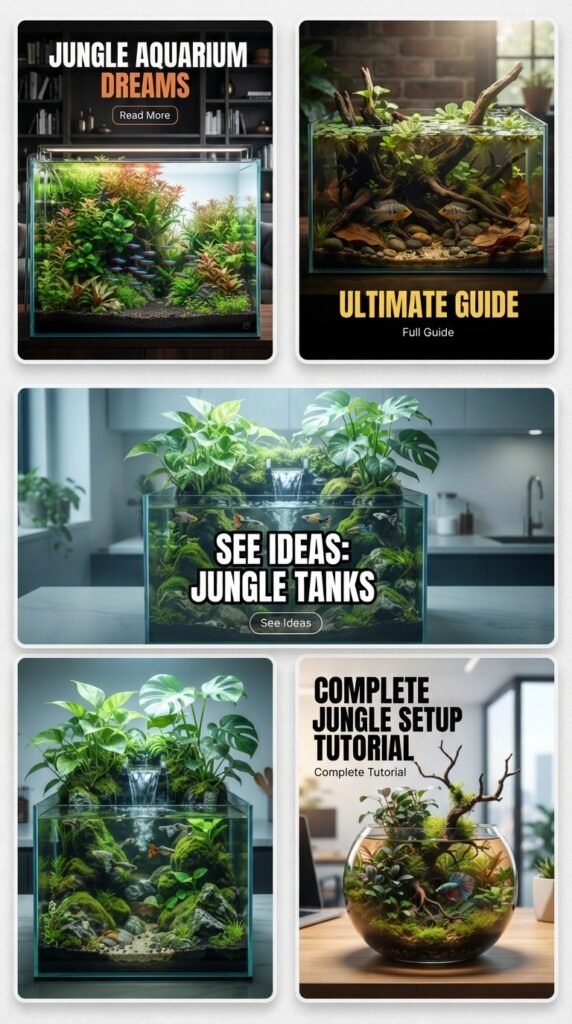
A successful jungle aquarium combines plants of different heights and textures.
Background Plants
Popular choices include:
- Vallisneria
- Amazon Sword
- Water Wisteria
- Hygrophila corymbosa
- Limnophila sessiliflora
These tall plants create the backdrop of the underwater forest.
Midground Plants
Excellent options include:
- Cryptocoryne
- Anubias
- Bucephalandra
- Java Fern
These plants add depth and variety.
Foreground Plants
Use carpeting or low-growing species such as:
- Monte Carlo
- Dwarf Hairgrass
- Dwarf Sagittaria
- Marsilea hirsuta
These plants create a lush green foreground.
Floating Plants
Floating plants provide shade and a natural appearance.
Popular options include:
- Amazon Frogbit
- Red Root Floaters
- Salvinia
- Water Lettuce
Use them in moderation to prevent excessive shading.
Hardscape Ideas
Driftwood
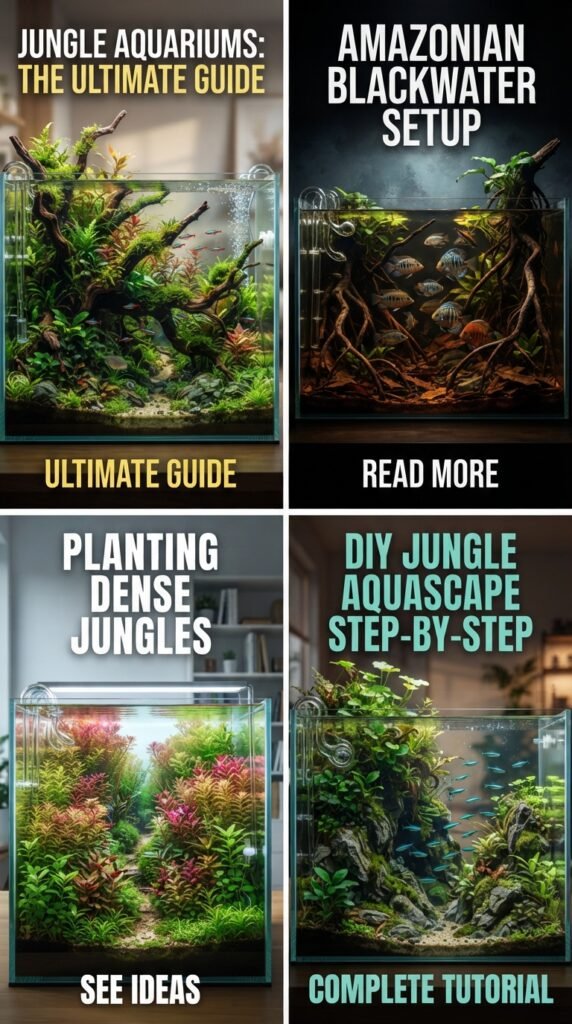
Branching driftwood resembles tree roots extending into the water.
Natural Rocks
Smooth stones and textured rocks add contrast and structure.
Leaf Litter
Indian almond leaves or other aquarium-safe leaf litter create a rainforest stream appearance while providing hiding places for small aquatic animals.
Best Fish for a Jungle Aquarium
Choose peaceful tropical fish that appreciate planted environments.
Popular species include:
- Neon Tetras
- Cardinal Tetras
- Ember Tetras
- Harlequin Rasboras
- Rummy Nose Tetras
- Honey Gouramis
- Pearl Gouramis
- Corydoras Catfish
- Otocinclus Catfish
These fish complement the natural setting without damaging the plants.
Shrimp and Invertebrates
A jungle aquarium is an excellent habitat for:
- Cherry Shrimp
- Amano Shrimp
- Blue Dream Shrimp
- Nerite Snails
- Mystery Snails
Dense vegetation provides shelter and grazing surfaces.
Choosing the Right Substrate
Healthy plants begin with a quality substrate.
Suitable options include:
- Nutrient-rich aquasoil
- Fine gravel with root tabs
- Specialized planted tank substrate
A fertile substrate encourages strong root development and lush growth.
Lighting Requirements
Most jungle aquariums require moderate to high lighting.
Recommended setup:
- Full-spectrum LED lighting
- 6–8 hours of light daily
- Adjustable brightness for plant growth
Balance lighting with nutrient availability to help prevent algae.
CO₂ and Fertilization
Many jungle aquariums can thrive without added CO₂, especially when using hardy plants. However, CO₂ injection can improve growth and coloration in more demanding species.
For healthy plants, provide:
- Comprehensive liquid fertilizers
- Root tabs for heavy root feeders
- Consistent nutrient dosing
Follow the manufacturer’s instructions to avoid nutrient imbalances.
Aquarium Layout Ideas
Tropical River
Combine driftwood, tall plants, and open swimming areas.
Underwater Forest
Use branching wood covered with moss to resemble submerged trees.
Jungle Stream
Mix smooth stones, sand, and dense vegetation to recreate a rainforest creek.
Natural Community Tank
Blend plants of varying heights with peaceful schooling fish for a balanced ecosystem.
Maintenance Tips
Trim Plants Regularly
Prune fast-growing plants to maintain a balanced layout.
Perform Weekly Water Changes
Routine water changes help maintain excellent water quality.
Remove Dead Leaves
Trim unhealthy foliage to encourage new growth.
Clean the Glass
Remove algae without disturbing beneficial bacteria.
Monitor Water Parameters
Check temperature, pH, and nutrient levels regularly.
Common Mistakes to Avoid
Planting Too Closely
Leave room for plants to grow and spread naturally.
Using Inadequate Lighting
Most aquatic plants require sufficient light to thrive.
Overcrowding Fish
Maintain appropriate stocking levels to protect water quality.
Ignoring Plant Maintenance
Regular trimming prevents excessive overgrowth.
Overfertilizing
Too many nutrients can contribute to algae growth.
Best Locations for a Jungle Aquarium
A jungle aquarium creates a striking display in:
- Living rooms
- Home offices
- Bedrooms
- Reception areas
- Study rooms
Its lush greenery adds life and tranquility to any space.
Benefits of a Jungle Aquarium
A jungle aquarium offers numerous advantages:
- Rich natural appearance
- Healthy habitat for fish and shrimp
- Improved water quality through live plants
- Endless aquascaping creativity
- Relaxing visual experience
- Dynamic ecosystem that evolves over time
Each aquarium develops its own unique character as the plants mature.
Conclusion
A jungle aquarium brings the beauty of a tropical rainforest beneath the water’s surface. By combining lush aquatic plants, natural driftwood, peaceful fish, and thoughtful maintenance, you can create a thriving ecosystem that is both beautiful and rewarding.
Whether you prefer a compact planted tank or a large community aquarium, a jungle-style aquascape offers a timeless and captivating underwater landscape.
Frequently Asked Questions
What is a jungle aquarium?
A jungle aquarium is a densely planted freshwater aquarium designed to resemble the lush vegetation of tropical rivers and rainforests.
Is a jungle aquarium suitable for beginners?
Yes. By selecting hardy plants and peaceful fish, beginners can successfully create and maintain a jungle aquarium.
Which plants are best for a jungle aquarium?
Amazon Sword, Vallisneria, Java Fern, Anubias, Cryptocoryne, Bucephalandra, Water Wisteria, and Monte Carlo are all excellent choices.
Do jungle aquariums require CO₂?
Not always. Many hardy plants grow well without CO₂, though supplemental CO₂ can improve growth for more demanding species.
Which fish thrive in a jungle aquarium?
Neon tetras, rasboras, gouramis, corydoras, otocinclus, and many other peaceful tropical fish are ideal.
How often should I trim the plants?
Trim fast-growing plants whenever they become overgrown or block light, typically every few weeks depending on the species and growth conditions.