
 By admin
A giant aquarium is the ultimate centerpiece for homes, offices, hotels, restaurants, and public spaces. With its massive size, breathtaking aquatic displays, and endless aquascaping possibilities, a giant aquarium creates a living underwater world that captivates everyone who sees it. Whether you’re planning a luxury freshwater setup, a thriving reef tank, or a custom-built installation, proper planning and maintenance are essential for long-term success.
This guide covers everything you need to know about designing, setting up, and maintaining a giant aquarium.
What Is a Giant Aquarium?
A giant aquarium is typically any aquarium that holds 300 gallons (1,135 liters) or more, although many custom installations exceed 1,000 gallons. These aquariums are designed to accommodate larger fish, elaborate aquascapes, and advanced filtration systems while creating an impressive visual statement.
Common giant aquarium sizes include:
- 300 gallons
- 500 gallons
- 750 gallons
- 1,000 gallons
- 2,000 gallons or more
The larger the aquarium, the more opportunities there are for creative design and diverse aquatic life.
Benefits of a Giant Aquarium
Large aquariums provide several advantages over smaller tanks.
Benefits include:
- Stunning visual impact
- More stable water conditions
- Greater swimming space for fish
- Ability to keep larger species
- Endless aquascaping possibilities
- Enhanced home or commercial décor
- Reduced stress for many fish due to increased space
With proper care, a giant aquarium becomes a long-lasting living display.
Choosing the Right Location
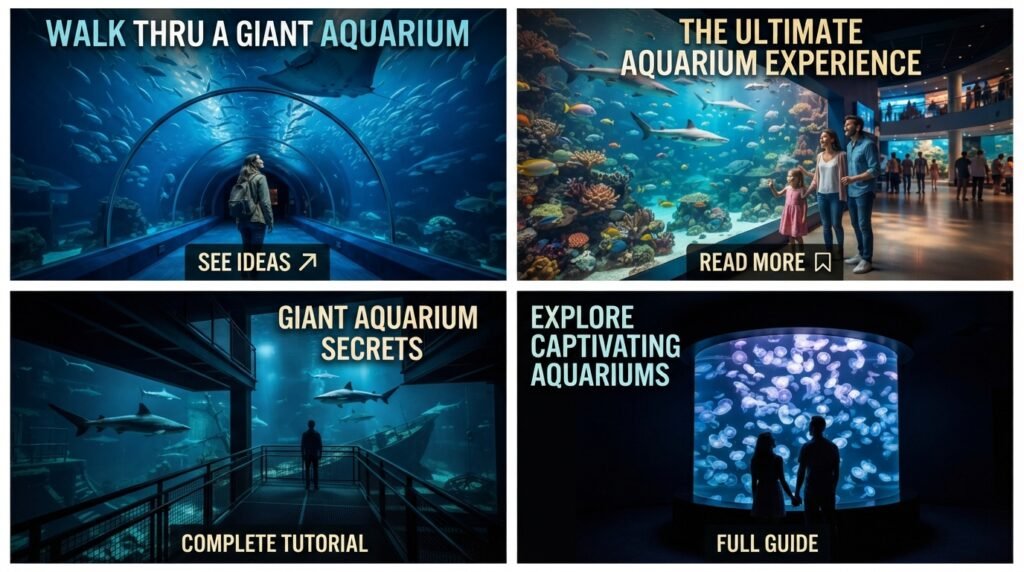
Selecting the right location is one of the most important decisions.
Ideal locations include:
- Living rooms
- Hotel lobbies
- Office reception areas
- Restaurants
- Luxury homes
- Commercial buildings
Before installation, consider:
- Floor load capacity
- Access for maintenance
- Electrical outlets
- Water supply and drainage
- Room temperature
- Viewing angles
Very large aquariums may require structural reinforcement and professional installation.
Freshwater or Saltwater?
Giant Freshwater Aquarium
Freshwater systems are generally easier to maintain and less expensive.
Popular inhabitants include:
- Discus
- Angelfish
- Rainbowfish
- Silver Dollars
- Large Plecos
- Geophagus
- Corydoras
Giant Saltwater Aquarium
Marine aquariums offer spectacular colors and reef ecosystems.
Popular inhabitants include:
- Clownfish
- Tangs
- Angelfish
- Butterflyfish
- Wrasses
- Gobies
- Reef-safe invertebrates
Saltwater aquariums require more specialized equipment and consistent water chemistry.
Essential Equipment
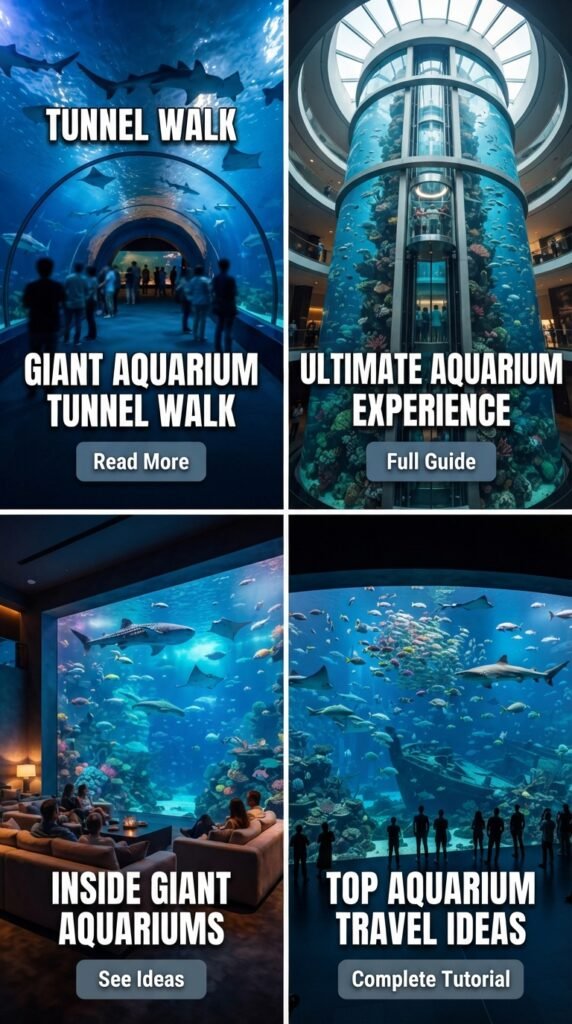
A giant aquarium requires reliable, high-capacity equipment.
Essential components include:
- Large filtration system or sump
- Protein skimmer (for marine aquariums)
- High-flow circulation pumps
- Aquarium heaters
- LED lighting
- Automatic top-off system (especially for marine tanks)
- Water testing kits
- Thermometers
Choose equipment rated for the aquarium’s total water volume.
Filtration
Strong filtration is critical.
Common options include:
- Large canister filters
- Sump filtration systems
- Biological media
- Mechanical filtration
- Chemical filtration when needed
Good filtration helps maintain clear water and healthy aquatic life.
Aquascaping Ideas
Nature Aquarium
Use driftwood, stones, and lush aquatic plants to create a realistic river landscape.
Rocky Aquascape
Arrange large rocks to resemble underwater mountains or cliffs.
Jungle Aquarium
Fill the aquarium with dense vegetation, creating a tropical underwater forest.
Reef Aquarium
Combine live rock, colorful corals, and marine fish for a vibrant ocean ecosystem.
Best Plants for Giant Freshwater Aquariums
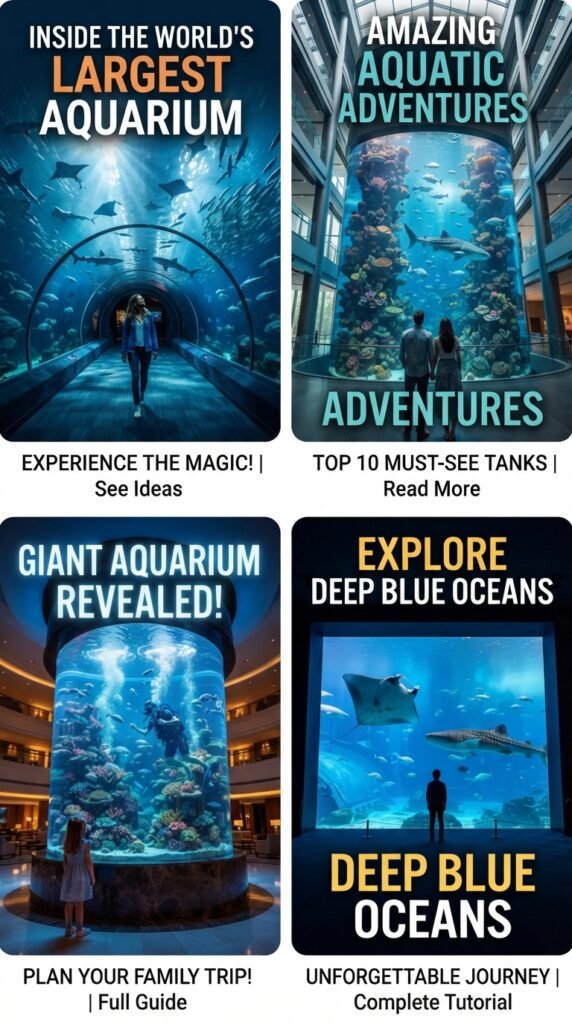
Large aquariums provide plenty of room for impressive plant growth.
Excellent choices include:
- Amazon Sword
- Vallisneria
- Java Fern
- Anubias
- Water Wisteria
- Bucephalandra
- Cryptocoryne
Mix tall background plants with midground and foreground species for depth.
Best Fish for Giant Aquariums
Suitable freshwater fish include:
- Discus
- Angelfish
- Rainbowfish
- Congo Tetras
- Severums
- Geophagus
- Corydoras Catfish
Suitable saltwater fish include:
- Clownfish
- Tangs
- Foxface Rabbitfish
- Royal Gramma
- Blennies
- Cardinalfish
- Wrasses
Always select compatible species with similar environmental needs.
Lighting
Lighting depends on the aquarium’s purpose.
Fish-Only Aquarium
Standard LED lighting highlights fish colors and improves visibility.
Planted Aquarium
Use full-spectrum LEDs that support aquatic plant growth.
Reef Aquarium
High-quality reef lighting is necessary to support healthy coral growth.
Timers help maintain a consistent daily lighting schedule.
Water Parameters
Stable water conditions are essential.
Freshwater
| Parameter | Recommended Range |
|---|---|
| Temperature | 74–80°F (23–27°C) |
| pH | 6.5–7.8 |
| Ammonia | 0 ppm |
| Nitrite | 0 ppm |
| Nitrate | Below 20–40 ppm |
Saltwater
| Parameter | Recommended Range |
|---|---|
| Temperature | 76–80°F (24–27°C) |
| Salinity | 1.023–1.026 |
| pH | 8.1–8.4 |
| Ammonia | 0 ppm |
| Nitrite | 0 ppm |
| Nitrate | As low as practical, especially in reef systems |
Test water regularly to maintain stable conditions.
Maintenance Tips
Perform Regular Water Changes
Replace 10–20% of the water weekly or as needed based on stocking levels and water quality.
Clean Viewing Panels
Remove algae regularly to keep the aquarium clear and attractive.
Service Filtration Equipment
Inspect and clean filters, pumps, and other equipment according to the manufacturer’s recommendations.
Monitor Water Quality
Check temperature and key water parameters on a routine basis.
Trim Plants
Prune overgrown aquatic plants to maintain a balanced aquascape.
Common Mistakes to Avoid
Overstocking the Aquarium
Even giant aquariums have stocking limits.
Using Undersized Equipment
Choose filtration, heaters, and pumps appropriate for the aquarium’s volume.
Neglecting Structural Support
Water is extremely heavy, so ensure the floor and stand can safely support the aquarium.
Introducing Fish Too Quickly
Cycle the aquarium fully before adding fish and stock it gradually.
Skipping Maintenance
Routine care is essential for long-term success.
Design Ideas for Giant Aquariums
Wall Aquarium
A built-in wall aquarium creates a sleek, modern appearance.
Room Divider
Separate two living spaces with a double-sided aquarium.
Floor-to-Ceiling Display
Create a dramatic architectural feature in luxury homes or commercial spaces.
Panoramic Aquarium
Use curved glass for wide-angle viewing and an immersive experience.
Advantages of a Giant Aquarium
A giant aquarium offers numerous benefits:
- Extraordinary visual appeal
- Greater biological stability
- More room for fish and aquascaping
- Flexible design options
- Enhanced interior décor
- Educational and relaxing viewing experience
When designed correctly, it becomes a stunning focal point that can be enjoyed for many years.
Conclusion
A giant aquarium is a remarkable investment that combines aquatic life, engineering, and interior design into one spectacular display. Whether you choose a freshwater planted tank or a colorful marine reef system, success depends on careful planning, quality equipment, and consistent maintenance.
With the right setup, a giant aquarium can provide a thriving environment for aquatic life while becoming one of the most impressive features of your home or business.
Frequently Asked Questions
What size is considered a giant aquarium?
Aquariums of 300 gallons (1,135 liters) or more are commonly considered giant aquariums, though many custom installations are significantly larger.
Are giant aquariums easier to maintain?
Their larger water volume often provides more stable water conditions, but they also require more equipment, planning, and routine maintenance.
Can a giant aquarium be installed in a home?
Yes, provided the home has adequate structural support and enough space for installation and maintenance. Very large aquariums may require professional design and engineering.
Should I choose freshwater or saltwater?
Freshwater aquariums are generally easier and less expensive to maintain, while saltwater aquariums offer colorful reef fish and corals but require more specialized care.
How often should I perform water changes?
Most giant aquariums benefit from regular partial water changes of 10–20% each week, although the schedule may vary depending on the aquarium’s size, filtration, and stocking level.
What is the most important factor in maintaining a giant aquarium?
Maintaining stable water quality through proper filtration, regular testing, routine maintenance, and appropriate stocking is the key to long-term success.