
 By admin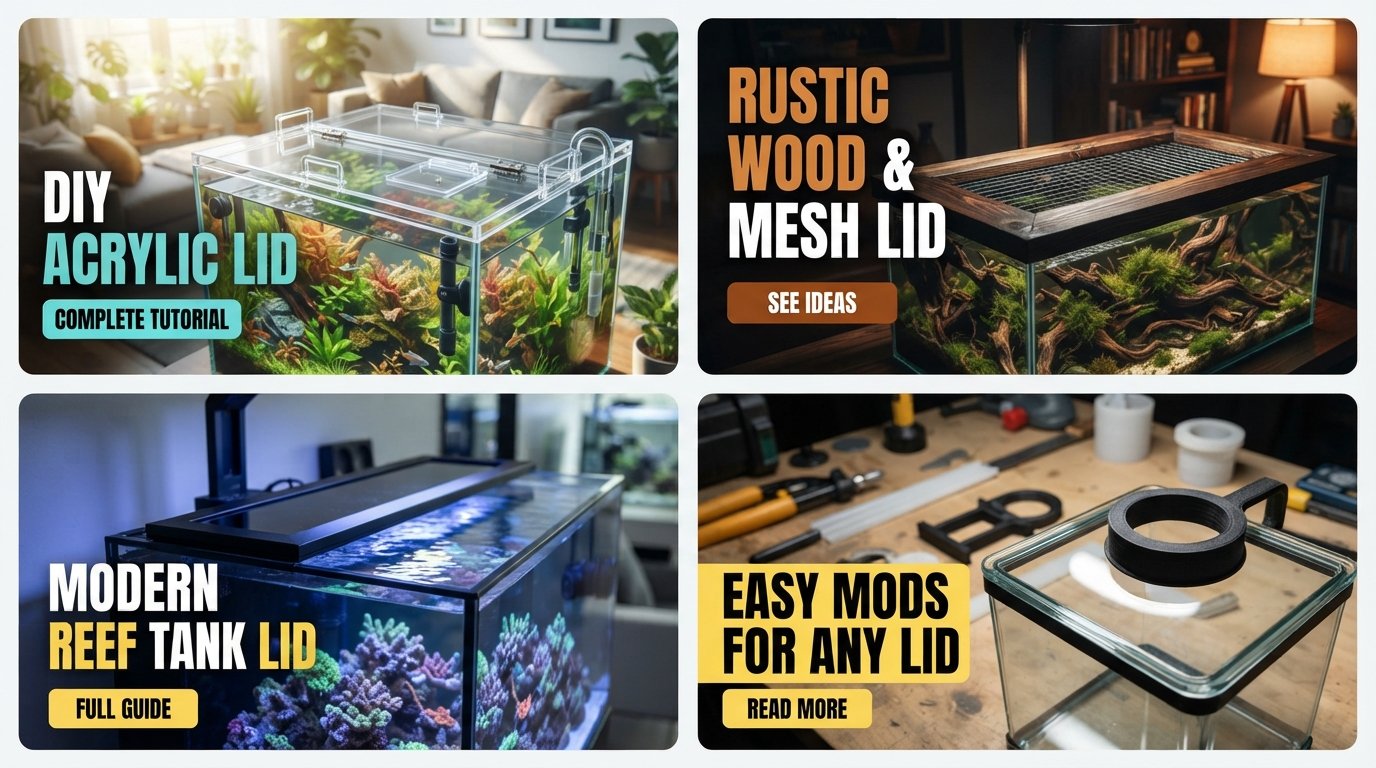
A DIY aquarium lid is an affordable and practical way to protect your fish tank while improving its appearance. A well-built lid helps prevent fish from jumping out, reduces water evaporation, keeps dust out of the aquarium, and supports lighting systems. Whether you have a freshwater, planted, or saltwater aquarium, a custom lid can be designed to fit your tank perfectly.
This guide explains how to build a DIY aquarium lid, choose the best materials, and maintain it for long-lasting performance.
Why Build a DIY Aquarium Lid?
Making your own aquarium lid offers several benefits.
Advantages include:
- Lower cost than custom-made lids
- Perfect fit for any aquarium size
- Reduces water evaporation
- Prevents fish from jumping out
- Keeps dust and debris out
- Supports aquarium lighting
- Improves the overall appearance of the tank
A homemade lid can also be customised with feeding openings and cut-outs for filters, heaters, and airline tubing.
Choosing the Right Material
Several materials work well for DIY aquarium lids.
Popular choices include:
- Clear acrylic sheet
- Polycarbonate sheet
- Glass panels
- Aluminium frame with mesh
- Plastic mesh for planted aquariums
- PVC sheet
Each material has different advantages depending on the aquarium setup.
Acrylic Lid
Acrylic is one of the most popular options.
Benefits include:
- Lightweight
- Easy to cut
- Transparent
- Modern appearance
- Resistant to shattering
Avoid placing heavy objects on acrylic because it can bend over time.
Glass Lid
Glass lids are commonly used on larger aquariums.
Advantages include:
- Excellent clarity
- Scratch resistant
- Long-lasting
- Easy to clean
Glass is heavier than acrylic, so handle it carefully.
Mesh Lid
A mesh lid is ideal for aquariums that require excellent airflow.
Benefits include:
- Maximum ventilation
- Reduces heat buildup
- Allows strong light penetration
- Lightweight
- Excellent for planted aquariums
Mesh lids also help prevent jumping fish while maintaining good gas exchange.
Materials You’ll Need
Gather these supplies before starting.
Depending on your design, you may need:
- Acrylic or glass panel
- Aluminium or plastic frame
- Aquarium-safe hinges (optional)
- Plastic mesh (optional)
- Measuring tape
- Marker
- Fine-tooth saw or acrylic cutter
- Sandpaper
- Utility knife
- Aquarium-safe clips or lid supports
Always measure the aquarium carefully before cutting materials.
Step-by-Step DIY Aquarium Lid
Step 1: Measure the Aquarium
Measure:
- Length
- Width
- Filter openings
- Airline tubing locations
- Heater cable openings
Double-check all measurements before cutting.
Step 2: Cut the Material
Cut the acrylic, polycarbonate, or mesh to match your measurements.
Smooth rough edges with fine sandpaper.
Step 3: Create Equipment Openings
Cut small openings for:
- Filter pipes
- Heater cables
- Airline tubing
- Power cords
These cut-outs should be large enough for equipment without leaving unnecessary gaps.
Step 4: Add Feeding Access
Create a small feeding hatch or removable section.
This allows daily feeding without removing the entire lid.
Step 5: Install the Lid
Place the finished lid securely on the aquarium using lid supports or clips if necessary.
Ensure it sits evenly and does not wobble.
DIY Aquarium Lid Design Ideas
Clear Minimalist Lid
A transparent acrylic panel keeps the aquarium looking clean and modern.
Sliding Lid
A sliding section allows easy feeding and maintenance.
Mesh Frame Lid
Stretch plastic mesh across a lightweight aluminium frame for maximum ventilation.
Hinged Lid
Install small hinges so the lid opens like a cabinet door.
Lighting Options
Many DIY lids are designed to work with LED lighting.
Popular choices include:
- Clip-on LED lights
- Mounted LED light bars
- Waterproof LED strips
- Planted aquarium lights
Ensure the lighting is securely installed and protected from moisture.
Benefits of an Aquarium Lid
A properly fitted lid helps:
- Reduce evaporation
- Prevent fish from escaping
- Keep pets away from the water
- Reduce dust entering the aquarium
- Support stable water temperatures
- Protect lighting equipment
These benefits contribute to a healthier aquarium environment.
Maintenance Tips
Clean the Lid Regularly
Wipe away mineral deposits and condensation using a soft cloth.
Inspect for Damage
Check acrylic, glass, or mesh for cracks or wear.
Clean Feeding Openings
Remove food residue to prevent mould or bacterial buildup.
Maintain Proper Ventilation
Avoid completely sealing the aquarium, as good air exchange is important for healthy oxygen levels.
Check Equipment Openings
Ensure filter pipes and cables remain properly positioned after cleaning.
Common Mistakes to Avoid
Incorrect Measurements
Measure carefully before cutting any material.
Blocking Ventilation
Allow enough airflow to minimise condensation and support gas exchange.
Using Unsafe Materials
Only use aquarium-safe materials that will not release harmful substances into the water.
Making the Lid Too Heavy
Choose materials that are strong but manageable for regular maintenance.
Ignoring Maintenance Access
Design the lid so routine feeding, cleaning, and equipment servicing remain simple.
Aquarium Lid Ideas for Different Setups
Freshwater Aquarium
A clear acrylic lid provides excellent visibility while reducing evaporation.
Planted Aquarium
A mesh lid allows better gas exchange and works well with high-output lighting.
Shrimp Aquarium
A tightly fitted lid prevents shrimp from escaping through small gaps.
Saltwater Aquarium
Use corrosion-resistant materials that tolerate humid, salty conditions.
Conclusion
A DIY aquarium lid is an easy and practical project that improves both the safety and appearance of your aquarium. By selecting the right material, measuring carefully, and including convenient features like feeding openings and equipment cut-outs, you can build a durable lid that perfectly fits your aquarium.
Whether you choose acrylic, glass, or mesh, a custom-made aquarium lid helps protect your fish, reduce maintenance, and create a cleaner, more professional-looking aquarium.
Frequently Asked Questions
What is the best material for a DIY aquarium lid?
Clear acrylic, polycarbonate, glass, and plastic mesh are all excellent choices. The best option depends on your aquarium type and lighting requirements.
Can I use a mesh lid for a freshwater aquarium?
Yes. Mesh lids provide excellent ventilation while preventing fish from jumping out, making them a popular choice for many freshwater setups.
How do I stop fish from jumping out?
Use a well-fitting lid with minimal gaps around filters, cables, and airline tubing.
Should an aquarium lid be completely sealed?
No. Some ventilation is important to promote gas exchange and reduce excessive condensation.
Can I install LED lights on a DIY lid?
Yes. Many hobbyists mount LED light bars or waterproof LED strips to custom aquarium lids, provided they are installed safely and protected from moisture.
How often should I clean an aquarium lid?
Clean the lid during your regular aquarium maintenance routine, usually once a week or whenever condensation, mineral deposits, or dirt begin to build up.