
 By weeebooo70@gmail.com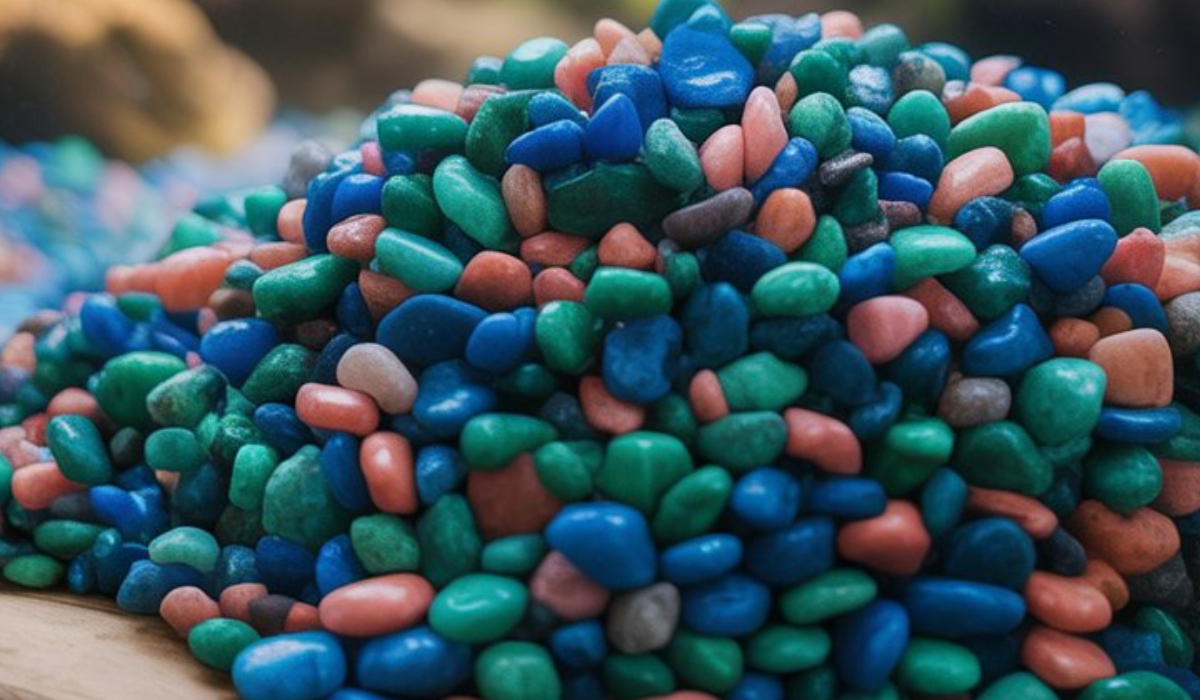
Choosing the right gravel for fish tank setups is one of the most important decisions in aquarium keeping. Gravel is not just a decorative element; it plays a vital role in biological filtration, fish comfort, plant health, and overall tank stability. Whether you are setting up a freshwater community tank, a planted aquarium, a shrimp tank, or even certain saltwater systems, the type of gravel you choose can significantly affect long-term success.
In this complete guide, you will learn everything about gravel for fish tank use, including its purpose, benefits, all available types, size and color choices, compatibility with fish and plants, setup tips, maintenance, and common mistakes to avoid.
What Is Gravel for Fish Tank?
Gravel for fish tank refers to small stones or mineral particles placed at the bottom of an aquarium. Gravel typically ranges from 2 mm to 8 mm in size and is designed to be aquarium-safe, non-toxic, and stable in water.
Gravel serves multiple purposes:
- Anchors decorations and plants
- Supports beneficial bacteria growth
- Improves tank aesthetics
- Provides comfort for bottom-dwelling fish
Why Gravel Is Important in a Fish Tank
1. Biological Filtration Support
Gravel provides surface area for beneficial bacteria that break down waste.
2. Natural Appearance
Creates a realistic riverbed or lakebed look.
3. Fish Comfort
Many fish species prefer gravel for digging, resting, or breeding.
4. Plant Stability
Helps anchor rooted aquarium plants.
5. Waste Management
Allows debris to settle, making cleaning easier.
Gravel vs Sand: Understanding the Difference
Many aquarists ask whether to use gravel or sand.
Gravel:
- Allows better water flow
- Easier to clean
- Ideal for beginners
Sand:
- Softer texture
- Better for burrowing fish
- Can compact if not maintained
For most beginners, gravel for fish tank setups is the safer and easier option.
Types of Gravel for Fish Tank
There are many types of gravel available, each suited to different aquarium styles. Below is a complete breakdown of all major types of gravel for fish tank use.
1. Natural River Gravel
Natural river gravel is smooth and rounded.
Features:
- Neutral appearance
- Safe for fish
- Mimics natural habitats
Best For:
- Community tanks
- Beginner aquariums
2. Quartz Gravel
Quartz gravel is durable and visually appealing.
Features:
- Hard and stable
- Resists breakdown
- Reflects light nicely
Best For:
- Decorative tanks
- Freshwater aquariums
3. Colored Gravel for Fish Tank
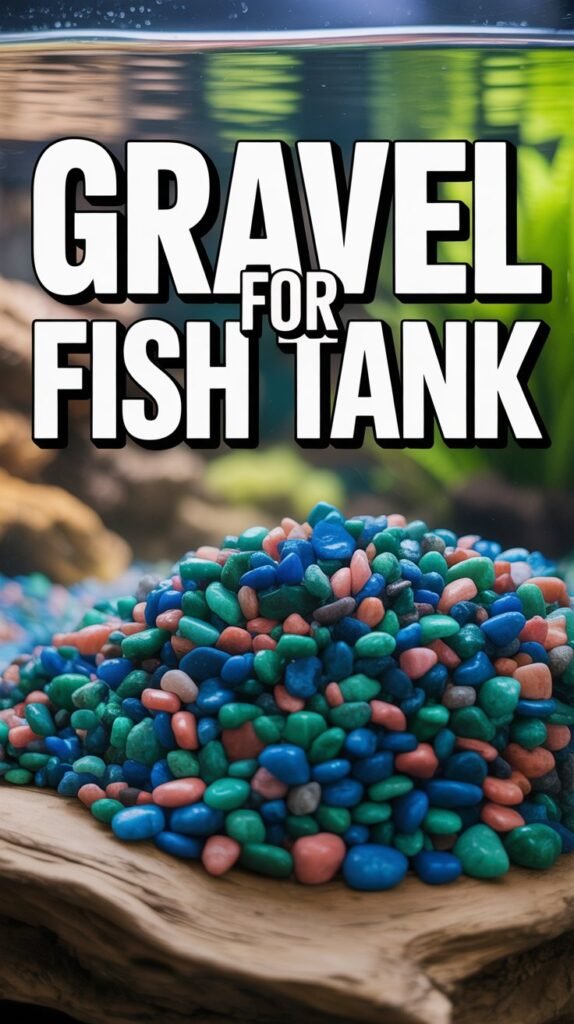
Artificially colored gravel is popular for themed tanks.
Features:
- Bright colors
- Uniform size
- Eye-catching
Best For:
- Kids’ tanks
- Decorative displays
Choose only aquarium-safe colored gravel.
4. Black Gravel for Fish Tank
Black gravel enhances fish colors.
Features:
- Modern look
- Makes fish stand out
- Hides debris
Best For:
- Planted tanks
- Shrimp tanks
5. White Gravel for Fish Tank
White gravel creates a clean, bright appearance.
Features:
- Reflects light
- Enhances tank brightness
Best For:
- Display tanks
Requires more frequent cleaning.
6. Planted Aquarium Gravel
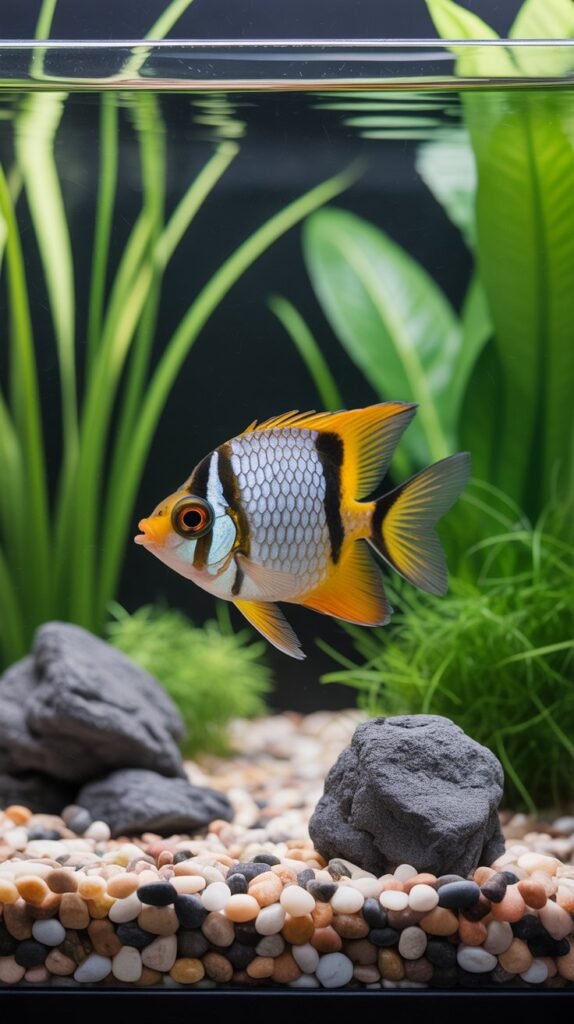
Special gravel designed for plant growth.
Features:
- Nutrient-rich
- Porous structure
- Supports root systems
Best For:
- Live plant aquariums
Often combined with root tabs.
7. Pea Gravel
Rounded small stones commonly used in aquariums.
Features:
- Smooth texture
- Natural look
Best For:
- Goldfish tanks
- Large fish
Ensure proper cleaning before use.
8. Volcanic Gravel
Made from porous volcanic rock.
Features:
- Lightweight
- Excellent bacteria support
Best For:
- Biological filtration
- Planted tanks
9. Crushed Stone Gravel
Sharp-edged gravel variety.
Features:
- Strong texture
- Heavy material
Best For:
- Cichlid tanks
Not recommended for delicate bottom dwellers.
Gravel Size Guide for Fish Tank
Gravel size is just as important as gravel type.
Small Gravel (2–3 mm)
- Ideal for plants
- Good for small fish
Medium Gravel (4–5 mm)
- Best all-round option
- Easy to clean
Large Gravel (6–8 mm)
- Suitable for large fish
- Less plant support
Medium gravel is the most versatile choice.
Choosing Gravel Based on Fish Type
Community Fish
- Smooth medium gravel
- Natural colors
Bottom Dwellers
- Rounded gravel
- Avoid sharp edges
Goldfish
- Larger smooth gravel
- Prevents choking
Cichlids
- Crushed or coarse gravel
Shrimp
- Fine gravel or planted gravel
Matching gravel to fish needs improves health.
Gravel for Planted Fish Tanks
Plants need stable support and nutrients.
Best Gravel Options:
- Planted aquarium gravel
- Volcanic gravel
- Gravel with root tabs
Avoid very large gravel for delicate roots.
How Much Gravel Do You Need for a Fish Tank?
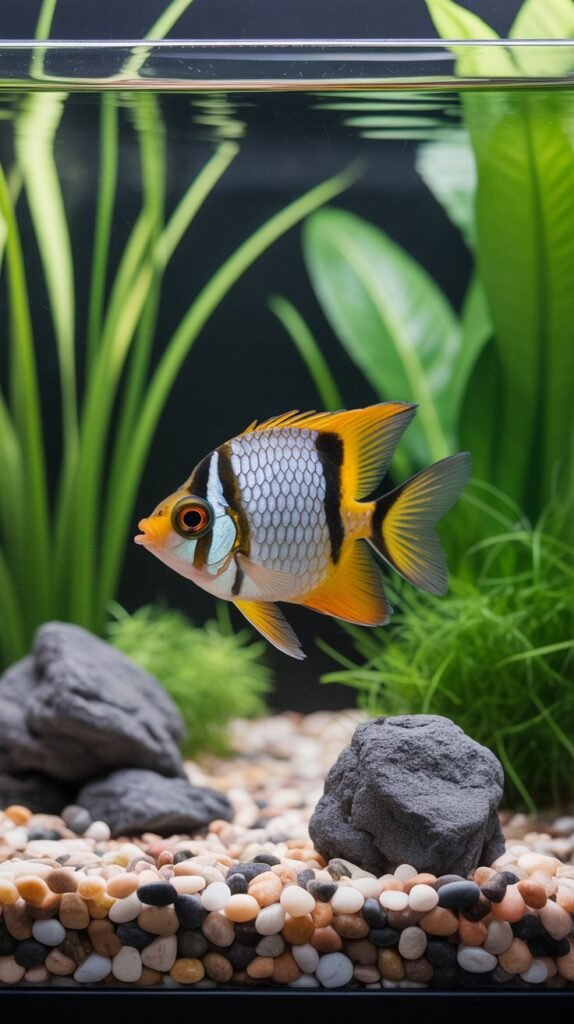
General guideline:
- 1 kg of gravel per 1 gallon of water for a 2–3 inch layer
Depth recommendations:
- Fish-only tank: 1.5–2 inches
- Planted tank: 2–3 inches
How to Prepare Gravel for Fish Tank Use
Never add gravel directly from the bag.
Preparation Steps:
- Rinse gravel thoroughly
- Remove dust and debris
- Use clean water
- Repeat until water runs clear
This prevents cloudy water.
Setting Up Gravel in a Fish Tank
Step-by-Step:
- Clean the empty tank
- Add rinsed gravel
- Level or slope for design
- Place decorations
- Slowly add water
A sloped gravel bed improves visual depth.
Maintenance of Gravel for Fish Tank
Gravel requires regular care.
Weekly:
- Gravel vacuuming
- Partial water change
Monthly:
- Deep cleaning sections
- Avoid removing all gravel at once
Proper maintenance prevents waste buildup.
Common Mistakes with Gravel for Fish Tank
- Using sharp gravel for bottom fish
- Not rinsing gravel
- Choosing wrong size
- Overloading gravel depth
- Ignoring cleaning
Avoiding these mistakes ensures long-term tank health.
Benefits of Using Gravel for Fish Tank
- Supports beneficial bacteria
- Enhances aquarium beauty
- Provides natural fish behavior
- Easy maintenance
- Long-lasting substrate
Gravel is a reliable and versatile choice.
Gravel for Fish Tank FAQs
What is the best gravel for a fish tank?
Smooth, medium-sized natural gravel is best for most tanks.
Can I use regular outdoor gravel in a fish tank?
No, only aquarium-safe gravel should be used.
How often should gravel be cleaned?
Light vacuuming weekly is recommended.
Is colored gravel safe for fish tanks?
Yes, if it is labeled aquarium-safe.
Do fish need gravel in their tank?
While not mandatory, gravel improves filtration and comfort.
Can plants grow in gravel?
Yes, with proper nutrients and root tabs.
How deep should gravel be in a fish tank?
Usually 1.5 to 3 inches depending on setup.
Final Thoughts
Choosing the right gravel for fish tank setups is essential for both visual appeal and aquarium health. With the correct type, size, and maintenance routine, gravel supports beneficial bacteria, keeps fish comfortable, and enhances the natural beauty of your aquarium. Whether you are building a simple beginner tank or an advanced planted setup, gravel remains one of the most trusted and effective substrates in fishkeeping.