
 By weeebooo70@gmail.com
Plant aqua refers to the world of aquatic plants used in aquariums to create natural, healthy, and visually stunning underwater environments. A plant aqua setup is not just about decoration; it is about building a balanced ecosystem where plants, fish, microorganisms, and water chemistry work together naturally.
Plant aqua aquariums are popular among beginners and experienced aquarists alike because they improve water quality, reduce stress in fish, and transform ordinary tanks into living art. Whether you are setting up a small planted tank or a large aquascape, understanding plant aqua basics is essential for long-term success.
This complete guide covers everything you need to know about plant aqua, including types of aquatic plants, plant aqua tank styles, setup methods, lighting, substrates, maintenance, and common mistakes.
What Is Plant Aqua?
Plant aqua is a term commonly used to describe aquariums that focus on live aquatic plants rather than artificial decorations. In a plant aqua system, plants play a vital role in maintaining water quality by absorbing waste, producing oxygen, and supporting beneficial bacteria.
Plant aqua setups can range from simple beginner tanks with a few hardy plants to advanced aquascapes with dense vegetation, CO₂ systems, and carefully designed layouts.
Why Choose a Plant Aqua Aquarium?
1. Natural Water Filtration
Aquatic plants absorb ammonia, nitrites, and nitrates, improving water quality naturally.
2. Healthier Fish
Fish feel safer and less stressed in planted environments with hiding spaces.
3. Oxygen Production
Plants release oxygen during photosynthesis, benefiting fish and bacteria.
4. Algae Control
Healthy plant growth competes with algae for nutrients.
5. Stunning Visual Appeal
Plant aqua tanks look natural, calming, and elegant.
Types of Plant Aqua Aquariums
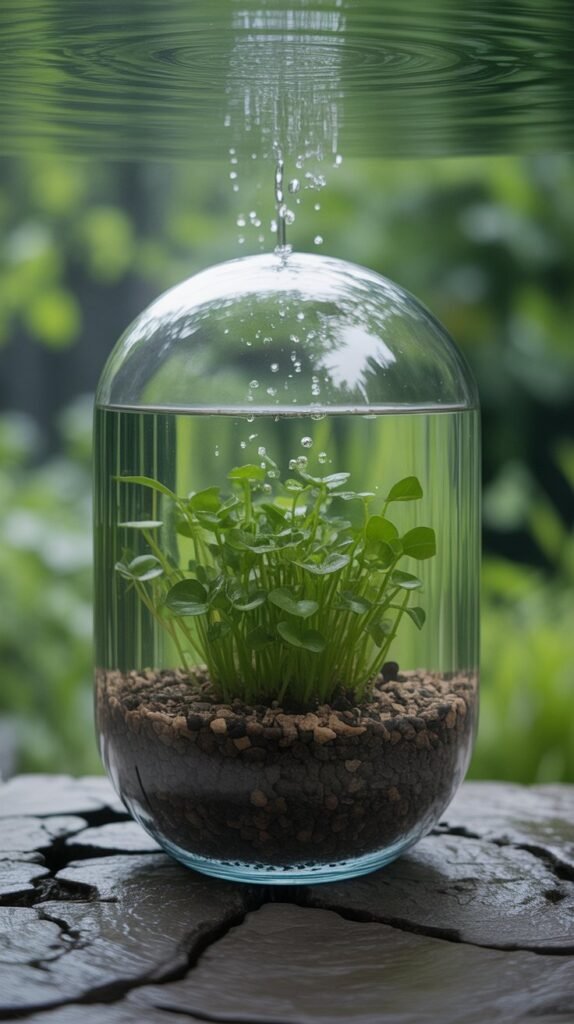
Plant aqua systems can be categorized based on complexity, plant types, and design philosophy. Below are all major types of plant aqua setups.
1. Low-Tech Plant Aqua
Low-tech plant aqua tanks are ideal for beginners.
Characteristics:
- No CO₂ injection
- Moderate lighting
- Hardy plants
- Minimal maintenance
Best For:
- Beginners
- Small to medium tanks
- Community fish
Common plants include java fern, anubias, cryptocoryne, and moss.
2. High-Tech Plant Aqua
High-tech plant aqua setups focus on rapid plant growth and dense layouts.
Characteristics:
- CO₂ injection
- Strong lighting
- Nutrient-rich substrate
- Regular trimming
Best For:
- Advanced aquarists
- Aquascaping competitions
- Carpet plants and red plants
This type requires precise balance and regular care.
3. Natural Plant Aqua
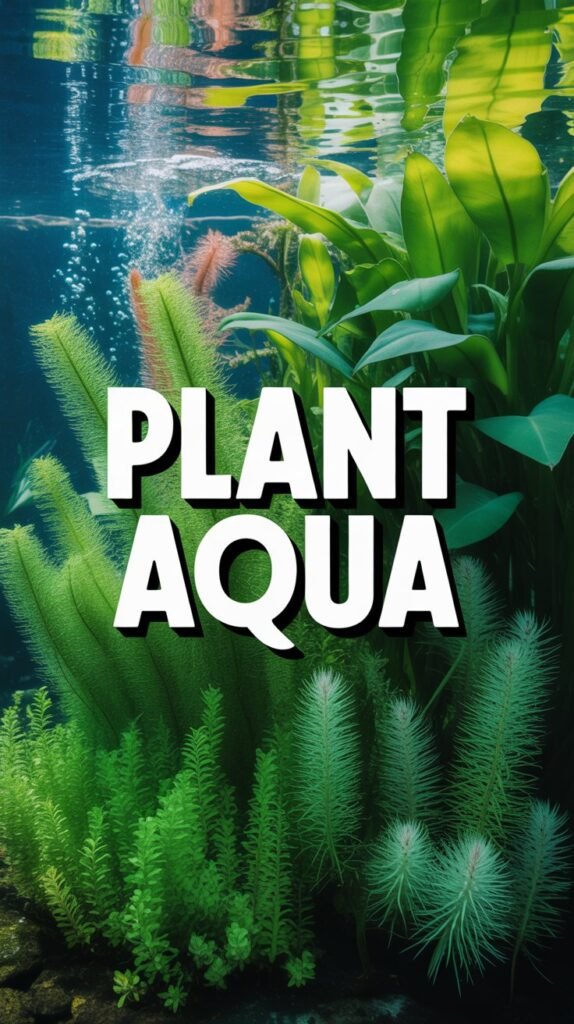
Natural plant aqua tanks mimic wild freshwater environments.
Characteristics:
- Natural driftwood and rocks
- Earth-tone plant colors
- Soft lighting
Best For:
- Biotope tanks
- Nature-style aquascapes
- Calm fish species
4. Dutch-Style Plant Aqua
A classic plant aqua style focused on plant arrangement.
Characteristics:
- Dense plant groups
- Strong color contrast
- Minimal hardscape
Best For:
- Plant collectors
- Large aquariums
- Experienced hobbyists
5. Jungle Plant Aqua
Jungle plant aqua tanks look wild and overgrown.
Characteristics:
- Fast-growing plants
- Minimal trimming
- Natural appearance
Best For:
- Fish breeding
- Shrimp tanks
- Natural filtration systems
6. Carpet Plant Aqua
Focused on creating a green carpet at the tank bottom.
Characteristics:
- Low-growing plants
- Strong lighting
- CO₂ often required
Best For:
- Display tanks
- Modern aquascapes
7. Nano Plant Aqua
Small planted tanks under 10 gallons.
Characteristics:
- Compact design
- Careful plant selection
- Stable water parameters
Best For:
- Desks and small rooms
- Shrimp and small fish
Types of Aquatic Plants in Plant Aqua
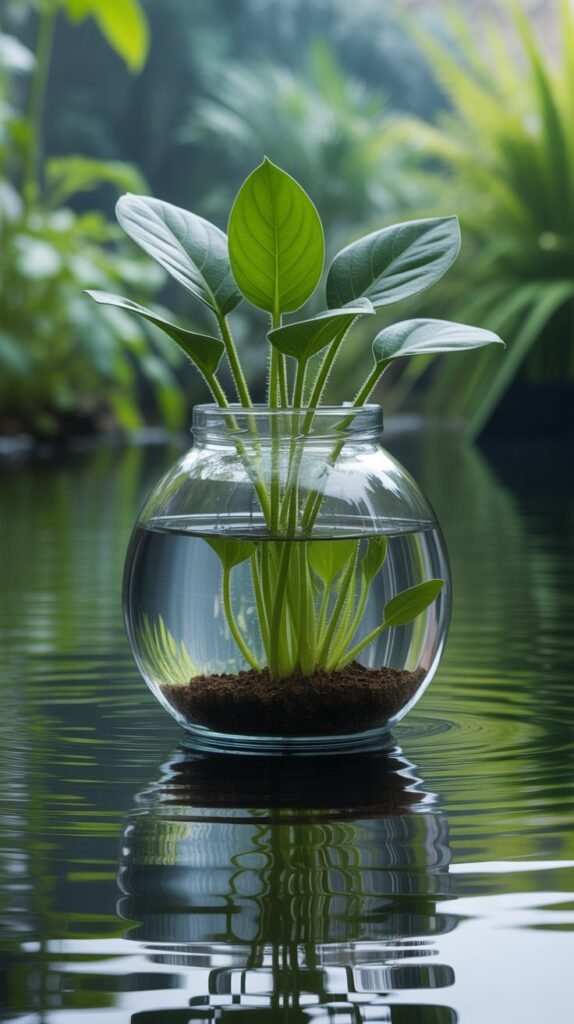
Understanding plant categories helps with proper placement and care.
Foreground Plants
Placed at the front of the tank.
Examples:
- Dwarf hairgrass
- Monte carlo
- Glossostigma
Best for carpet effects.
Midground Plants
Placed in the middle section.
Examples:
- Cryptocoryne
- Anubias
- Bucephalandra
Create depth and structure.
Background Plants
Placed at the back of the aquarium.
Examples:
- Vallisneria
- Rotala
- Hygrophila
Provide height and coverage.
Floating Plants
Float on the water surface.
Examples:
- Frogbit
- Duckweed
- Water lettuce
Help reduce excess light and nitrates.
Moss Plants
Used on rocks and wood.
Examples:
- Java moss
- Christmas moss
- Flame moss
Excellent for shrimp and fry.
Substrate for Plant Aqua
Substrate is one of the most important elements of a plant aqua tank.
Types of Substrate:
- Nutrient-rich soil
- Sand with root tabs
- Gravel with fertilizers
A good substrate supports strong root development and healthy growth.
Lighting in Plant Aqua
Lighting directly affects plant growth and color.
Low-Light Plants:
- Java fern
- Anubias
- Moss
Medium-Light Plants:
- Cryptocoryne
- Amazon sword
High-Light Plants:
- Carpet plants
- Red stem plants
Balance lighting duration to prevent algae.
CO₂ in Plant Aqua
CO₂ boosts plant growth and coloration.
CO₂ Is Needed When:
- Using strong lighting
- Growing carpet plants
- Maintaining red plants
Low-tech plant aqua tanks can thrive without CO₂.
Fertilization in Plant Aqua
Plants need nutrients to grow.
Key Nutrients:
- Nitrogen
- Phosphorus
- Potassium
- Iron
- Trace elements
Fertilization can be liquid-based or substrate-based.
Fish Selection for Plant Aqua
Choose fish that are plant-friendly.
Good Fish Choices:
- Tetras
- Rasboras
- Guppies
- Corydoras
- Otocinclus
Avoid fish that dig or eat plants excessively.
Setting Up a Plant Aqua Tank
Step-by-Step Guide:
- Clean the tank
- Add substrate
- Install hardscape
- Plant aquatic plants
- Fill water slowly
- Install filter and heater
- Add lighting
- Cycle the tank
- Introduce fish gradually
Patience ensures long-term success.
Maintenance of Plant Aqua
Weekly Tasks:
- Trim plants
- Remove dead leaves
- Partial water change
Monthly Tasks:
- Clean filter
- Adjust fertilizer dosing
- Check plant health
Consistency keeps the ecosystem balanced.
Common Plant Aqua Mistakes
- Too much light
- Overdosing fertilizers
- Poor plant placement
- Skipping trimming
- Overstocking fish
Avoiding these mistakes prevents algae and plant loss.
Benefits of Plant Aqua
- Natural filtration
- Healthier fish
- Reduced maintenance over time
- Beautiful natural display
- Relaxing environment
Plant aqua tanks improve both aquarium health and visual appeal.
Plant Aqua FAQs
What is plant aqua?
Plant aqua refers to aquariums that focus on live aquatic plants for natural balance and beauty.
Is plant aqua suitable for beginners?
Yes, low-tech plant aqua setups are perfect for beginners.
Do plant aqua tanks need CO₂?
Not always. Many plants grow well without CO₂.
How long do plant aqua tanks take to establish?
Most stabilize within 4–6 weeks.
Can fish live without plants?
Yes, but plants improve water quality and fish health.
Do plant aqua tanks reduce algae?
Healthy plant growth helps control algae naturally.
How often should plant aqua tanks be maintained?
Light weekly maintenance is usually sufficient.
Final Thoughts
A plant aqua aquarium is one of the most rewarding and natural ways to enjoy fishkeeping. By combining live aquatic plants with proper lighting, substrate, and care, you can create a self-sustaining underwater ecosystem that is both beautiful and functional. Whether you choose a simple low-tech setup or a high-tech aquascape, plant aqua offers endless creativity, relaxation, and long-term success for aquarium lovers.