
 By admin
Adding plants in an aquarium is one of the best ways to create a beautiful, natural, and healthy underwater environment. Live aquarium plants not only enhance the appearance of your fish tank but also improve water quality, provide shelter for fish, and help maintain a balanced ecosystem.
Whether you’re setting up your first planted aquarium or upgrading an existing tank, this guide will help you choose the best aquarium plants, understand their care requirements, and keep them thriving.
Why Add Plants to an Aquarium?
Live plants offer numerous benefits for both fish and aquarists.
Advantages include:
- Improve water quality
- Produce oxygen during daylight
- Absorb excess nutrients
- Help reduce algae growth
- Provide natural hiding places
- Create breeding areas for fish
- Enhance the aquarium’s beauty
- Mimic natural aquatic habitats
A well-planted aquarium is often healthier and more visually appealing than one with only artificial decorations.
Types of Aquarium Plants
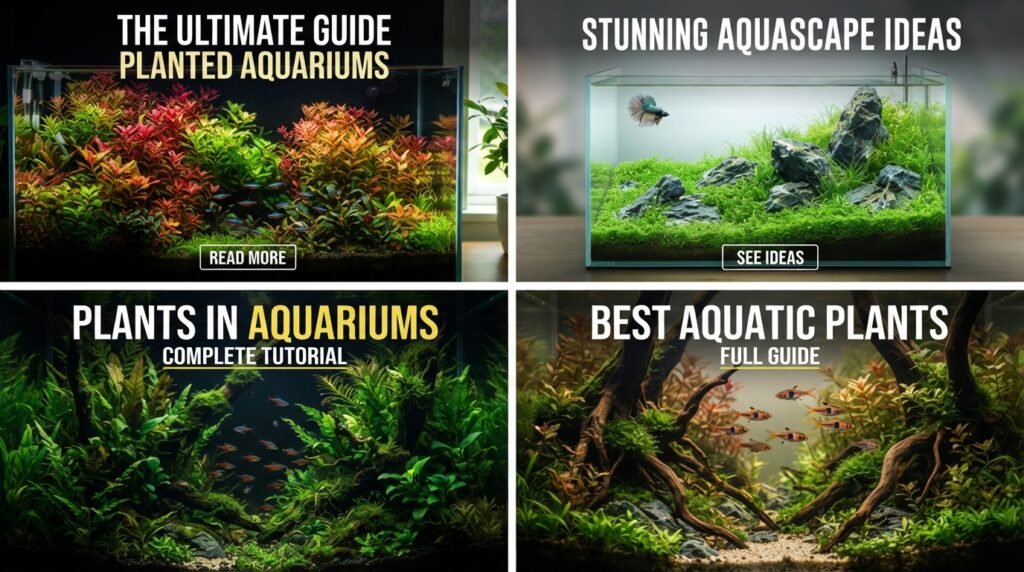
Aquatic plants are generally grouped by where they are placed in the aquarium.
Foreground Plants
These plants stay low and often create a carpet across the substrate.
Popular choices include:
- Dwarf Hairgrass
- Monte Carlo
- Dwarf Sagittaria
- Glossostigma
- Marsilea hirsuta
Midground Plants
These provide depth and transition between the front and back of the aquarium.
Common options include:
- Anubias Nana
- Java Fern
- Bucephalandra
- Cryptocoryne species
Background Plants
Tall plants create a natural backdrop and help hide equipment.
Excellent choices include:
- Vallisneria
- Amazon Sword
- Water Wisteria
- Ludwigia
- Hygrophila corymbosa
Floating Plants
Floating plants cover part of the water surface and provide shade.
Popular varieties include:
- Amazon Frogbit
- Red Root Floaters
- Salvinia
- Water Lettuce
Use floating plants in moderation so they do not block too much light.
Best Aquarium Plants for Beginners
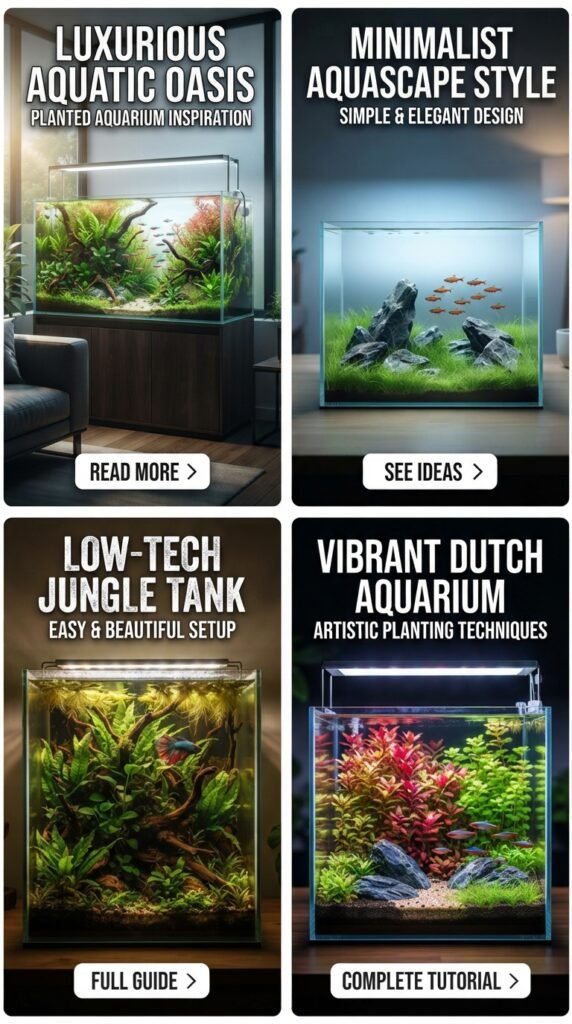
If you’re new to planted aquariums, choose hardy, low-maintenance species.
Recommended plants include:
- Java Fern
- Anubias
- Java Moss
- Amazon Sword
- Vallisneria
- Cryptocoryne
- Water Sprite
These plants adapt well to a variety of aquarium conditions.
Choosing the Right Substrate
Healthy plant growth starts with an appropriate substrate.
Popular choices include:
- Nutrient-rich aquasoil
- Fine aquarium gravel
- Planted aquarium substrate
- Sand with root tabs
Heavy root-feeding plants benefit from nutrient-rich substrates or root fertilizers.
Lighting Requirements
Most aquarium plants require moderate to bright lighting.
Recommended setup:
- Full-spectrum LED lighting
- 6–8 hours of light daily
- Consistent lighting schedule
Too much light can encourage algae growth, while too little may slow plant growth.
Do Aquarium Plants Need CO₂?
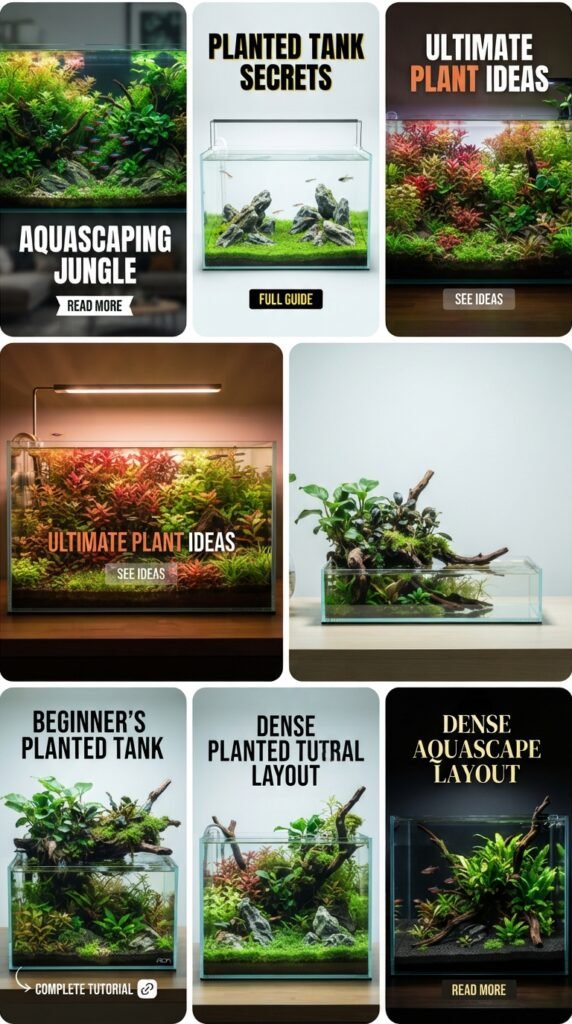
Not all plants require additional carbon dioxide.
Plants That Grow Well Without CO₂
- Java Fern
- Anubias
- Java Moss
- Cryptocoryne
- Vallisneria
Plants That Benefit from CO₂
- Monte Carlo
- Dwarf Hairgrass
- Glossostigma
- Ludwigia
- Rotala species
CO₂ injection can promote faster growth, denser foliage, and brighter colors, especially in demanding plants.
Fertilizing Aquarium Plants
Plants need nutrients to grow well.
Use:
- Liquid fertilizers for water-column feeders
- Root tabs for root-feeding plants
- Comprehensive fertilizers containing macro- and micronutrients
Avoid overfertilizing, as excess nutrients can contribute to algae problems.
How to Plant Aquarium Plants
Step 1: Prepare the Substrate
Add your chosen substrate and level it before filling the tank.
Step 2: Position the Plants
Arrange plants by height:
- Foreground plants in front
- Midground plants in the center
- Background plants at the rear
Step 3: Plant Carefully
Use aquascaping tweezers to place roots gently into the substrate.
Do not bury the rhizomes of plants like Java Fern or Anubias; instead, attach them to rocks or driftwood.
Step 4: Fill the Aquarium
Add water slowly to avoid disturbing the plants.
Step 5: Begin Regular Maintenance
Provide consistent lighting, fertilization, and water changes.
Best Fish for Planted Aquariums
Many peaceful fish thrive among live plants.
Popular choices include:
- Neon Tetras
- Cardinal Tetras
- Harlequin Rasboras
- Guppies
- Corydoras Catfish
- Honey Gouramis
- Otocinclus Catfish
Avoid species known for eating or uprooting plants unless the aquarium is designed for them.
Shrimp and Snails
Planted aquariums are excellent habitats for:
- Cherry Shrimp
- Amano Shrimp
- Blue Dream Shrimp
- Nerite Snails
- Mystery Snails
These animals help clean algae and leftover food while benefiting from the shelter provided by plants.
Maintenance Tips
Trim Plants Regularly
Remove overgrown leaves to maintain shape and encourage healthy growth.
Perform Weekly Water Changes
Regular water changes help maintain water quality and replenish minerals.
Remove Dead Leaves
Prune damaged or decaying foliage promptly.
Clean the Glass
Remove algae without disturbing beneficial bacteria.
Monitor Nutrient Levels
Watch for signs of deficiencies, such as yellowing leaves or slow growth.
Common Mistakes to Avoid
Using the Wrong Lighting
Plants need the correct light intensity and duration to thrive.
Overcrowding the Aquarium
Leave space for fish to swim and plants to grow.
Planting Rhizome Plants Incorrectly
Never bury the rhizomes of Java Fern or Anubias, as this can cause them to rot.
Ignoring Maintenance
Regular pruning and water changes are essential for a healthy planted tank.
Overstocking Fish
Too many fish can create excess waste and reduce water quality.
Popular Planted Aquarium Styles
Nature Aquarium
Inspired by natural landscapes with driftwood, stones, and lush vegetation.
Jungle Aquarium
A densely planted aquarium with abundant greenery and layered plant growth.
Iwagumi
A minimalist style using carefully arranged rocks and low carpeting plants.
Dutch Aquarium
Focuses on colorful plant arrangements and varied leaf shapes rather than hardscape.
Benefits of Live Plants
Adding live plants to your aquarium provides many advantages:
- Natural beauty
- Healthier water quality
- Shelter for fish and shrimp
- Oxygen production
- Reduced algae through nutrient competition
- A more stable and balanced ecosystem
With proper care, live plants can transform an ordinary aquarium into a thriving underwater garden.
Conclusion
Plants in an aquarium are more than just decoration—they play an essential role in creating a healthy, balanced, and visually stunning aquatic environment. By choosing suitable plant species, providing proper lighting and nutrients, and performing regular maintenance, you can enjoy a vibrant planted aquarium that benefits both your fish and your overall aquascaping experience.
Whether you prefer a simple planted community tank or a lush jungle aquascape, live plants are one of the best investments you can make for your aquarium.
Frequently Asked Questions
What are the easiest aquarium plants for beginners?
Java Fern, Anubias, Java Moss, Vallisneria, Amazon Sword, and Cryptocoryne are among the easiest plants to grow.
Do aquarium plants need CO₂?
Many beginner-friendly plants grow well without CO₂, while more demanding species benefit from supplemental carbon dioxide.
How long should aquarium lights stay on?
Most planted aquariums do well with 6–8 hours of lighting each day.
Can live plants reduce algae?
Yes. Healthy plants compete with algae for nutrients, which can help reduce algae growth when the aquarium is properly balanced.
Which fish are best for planted aquariums?
Peaceful species such as tetras, rasboras, guppies, corydoras, gouramis, and otocinclus are excellent choices.
How often should aquarium plants be trimmed?
Trim plants whenever they become overgrown, shade other plants, or develop damaged leaves. Fast-growing species may need pruning every few weeks.