
 By weeebooo70@gmail.com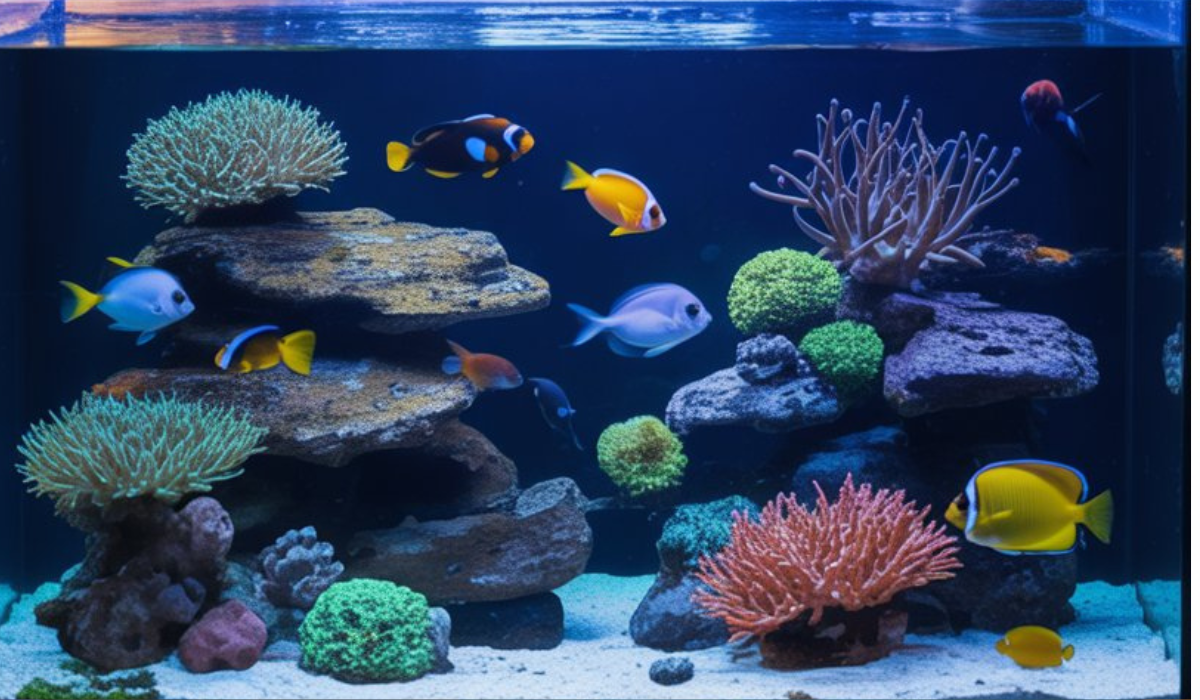
A saltwater fish tank is one of the most beautiful and rewarding aquarium setups you can own. Known for vibrant colors, unique fish species, and stunning marine environments, saltwater aquariums recreate a piece of the ocean inside your home. While saltwater tanks require more planning and care than freshwater aquariums, the visual impact and sense of achievement make them highly popular among aquarium enthusiasts.
This complete guide explains everything you need to know about a saltwater fish tank, including tank types, equipment, fish choices, setup process, maintenance, and common mistakes to avoid.
What Is a Saltwater Fish Tank?
A saltwater fish tank is an aquarium that uses salt-mixed water to house marine fish, invertebrates, and sometimes corals. Unlike freshwater tanks, saltwater aquariums require precise water parameters such as salinity, temperature, and pH to keep marine life healthy.
Saltwater fish tanks can range from simple fish-only systems to advanced reef aquariums filled with corals and live rock.
Why Choose a Saltwater Fish Tank?
1. Stunning Colors and Variety
Saltwater fish display brighter colors and unique patterns compared to most freshwater fish.
2. Natural Ocean Environment
A saltwater fish tank recreates coral reefs and marine habitats.
3. Endless Aquascaping Options
Live rock and coral structures allow creative designs.
4. Long-Term Hobby Growth
Saltwater aquariums offer advanced learning and skill development.
5. Visual Centerpiece
A well-maintained saltwater fish tank becomes the highlight of any room.
Types of Saltwater Fish Tanks
There are several types of saltwater fish tank setups. Below is a complete breakdown of all major types.
1. Fish-Only Saltwater Fish Tank
A fish-only saltwater fish tank contains marine fish without corals.
Advantages:
- Easier than reef tanks
- Lower lighting requirements
- Focus on fish behavior
Suitable Fish:
- Clownfish
- Tangs
- Lionfish
- Triggerfish
Best for beginners entering saltwater aquariums.
2. Fish-Only With Live Rock (FOWLR)
This type includes fish and live rock but no corals.
Advantages:
- Natural biological filtration
- More stable water chemistry
- Attractive aquascape
Considerations:
- Requires moderate lighting
- Careful fish compatibility
A popular choice for intermediate hobbyists.
3. Reef Saltwater Fish Tank
A reef saltwater fish tank contains corals, invertebrates, and fish.
Advantages:
- Incredible colors and movement
- Natural ecosystem balance
Challenges:
- Precise water parameters
- Advanced equipment required
Best for experienced aquarists.
4. Nano Saltwater Fish Tank
A nano saltwater fish tank is usually under 20 gallons.
Advantages:
- Space-saving
- Lower initial cost
Challenges:
- Water stability
- Limited fish choices
Best for experienced hobbyists with limited space.
5. Predator Saltwater Fish Tank
This setup houses large or aggressive marine fish.
Advantages:
- Impressive fish size
- Unique feeding behavior
Challenges:
- High bioload
- Limited tank mates
Best for advanced keepers.
6. Mixed Reef Saltwater Fish Tank
A mixed reef tank contains soft, LPS, and SPS corals.
Advantages:
- Diverse coral selection
- Stunning reef appearance
Challenges:
- Complex lighting and flow needs
Best for skilled reef aquarists.
Saltwater Fish Tank Sizes
Common saltwater fish tank sizes include:
- 20–30 gallons for beginners
- 40–75 gallons for stability
- 100+ gallons for large displays
Larger tanks are more stable and forgiving.
Essential Equipment for a Saltwater Fish Tank
Aquarium Tank
Glass or acrylic tanks are commonly used.
Filtration System
Canister filters, sumps, and live rock handle waste removal.
Protein Skimmer
Removes organic waste before it breaks down.
Lighting
Required for fish viewing and coral growth.
Heater and Thermometer
Maintains stable temperature.
Powerheads
Create water movement and oxygen exchange
Substrate
Marine sand supports beneficial organisms.
Live Rock in a Saltwater Fish Tank
Live rock is one of the most important components.
Benefits:
- Biological filtration
- Natural habitat
- Enhances aquascape
Live rock helps stabilize water chemistry.
Saltwater Fish Tank Setup Process
Step-by-Step Setup:
- Place tank on a strong stand
- Add substrate and live rock
- Mix saltwater to correct salinity
- Fill the tank
- Install equipment
- Cycle the aquarium
- Add fish gradually
Never rush the setup process.
Cycling a Saltwater Fish Tank
Cycling establishes beneficial bacteria.
Why It Matters:
- Prevents ammonia spikes
- Protects marine life
- Stabilizes the system
Cycling may take 4–6 weeks.
Best Fish for a Saltwater Fish Tank
Beginner-Friendly Fish:
- Clownfish
- Damselfish
- Gobies
- Blennies
Advanced Fish:
- Tangs
- Angelfish
- Wrasses
Always research compatibility.
Feeding a Saltwater Fish Tank
Saltwater fish require varied diets.
Food Types:
- Frozen foods
- Pellets and flakes
- Live foods
Avoid overfeeding to maintain water quality.
Saltwater Fish Tank Maintenance
Weekly:
- Test water parameters
- Top off evaporated water
Bi-Weekly:
- Partial water changes
Monthly:
- Clean equipment
- Inspect live rock
Consistency ensures long-term success.
Common Saltwater Fish Tank Mistakes
- Rushing the setup
- Overstocking fish
- Skipping water testing
- Poor filtration
- Ignoring compatibility
Avoiding these mistakes prevents losses.
Benefits of a Saltwater Fish Tank
- Vibrant marine life
- Unique fish behavior
- Beautiful reef environments
- Educational experience
- High visual impact
A saltwater fish tank offers unmatched beauty
Saltwater Fish Tank FAQs
Is a saltwater fish tank hard to maintain?
It requires more care than freshwater but becomes manageable with experience.
What is the best size saltwater fish tank for beginners?
A 30–50 gallon tank is ideal for stability.
Do saltwater fish tanks need live rock?
Live rock is highly recommended for biological filtration.
How often should water be changed?
Partial water changes every two weeks are recommended.
Can saltwater fish live with freshwater fish?
No, they require different water conditions.
Is a protein skimmer necessary?
It is highly beneficial, especially for reef tanks.
How long do saltwater fish live?
With proper care, many marine fish live several years.
Final Thoughts
A saltwater fish tank is a stunning and rewarding aquarium choice for those willing to invest time and care. With proper planning, stable water conditions, and consistent maintenance, a saltwater aquarium can thrive for years and bring the beauty of the ocean into your home. Whether you choose a simple fish-only setup or an advanced reef system, the saltwater fish tank offers endless learning and visual enjoyment.