
 By admin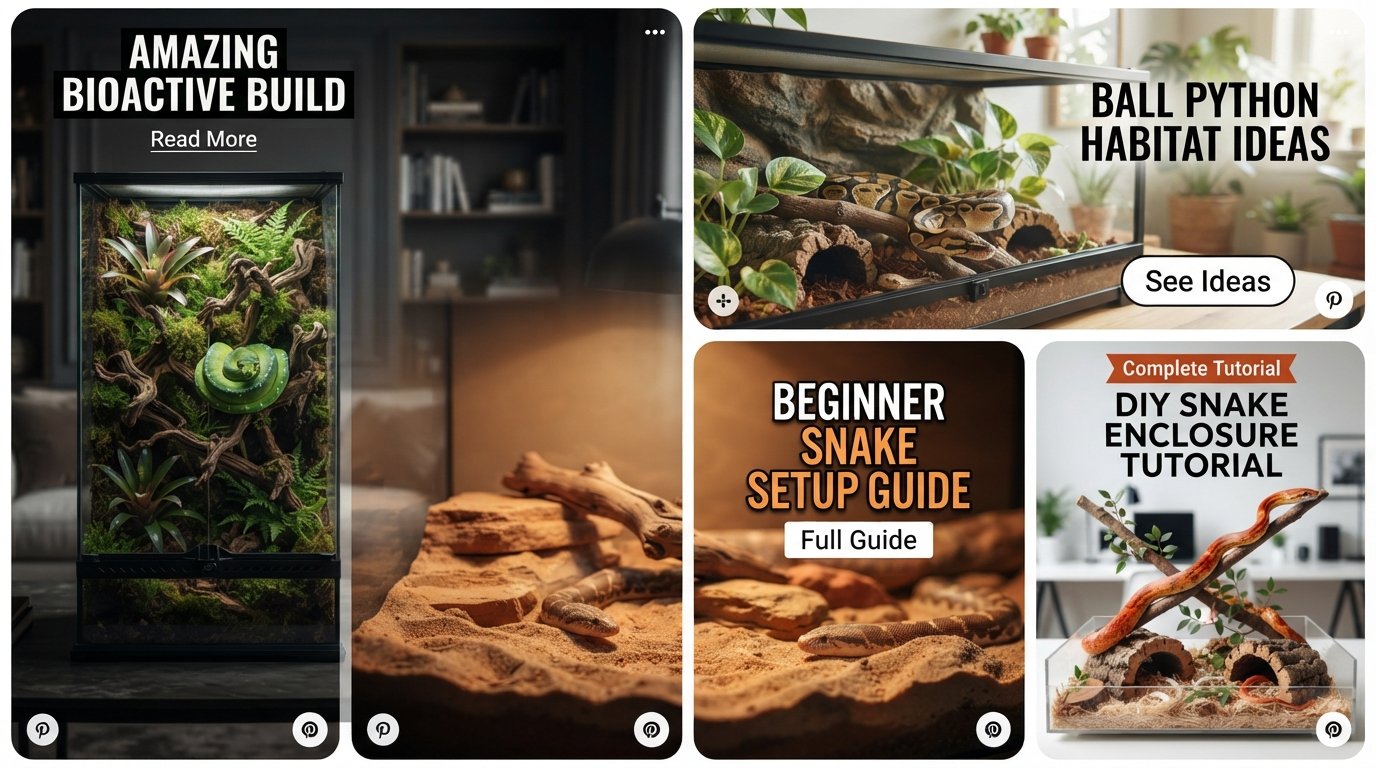
A snake aquarium is a specially designed enclosure that combines both land and water areas to house semi-aquatic snake species. While traditional aquariums are made for fish, many reptile keepers convert glass aquariums into terrarium or paludarium-style habitats for snakes that enjoy swimming and soaking.
This guide explains everything you need to know about snake aquariums, including suitable snake species, enclosure setup, decorations, heating, lighting, and maintenance.
What Is a Snake Aquarium?
A snake aquarium is an aquarium or glass tank modified to provide a secure habitat for pet snakes. Depending on the species, the enclosure may contain:
- A dry land section
- Water area for soaking or swimming
- Hiding spots
- Heating equipment
- Proper ventilation
- Natural decorations
- Plants and branches
Most pet snakes do not require a fully aquatic setup. Instead, they benefit from a carefully balanced environment that meets their natural habitat needs.
Benefits of a Snake Aquarium
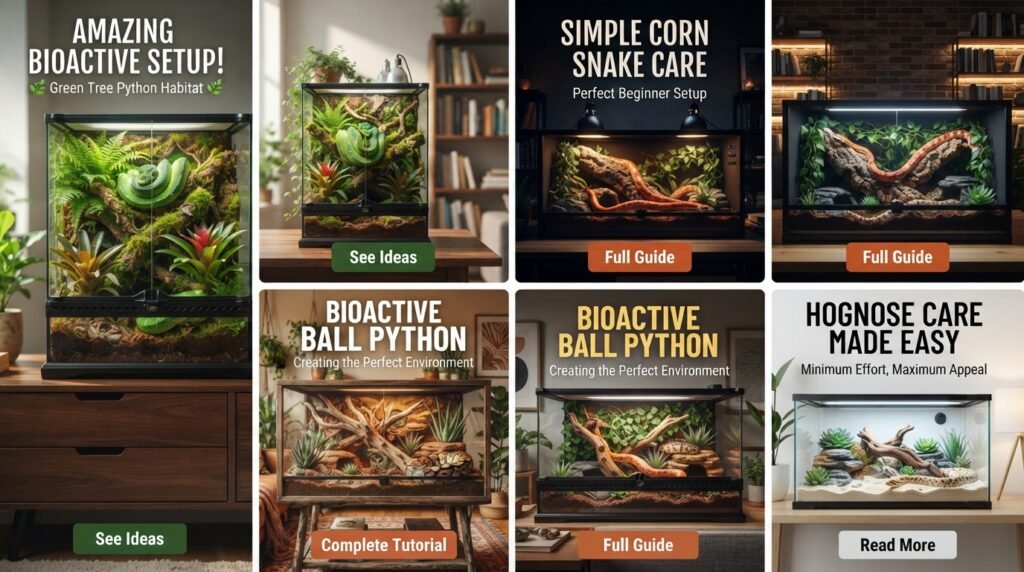
Using an aquarium as a snake enclosure offers several advantages:
- Excellent visibility
- Attractive display
- Easy decoration options
- Suitable for naturalistic habitats
- Works well for bioactive setups
- Durable and widely available
However, proper ventilation and a secure lid are essential.
Best Snake Species for Aquarium Setups
Some snake species adapt well to aquarium-style enclosures.
Corn Snake
Good for beginners because they are generally hardy and easy to care for.
Garter Snake
Often enjoys soaking and can thrive in a semi-natural enclosure.
California Kingsnake
An active species that appreciates climbing opportunities.
Ball Python
A popular pet snake that requires secure hides and stable temperatures.
Water Snake Species
Some water snakes are semi-aquatic and enjoy larger water sections, though they often require more specialized care.
Always research the specific needs of the species you intend to keep.
Choosing the Right Tank Size

The enclosure should provide enough space for the snake to stretch, climb, and explore.
Hatchlings and Juveniles
20-gallon tanks may be suitable for some young snakes.
Adult Snakes
Most adult snakes benefit from much larger enclosures, often 40 gallons or more depending on the species and size.
Bigger enclosures generally allow for more natural behaviors and better environmental enrichment.
Creating a Semi-Aquatic Snake Aquarium
For species that enjoy water, create two separate zones.
Land Area
Include:
- Substrate
- Hides
- Plants
- Branches
Water Area
Provide:
- Large soaking dish or shallow pool
- Easy access in and out of the water
- Clean, fresh water
Not all snake species require swimming areas, so design the enclosure according to the needs of the specific species.
Best Substrates
Choose a substrate appropriate for your snake species.
Popular options include:
- Coconut fiber
- Cypress mulch
- Reptile soil mixes
- Aspen bedding for species that prefer drier conditions
Avoid substrates that may cause irritation or are inappropriate for your chosen species.
Decorating a Snake Aquarium
Natural decorations create a beautiful and enriching environment.
Ideas include:
- Driftwood
- Cork bark
- Smooth rocks
- Climbing branches
- Artificial plants
- Live reptile-safe plants
Provide multiple hiding places to help reduce stress.
Bioactive Snake Aquarium Ideas

A bioactive enclosure attempts to create a more natural ecosystem.
Features may include:
- Live plants
- Natural substrate layers
- Beneficial cleanup organisms
- Leaf litter
- Natural decorations
Bioactive setups require careful planning and species-specific research.
Heating Requirements
Proper temperature is critical for snake health.
Most pet snakes need:
- A warm side
- A cooler side
- Stable temperatures appropriate for their species
Heating options include:
- Ceramic heat emitters
- Heat lamps
- Under-tank heating devices used according to manufacturer recommendations
Always monitor temperatures with reliable thermometers.
Humidity Requirements
Different snake species have different humidity needs.
Some species require:
- Moderate humidity
- Occasional misting
- Humid hides
Others prefer much drier conditions.
Research the requirements of your particular snake before setting up the enclosure.
Lighting
Many snakes do not require intense lighting, but a regular day-night cycle is beneficial.
Options include:
- LED lighting for viewing
- Appropriate reptile lighting when recommended for the species
- Timers to maintain a consistent schedule
Some keepers also provide UVB lighting depending on the species and husbandry approach.
Water Features
For semi-aquatic species, consider:
- Large soaking pools
- Natural rock edging
- Easy-to-clean water containers
Keep water clean and change it regularly.
Maintenance
Routine care keeps the enclosure healthy.
Weekly tasks include:
- Remove waste promptly.
- Replace dirty water.
- Clean decorations as needed.
- Check temperatures and humidity.
- Spot-clean the substrate.
- Inspect equipment.
Perform deeper cleaning according to the needs of the enclosure and species.
Common Mistakes to Avoid
Using an Aquarium Without Proper Ventilation
Glass tanks need adequate airflow to prevent excessive humidity and stagnant air.
Inadequate Security
Snakes are skilled escape artists. Always use a secure lid.
Incorrect Temperatures
Improper heating can lead to health problems.
Too Few Hiding Spots
Snakes need secure places to feel safe.
Incorrect Humidity
Always match humidity levels to the species’ requirements.
Choosing the Wrong Tank Size
A spacious, well-designed enclosure promotes natural behaviors and improves overall welfare.
Snake Aquarium Design Ideas
Forest-Themed Habitat
Use branches, moss, and natural bark.
Rocky Stream Layout
Create a semi-aquatic environment with stones and a water section.
Tropical Paludarium
Combine land, plants, and a shallow water area.
Minimalist Display
Simple décor with natural wood and clean lines.
Bioactive Jungle Setup
Dense planting and natural substrates create a realistic ecosystem.
Benefits of a Well-Designed Snake Aquarium
A thoughtfully designed enclosure offers many advantages:
- Beautiful display
- Enrichment for the snake
- Natural behaviors
- Easier observation
- Attractive home décor
- Opportunities for creative habitat design
Conclusion
A snake aquarium can provide a beautiful and functional habitat when designed around the needs of the specific snake species you keep. Whether you create a simple naturalistic terrarium or a semi-aquatic paludarium, the keys to success are proper temperatures, secure housing, adequate ventilation, suitable humidity, and species-appropriate décor.
By carefully researching your snake’s requirements and maintaining the enclosure regularly, you can create a healthy, attractive environment that allows your pet to thrive for many years.
Frequently Asked Questions
Can snakes live in an aquarium?
Yes. Glass aquariums can be converted into suitable enclosures for many snake species, provided they have secure lids, proper ventilation, and species-appropriate heating and humidity.
Do snakes need water in their enclosure?
Yes. All snakes need access to fresh drinking water, and some species enjoy soaking or swimming.
What is the best substrate for a snake aquarium?
The best substrate depends on the species and may include coconut fiber, cypress mulch, reptile soil mixes, or aspen bedding.
Can I use live plants?
Yes. Many naturalistic and bioactive enclosures use live plants, provided they are safe and suitable for the environmental conditions.
Do snakes need heat lamps?
Many pet snakes require a heat source to create a proper temperature gradient, but the specific setup depends on the species.
Can I create a semi-aquatic snake habitat?
Yes. Certain semi-aquatic species can thrive in enclosures that include both land and water areas, as long as the design meets their specific care requirements.