
 By admin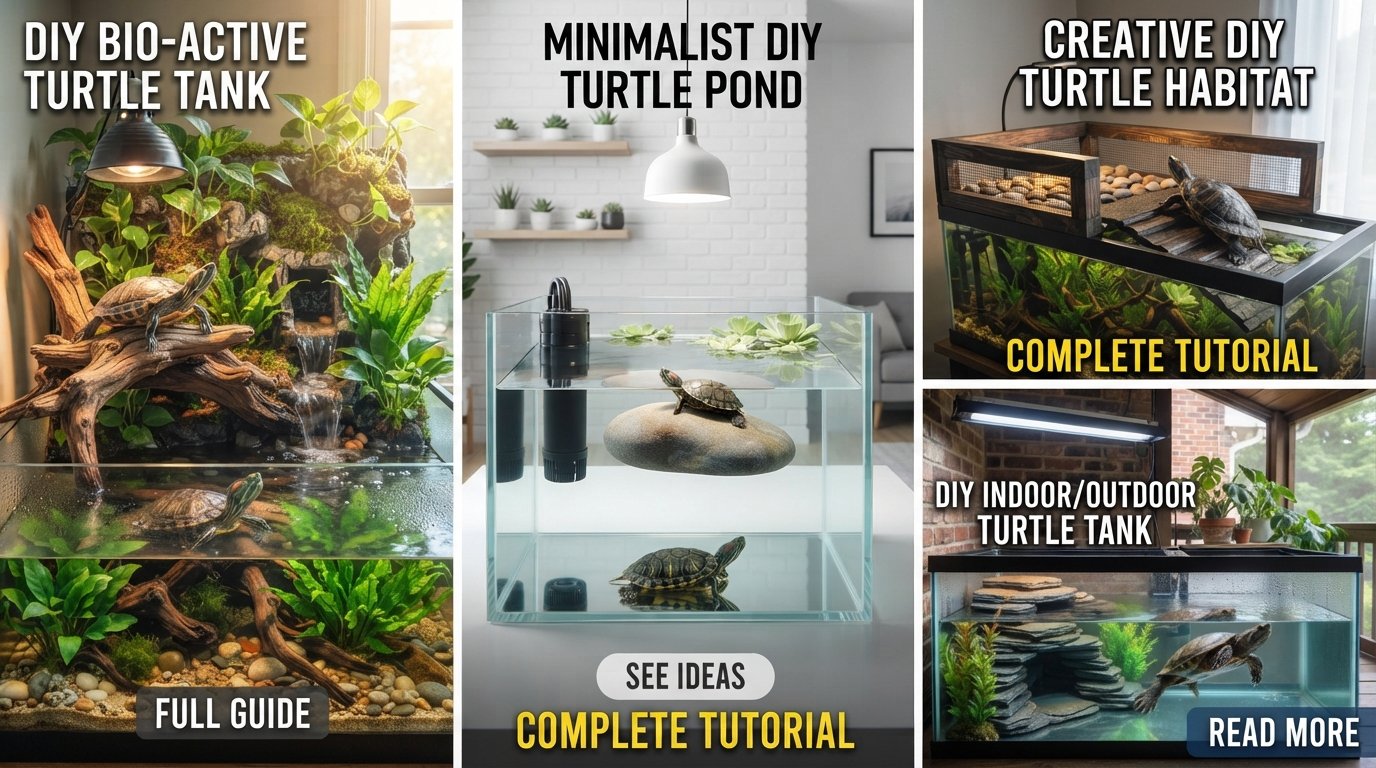
A DIY turtle aquarium is a fantastic way to create a comfortable and attractive home for your pet turtle without spending a fortune on expensive commercial setups. By combining creativity, proper equipment, and turtle-safe materials, you can build a habitat that is both functional and visually appealing.
This guide covers the best DIY turtle aquarium ideas, essential equipment, decorating tips, and step-by-step instructions for creating a healthy environment for your aquatic turtle.
Why Build a DIY Turtle Aquarium?
Building your own turtle aquarium offers several advantages:
- Saves money compared to pre-built setups
- Allows complete customization
- Fits your available space
- Creates a unique and attractive habitat
- Lets you design according to your turtle’s needs
- Makes future upgrades easier
A well-designed DIY turtle tank can be just as beautiful and effective as expensive commercial enclosures.
Choosing the Right Tank Size
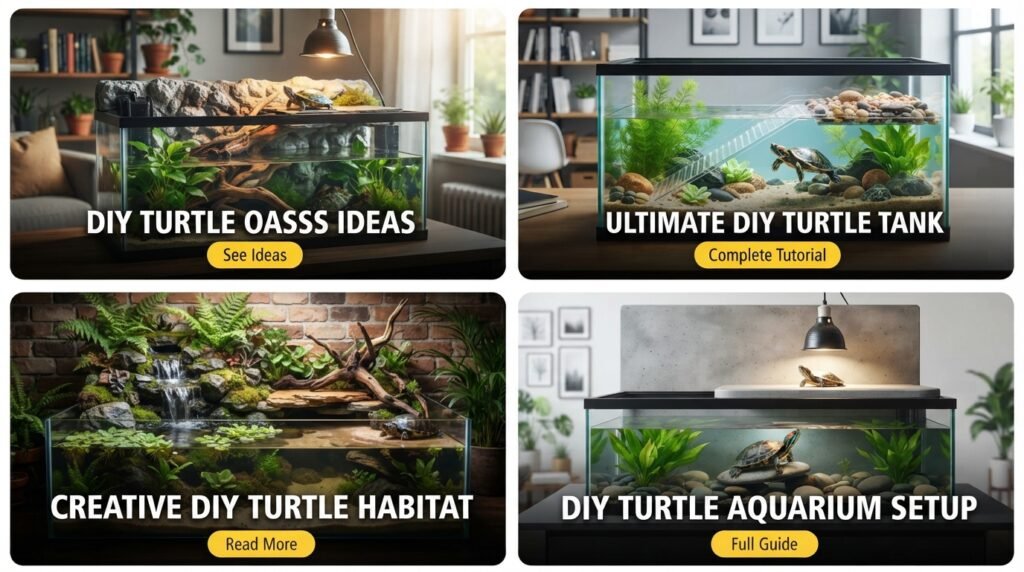
Turtles require much more space than most people expect.
Recommended Tank Sizes
| Turtle Size | Minimum Tank Size |
|---|---|
| Baby Turtle | 20–30 gallons |
| Juvenile Turtle | 40–55 gallons |
| Adult Small Turtle | 75 gallons |
| Adult Large Turtle | 100–125+ gallons |
A common guideline is to provide approximately 10 gallons of water for every inch of the turtle’s shell length.
DIY Turtle Aquarium Ideas
1. Natural River-Themed Aquarium
Create a habitat that mimics a natural river.
Materials:
- River rocks
- Driftwood
- Smooth stones
- Sand substrate
- Floating plants
Benefits:
- Natural appearance
- Provides hiding spots
- Encourages natural behaviors
2. DIY Floating Basking Platform
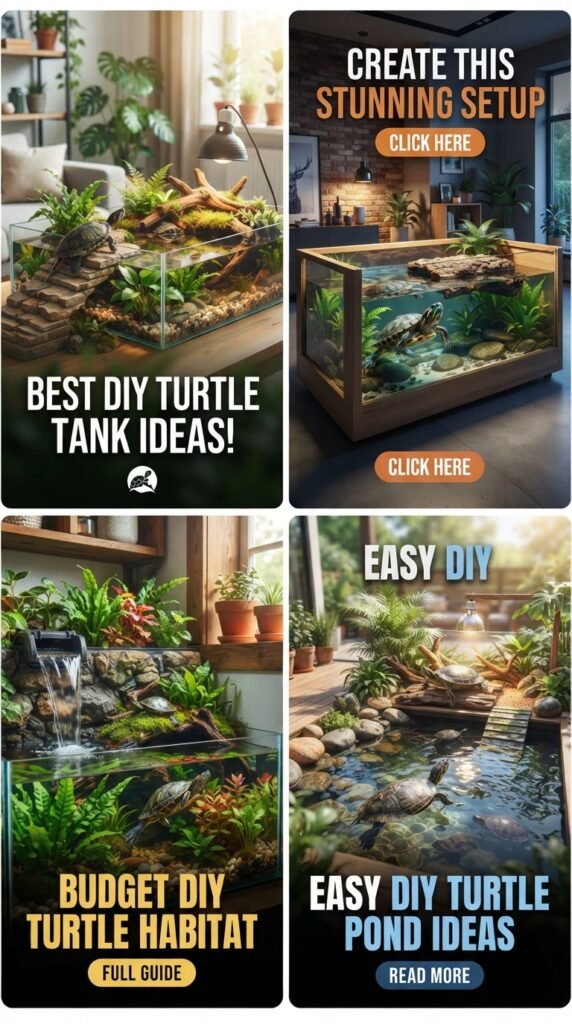
Turtles need a dry area where they can completely leave the water.
Materials:
- Egg crate light diffuser
- PVC pipes
- Aquarium-safe zip ties
- Artificial turf or cork bark
Benefits:
- Increases swimming space
- Easy to clean
- Affordable to build
3. Turtle Tank with Waterfall Filter
Create a decorative waterfall using:
- Rocks
- Small pump
- PVC tubing
- Foam background
Benefits:
- Attractive appearance
- Improved water movement
- Provides additional filtration when properly designed
4. Paludarium-Style Turtle Aquarium
A paludarium combines both land and water sections.
Features:
- Large basking area
- Aquatic section
- Plants
- Natural decorations
This setup closely resembles many turtles’ natural habitats.
5. DIY Turtle Aquarium Stand
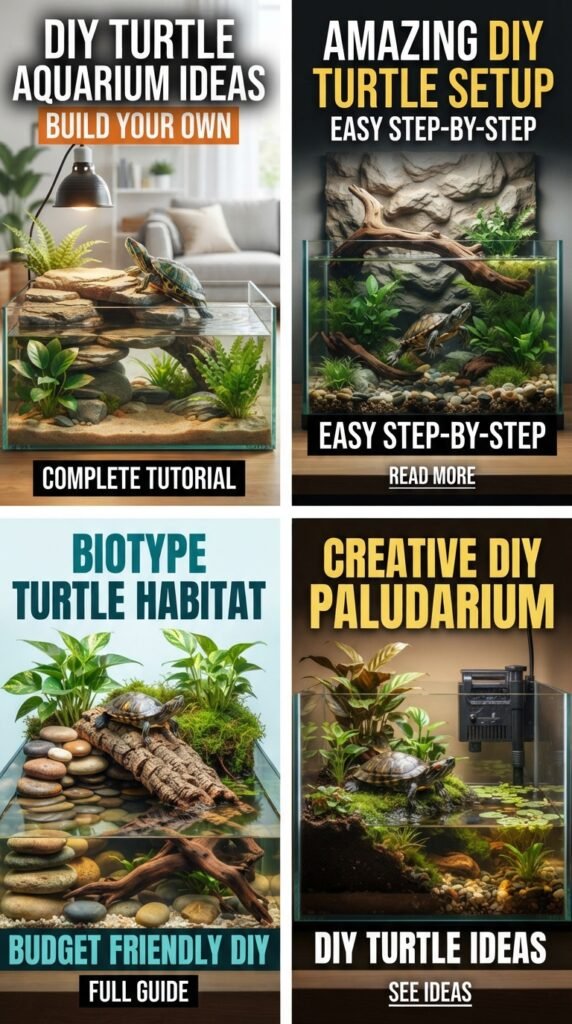
Build a custom stand using:
- Plywood
- Solid lumber
- Waterproof paint
- Storage cabinets
Benefits:
- Extra storage space
- Custom dimensions
- Supports heavy aquariums safely when properly constructed
6. Beach-Themed Turtle Aquarium
Decorate with:
- Sand-colored substrate
- Driftwood
- Large smooth rocks
- Tropical plants
This creates a bright and attractive display.
7. Indoor Pond Aquarium
Convert a large stock tank or custom container into a turtle habitat.
Advantages:
- More swimming space
- Easier maintenance
- Suitable for large turtles
DIY Turtle Basking Area Ideas
A basking area is essential because turtles need access to warmth and UVB lighting.
Cork Bark Platform
Natural and attractive.
PVC Dock
Durable and inexpensive.
Rock Platform
Use large, stable rocks that cannot collapse.
Acrylic Platform
Provides a clean and modern appearance.
The basking area should allow the turtle to dry completely.
Turtle Aquarium Decorations
Decorations should be safe and easy to clean.
Good options include:
- Driftwood
- Smooth rocks
- Large river stones
- Floating plants
- Artificial caves
- Turtle-safe backgrounds
Avoid sharp decorations or small gravel that could be swallowed.
Best Substrate Options
Bare Bottom
Advantages:
- Easy to clean
- Prevents accidental ingestion
Large River Stones
Provides a natural appearance while being too large to swallow.
Fine Sand
Can create a natural look but requires more maintenance.
Avoid small gravel that may be accidentally eaten.
Live Plants for Turtle Aquariums
Some turtles may eat or uproot plants, but hardy species can still be useful.
Good choices include:
- Anubias
- Java Fern
- Hornwort
- Water Sprite
- Duckweed
- Water Lettuce
Expect some plants to be nibbled or moved by active turtles.
Essential Equipment
Powerful Filter
Turtles produce a large amount of waste.
Choose:
- Canister filters
- Large external filters
- Sump systems for large aquariums
A filter rated for a tank larger than your actual aquarium is often helpful for turtle setups.
Heater
Most aquatic turtles require stable temperatures.
UVB Lighting
Essential for:
- Shell health
- Calcium metabolism
- Overall well-being
Heat Lamp
Provides warmth on the basking platform.
Water Parameters
General guidelines for many aquatic turtle species include:
- Water temperature: Species-dependent, often around 74–80°F (23–27°C)
- Basking temperature: Species-dependent, often around 85–95°F (29–35°C)
- Ammonia: 0 ppm
- Nitrite: 0 ppm
- Nitrate: Keep as low as practical through maintenance
Always research the specific needs of your turtle species.
DIY Turtle Aquarium Lighting Ideas
LED Lighting
Improves visibility and highlights decorations.
Under-Cabinet Lighting
Creates a modern appearance.
Natural-Looking Daylight LEDs
Enhances the tank’s overall aesthetic.
Remember that decorative lighting does not replace UVB lighting requirements.
Weekly Maintenance
Regular maintenance is essential.
Tasks include:
- Replace 20–30% of the water weekly.
- Remove leftover food.
- Clean the glass.
- Vacuum waste from the bottom.
- Inspect filters and heaters.
- Test water quality.
Turtle tanks generally require more cleaning than fish aquariums.
Budget DIY Turtle Aquarium Ideas
Plastic Storage Tub Habitat
An affordable option for temporary or indoor setups.
Repurposed Aquarium
Use a second-hand aquarium in good condition.
Homemade Dock
Build from PVC or egg crate material.
DIY Background
Create a custom rock background using aquarium-safe materials.
Simple Natural Layout
Use rocks and driftwood instead of expensive decorations.
Common Mistakes to Avoid
Using a Tank That’s Too Small
Turtles grow quickly and need ample swimming space.
Weak Filtration
Insufficient filtration leads to poor water quality.
No UVB Lighting
Turtles require UVB exposure for proper health.
Sharp Decorations
Choose smooth, turtle-safe materials.
Overcrowding the Aquarium
Leave plenty of open swimming space.
DIY Turtle Aquarium Design Ideas
Natural River Habitat
Driftwood, sand, and river rocks.
Tropical Beach Theme
Light substrate and lush plants.
Modern Minimalist Setup
Open swimming areas with simple decorations.
Forest-Inspired Paludarium
Land and water sections with natural décor.
Large Indoor Turtle Lagoon
A spacious setup with multiple basking areas and heavy-duty filtration.
Conclusion
Creating a DIY turtle aquarium is a rewarding project that allows you to design a habitat tailored to your turtle’s needs and your personal style. By choosing a spacious tank, installing powerful filtration, providing proper heating and UVB lighting, and using safe decorations, you can create an attractive and healthy home for your pet.
Whether you prefer a natural river theme, a modern minimalist enclosure, or a paludarium-style habitat, a well-planned DIY turtle aquarium can provide years of enjoyment for both you and your turtle.
Frequently Asked Questions
What size aquarium does a turtle need?
Many aquatic turtles require at least a 75-gallon aquarium as adults, with larger species needing 100 gallons or more.
Can I build my own turtle basking platform?
Yes. Floating docks made from egg crate, PVC, cork bark, or acrylic are popular and affordable DIY options.
What is the best filter for a turtle aquarium?
Canister filters and large external filters are excellent choices because turtles produce significant amounts of waste.
Can I use live plants with turtles?
Yes, but some turtles may eat or uproot plants. Hardy species such as Anubias, Java Fern, and Hornwort are often good choices.
Do turtles need UVB lighting?
Yes. UVB lighting is essential for shell health, calcium metabolism, and overall well-being.
How often should I clean a turtle aquarium?
Most turtle aquariums benefit from weekly water changes, regular waste removal, and frequent equipment inspections to maintain good water quality.