
 By admin
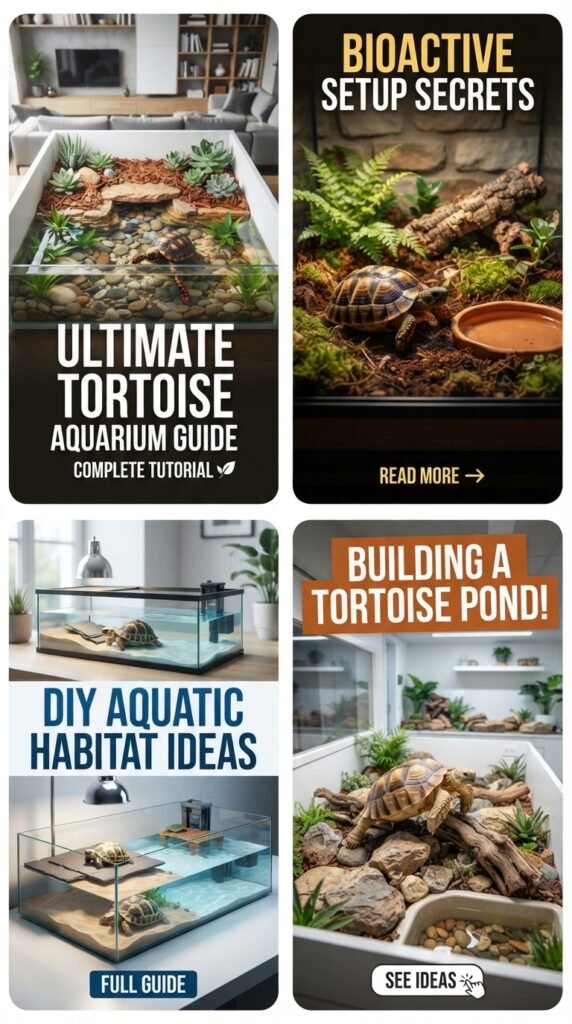
The term tortoise aquarium is often searched online, but it can be misleading. Unlike turtles, tortoises are land-dwelling reptiles and should not be kept in an aquarium filled with water. Instead, tortoises require a spacious terrestrial enclosure, often called a tortoise table or tortoise habitat, with dry land, proper heating, UVB lighting, and areas to hide and explore.
If you’re looking for the right home for a pet tortoise, this guide explains why an aquarium is usually not suitable and how to create a healthy environment instead.
Can a Tortoise Live in an Aquarium?
In most cases, no. A traditional fish aquarium is designed for aquatic animals, while tortoises are adapted to life on land. Keeping a tortoise in a standard glass aquarium can lead to several problems, including:
- Poor ventilation
- Limited floor space
- Excess humidity
- Difficulty maintaining proper temperatures
- Increased stress from transparent walls
Young hatchlings may temporarily be housed in a large, well-ventilated glass enclosure under careful supervision, but most tortoise keepers recommend moving to a more suitable habitat as the tortoise grows.
Tortoise vs. Turtle
Understanding the difference is important.
| Feature | Tortoise | Turtle |
|---|---|---|
| Habitat | Land | Water or semi-aquatic |
| Feet | Strong, elephant-like legs | Webbed feet or flippers |
| Swimming Ability | Poor swimmers | Excellent swimmers |
| Main Enclosure | Dry terrestrial habitat | Aquarium or aquatic tank |
| Water Needs | Shallow drinking dish | Large swimming area |
Because tortoises are not built for swimming, they should never be housed in deep water.
Best Enclosure for a Tortoise
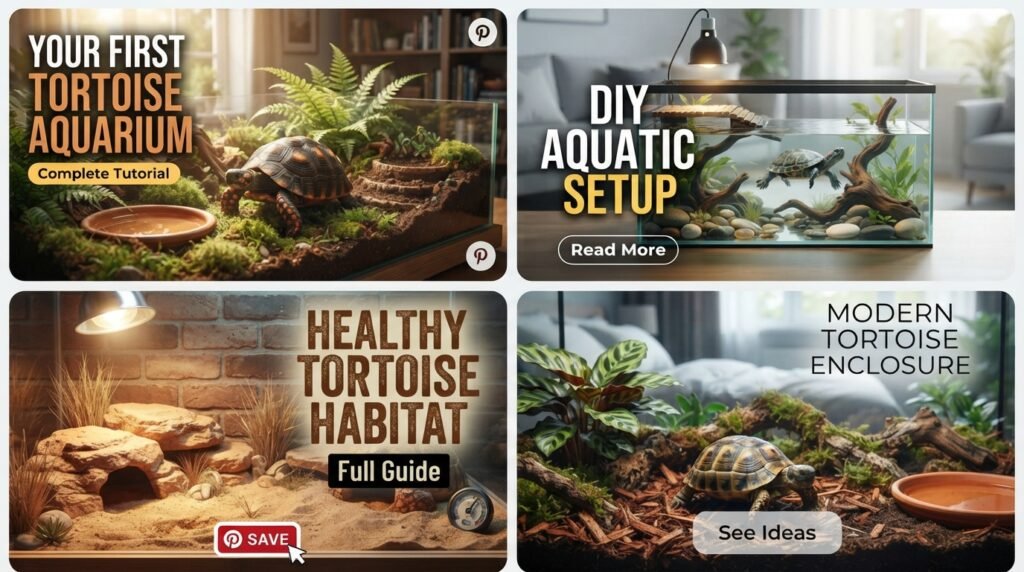
A proper tortoise habitat should include:
- Large floor space
- Excellent ventilation
- Secure walls
- Safe substrate
- Hiding places
- Basking area
- UVB lighting
- Fresh water dish
The enclosure should prioritize horizontal space rather than height.
Indoor Tortoise Habitat Ideas
Wooden Tortoise Table
A tortoise table is one of the most popular indoor setups.
Benefits include:
- Better airflow
- Easy maintenance
- Plenty of walking space
- Simple access for cleaning
Large Open Enclosure
Create a spacious indoor habitat using wooden panels and reptile-safe materials.
Bioactive Habitat
A bioactive enclosure may include:
- Natural soil
- Live, tortoise-safe plants
- Leaf litter
- Beneficial microorganisms
This setup mimics a natural environment and can reduce maintenance.
Outdoor Tortoise Enclosure
If your climate is suitable, an outdoor habitat offers many advantages.
Include:
- Natural grass
- Edible plants
- Shaded areas
- Secure fencing
- Shelters
- Basking spots
Always protect the enclosure from predators and escapes.
Substrate Options
Suitable substrates include:
- Coconut coir
- Organic topsoil
- Cypress mulch
- Orchid bark
- Soil and sand mixtures (depending on species)
Avoid substrates that are dusty, chemically treated, or difficult to digest if accidentally eaten.
Heating and Lighting
Tortoises require proper heating to regulate their body temperature.
Essential equipment includes:
- UVB lighting
- Basking heat lamp
- Thermometers
- Temperature gradient across the enclosure
Different tortoise species have different temperature requirements, so research the needs of your specific species.
Water Requirements
Although tortoises do not live in water, they still require access to fresh drinking water.
Provide:
- A shallow water dish
- Daily clean water
- Occasional soaking for some species, especially hatchlings
The dish should be shallow enough for the tortoise to enter and exit safely.
Decorations and Enrichment
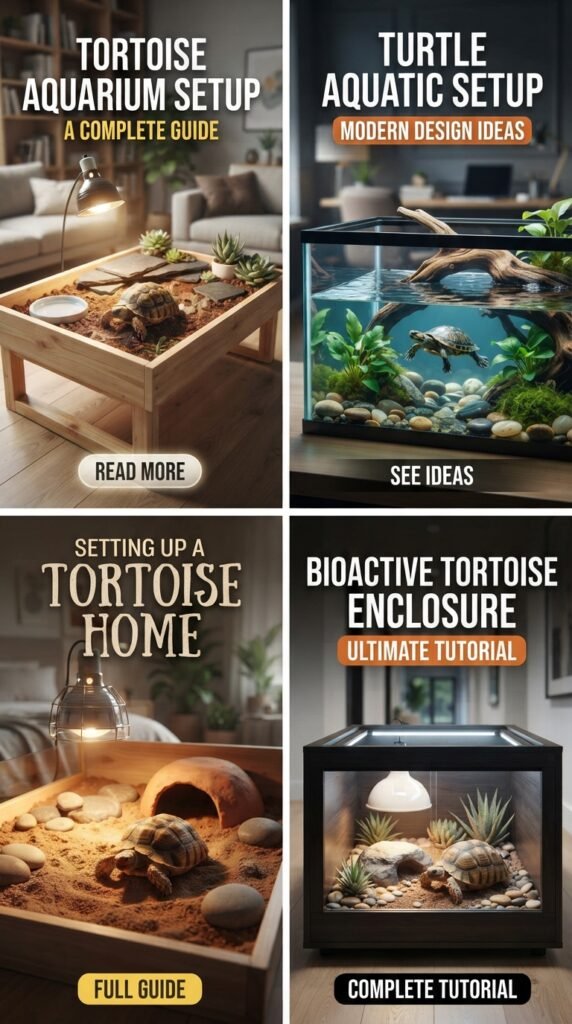
Create a stimulating habitat using:
- Flat rocks
- Cork bark
- Logs
- Safe edible plants
- Hiding shelters
- Gentle slopes
Avoid decorations with sharp edges or unstable structures.
Diet
Most pet tortoises thrive on a high-fiber, plant-based diet.
Common foods include:
- Dandelion greens
- Collard greens
- Mustard greens
- Endive
- Hibiscus leaves and flowers
- Opuntia cactus pads (for suitable species)
Some species have different dietary needs, so always confirm the correct diet for your tortoise.
Cleaning and Maintenance
Maintain a healthy enclosure by:
- Removing waste daily
- Replacing soiled substrate regularly
- Cleaning water dishes every day
- Checking temperatures
- Inspecting lighting equipment
- Performing routine enclosure cleaning
Consistent maintenance helps prevent health issues.
Common Mistakes to Avoid
Using a Small Aquarium
Glass aquariums usually provide insufficient floor space and ventilation for growing tortoises.
Keeping the Habitat Too Humid
Many tortoise species require relatively dry conditions, although humidity needs vary by species.
Providing Deep Water
Tortoises are not strong swimmers and can drown in deep water.
Skipping UVB Lighting
Without proper UVB exposure, tortoises can develop serious shell and bone problems.
Feeding the Wrong Diet
Research your species to provide appropriate nutrition.
Benefits of a Proper Tortoise Habitat
A well-designed enclosure helps your tortoise:
- Exercise naturally
- Maintain healthy shell growth
- Thermoregulate effectively
- Display natural behaviors
- Stay active and healthy
- Live comfortably for many years
Conclusion
Although many people search for a tortoise aquarium, a traditional aquarium is generally not the right home for a tortoise. These land-dwelling reptiles need spacious terrestrial habitats with proper heating, UVB lighting, ventilation, and room to roam.
By creating an enclosure that matches your tortoise’s natural environment, you can support its health, encourage natural behaviors, and provide a safe, enriching home for years to come.
Frequently Asked Questions
Can a tortoise live in a fish aquarium?
A standard fish aquarium is generally not recommended because it lacks the ventilation and floor space most tortoises need.
What is the best enclosure for a tortoise?
A large tortoise table, indoor terrestrial enclosure, or secure outdoor habitat is usually a better choice.
Do tortoises need water?
Yes. They need constant access to fresh drinking water in a shallow dish, but they do not require a swimming area.
Do tortoises need UVB lighting?
Indoor tortoises require UVB lighting to support healthy shell and bone development unless they receive adequate natural sunlight under safe conditions.
What substrate is best?
Organic topsoil, coconut coir, cypress mulch, and species-appropriate soil mixes are commonly used.
Can tortoises and fish live together?
No. Tortoises are terrestrial animals, while fish require aquatic environments, so they have completely different habitat requirements.