
 By admin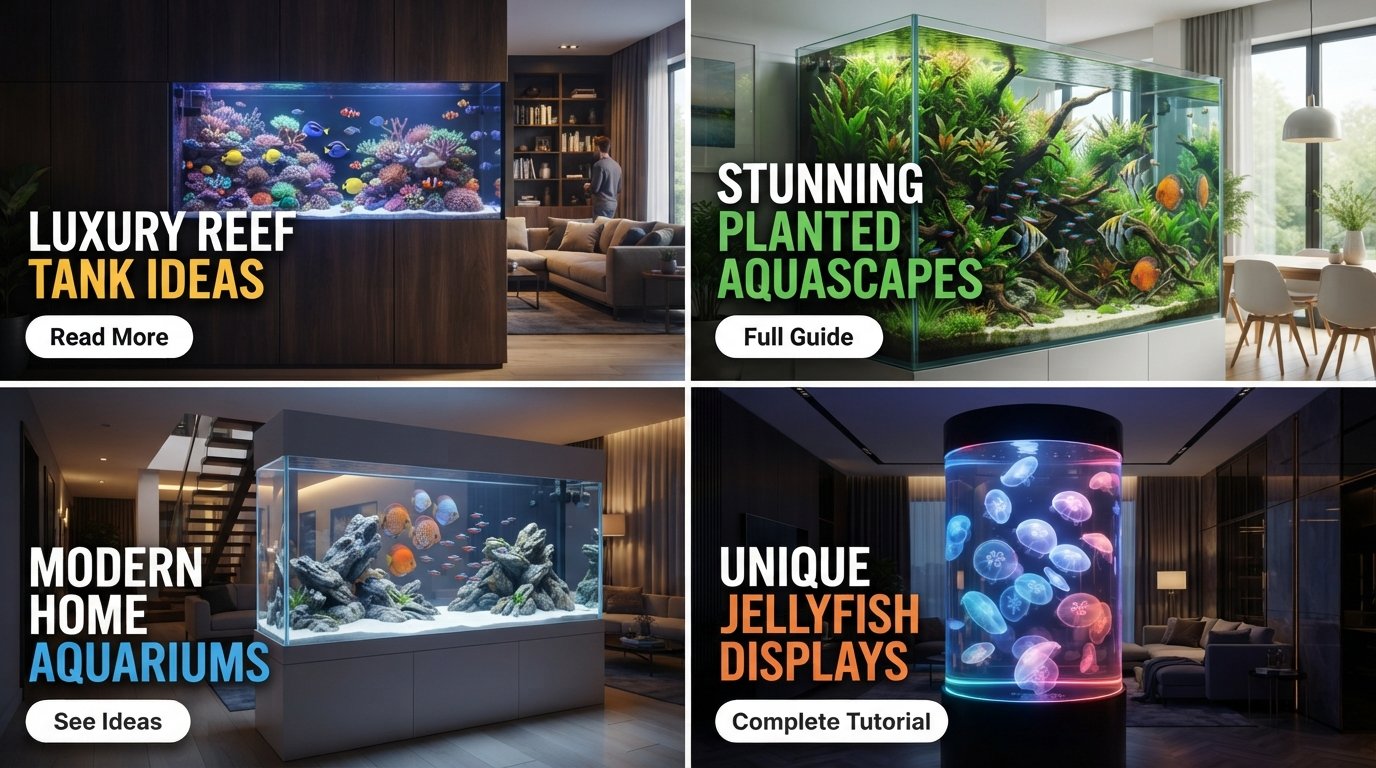
A DIY mini aquarium is a fun and affordable project that allows you to create a beautiful underwater world in a compact space. Whether you want a desktop aquarium, a decorative nano tank, or a planted aquatic display, a mini aquarium adds natural beauty to your home or office without requiring a large footprint.
This guide explains how to build a DIY mini aquarium, choose the right materials, decorate it, and maintain a healthy environment for aquatic plants and animals.
Why Build a DIY Mini Aquarium?
A mini aquarium offers many benefits.
Advantages include:
- Budget-friendly project
- Perfect for small spaces
- Easy to customize
- Beautiful home décor
- Relaxing to watch
- Great beginner project
- Endless creative possibilities
With proper planning, a small aquarium can become an attractive focal point on a desk, shelf, or countertop.
Choosing the Right Aquarium
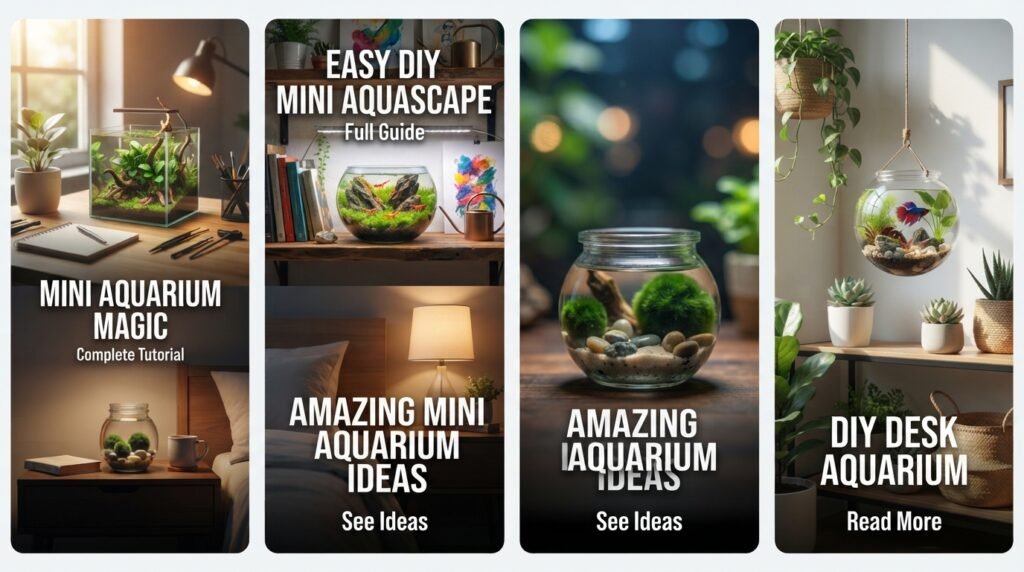
Select a container designed for aquarium use.
Popular choices include:
- Nano glass aquarium
- Rimless cube aquarium
- Small rectangular aquarium
- Desktop aquarium
- Acrylic nano tank
For keeping fish, choose the largest tank your space allows, as larger volumes provide more stable water conditions than very small containers.
Materials You’ll Need
Gather these supplies before you begin:
- Mini aquarium
- Aquarium-safe substrate
- Small rocks
- Aquarium-safe driftwood
- Live aquatic plants
- Sponge filter or nano filter
- Small LED aquarium light
- Aquarium heater (if required by your chosen species)
- Water conditioner
- Water testing kit
Always use products specifically designed for aquariums.
Step-by-Step DIY Setup
Step 1: Rinse the Aquarium
Rinse the tank, substrate, rocks, and decorations using clean water only.
Never use soap or household cleaning products.
Step 2: Add the Substrate
Spread 1–2 inches (2.5–5 cm) of substrate across the bottom.
Choose:
- Fine sand
- Natural gravel
- Planted aquarium soil
Create gentle slopes for a more natural appearance.
Step 3: Arrange Hardscape
Position rocks and driftwood before planting.
Leave open swimming space while creating depth with different heights.
Step 4: Plant Live Plants
Begin with taller plants at the back and shorter plants near the front.
Excellent beginner plants include:
- Java Fern
- Anubias
- Java Moss
- Cryptocoryne
- Bucephalandra
These hardy species require relatively little maintenance.
Step 5: Fill the Aquarium
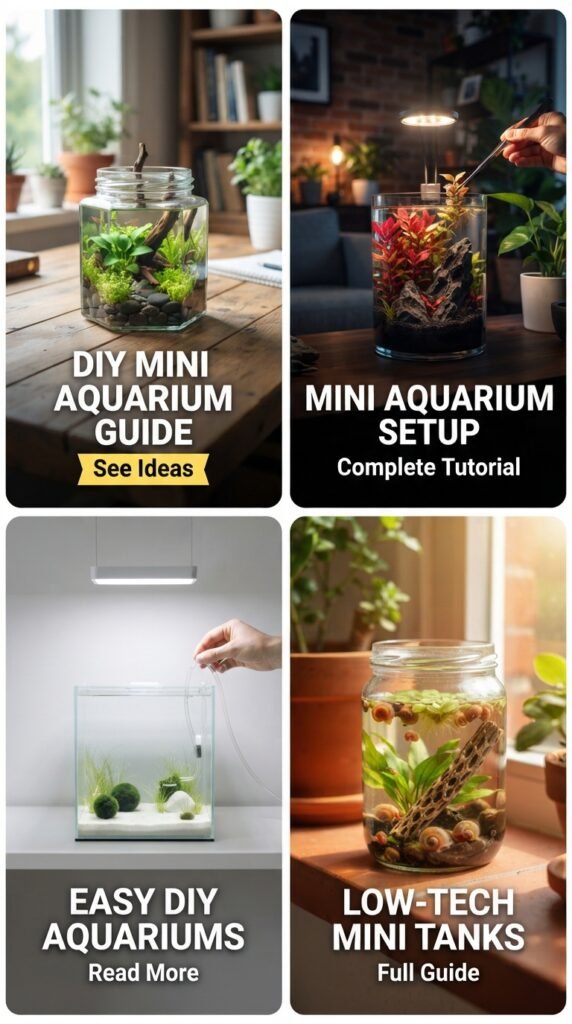
Slowly add conditioned water by pouring it onto a small plate or plastic bag to avoid disturbing the substrate.
Step 6: Install Equipment
Set up the filter, heater (if needed), and LED light according to the manufacturer’s instructions.
Step 7: Cycle the Aquarium
Allow the aquarium to complete the nitrogen cycle before adding fish. Cycling establishes beneficial bacteria that convert harmful waste into less toxic compounds.
DIY Mini Aquarium Design Ideas
Nature Aquarium
Use driftwood, stones, and live plants to recreate a natural stream.
Minimalist Layout
Feature one striking piece of driftwood with a few plants and open swimming space.
Moss Garden
Decorate with moss-covered rocks and driftwood for a lush green display.
Black Sand Aquascape
Pair black substrate with bright green plants and colourful fish for strong visual contrast.
Best Plants
Small aquariums look their best with compact, slow-growing plants.
Recommended choices include:
- Java Moss
- Anubias Nana
- Java Fern
- Dwarf Sagittaria
- Cryptocoryne
- Bucephalandra
- Marimo moss balls
These plants are suitable for beginners and thrive in many nano aquariums.
Suitable Aquarium Animals
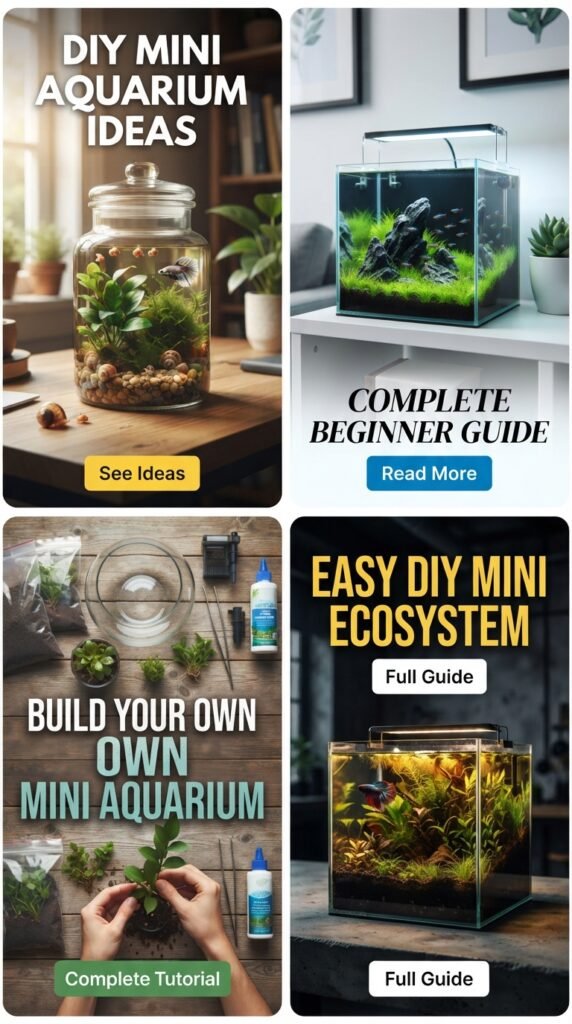
Only keep animals that are appropriate for the size of the aquarium.
Depending on the tank’s capacity, suitable options may include:
- Cherry Shrimp
- Amano Shrimp
- Nerite Snails
- Mystery Snails
If the aquarium is large enough and fully cycled, you may also keep small fish species that are suitable for nano tanks, provided their space and care requirements are met.
Lighting
Provide moderate lighting for healthy plant growth.
Recommended schedule:
- 6–8 hours daily
- Full-spectrum LED lighting
- Automatic timer for consistency
Avoid prolonged direct sunlight, which can encourage algae growth.
Water Parameters
Maintain stable water conditions.
| Parameter | Recommended Range |
|---|---|
| Temperature | 72–78°F (22–26°C), depending on livestock |
| pH | 6.5–7.8 |
| Ammonia | 0 ppm |
| Nitrite | 0 ppm |
| Nitrate | Below 20 ppm |
Always adjust water conditions to meet the needs of your chosen plants and animals.
Maintenance Tips
Perform Weekly Water Changes
Replace 20–30% of the water every week.
Clean the Glass
Use an aquarium-safe sponge or magnetic cleaner to remove algae.
Trim Plants
Prune overgrown plants to maintain the desired layout.
Service the Filter
Rinse filter media in old aquarium water to preserve beneficial bacteria.
Test Water Regularly
Monitor water quality to identify problems before they affect your aquarium.
Common Mistakes to Avoid
Skipping the Nitrogen Cycle
Adding animals before the aquarium is fully cycled can expose them to harmful ammonia and nitrite.
Overstocking
Small aquariums have limited capacity. Choose livestock carefully and avoid overcrowding.
Overfeeding
Uneaten food pollutes the water and encourages algae growth.
Excessive Lighting
Long lighting periods can lead to unwanted algae.
Using Unsafe Decorations
Only use decorations specifically made for aquariums or proven aquarium-safe natural materials.
Decorating Tips
Enhance your mini aquarium with:
- Smooth river stones
- Small driftwood pieces
- Lava rocks
- Moss-covered branches
- Floating plants
- Fine sand
- Natural gravel
A simple layout often creates the most attractive display.
Benefits of a DIY Mini Aquarium
A DIY mini aquarium provides:
- A rewarding creative project
- Relaxing natural décor
- Opportunities to learn aquarium care
- Beautiful aquatic plants
- Compact design for small spaces
- Endless aquascaping possibilities
With consistent care, it can become a long-lasting feature in your home or office.
Conclusion
A DIY mini aquarium is an enjoyable way to create a beautiful underwater environment without needing a large tank. By choosing quality materials, using hardy plants, cycling the aquarium properly, and performing regular maintenance, you can build a healthy and attractive nano aquarium that brings nature into even the smallest spaces.
Frequently Asked Questions
What size is best for a DIY mini aquarium?
For beginners, a tank of 5–10 gallons is often easier to maintain than very small containers because the water conditions are generally more stable.
Can I keep fish in a mini aquarium?
Yes, but only if the aquarium is large enough, fully cycled, and suitable for the species you choose. Very small containers are often better suited to shrimp, snails, or planted displays.
Do mini aquariums need a filter?
A filter is highly recommended for aquariums with fish and is beneficial for most nano setups because it helps maintain water quality.
Which plants are best for beginners?
Java Fern, Anubias, Java Moss, Bucephalandra, and Cryptocoryne are excellent beginner-friendly plants.
How often should I change the water?
Replace 20–30% of the water every week to maintain good water quality and support healthy plants and animals.
Can I decorate my mini aquarium with natural materials?
Yes. Smooth rocks, aquarium-safe driftwood, and live plants are excellent choices, provided they are cleaned properly and are safe for aquarium use.