
 By admin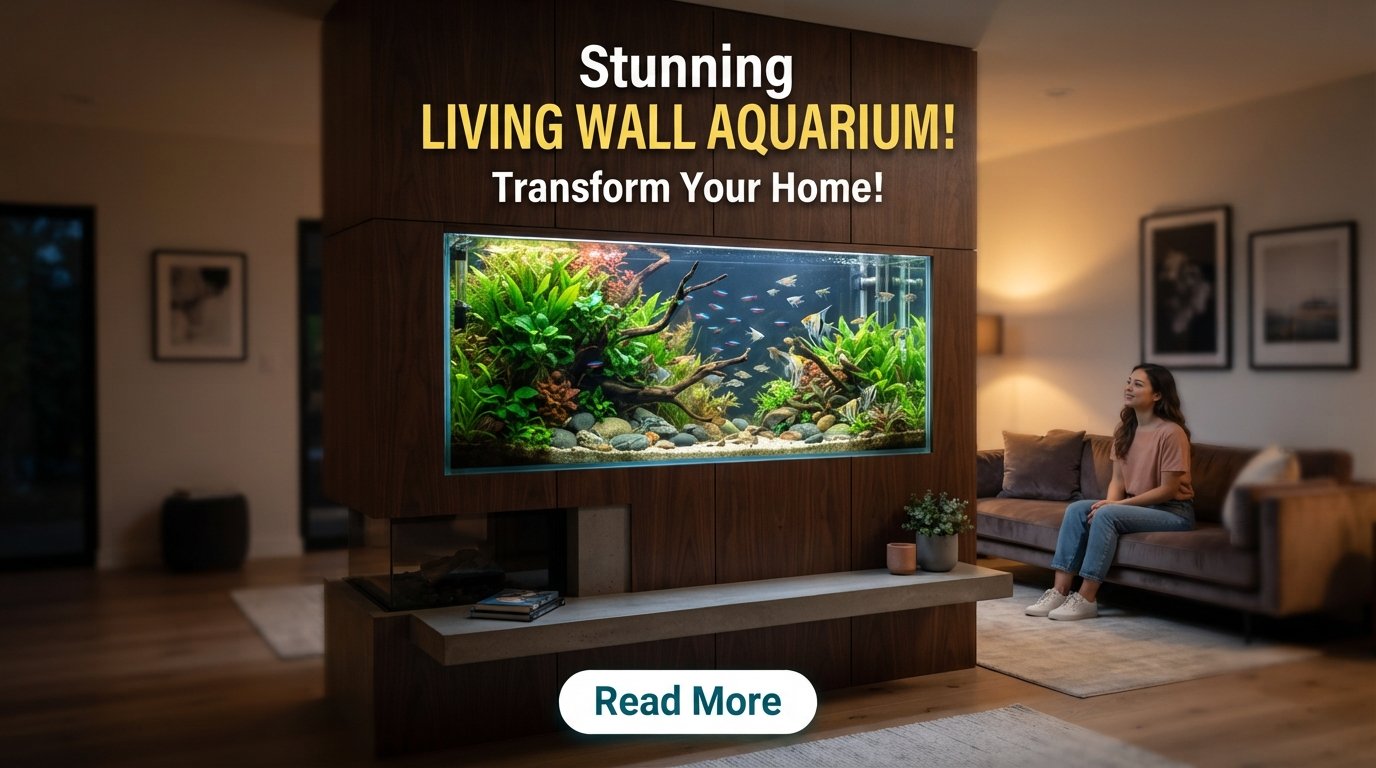
A fish tank wall aquarium design transforms an ordinary wall into a breathtaking living feature. Whether installed in a living room, office, hotel, or restaurant, a wall aquarium combines modern architecture with the beauty of aquatic life. From sleek built-in displays to double-sided room dividers, wall aquariums create a luxurious atmosphere while maximizing floor space.
This guide covers everything you need to know about designing, installing, and maintaining a stunning wall aquarium.
Why Choose a Wall Aquarium?
A wall aquarium offers both aesthetic and practical benefits.
Advantages include:
- Creates a luxurious focal point
- Saves valuable floor space
- Enhances modern interior design
- Provides relaxing views of aquatic life
- Can separate living areas
- Increases the visual appeal of a room
- Suitable for homes and commercial spaces
A professionally designed wall aquarium becomes a permanent architectural feature that adds beauty and value to the space.
Types of Wall Aquarium Designs
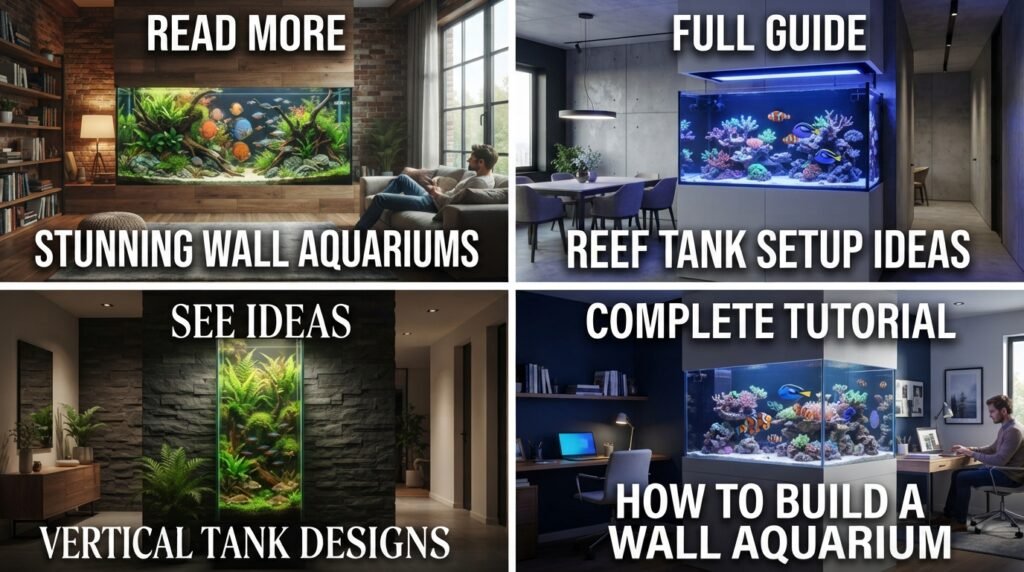
Built-In Wall Aquarium
A built-in aquarium is recessed into the wall, creating a seamless appearance.
Best for:
- Living rooms
- Hallways
- Dining rooms
- Office reception areas
Flush-Mounted Aquarium
The aquarium sits nearly level with the wall surface, giving a clean and contemporary look.
Double-Sided Wall Aquarium
This style acts as a partition between two rooms while allowing clear viewing from both sides.
Popular locations include:
- Kitchen and dining room
- Living room and office
- Lounge and hallway
Floor-to-Ceiling Aquarium
A tall aquarium creates a dramatic statement and works well in homes with high ceilings.
Choosing the Right Aquarium Size
The ideal size depends on available wall space and the fish you plan to keep.
Popular options include:
- 75-gallon aquarium
- 120-gallon aquarium
- 180-gallon aquarium
- 240-gallon aquarium
- Custom-built wall aquariums
Larger aquariums generally provide more stable water conditions and greater aquascaping opportunities.
Freshwater or Saltwater?
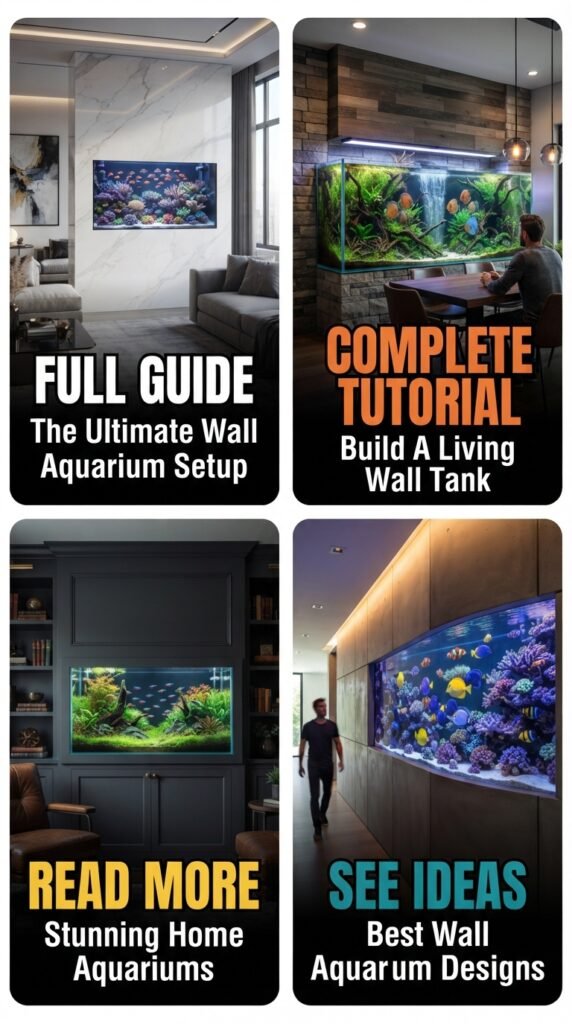
Freshwater Wall Aquarium
Freshwater aquariums are easier to maintain and suitable for most homeowners.
Popular fish include:
- Guppies
- Angelfish
- Neon Tetras
- Rainbowfish
- Corydoras
- Pearl Gouramis
Saltwater Wall Aquarium
Marine aquariums offer colourful fish and corals but require specialised equipment and more advanced care.
Popular inhabitants include:
- Clownfish
- Gobies
- Blennies
- Cleaner Shrimp
- Soft Corals
Essential Equipment
Every wall aquarium should include:
- High-quality filtration system
- Aquarium heater
- LED lighting
- Water circulation pump
- Thermometer
- Water testing kit
- Automatic lighting timer
Position equipment so it can be accessed easily for maintenance.
Aquascaping Ideas
Nature Aquarium
Use driftwood, stones, and live plants to recreate a natural river environment.
Minimalist Layout
Feature a few carefully placed rocks and plants with plenty of open swimming space.
Jungle Aquascape
Create a lush underwater forest using dense aquatic plants.
Rocky Habitat
Build caves and rock formations for cichlids or other rock-dwelling fish.
Reef Display
Arrange live rock and corals to create a colourful marine ecosystem.
Best Plants for Freshwater Wall Aquariums
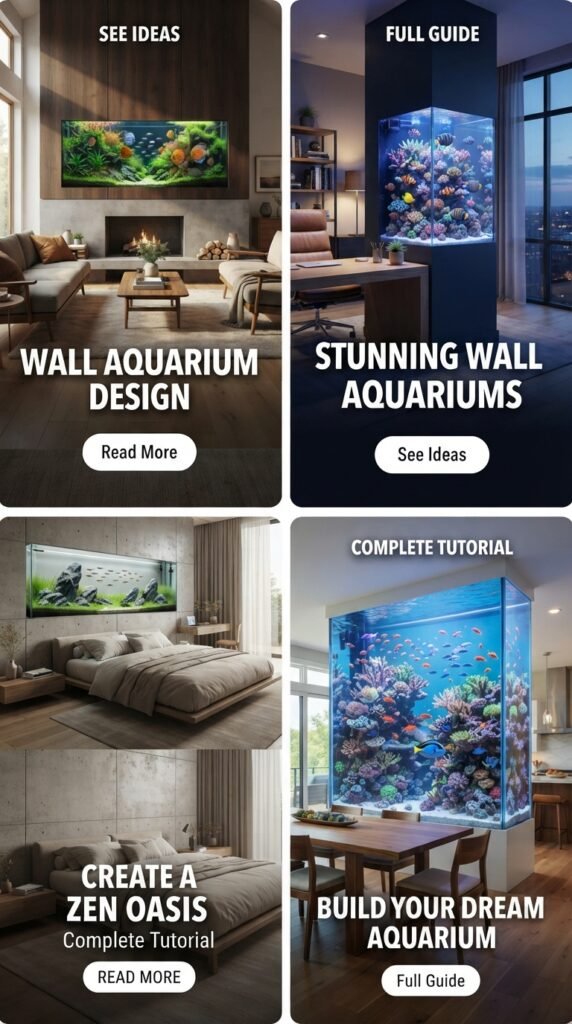
Live plants improve water quality and add natural beauty.
Excellent choices include:
- Java Fern
- Anubias
- Amazon Sword
- Vallisneria
- Cryptocoryne
- Java Moss
- Bucephalandra
Arrange taller plants at the back and shorter species toward the front to create depth.
Best Fish for a Wall Aquarium
Peaceful community fish are ideal for many wall aquariums.
Popular choices include:
- Neon Tetras
- Cardinal Tetras
- Harlequin Rasboras
- Pearl Gouramis
- Corydoras Catfish
- Cherry Shrimp
Always select species with similar care requirements.
Lighting Ideas
LED lighting enhances both the aquarium and the room.
Recommended options include:
- Full-spectrum LED lights
- Adjustable brightness
- Blue accent lighting
- Programmable timers
- Sunrise and sunset effects
For planted aquariums, a lighting period of 6–8 hours per day is suitable for many setups.
Water Parameters
Maintain stable water conditions for healthy fish and plants.
| Parameter | Recommended Range |
|---|---|
| Temperature | 75–80°F (24–27°C) |
| pH | 6.5–7.8 |
| Ammonia | 0 ppm |
| Nitrite | 0 ppm |
| Nitrate | Below 20–40 ppm |
Adjust these values if your chosen fish require different conditions.
Installation Tips
A successful wall aquarium begins with proper planning.
Consider the following:
- Ensure the wall or supporting structure can safely bear the aquarium’s weight.
- Provide easy access for filter maintenance and water changes.
- Include ventilation inside cabinetry to reduce moisture buildup.
- Install nearby electrical outlets with drip loops for safety.
- Leave enough clearance for lighting and equipment.
Professional installation is recommended for large built-in aquariums.
Maintenance Tips
Perform Weekly Water Changes
Replace 20–30% of the water every week to maintain excellent water quality.
Clean the Viewing Glass
Use an aquarium-safe magnetic cleaner to remove algae.
Trim Live Plants
Prune plants regularly to preserve the aquascape.
Maintain Equipment
Inspect filters, heaters, pumps, and lighting to ensure reliable operation.
Test Water Quality
Check ammonia, nitrite, nitrate, pH, and temperature on a regular schedule.
Common Mistakes to Avoid
Ignoring Structural Support
Large aquariums are extremely heavy and require adequate structural support.
Limited Maintenance Access
Always design the installation so routine servicing is convenient.
Overstocking
Too many fish increase waste and reduce water quality.
Excessive Decorations
Leave open swimming space to create a balanced and natural appearance.
Poor Lighting Placement
Avoid positioning the aquarium where it receives prolonged direct sunlight.
Interior Design Ideas
Luxury Living Room
Install a large wall aquarium with a minimalist cabinet and hidden equipment.
Dining Room Feature
Create a relaxing atmosphere with a built-in aquarium visible from the dining table.
Office Reception
A wall aquarium offers a professional and welcoming first impression.
Bedroom Accent
A softly illuminated aquarium adds a peaceful ambience to a sleeping area.
Benefits of a Wall Aquarium Design
A wall aquarium provides:
- Elegant architectural appeal
- Space-saving installation
- Stunning aquatic display
- Endless aquascaping possibilities
- A calming atmosphere
- Long-lasting visual impact
It is one of the most impressive ways to incorporate nature into interior design.
Conclusion
A fish tank wall aquarium design combines contemporary architecture with the beauty of aquatic life. Whether you choose a planted freshwater display or a vibrant marine reef, thoughtful planning, quality equipment, and consistent maintenance will help you create a healthy aquarium that serves as a spectacular focal point for years to come.
Frequently Asked Questions
Is a wall aquarium suitable for a home?
Yes. Wall aquariums are popular in homes, offices, hotels, and restaurants, provided the structure can safely support the aquarium’s weight.
How much space is needed behind a wall aquarium?
Leave enough room to access filters, heaters, lighting, and plumbing for routine maintenance and repairs.
Can I install a wall aquarium in a load-bearing wall?
It may be possible, but modifications to load-bearing walls should only be carried out with guidance from a qualified structural professional.
Are wall aquariums difficult to maintain?
Maintenance is similar to that of traditional aquariums, but proper planning is essential to ensure easy access to equipment.
What fish are best for a wall aquarium?
Peaceful species such as guppies, neon tetras, rasboras, pearl gouramis, corydoras, and many shrimp species are excellent choices for freshwater wall aquariums.
Can I grow live plants in a wall aquarium?
Yes. Hardy plants like Java Fern, Anubias, Vallisneria, Amazon Sword, and Cryptocoryne thrive in many well-maintained freshwater wall aquariums.