
 By admin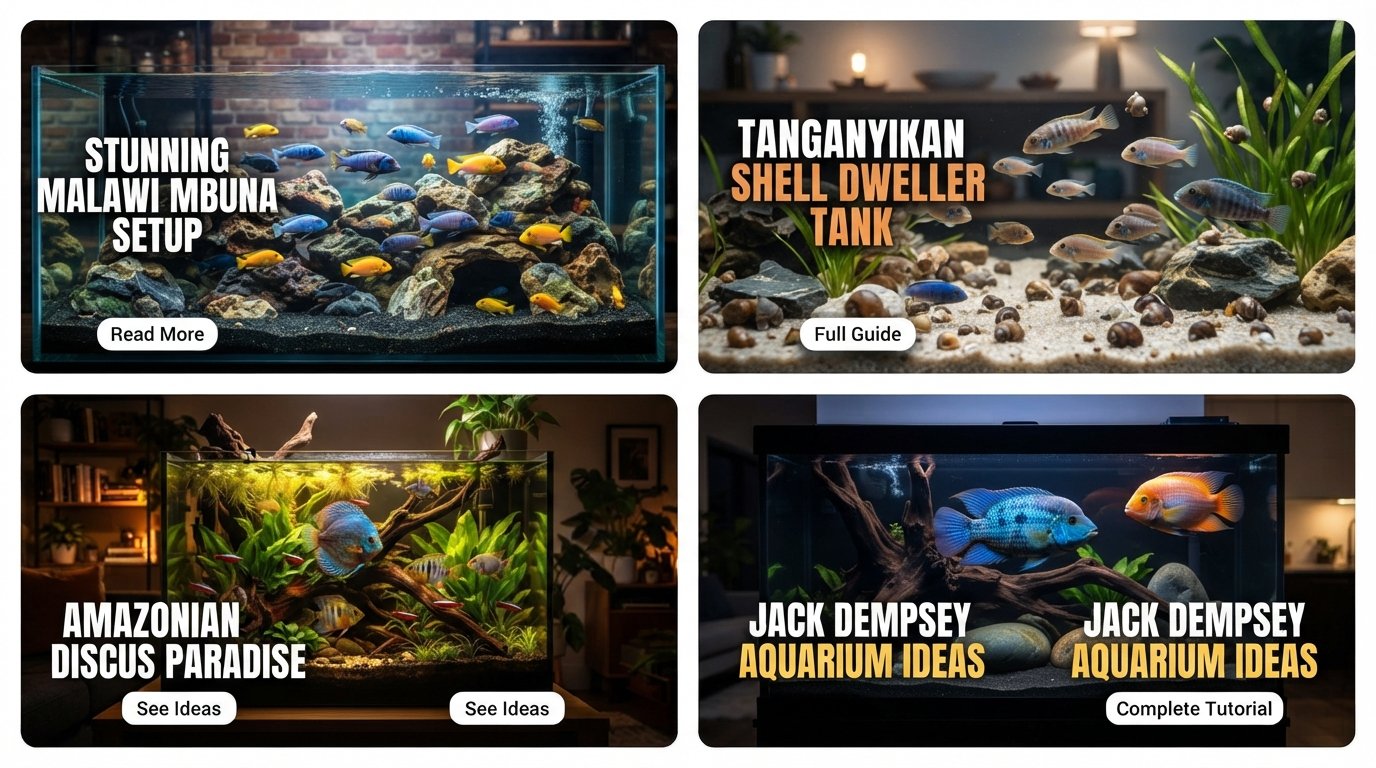
A cichlid aquarium is one of the most exciting and rewarding aquarium setups you can create. Known for their brilliant colours, fascinating personalities, and unique behaviours, cichlids thrive in aquariums designed to match their natural habitats. Whether you’re keeping African cichlids from Lake Malawi, Tanganyika species, or South American cichlids, the right tank design helps reduce stress, encourages natural behaviour, and creates a stunning underwater display.
This guide explores the best cichlid aquarium ideas, aquascaping styles, equipment, and maintenance tips for building a healthy and attractive cichlid tank.
Why Choose a Cichlid Aquarium?
Cichlids are among the most popular freshwater aquarium fish.
Benefits include:
- Vibrant colours
- Active and intelligent behaviour
- Wide variety of species
- Unique breeding habits
- Impressive display aquarium
- Long lifespan with proper care
- Endless aquascaping possibilities
A thoughtfully designed aquarium allows these fascinating fish to display their natural behaviours.
Choosing the Right Aquarium Size
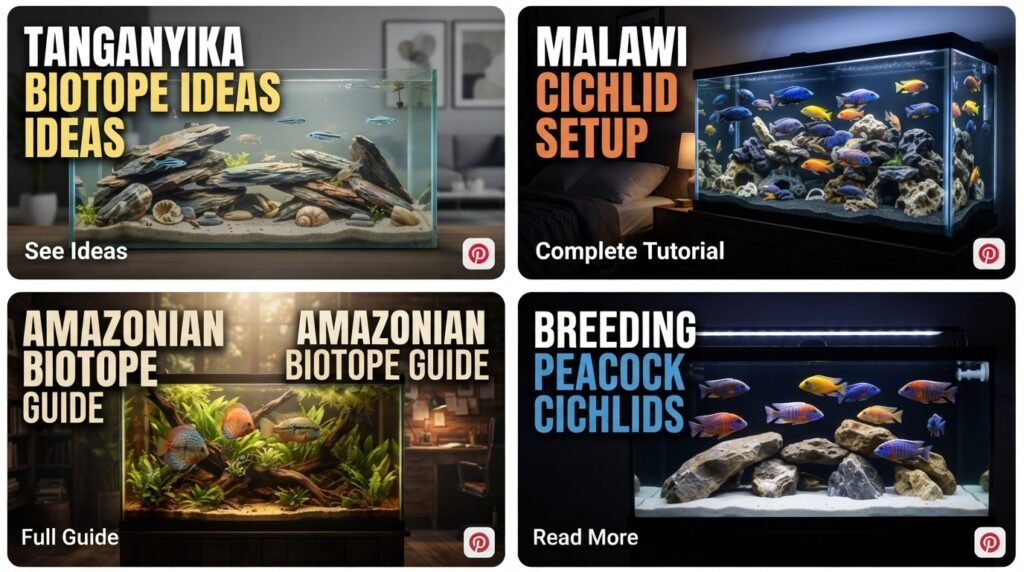
Cichlids need plenty of swimming space and clearly defined territories.
Popular aquarium sizes include:
- 40 gallons for smaller cichlid species
- 55 gallons for beginner African cichlid communities
- 75 gallons for larger groups
- 125 gallons for mixed communities
- 180 gallons or larger for premium displays
Always choose a tank based on the adult size and behaviour of the species you plan to keep.
Types of Cichlid Aquariums
African Cichlid Tank
African cichlids are known for their bright colours and active personalities.
Typical features include:
- Rock formations
- Sand substrate
- Multiple caves
- Strong filtration
- Open swimming areas
South American Cichlid Tank
These aquariums recreate slow-moving rivers and flooded forests.
Common features include:
- Driftwood
- Smooth rocks
- Fine sand
- Hardy plants
- Natural-looking décor
Tanganyika Aquarium
Lake Tanganyika species prefer rocky habitats and shell beds.
Include:
- Limestone rocks
- Empty snail shells (for shell-dwelling species)
- Sand substrate
- Stable water conditions
Best Aquascaping Ideas
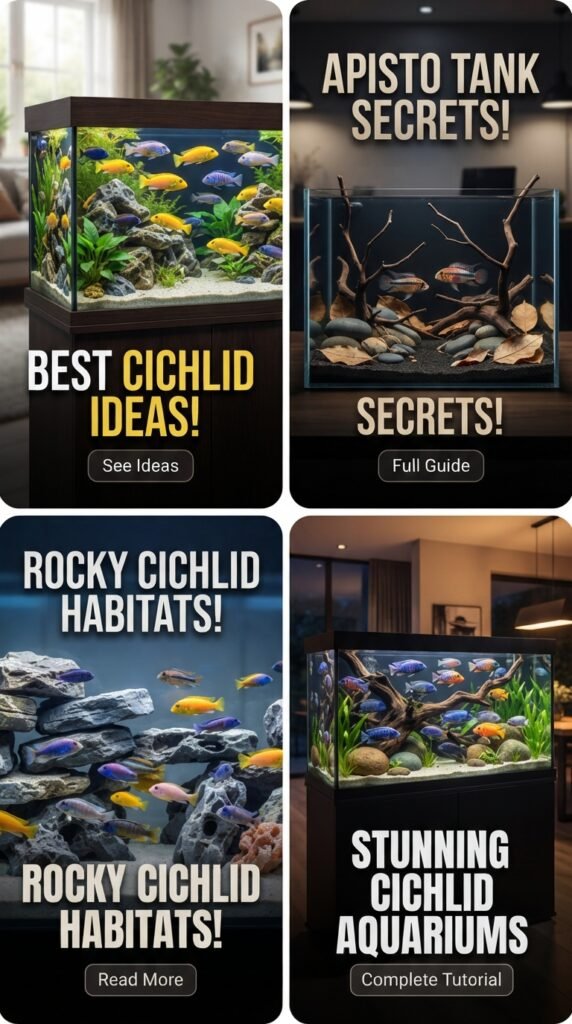
Rocky Mountain Layout
Stack aquarium-safe rocks to build caves, ledges, and hiding places.
This design works especially well for African cichlids.
Natural River Habitat
Use driftwood, rounded stones, and sand to recreate a South American environment.
Cliff Wall Design
Construct a dramatic rock wall along the back of the aquarium while leaving open swimming space at the front.
Island Aquascape
Arrange several isolated rock piles to create natural territories and reduce aggression.
Best Substrate
Choose a substrate suited to your cichlids.
Popular options include:
- Fine aquarium sand
- Crushed coral (where appropriate for species requiring harder water)
- Natural gravel
- Aragonite sand for some African lake setups
Research your chosen species before selecting a substrate, as different cichlids have different water chemistry needs.
Best Decorations
Decorations should provide shelter while allowing fish to establish territories.
Good choices include:
- Natural rocks
- Slate
- Lava rock
- Aquarium-safe caves
- Driftwood
- Ceramic caves
- Smooth stones
Ensure all heavy rocks are stable and cannot shift.
Can You Use Live Plants?
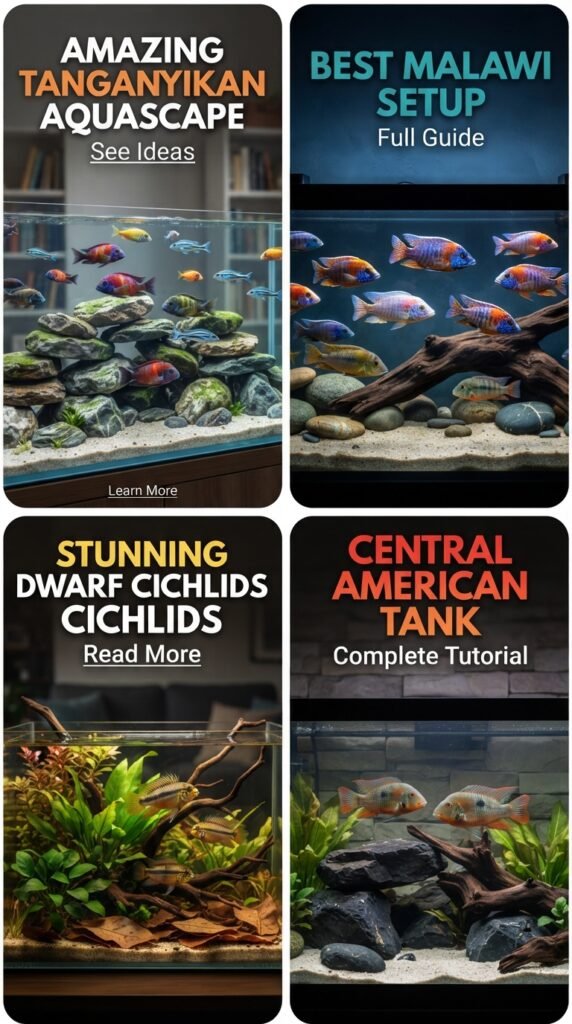
Some cichlids uproot or eat plants, but hardy species often perform well.
Suitable plants include:
- Anubias
- Java Fern
- Vallisneria
- Java Moss
- Amazon Sword (with compatible species)
Attach plants to rocks or driftwood when possible to reduce damage.
Best Cichlid Species
Popular aquarium cichlids include:
- Electric Yellow Cichlid
- Peacock Cichlid
- Frontosa
- Kribensis
- German Blue Ram
- Angelfish
- Discus
- Firemouth Cichlid
- Convict Cichlid
- Severum
Avoid mixing species with significantly different water requirements or temperaments.
Filtration
Cichlids produce a considerable amount of waste.
Recommended filtration includes:
- Canister filter
- Large hang-on-back filter
- Internal filter for additional circulation
- Biological filter media
- Mechanical filter pads
Aim for strong filtration without creating excessive turbulence for species that prefer calmer water.
Lighting
Quality lighting enhances fish colours and supports plant growth.
Recommended features include:
- Full-spectrum LED lighting
- Adjustable brightness
- Automatic timer
- 6–8 hours of lighting daily
Avoid excessive lighting if algae becomes a problem.
Water Parameters
General freshwater recommendations:
| Parameter | Recommended Range |
|---|---|
| Temperature | 75–80°F (24–27°C) |
| pH | Species dependent (many African cichlids prefer alkaline water, while many South American species prefer softer, more acidic conditions) |
| Ammonia | 0 ppm |
| Nitrite | 0 ppm |
| Nitrate | Below 20–40 ppm |
Always match water parameters to the needs of your specific cichlid species.
Feeding Cichlids
Offer a varied, high-quality diet.
Suitable foods include:
- Premium cichlid pellets
- Cichlid flakes
- Frozen brine shrimp
- Frozen mysis shrimp
- Spirulina-based foods for herbivorous species
- Occasional vegetable treats where appropriate
Feed only what the fish can consume within a few minutes.
Maintenance Tips
Perform Weekly Water Changes
Replace 20–30% of the water each week.
Clean the Filter
Rinse filter media using aquarium water to preserve beneficial bacteria.
Remove Debris
Vacuum the substrate regularly to remove uneaten food and waste.
Inspect Decorations
Check that rocks and caves remain stable and secure.
Monitor Fish Behaviour
Watch for signs of excessive aggression, illness, or territorial disputes.
Common Mistakes to Avoid
Overstocking
Too many fish increase stress and reduce water quality.
Mixing Incompatible Species
Different cichlids often require different water chemistry and have varying aggression levels.
Weak Filtration
Cichlid tanks require robust biological and mechanical filtration.
Too Few Hiding Places
Insufficient shelter can increase territorial aggression.
Ignoring Water Quality
Regular testing helps prevent many health problems.
Interior Design Ideas
Modern Living Room
Use a rimless aquarium with dark rocks and hidden equipment for a sleek appearance.
Office Display
A colourful African cichlid aquarium creates a lively focal point.
Nature-Inspired Room
Pair a South American cichlid aquarium with wooden furniture and natural décor.
Large Feature Wall
Install a built-in cichlid aquarium as an impressive architectural centrepiece.
Benefits of a Cichlid Aquarium
A cichlid aquarium offers:
- Brilliant colours
- Dynamic fish behaviour
- Endless aquascaping opportunities
- Long-term enjoyment
- Educational value
- A striking display for any room
With proper planning and care, a cichlid aquarium can become one of the most rewarding freshwater aquarium projects.
Conclusion
A cichlid aquarium combines vibrant fish, dramatic rockwork, and engaging behaviour to create an unforgettable aquatic display. By selecting compatible species, designing the aquarium around their natural habitat, and maintaining excellent water quality, you can enjoy a healthy and visually stunning cichlid tank for many years.
Whether you choose colourful African cichlids or elegant South American species, careful planning is the foundation of a successful aquarium.
Frequently Asked Questions
What size aquarium is best for cichlids?
A 55-gallon aquarium is a good starting point for many cichlid communities, although larger species often require tanks of 75 gallons or more.
Are cichlids aggressive?
Many cichlid species are territorial, but aggression varies greatly depending on the species, aquarium size, stocking strategy, and aquascape.
Can cichlids live with plants?
Some species can. Hardy plants such as Anubias and Java Fern are often the best choices because they can be attached to rocks or driftwood.
What substrate is best for cichlids?
Fine sand is an excellent option for many species, while some African cichlid setups also use crushed coral or aragonite to help maintain appropriate water chemistry.
How often should I clean a cichlid aquarium?
Weekly partial water changes, regular substrate vacuuming, and routine filter maintenance help maintain excellent water quality.
Can different cichlid species live together?
Some compatible species can coexist successfully, but always research their adult size, temperament, and water requirements before combining them in the same aquarium.