
 By admin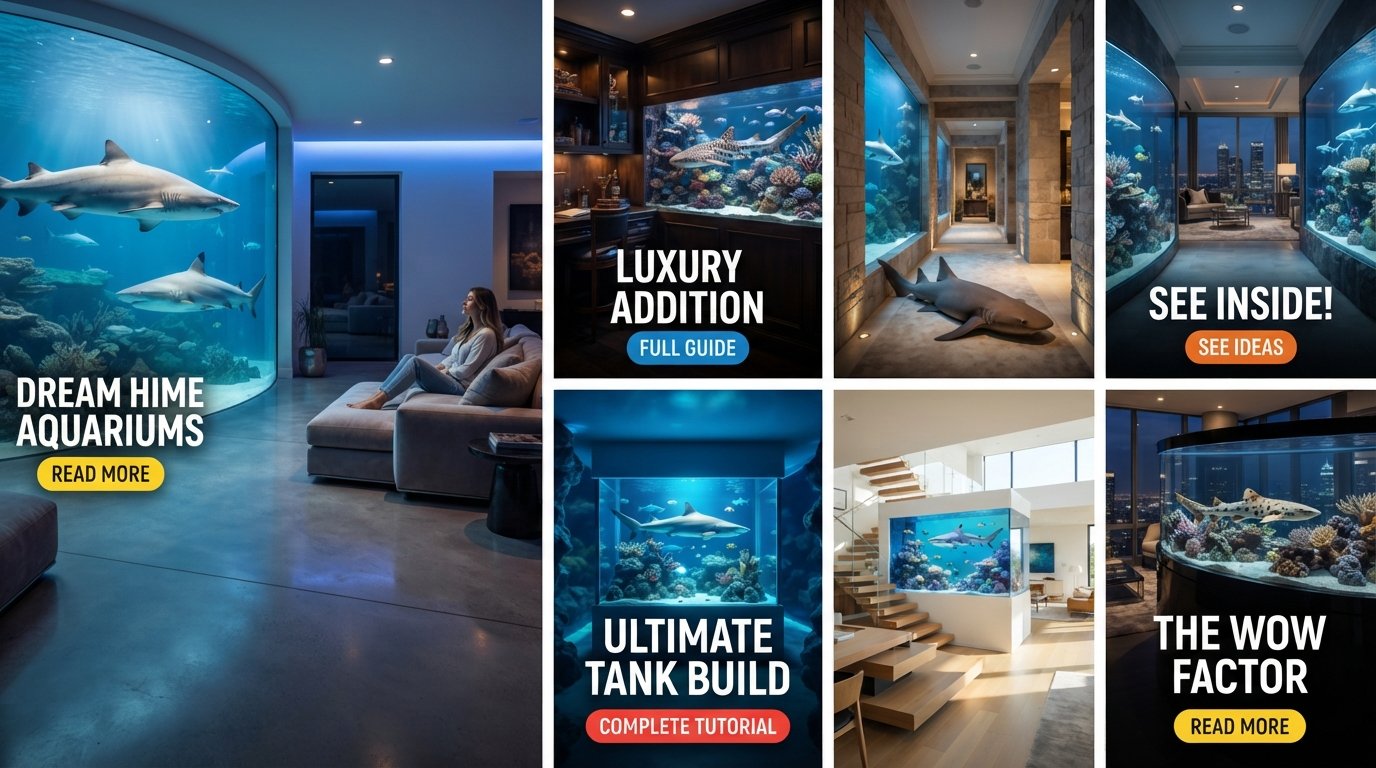
A shark aquarium home setup creates one of the most impressive aquatic displays you can have. While the large sharks seen in the ocean are not suitable for home aquariums, several freshwater and marine species commonly called “aquarium sharks” can thrive in properly designed tanks. With the right aquarium size, powerful filtration, and carefully selected tank mates, you can build a stunning shark-inspired aquarium that becomes the centerpiece of your home.
This guide covers the best aquarium sharks, tank setup ideas, equipment, aquascaping, and maintenance tips for creating a successful home shark aquarium.
Can You Keep a Shark in a Home Aquarium?
Yes, but only certain species are suitable for home aquariums.
Popular aquarium sharks include:
- Bala Shark
- Rainbow Shark
- Red Tail Shark
- Roseline Shark
- Coral Catshark
- Bamboo Shark
Always research the adult size and care requirements before purchasing any shark species.
Why Choose a Shark Aquarium?

A shark-themed aquarium offers many advantages.
Benefits include:
- Unique centerpiece for your home
- Active and fascinating fish
- Eye-catching swimming behavior
- Large aquascaping opportunities
- Educational experience
- Suitable for freshwater or marine setups
- Modern interior decoration
A well-designed shark aquarium provides both beauty and excitement.
Choosing the Right Aquarium Size
Most aquarium sharks require spacious tanks.
Recommended aquarium sizes include:
- 75 gallons for smaller freshwater shark species
- 125 gallons for Bala Sharks
- 180 gallons or larger for groups or larger species
- 200 gallons or more for many marine shark species such as bamboo sharks
Larger aquariums provide better swimming space and more stable water conditions.
Freshwater Shark Aquarium Ideas
Freshwater “sharks” are actually fish that resemble sharks in appearance or behavior.
Popular species include:
- Rainbow Shark
- Red Tail Shark
- Bala Shark
- Roseline Shark
These fish are ideal for large freshwater community aquariums with compatible tank mates.
Marine Shark Aquarium Ideas

Marine shark aquariums require advanced care.
Suitable home species include:
- Bamboo Shark
- Coral Catshark
- Epaulette Shark (only for experienced keepers with very large systems)
Marine shark aquariums require powerful filtration, stable water chemistry, and significant swimming space.
Essential Equipment
A successful shark aquarium requires reliable equipment.
Basic equipment includes:
- Large aquarium
- High-capacity filtration system
- Protein skimmer (marine aquariums)
- Water circulation pumps
- Aquarium heater
- LED lighting
- Thermometer
- Water testing kit
High-quality filtration is especially important because larger fish produce substantial waste.
Aquascaping Ideas
Open Ocean Theme
Use open sand areas with minimal decorations to maximize swimming space.
Rocky Habitat
Arrange large rocks and caves around the edges while leaving the center open.
Driftwood Layout
For freshwater shark species, combine driftwood with smooth stones and hardy plants.
Lagoon Design
Use sand, natural rocks, and gentle curves to create a peaceful coastal appearance.
Best Substrate
Suitable substrate choices include:
- Fine aquarium sand
- Smooth gravel
- Marine sand for saltwater aquariums
Avoid sharp gravel that could injure bottom-dwelling shark species.
Best Plants for Freshwater Shark Tanks

Hardy plants work best because active fish may disturb delicate species.
Recommended plants include:
- Java Fern
- Anubias
- Vallisneria
- Amazon Sword
- Java Moss
Attach plants to rocks or driftwood whenever possible.
Compatible Tank Mates
Compatibility depends on the shark species.
Suitable companions for many freshwater shark setups include:
- Silver Dollars
- Giant Danios
- Congo Tetras
- Larger Rainbowfish
- Peaceful Catfish
- Larger Barbs
Avoid keeping highly aggressive or very small fish with shark-like species.
Lighting
Proper lighting improves aquarium appearance.
Recommended features include:
- Full-spectrum LED lighting
- Adjustable brightness
- Automatic timer
- 6–8 hours of lighting daily
Marine reef systems may require specialized lighting if corals are present.
Water Parameters
General recommendations vary by species.
| Parameter | Freshwater | Marine |
|---|---|---|
| Temperature | 75–80°F (24–27°C) | 76–78°F (24–26°C) |
| pH | 6.8–7.8 (species dependent) | 8.1–8.4 |
| Ammonia | 0 ppm | 0 ppm |
| Nitrite | 0 ppm | 0 ppm |
| Nitrate | Below 20–40 ppm | As low as practical |
Always adjust water conditions to meet the needs of the specific species you keep.
Feeding Aquarium Sharks
Offer a varied, nutritious diet.
Suitable foods include:
- High-quality pellets
- Frozen shrimp
- Krill
- Earthworms
- Bloodworms
- Marine seafood for saltwater species
- Species-appropriate prepared foods
Feed moderate portions to maintain good water quality.
Maintenance Tips
Perform Weekly Water Changes
Replace 20–30% of the water each week.
Maintain Strong Filtration
Clean filter media using aquarium water to preserve beneficial bacteria.
Test Water Frequently
Monitor ammonia, nitrite, nitrate, pH, and temperature regularly.
Leave Open Swimming Space
Avoid overcrowding the aquarium with decorations.
Observe Fish Behavior
Watch for signs of stress, aggression, or illness.
Common Mistakes to Avoid
Buying a Tank That Is Too Small
Many aquarium shark species grow much larger than expected.
Overstocking
Large fish require generous swimming space and excellent filtration.
Choosing Incompatible Tank Mates
Research each species before introducing new fish.
Ignoring Adult Size
Always plan for the fish’s full adult length rather than its size at purchase.
Poor Water Quality
Large fish are sensitive to unstable or polluted water conditions.
Home Design Ideas
Living Room Centerpiece
Install a large aquarium on a sturdy cabinet with hidden equipment.
Home Office
A spacious freshwater shark aquarium creates an impressive focal point.
Entertainment Room
Use a large built-in aquarium with dramatic lighting.
Entryway Display
Welcome guests with a modern aquarium featuring open aquascaping and active fish.
Benefits of a Shark Aquarium
A home shark aquarium provides:
- A striking visual display
- Active and engaging fish
- Unique aquascaping opportunities
- Educational value
- Long-term enjoyment
- A luxurious addition to home décor
With proper planning and maintenance, it can become one of the most impressive aquariums in your home.
Conclusion
A shark aquarium home setup offers an exciting way to showcase remarkable fish in a beautifully designed aquatic environment. Whether you choose freshwater species like Bala Sharks and Rainbow Sharks or advanced marine species such as Bamboo Sharks, success depends on providing a spacious aquarium, excellent filtration, compatible tank mates, and species-specific care.
By planning carefully and maintaining stable water conditions, you can enjoy a healthy and captivating shark aquarium for many years.
Frequently Asked Questions
Can I keep a real shark at home?
Yes, but only certain small shark species are suitable for home aquariums. Most ocean sharks grow far too large and have specialized needs that cannot be met in a typical home aquarium.
What is the best shark for beginners?
For freshwater aquariums, Rainbow Sharks and Red Tail Sharks are popular beginner-friendly choices when housed in appropriately sized tanks. Marine sharks are generally recommended only for experienced aquarists.
How large should a shark aquarium be?
It depends on the species. Many freshwater shark-like fish need at least 75–125 gallons, while marine sharks often require 200 gallons or much larger.
Can aquarium sharks live with other fish?
Yes, many species can live with compatible tank mates of similar size and temperament. Avoid housing them with very small fish or aggressive species unless compatibility has been carefully researched.
Do aquarium sharks need special food?
Most aquarium sharks thrive on high-quality prepared foods supplemented with frozen or fresh protein sources appropriate for their species.
Are home aquarium sharks difficult to care for?
Freshwater shark-like fish are generally suitable for intermediate hobbyists, while marine shark species require advanced knowledge, larger aquariums, and specialized equipment.