
 By admin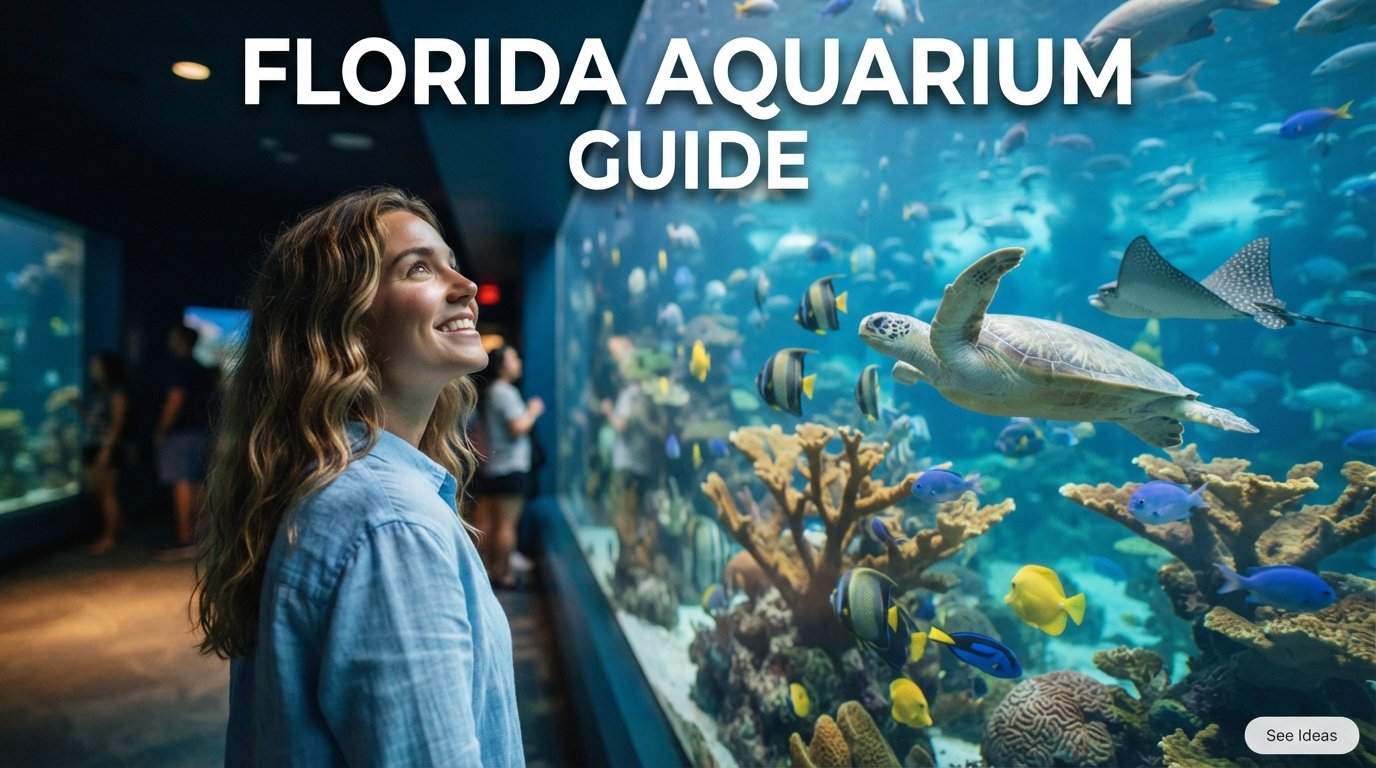
The Florida Aquarium is a popular destination for people interested in marine life, freshwater ecosystems, tropical habitats, and conservation. Located in Tampa, Florida, this large public aquarium gives visitors an opportunity to explore underwater environments and learn about animals that live in Florida’s waters and other aquatic ecosystems around the world.
For aquarium lovers, the Florida Aquarium can also be a great source of inspiration. Its natural-looking habitats, colorful fish, aquatic plants, coral environments, and carefully designed exhibits demonstrate how different aquatic ecosystems can be recreated in a controlled environment.
Whether you are planning a family visit, researching aquarium attractions, or looking for ideas for your own fish tank, learning about the Florida Aquarium can provide plenty of interesting information.
What Is the Florida Aquarium?
The Florida Aquarium is a major public aquarium in Tampa that focuses on aquatic animals, habitats, education, and conservation.
Unlike a simple fish display, a modern public aquarium attempts to recreate different ecosystems. Visitors can move through exhibits representing freshwater environments, wetlands, coastal habitats, coral reefs, and other aquatic environments.
The aquarium’s exhibits are designed to show the relationships between animals, plants, water, and their surrounding habitats.
This makes a public aquarium both an entertainment destination and an educational experience.
Where Is the Florida Aquarium?
The Florida Aquarium is located in downtown Tampa, Florida, making it a convenient attraction for visitors exploring the city’s waterfront and surrounding attractions.
Its location also makes it an interesting destination for families, tourists, school groups, and aquarium enthusiasts.
Before planning a visit, it is always a good idea to check the aquarium’s current operating hours, ticket information, exhibit availability, and visitor policies because these details can change.
Why Is the Florida Aquarium Popular?
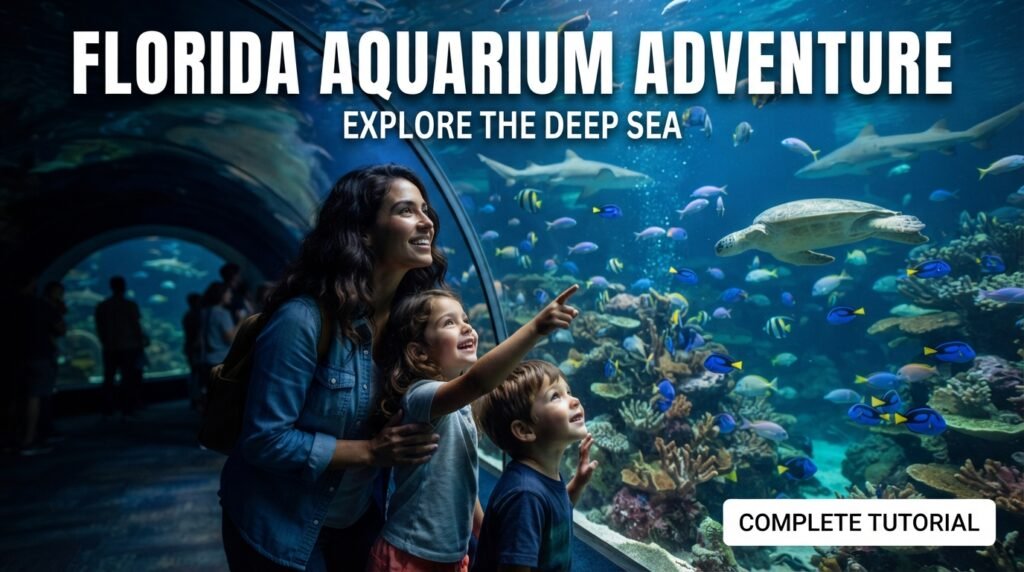
There are several reasons the Florida Aquarium attracts visitors.
One is the variety of aquatic habitats. Instead of seeing only one type of fish tank, visitors can experience multiple environments.
Another reason is the opportunity to see animals that many people would not normally encounter in person.
The aquarium also combines educational information with immersive exhibit design, making it easier for visitors to understand where aquatic animals live and how they interact with their environments.
Florida Aquarium Exhibits
The Florida Aquarium is known for exhibits that showcase different aquatic habitats.
These may include environments inspired by Florida’s natural ecosystems as well as marine habitats from other parts of the world.
Depending on current exhibits, visitors can encounter fish, sharks, rays, sea turtles, reptiles, amphibians, birds, invertebrates, and other aquatic or semi-aquatic animals.
Exhibits can change over time, so specific animal availability may vary.
Wetland Habitats
Wetlands are extremely important ecosystems in Florida.
They provide habitat for fish, reptiles, amphibians, birds, insects, and numerous plant species.
A wetland aquarium exhibit can demonstrate how water moves through a habitat and how plants and animals depend on one another.
For home aquarium owners, wetland displays can also inspire natural freshwater aquascapes using aquatic plants, driftwood, rocks, and open swimming areas.
Freshwater Habitats
Freshwater environments are another important part of aquatic education.
Rivers, springs, lakes, and streams support a huge variety of life.
A freshwater aquarium can recreate some of these characteristics through carefully selected plants, substrate, rocks, wood, and fish.
Visitors can learn how water conditions influence which species are able to survive in a particular environment.
Florida’s Aquatic Ecosystems
Florida has an enormous variety of aquatic environments.
The state contains freshwater springs, rivers, lakes, marshes, mangrove habitats, estuaries, coastal waters, and coral reef ecosystems.
Each environment supports different animals and plants.
This diversity is one reason Florida is particularly interesting from an aquarium and conservation perspective.
A single aquarium attraction can use exhibits to demonstrate how dramatically aquatic life changes between freshwater and saltwater environments.
Sharks at the Florida Aquarium
Sharks are among the animals visitors are often most excited to see at large public aquariums.
They are powerful swimmers and important marine predators.
Large shark habitats allow visitors to observe these animals swimming through open water.
Seeing sharks in a spacious environment can also help people understand that different shark species have different behaviors, habitats, diets, and ecological roles.
Sharks are not simply dangerous predators. They are important components of marine ecosystems.
Rays and Other Marine Animals
Rays are another fascinating group of marine animals.
Their flattened bodies and graceful swimming movements make them particularly interesting to observe.
Depending on the exhibit and current animal collection, visitors may also encounter various reef fish, eels, crustaceans, jellyfish, sea turtles, and other marine species.
Each animal provides an opportunity to learn about different adaptations to aquatic environments.
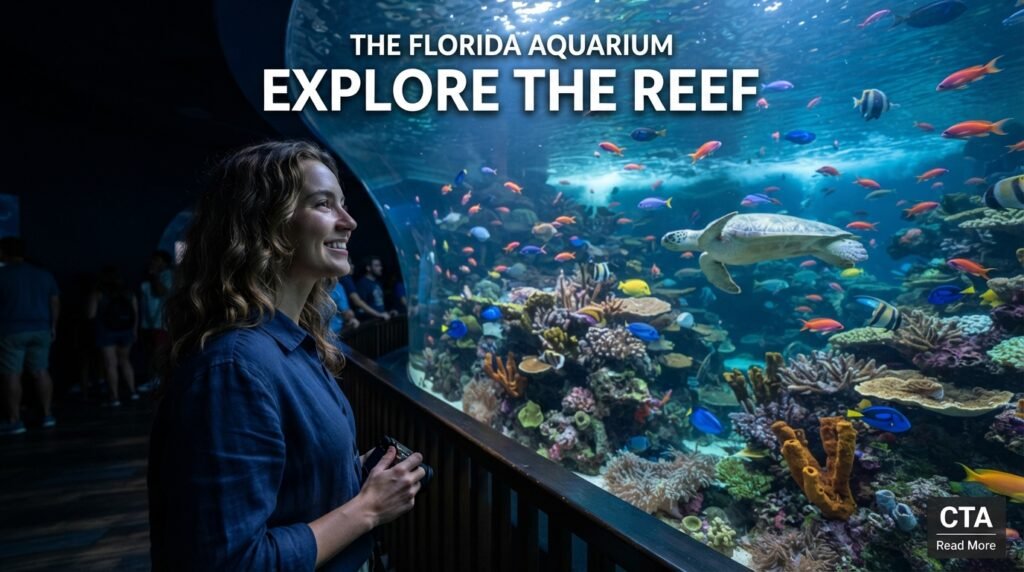
Coral Reef Exhibits
Coral reefs are among the most biologically diverse ecosystems on Earth.
A coral reef aquarium can contain colorful fish, corals, invertebrates, rocks, and other organisms.
Recreating a coral reef is significantly more complex than setting up a basic freshwater aquarium because marine water chemistry, salinity, lighting, filtration, and calcium-related parameters may all need careful management.
For this reason, reef aquariums are usually more demanding than simple freshwater planted tanks.
Sea Turtle Conservation
Sea turtles are strongly associated with Florida’s coastal environments.
Public aquariums can help visitors understand the threats these animals face, including habitat loss, pollution, fishing-related dangers, and other human impacts.
Learning about conservation can make an aquarium visit more meaningful because visitors can understand why protecting aquatic habitats matters beyond the aquarium itself.
Colorful Tropical Fish
Tropical fish are among the most visually appealing animals in aquarium exhibits.
Bright colors, unusual body shapes, schooling behavior, and different swimming patterns create dynamic underwater environments.
Popular tropical aquarium species can inspire home aquarium owners when designing their own tanks.
However, fish should always be selected according to aquarium size, water conditions, compatibility, and care requirements.
Florida Aquarium Ideas for Home Fish Tanks
A visit to a large public aquarium can provide many ideas for designing a home aquarium.
You do not need a massive tank to recreate the basic principles of professional aquarium design.
Focus on creating a natural-looking habitat rather than simply adding decorations.
For example, a freshwater tank could include:
- Natural gravel or sand
- Driftwood
- Aquarium-safe rocks
- Live aquatic plants
- Open swimming space
- Small groups of compatible fish
The result can resemble a miniature river or tropical freshwater habitat.
Florida-Themed Aquarium
A Florida-themed aquarium can be designed around the state’s natural environments.
You could create a freshwater spring-inspired aquascape using light sand, rocks, plants, and clear water.
Another option is a mangrove-inspired setup featuring roots, aquatic plants, and appropriate fish.
The important thing is to research the actual habitat before choosing animals or plants.
Modern Florida Aquarium Design
A modern aquarium inspired by Florida’s aquatic environments can combine natural materials with contemporary interior design.
A rimless glass tank, minimalist stand, natural rocks, driftwood, and carefully selected plants can create a clean appearance.
A simple aquascape can often look more sophisticated than a heavily decorated aquarium.
Florida Aquarium for Families
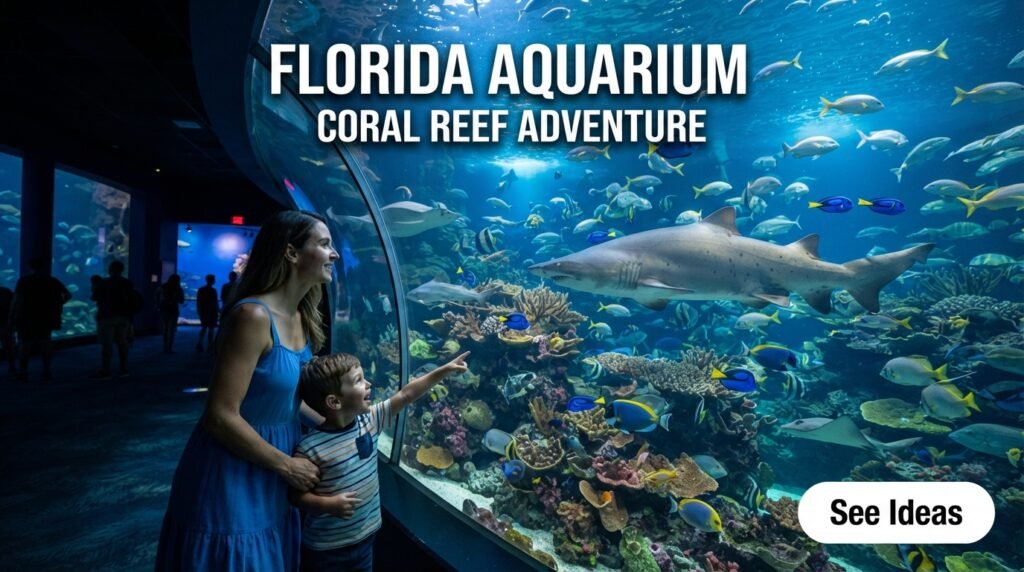
Aquariums are excellent family attractions because different age groups can enjoy them in different ways.
Young children may be fascinated by colorful fish and large marine animals.
Older children can learn about ecosystems, animal adaptations, food chains, and conservation.
Adults can appreciate the aquarium’s architecture, habitat design, educational content, and animal behavior.
Taking time to read exhibit information can make a family visit more educational and memorable.
Aquarium Photography Tips
If photography is allowed, aquarium environments can provide interesting opportunities for capturing fish and other animals.
Low lighting and reflections from glass can make photography challenging.
Avoid using flash when aquarium rules prohibit it.
Position your camera close to the glass to reduce reflections and wait for animals to move into a clear position.
Patience is often more useful than taking photographs continuously.
What Can Aquarium Owners Learn From the Florida Aquarium?
One of the biggest lessons from a professional aquarium is the importance of habitat design.
Fish and aquatic animals should not simply be placed into an empty container.
Their environment should provide suitable space, shelter, water conditions, food, and appropriate enrichment.
This principle can be applied to home aquariums regardless of size.
A small aquarium can still be thoughtfully designed around the natural behavior of its inhabitants.
Choosing Fish for a Florida-Inspired Aquarium
If you want to create a Florida-inspired freshwater aquarium, research native species carefully before selecting livestock.
Not every Florida fish is appropriate for a home aquarium, and wild animals should never be collected or kept illegally.
For a general tropical freshwater theme, common aquarium species such as guppies, tetras, rasboras, and corydoras may be considered when their care requirements match the aquarium.
For marine setups, fish selection should depend on the size and type of saltwater aquarium.
Aquarium Plants for a Natural Look
Plants can transform a basic aquarium into a miniature ecosystem.
For freshwater aquariums, suitable choices can include Anubias, Java fern, Cryptocoryne, Amazon sword, Vallisneria, and various mosses.
Choose plants according to lighting, substrate, nutrients, and available space.
Avoid selecting plants solely because they look good in photographs. Some species require significantly more light or specialized conditions.
Florida Aquarium-Inspired Aquascaping
Aquascaping is the art of arranging aquarium plants, rocks, wood, substrate, and open space into a visually appealing underwater landscape.
A Florida-inspired aquascape might focus on:
- Clear water
- Light-colored sand
- Natural rocks
- Green aquatic plants
- Driftwood
- Open swimming areas
- Natural-looking layouts
Try to create visual depth by placing larger elements toward the back and smaller details toward the front.
Aquarium Maintenance
No matter how attractive an aquarium looks, maintenance is essential.
Regular tasks can include:
- Checking water temperature
- Testing water parameters
- Cleaning algae
- Removing dead plant material
- Performing partial water changes
- Maintaining filtration
- Inspecting aquarium equipment
- Feeding fish appropriately
Avoid overfeeding because excess food can contribute to poor water quality.
The maintenance routine should be based on the aquarium’s inhabitants and biological needs.
How Large Should a Home Aquarium Be?
There is no single perfect aquarium size.
A small aquarium can work well for certain plants, shrimp, or appropriately sized fish.
Medium aquariums offer more options for community fish.
Large aquariums provide additional swimming space and can be more visually impressive, but they require stronger support and more equipment.
A larger aquarium can sometimes be easier to keep stable because it contains a greater volume of water, but it also requires a larger commitment.
Common Aquarium Mistakes
One of the most common mistakes is adding too many fish.
Another is choosing fish without researching adult size and behavior.
Poor filtration, excessive feeding, inadequate maintenance, and unsuitable water conditions can also create problems.
Aquarium design should always be based on animal welfare rather than appearance alone.
Visiting the Florida Aquarium
If you are planning a visit, check the aquarium’s official visitor information before traveling.
Look for current hours, ticket information, exhibit details, special programs, accessibility information, and any temporary changes.
Allow enough time to explore the exhibits rather than rushing through the building.
Families may also want to plan breaks during the visit, especially when traveling with young children.
Best Things to Look for During a Visit
When visiting a large aquarium, do more than simply look for the biggest animals.
Pay attention to how habitats are designed.
Notice how rocks, plants, wood, substrate, and open water are arranged.
Watch how animals use different parts of the habitat.
Look at lighting and how it affects the appearance of the exhibit.
These details can provide useful inspiration if you maintain an aquarium at home.
Final Thoughts on Florida Aquarium
The Florida Aquarium provides visitors with an opportunity to explore aquatic ecosystems, observe fascinating animals, and learn about the importance of protecting water environments. Its combination of freshwater, wetland, coastal, and marine habitats makes it especially interesting for anyone who enjoys fish and aquatic life.
For home aquarium enthusiasts, the biggest inspiration may come from the way professional exhibits recreate natural environments. You can apply similar principles to a much smaller tank by choosing appropriate plants, natural hardscape, compatible fish, and suitable equipment.
Whether you are interested in sharks, rays, tropical fish, coral reefs, freshwater habitats, or aquarium design, the Florida Aquarium offers plenty of ideas for understanding and appreciating the underwater world.
FAQs About Florida Aquarium
Where is the Florida Aquarium located?
The Florida Aquarium is located in Tampa, Florida.
What can you see at the Florida Aquarium?
Depending on current exhibits, visitors can see marine and freshwater fish, sharks, rays, sea turtles, reptiles, amphibians, invertebrates, and other aquatic animals.
Is the Florida Aquarium good for families?
Yes. The aquarium provides educational and interactive experiences that can be enjoyed by children and adults.
Does the Florida Aquarium have sharks?
Sharks are among the marine animals featured at large aquarium exhibits, although the specific species and exhibits can change.
Does the Florida Aquarium have sea turtles?
Sea turtles are associated with Florida’s aquatic environments and may be featured in aquarium exhibits and conservation programs. Specific animal availability can change.
Can the Florida Aquarium inspire a home aquarium?
Yes. Visitors can gain ideas about aquascaping, habitat design, lighting, natural materials, and aquarium layouts.
What fish are good for a Florida-themed home aquarium?
The appropriate fish depend on the aquarium type and size. Peaceful freshwater species such as guppies, tetras, rasboras, and corydoras can work in suitable community aquariums.
Can I create a Florida freshwater aquarium at home?
Yes. You can create a Florida-inspired freshwater habitat using suitable plants, sand, rocks, driftwood, and appropriately selected aquarium fish. Research each species before adding it.
How long should you spend at the Florida Aquarium?
The amount of time depends on your interests and the current exhibits. Families and aquarium enthusiasts may want several hours to explore the facility without rushing.
Is the Florida Aquarium focused only on Florida animals?
No. While Florida’s aquatic environments are an important part of its educational focus, public aquarium exhibits can also showcase aquatic habitats and species from other regions.
What can children learn from the Florida Aquarium?
Children can learn about aquatic habitats, animal adaptations, food webs, conservation, freshwater ecosystems, marine environments, and the importance of protecting aquatic life.