
 By admin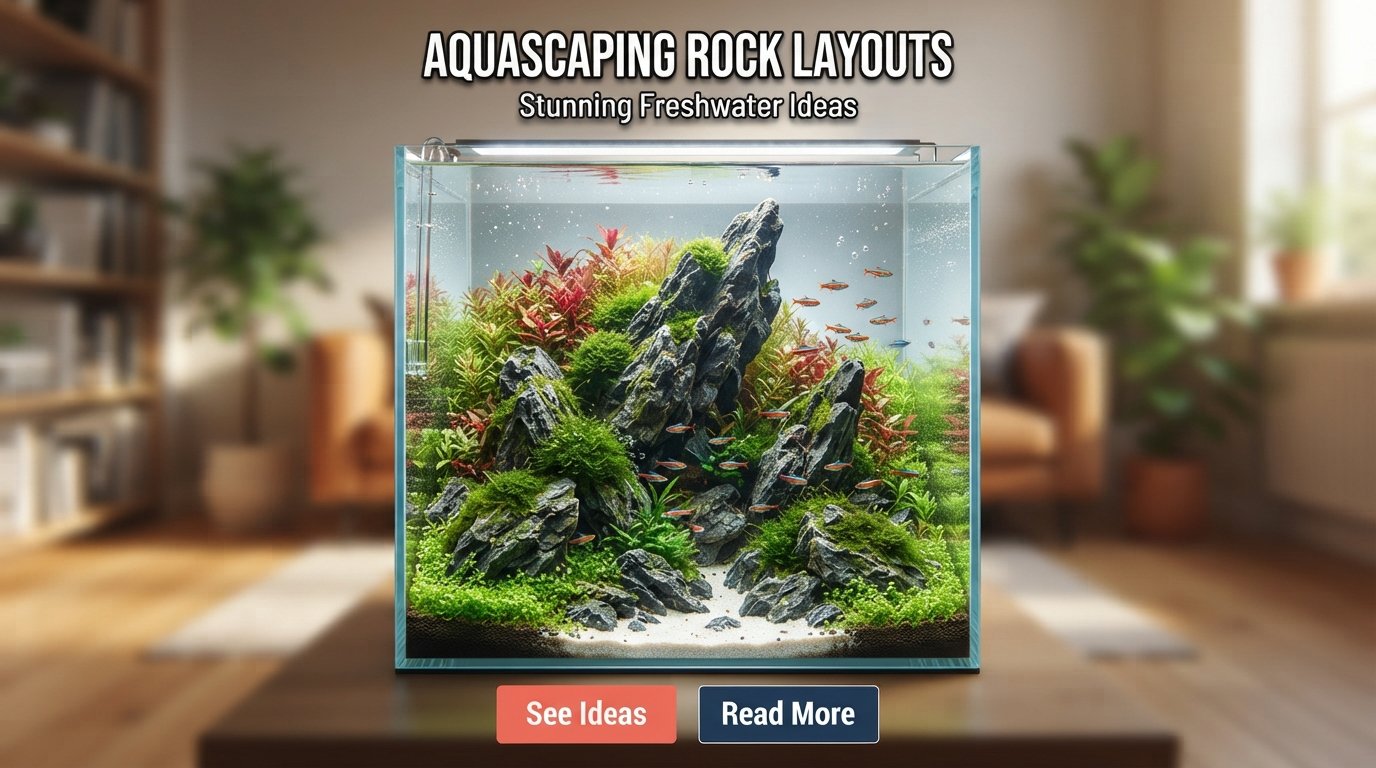
An aquarium rockscape is one of the most popular aquascaping styles, using natural stones to create breathtaking underwater landscapes. Whether you’re designing a planted freshwater aquarium, an African cichlid habitat, or a marine reef tank, a well-planned rockscape provides structure, hiding places, and a beautiful natural appearance.
From dramatic mountain layouts to minimalist stone gardens, rockscapes can transform an ordinary aquarium into a living work of art. This guide explains how to choose the best rocks, arrange them naturally, and maintain a healthy, long-lasting aquascape.
What Is an Aquarium Rockscape?
A rockscape is the arrangement of rocks and stones to create the primary structure of an aquarium. The rocks serve as the foundation of the aquascape, while plants, substrate, and fish complete the design.
A successful rockscape should:
- Look natural
- Provide shelter for fish
- Create visual depth
- Leave open swimming space
- Remain stable and secure
- Complement the aquarium’s inhabitants
Benefits of a Rockscape Aquarium
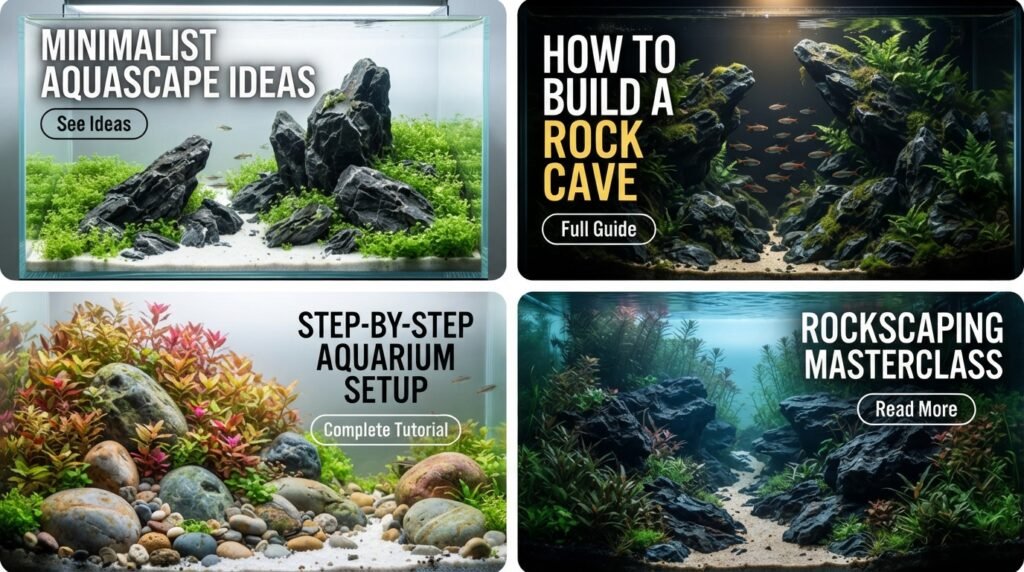
Rock-based aquascapes offer many advantages.
Benefits include:
- Natural appearance
- Excellent hiding places for fish
- Strong visual impact
- Stable foundation for plants
- Suitable for many aquarium styles
- Low-maintenance hardscape
- Long-lasting design
A carefully planned rockscape often becomes the focal point of the aquarium.
Choosing the Right Aquarium
Rockscapes work well in aquariums of all sizes.
Popular aquarium options include:
- 10-gallon nano aquarium
- 20-gallon long aquarium
- 40-gallon breeder aquarium
- 75-gallon display aquarium
- Rimless glass aquarium
Larger aquariums allow for more dramatic stone arrangements.
Best Rocks for Aquascaping
Choose aquarium-safe rocks that match your desired style.
Popular options include:
- Dragon Stone
- Seiryu Stone
- Lava Rock
- River Stone
- Slate
- Granite
- Basalt
Avoid rocks that may alter water chemistry unless they are appropriate for your aquarium’s inhabitants.
Popular Rockscape Styles
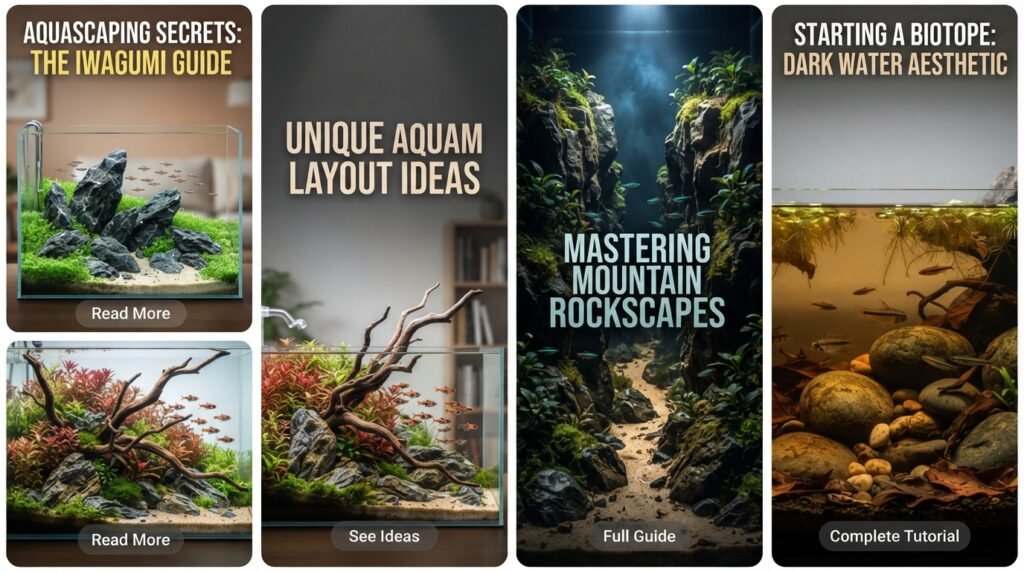
Mountain Layout
Large stones represent mountain peaks, with smaller rocks creating natural slopes.
This style is popular in planted aquariums.
Island Rockscape
Arrange stones in one or two central groups while leaving open swimming space around them.
Valley Layout
Position rocks on both sides of the aquarium, creating a pathway or valley through the center.
This design adds depth and perspective.
Cliff Wall
Build a dramatic rock wall along the back or one side of the aquarium.
Ideal for African cichlid tanks.
Minimalist Stone Garden
Use only a few carefully selected rocks with open substrate to create a clean and elegant appearance.
Choosing the Right Substrate
The substrate should complement the rockscape.
Popular choices include:
- Fine aquarium sand
- Black sand
- Natural gravel
- Aquasoil for planted tanks
A simple substrate helps emphasize the beauty of the rocks.
Adding Live Plants

Plants soften the appearance of rocks and create a natural environment.
Excellent choices include:
- Anubias
- Java Fern
- Java Moss
- Bucephalandra
- Cryptocoryne
- Vallisneria
Attach epiphytic plants to rocks using aquarium-safe thread or glue designed for aquarium use.
Best Fish for Rockscape Aquariums
Many fish appreciate rocky environments.
Popular choices include:
- Neon Tetras
- Harlequin Rasboras
- Corydoras Catfish
- Rainbowfish
- Guppies
- Honey Gouramis
- African Cichlids (species-specific setups)
Always select fish that are compatible with your aquarium’s water conditions.
Essential Equipment
Every rockscape aquarium should include:
- Reliable filtration system
- LED lighting
- Aquarium heater (if required)
- Thermometer
- Water testing kit
- Water conditioner
Quality equipment helps maintain a healthy aquatic environment.
Lighting
Good lighting enhances both rocks and plants.
Recommended lighting includes:
- Full-spectrum LED lights
- Adjustable brightness
- Automatic timer
- 6–8 hours of lighting each day
Avoid excessive lighting to help control algae.
Building a Rockscape
Step 1: Plan the Layout
Sketch your design before placing any rocks.
Step 2: Position the Largest Stones
Begin with the main focal stones.
Step 3: Add Supporting Rocks
Use smaller stones to create natural transitions and reinforce the structure.
Step 4: Add Substrate
Carefully pour substrate around the rocks without disturbing the arrangement.
Step 5: Plant the Aquarium
Add live plants to soften the hardscape while maintaining open swimming areas.
Water Parameters
Maintain stable water conditions for healthy fish and plants.
| Parameter | Recommended Range |
|---|---|
| Temperature | 72–78°F (22–26°C) |
| pH | 6.5–7.5 (species dependent) |
| Ammonia | 0 ppm |
| Nitrite | 0 ppm |
| Nitrate | Below 20 ppm |
Adjust these values according to the needs of your livestock.
Maintenance Tips
Perform Weekly Water Changes
Replace 20–30% of the water every week.
Remove Algae
Clean rocks and glass gently using aquarium-safe tools.
Trim Plants
Prune overgrown plants to preserve the original design.
Check Rock Stability
Inspect the rockscape regularly to ensure all stones remain secure.
Test Water Quality
Monitor ammonia, nitrite, nitrate, pH, and temperature routinely.
Common Mistakes to Avoid
Using Unsafe Rocks
Only use rocks that are safe for aquariums and suitable for your intended water chemistry.
Building Unstable Structures
Always position larger rocks securely before adding substrate.
Overcrowding the Aquarium
Leave open swimming areas for fish.
Mixing Too Many Rock Types
Using one or two complementary rock types usually creates a more natural appearance.
Ignoring Fish Needs
Choose a layout that matches the behavior of your fish species.
Rockscape Aquarium Ideas
Nature Aquarium
Combine Seiryu stones, aquasoil, and carpeting plants for a classic planted layout.
African Cichlid Habitat
Use stacked rocks and caves with a sandy substrate.
Minimalist Display
Arrange three to five carefully selected stones on light-colored sand.
Forest Stream
Mix driftwood, smooth river stones, and moss-covered rocks for a peaceful woodland-inspired aquascape.
Benefits of an Aquarium Rockscape
A rockscape aquarium offers:
- Elegant natural beauty
- Excellent fish shelters
- Endless aquascaping possibilities
- Durable hardscape
- Easy customization
- Long-lasting visual appeal
With proper planning, a rockscape can remain attractive for many years.
Conclusion
An aquarium rockscape combines the beauty of natural stone with creative aquascaping to produce a striking underwater landscape. By choosing aquarium-safe rocks, arranging them thoughtfully, and pairing them with suitable plants and fish, you can create an aquarium that is both visually impressive and easy to maintain.
Whether you prefer a mountain-inspired layout, a dramatic cliff design, or a minimalist stone garden, a well-designed rockscape provides the perfect foundation for a healthy and beautiful aquarium.
Frequently Asked Questions
What are the best rocks for an aquarium rockscape?
Dragon Stone, Seiryu Stone, Lava Rock, Slate, River Stone, Granite, and Basalt are among the most popular choices. Ensure any rock you use is aquarium-safe and appropriate for your water chemistry.
Can I use rocks from outside?
Only if you can confidently identify them as aquarium-safe and clean them thoroughly. Some rocks may contain minerals that alter water chemistry or may not be suitable for aquarium use.
Do I need plants in a rockscape aquarium?
No, but live plants often enhance the appearance and can improve water quality. Many hobbyists attach Anubias, Java Fern, or mosses directly to rocks.
How do I keep rocks from falling?
Place larger rocks directly on the aquarium bottom or a protective support before adding substrate, and ensure they are securely balanced.
Which fish are best for rockscape aquariums?
Community fish such as tetras, rasboras, corydoras, guppies, and honey gouramis work well in many planted rockscapes, while African cichlids thrive in species-appropriate rocky habitats.
How often should I clean the rocks?
Inspect the rocks during weekly maintenance and gently remove algae as needed using aquarium-safe tools. Avoid excessive cleaning that may disturb beneficial microorganisms.