
 By admin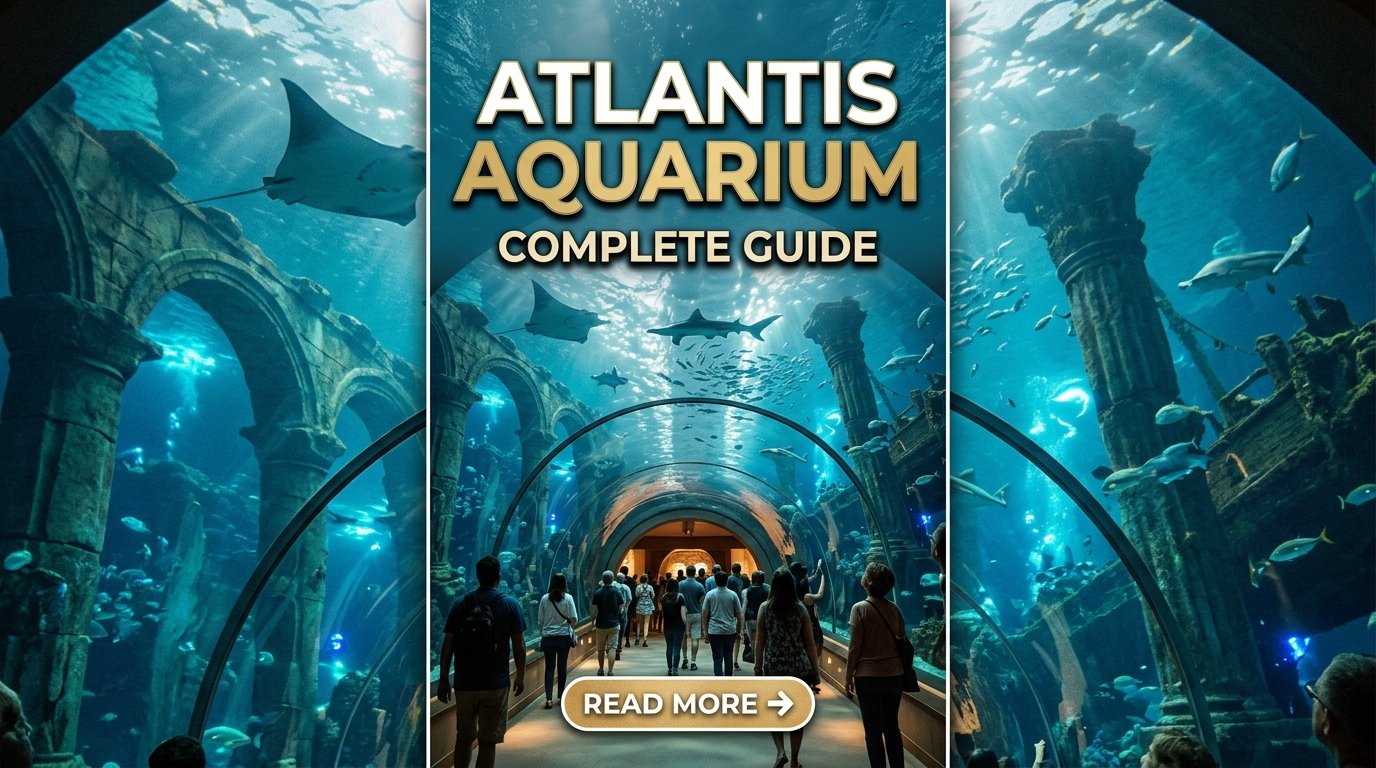
Atlantis Aquarium is a fascinating concept for anyone who loves underwater worlds, ocean-inspired decorations, and creative aquarium designs. Inspired by the legendary lost city of Atlantis, this aquarium theme combines mysterious underwater scenery, ancient ruins, colorful fish, and beautiful aquatic plants to create a miniature underwater paradise. Whether you want to build a themed aquarium at home or explore an aquarium attraction inspired by marine life, the Atlantis Aquarium concept offers plenty of ideas for creating a memorable aquatic experience.
An Atlantis-themed aquarium can be designed in many ways, from a small freshwater tank with ancient temple decorations to a large marine aquarium featuring dramatic rock formations and ocean-inspired lighting. The best design depends on your available space, budget, aquarium size, and the fish you plan to keep.
What Is an Atlantis Aquarium?
The term Atlantis Aquarium can refer to an aquarium attraction associated with marine life or a home aquarium designed around the mythical city of Atlantis. In home aquarium design, the theme usually features underwater ruins, submerged buildings, mysterious caves, stone pathways, and aquatic scenery that resembles an ancient civilization beneath the ocean.
The legendary Atlantis has inspired countless books, movies, games, and interior design concepts. Aquarium enthusiasts can use the same inspiration to create an underwater environment that feels magical without compromising the health and comfort of their fish.
A successful Atlantis aquarium combines attractive decorations with suitable filtration, lighting, water circulation, and appropriate fish species. The goal is to create a beautiful display while maintaining a stable, healthy aquatic environment.
Best Atlantis Aquarium Design Ideas
There are many ways to create an Atlantis-inspired aquarium. You do not need an enormous tank or expensive equipment to achieve the desired effect. Even a modest aquarium can become an attractive underwater scene with careful planning.
1. Ancient Atlantis Ruins Aquarium
An ancient ruins aquarium is one of the most recognizable designs for this theme. It features submerged columns, broken temple walls, stone arches, and weathered structures that resemble the remains of an underwater city.
Choose aquarium-safe decorations specifically designed for submerged use. Arrange larger structures toward the back and sides of the tank, leaving open swimming areas in the foreground. This arrangement creates depth and makes the aquarium appear larger.
Avoid decorations with sharp edges, unstable pieces, or small openings where fish might become trapped. All structures should sit securely on the aquarium base or a suitable supporting layer.
2. Atlantis Aquarium With Blue Lighting
Blue lighting can create a mysterious underwater atmosphere. When combined with dark backgrounds, stone decorations, and carefully positioned structures, it can make the aquarium resemble a forgotten city deep beneath the ocean.
Use aquarium lighting appropriate for your fish and plants. Blue accent lighting can be attractive, but it should not replace the lighting requirements of live aquatic plants. Maintain a consistent light schedule and avoid leaving aquarium lights on throughout the night.
For a natural appearance, combine moderate blue tones with neutral white lighting instead of making the entire aquarium excessively bright.
3. Underwater Temple Aquarium
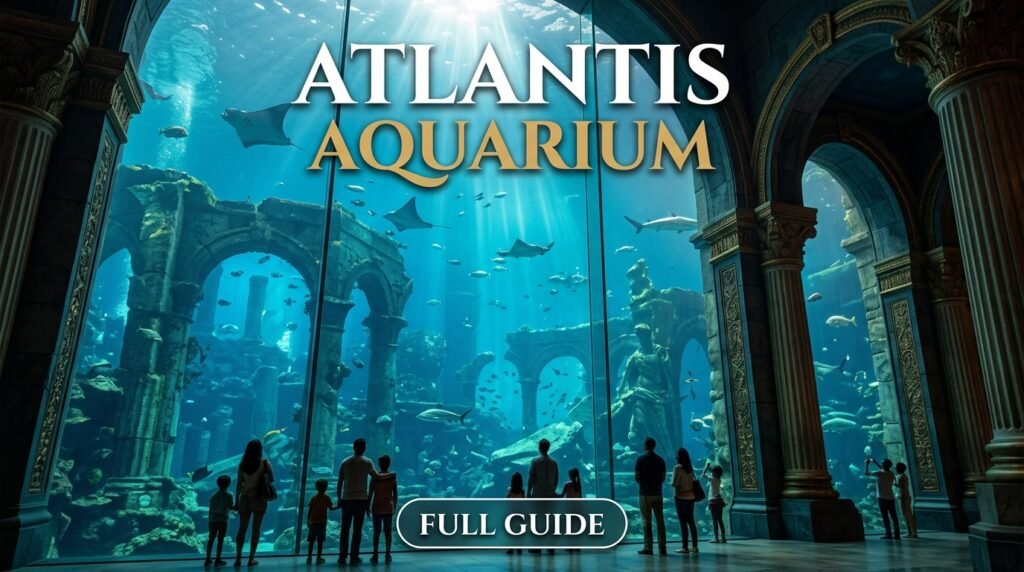
A temple-inspired aquarium focuses on one central structure, such as an ancient gateway, temple entrance, or stone monument. Smaller rocks and plants can surround the main decoration to create the impression of a ruined city.
This style works particularly well in medium and large aquariums because there is enough room to establish a focal point without overcrowding the tank.
Select a centerpiece that is appropriately sized for your aquarium. A large decoration in a small tank can reduce swimming space and make cleaning difficult, so balance appearance with practicality.
4. Atlantis Aquarium With Aquatic Plants
Live aquatic plants can soften the appearance of ancient ruins and make an aquarium feel more natural. Plants growing around stone structures create the impression that an abandoned underwater city has gradually become part of the aquatic ecosystem.
Consider plants such as Java fern, Anubias, and Java moss for suitable freshwater setups. These plants can be attached to aquarium-safe rocks or driftwood, depending on the species and arrangement.
Some plants require stronger lighting or additional nutrients, so choose varieties that match your aquarium conditions. If your fish dig in the substrate, attaching plants to decorations may be easier than planting them directly into the gravel.
5. Small Atlantis Aquarium
A small Atlantis aquarium can be an excellent option for a desk, shelf, or compact living space. A miniature temple, a few carefully selected rocks, and a dark background can create an attractive themed display.
However, smaller aquariums experience faster changes in temperature and water chemistry. They require careful maintenance and are not automatically easier to manage than larger tanks.
Choose decorations that leave enough room for swimming and cleaning. Research the adult size, behavior, and minimum space requirements of any fish before adding them. A small decorative aquarium may be more appropriate for plants or other carefully selected aquatic inhabitants than for fish that need substantial swimming space.
6. Large Atlantis Aquarium
A large aquarium offers more opportunities for detailed underwater scenery. You can create several visual zones, including a ruined temple, rocky passage, submerged garden, and open swimming area.
Arrange decorations to guide the viewer’s attention through the tank. Large structures can form the background, medium rocks can create transitions, and smaller details can fill selected spaces without making the layout crowded.
Large aquariums also require stronger planning for filtration, lighting, maintenance access, and the weight of the filled tank. Ensure the stand and floor can safely support the complete aquarium system.
7. Atlantis Aquarium With Caves and Tunnels
Caves and tunnels can add depth and provide hiding spaces for suitable fish. Use aquarium-safe structures with openings large enough for the intended inhabitants.
Check every opening for rough edges and narrow spaces that could trap a fish. Decorations should remain stable when fish move around them or when you perform routine maintenance.
Not every fish species benefits from the same cave arrangement. Some fish are territorial, while others prefer open swimming areas, so design the layout around the species you intend to keep.
Best Fish for an Atlantis-Themed Aquarium
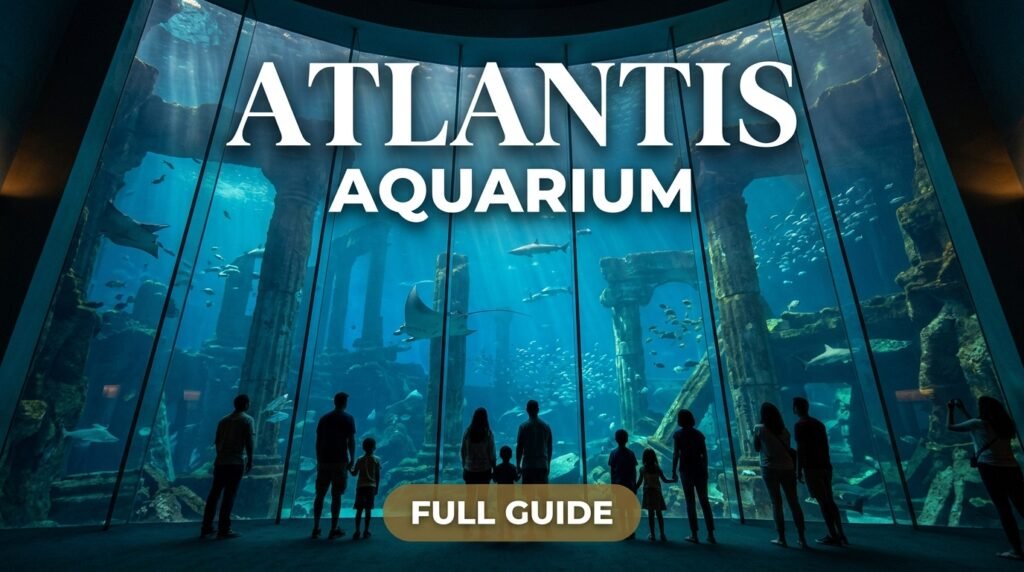
The right fish depend on whether you are building a freshwater or saltwater aquarium. The Atlantis theme itself does not determine which species are suitable; water parameters, adult size, temperament, tank dimensions, and compatibility should guide your choices.
For a freshwater Atlantis aquarium, consider peaceful species that fit the tank size and can coexist safely. For a marine version, choose saltwater species only if you can provide the appropriate equipment and stable marine water conditions.
| Fish species | Aquarium type | Important consideration |
|---|---|---|
| Guppies | Freshwater | Prefer suitable water conditions and compatible tankmates |
| Neon tetras | Freshwater | Need a group and a mature, stable aquarium |
| Harlequin rasboras | Freshwater | Peaceful schooling fish that need swimming space |
| Corydoras catfish | Freshwater | Need suitable substrate and should generally be kept in groups |
| Clownfish | Saltwater | Require a properly established marine aquarium |
| Royal gramma | Saltwater | Needs suitable hiding places and compatible tankmates |
These are examples rather than a universal stocking list. The aquarium’s capacity and the species’ specific requirements must be assessed before combining fish. Do not mix freshwater and saltwater species in the same aquarium.
Freshwater vs. Saltwater Atlantis Aquarium
Both freshwater and saltwater aquariums can support attractive Atlantis-inspired designs, but they differ considerably in equipment, maintenance, and livestock requirements.
A freshwater aquarium is often the more approachable choice for beginners. It can use ancient ruins, rocks, plants, and freshwater fish to create a mysterious underwater city without requiring marine salt or reef equipment.
A saltwater aquarium can create a dramatic ocean-themed display with marine fish and suitable rockwork. However, it generally requires more specialized equipment, careful salinity management, and close monitoring of water chemistry.
| Feature | Freshwater Atlantis aquarium | Saltwater Atlantis aquarium |
|---|---|---|
| Setup complexity | Often simpler | Usually more demanding |
| Water preparation | Dechlorinated freshwater suitable for the species | Properly prepared marine saltwater |
| Decorations | Aquarium-safe ruins, rocks, and plants | Marine-safe decorations and suitable rockwork |
| Lighting | Depends on fish and plants | Depends on livestock and whether corals are included |
| Maintenance | Regular water changes and testing | Water changes, salinity checks, and marine parameter monitoring |
| Best suited for | Beginners and themed freshwater displays | Aquarists prepared for marine care |
Neither type should be stocked until the aquarium has completed an appropriate biological cycle and its water parameters are suitable for the intended inhabitants.
How to Build an Atlantis Aquarium at Home
Creating an Atlantis aquarium is easier when you plan the layout before buying decorations or fish. Follow these steps to develop a beautiful and practical design.
Step 1: Choose the Right Aquarium Size
Start by deciding where the aquarium will be placed and which aquatic species you want to keep. A larger tank can provide more room for creative scenery and generally offers greater water stability, although it also requires more equipment and maintenance.
Measure the available space and account for the weight of the filled aquarium. Use a level, purpose-built aquarium stand that can safely support the entire system.
Step 2: Plan the Underwater Layout
Sketch the design before placing decorations inside the tank. Decide where the main temple, stone structures, plants, and open swimming spaces will go.
Avoid placing every decoration in the center. An asymmetrical arrangement often looks more natural and allows the aquarium to have a clear focal point.
Leave sufficient room for filters, heaters when needed, water circulation, and maintenance tools.
Step 3: Select Aquarium-Safe Decorations
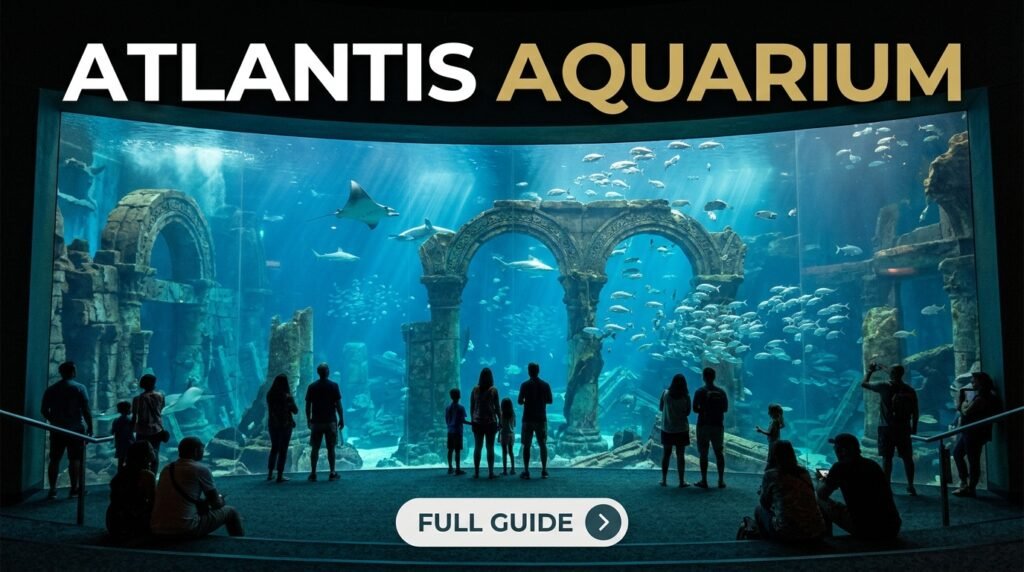
Choose decorations made for aquarium use. Some household objects, painted ornaments, metals, and materials with unknown coatings can release substances into the water.
Avoid collecting random stones or decorative items without checking their suitability. Use products intended for aquariums, and rinse new decorations as directed by the manufacturer. Never use soap or household cleaning chemicals on aquarium equipment and decorations.
Step 4: Install Filtration and Heating
A suitable filter helps process fish waste and supports beneficial bacteria. Choose filtration based on the aquarium’s volume, planned stocking, and the needs of the fish.
Some tropical freshwater and marine species also require a heater, while others have different temperature requirements. Use reliable equipment to maintain the appropriate temperature for the selected livestock.
Make sure water flows through the aquarium without creating excessive currents for fish that prefer calmer conditions.
Step 5: Add Substrate and Plants
Use a substrate suitable for the aquarium’s inhabitants and planned plants. Fine gravel, aquarium sand, or specialized planted-tank substrates may work for different setups.
Place plants where they can receive suitable light. Attach epiphytic plants such as Java fern and Anubias to appropriate decorations rather than burying their rhizomes in the substrate.
Keep the design open enough for fish to move freely and for you to remove debris during cleaning.
Step 6: Cycle the Aquarium Before Adding Fish
Cycling establishes beneficial microorganisms that help process toxic fish waste. This process should be completed before the aquarium is stocked.
Use an appropriate fishless cycling method and test the water to confirm that the biological filtration is functioning. Simply filling a tank with water and running the filter for a few days does not guarantee that it is ready for fish.
After cycling, introduce livestock gradually and continue monitoring water quality.
Step 7: Add Fish Carefully
Select fish based on their adult size, behavior, environmental requirements, and compatibility. Acclimate new fish appropriately to the aquarium’s water conditions and avoid adding too many animals at once.
Monitor the aquarium after introducing fish. Changes in breathing, appetite, swimming behavior, or water quality may indicate a problem that needs attention.
Best Colors and Materials for Atlantis Aquarium Decor
Color choices have a major influence on the appearance of a themed aquarium. Dark gray, charcoal, muted brown, and weathered stone colors work well for ancient ruins. Blue accents can create a sense of depth, while green plants make the layout appear more natural.
Aquarium-safe resin ornaments can provide detailed architectural shapes, while suitable rocks and driftwood can add texture. Use only materials appropriate for the type of aquarium you maintain.
A dark background can make fish and decorations stand out, but the best background depends on your lighting, fish coloration, and personal preference.
Try to limit the number of competing colors. A consistent palette usually makes an Atlantis aquarium look more realistic and visually organized.
Atlantis Aquarium Lighting Ideas
Lighting can transform a simple aquarium into a dramatic underwater scene. Consider these approaches:
- Soft blue accents: Create a subtle ocean-inspired appearance without overwhelming the fish or plants.
- Neutral white lighting: Helps show natural colors and supports suitable live plants.
- Shaded ruins: Position decorations to create visual depth while ensuring the aquarium remains easy to inspect.
- A consistent day-and-night schedule: Provides a predictable light cycle and a period of darkness for the aquarium’s inhabitants.
Avoid extremely intense or continuous lighting. Excess light can encourage algae growth, and some fish may become stressed by unsuitable illumination. If the aquarium contains live plants, choose lighting based on their actual requirements.
How to Maintain an Atlantis Aquarium
A themed aquarium needs the same care as any other aquarium. Attractive decorations cannot compensate for poor water quality or unsuitable stocking.
Perform regular partial water changes according to the aquarium’s needs, and use a water conditioner when required for your tap water. Test parameters relevant to the species you keep, including ammonia and nitrite during cycling and whenever water quality problems are suspected.
Remove uneaten food and visible debris. Clean the glass and decorations gently, and maintain the filter according to the manufacturer’s instructions. Avoid replacing all filter media at once, because doing so can remove beneficial bacteria.
Inspect decorative structures regularly for looseness, damage, sharp edges, or areas where fish could become trapped. Make sure the layout does not obstruct essential water circulation.
Feed fish an appropriate, varied diet and avoid overfeeding. Consistent maintenance helps preserve both the appearance of the aquarium and the health of its inhabitants.
Common Atlantis Aquarium Mistakes to Avoid
One common mistake is overcrowding the aquarium with ruins, caves, and ornaments. Too many decorations can reduce swimming space, trap debris, and make maintenance difficult. Choose a few strong focal points rather than filling every available area.
Another mistake is selecting fish based only on their appearance. A fish that looks attractive in an Atlantis-themed display may grow too large, require different water conditions, or be incompatible with other inhabitants.
Using non-aquarium-safe decorations is also risky. Painted objects, untreated metals, and unknown materials may affect water quality. Select products specifically designed for submerged aquarium use.
Finally, never rush the cycling process. A newly decorated tank may look ready, but its biological filtration must be established before it can safely support fish.
Frequently Asked Questions About Atlantis Aquarium
What is an Atlantis Aquarium?
Atlantis Aquarium can refer to an aquarium attraction or a home aquarium inspired by the legendary lost city of Atlantis. The themed home version often includes underwater ruins, temple structures, caves, blue lighting, and aquatic plants.
How do I make an Atlantis aquarium at home?
Choose a suitable tank, plan the layout, use aquarium-safe decorations, install proper filtration, and add plants if desired. Cycle the aquarium before introducing fish, and select livestock based on its care requirements and compatibility.
Which fish are best for an Atlantis aquarium?
Suitable freshwater choices may include guppies, neon tetras, or harlequin rasboras when the aquarium size, water conditions, and tankmates are appropriate. Marine aquariums can support different species, such as clownfish, when their specialized requirements are met.
Can I create an Atlantis aquarium in a small tank?
Yes, a small aquarium can support a miniature Atlantis-inspired design. Keep decorations proportionate, preserve swimming space, and choose inhabitants that genuinely fit the aquarium’s size. Smaller tanks require careful monitoring because water conditions can change quickly.
Are Atlantis aquarium decorations safe for fish?
Decorations designed specifically for aquarium use are generally the safest choice when used according to their instructions. Avoid materials with unknown coatings, sharp edges, or openings that could trap fish.
Is a freshwater or saltwater Atlantis aquarium better?
Freshwater setups are often easier for beginners to maintain. Saltwater aquariums offer different marine display possibilities but usually require more specialized equipment, salinity control, and water testing. The best option depends on your experience and the species you want to keep.
Do live plants work in an Atlantis aquarium?
Yes. Suitable plants can grow around rocks and ruins, making the display look more natural. Choose plants according to the lighting, substrate, and water conditions, and ensure their growth does not block swimming areas or equipment.
How much maintenance does an Atlantis aquarium need?
Maintenance depends on tank size, stocking, filtration, and plant growth. Most aquariums require routine water testing, partial water changes, debris removal, filter care, and observation of the fish. A decorative theme does not change these basic responsibilities.
Can I use blue LED lights in an Atlantis aquarium?
Blue LED lighting can create an underwater atmosphere. However, the light intensity and schedule should suit the fish and plants. Use appropriate aquarium lighting and provide a regular period of darkness.
How can I make my Atlantis aquarium look realistic?
Use a limited color palette, arrange decorations at different depths, create a clear focal point, and incorporate suitable plants or natural-looking rocks. Leave open swimming space and avoid overcrowding the design.
Conclusion
Atlantis Aquarium is an inspiring theme for aquarium enthusiasts who want to combine aquatic life with the mystery of an ancient underwater city. From miniature temple layouts to elaborate displays with caves, ruins, and aquatic plants, the possibilities suit many different styles and budgets.
The best Atlantis aquarium is not simply the one with the most decorations. It is a thoughtfully planned environment with aquarium-safe materials, suitable filtration, stable water conditions, and enough space for its inhabitants to thrive. With careful planning and consistent maintenance, you can create a beautiful underwater display that brings the legendary world of Atlantis into your home.
Add a practical beginner setup checklistClarify attraction versus home aquarium