
 By admin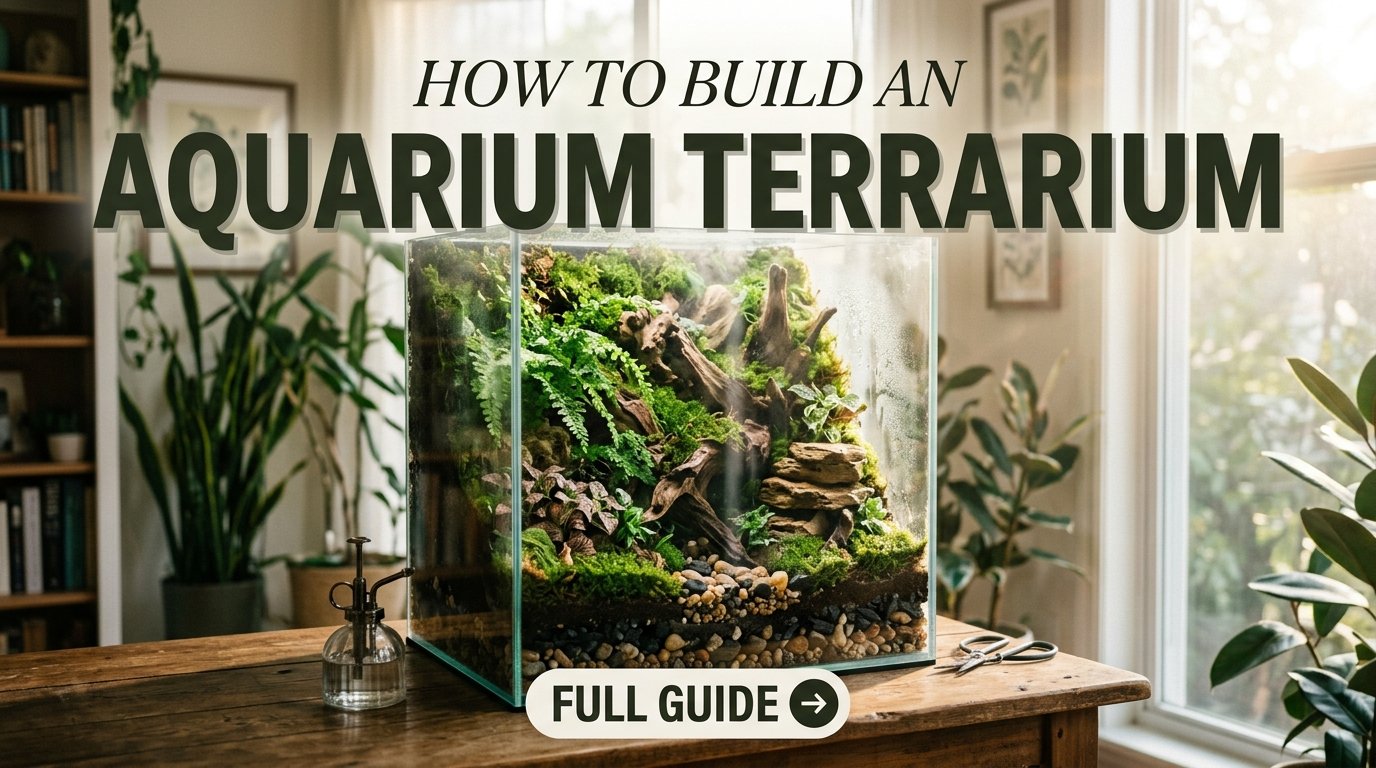
A terrarium in aquarium tank is a creative way to transform a glass aquarium into a miniature indoor garden. Instead of using the tank only for keeping fish, you can fill it with tropical plants, moss, decorative stones, driftwood, and natural materials to create a beautiful landscape. Depending on the design, an aquarium tank can become a closed terrarium, an open plant display, or a more advanced paludarium that combines land and water.
Terrariums are popular among plant lovers because they bring a small piece of nature indoors without requiring a large garden. An old fish tank can be an excellent container for this project, provided it is clean, structurally sound, and suitable for the intended setup. With the right plants, substrate, lighting, and moisture control, you can create an attractive terrarium for a living room, bedroom, office, or tabletop display.
What Is a Terrarium in an Aquarium Tank?
A terrarium in an aquarium tank is a miniature planted environment created inside a glass tank originally designed for aquatic life. The tank provides a transparent enclosure that allows you to observe the plants, soil layers, rocks, and other decorative elements from different angles.
Unlike a traditional aquarium, a terrarium usually focuses on terrestrial plants rather than fish. It may contain mosses, ferns, small tropical plants, stones, driftwood, and a carefully arranged substrate.
There are several ways to create this type of display. An open terrarium allows air to circulate freely, while a closed terrarium retains more moisture and creates a humid environment. A paludarium goes a step further by combining terrestrial areas with a water section.
Choosing the right design is important because not every plant thrives in the same humidity, temperature, or lighting conditions.
Benefits of Using an Aquarium Tank for a Terrarium
An aquarium tank can be an excellent choice for building a terrarium because its glass walls provide a clear view of the miniature landscape.
1. Excellent Visibility
Glass aquarium tanks allow you to view the terrarium from the front and sides. This makes it easier to appreciate the layers of substrate, decorative rocks, plant roots where visible, and carefully arranged hardscape.
A transparent tank also makes the display feel open and connected to the surrounding room.
2. Space for Creative Designs
Aquarium tanks are available in many shapes and sizes. A small tank can hold a compact moss garden, while a larger tank can accommodate a detailed tropical landscape with several plant varieties.
The additional space allows you to create foreground, middle-ground, and background areas, giving the terrarium a sense of depth.
3. Reusing an Old Fish Tank
An unused aquarium can often be repurposed into a terrarium, reducing the need to purchase another glass container.
Before using an old tank, check for cracks, damaged seams, and sharp edges. Clean it thoroughly and avoid using household cleaning chemicals that could leave harmful residues.
4. Suitable for Indoor Gardening
A terrarium can bring greenery into a home where outdoor gardening space is limited. It can be placed on a sturdy desk, shelf, or stand, depending on its size and weight.
Plants still need suitable light, airflow, and care, so a terrarium should not be treated as a maintenance-free decoration.
Best Types of Terrariums for Aquarium Tanks
Before building your terrarium, decide which environment you want to create. The main options are open terrariums, closed terrariums, and paludariums.
| Terrarium type | Main features | Suitable plants |
|---|---|---|
| Open terrarium | More airflow and lower humidity | Small succulents and drought-tolerant plants |
| Closed terrarium | Retains moisture and humidity | Suitable tropical ferns, mosses, and small foliage plants |
| Tropical terrarium | Warm, humid planted environment | Small tropical foliage plants and humidity-loving species |
| Moss terrarium | Focuses on moss and miniature scenery | Suitable terrestrial mosses and compatible small plants |
| Paludarium | Combines land and water | Terrestrial plants plus appropriate aquatic or semi-aquatic plants |
An aquarium tank with a lid is often suitable for a humid terrarium, but ventilation must be considered. Too much trapped moisture can cause mold, plant rot, and persistent condensation.
Terrarium in Aquarium Tank Ideas
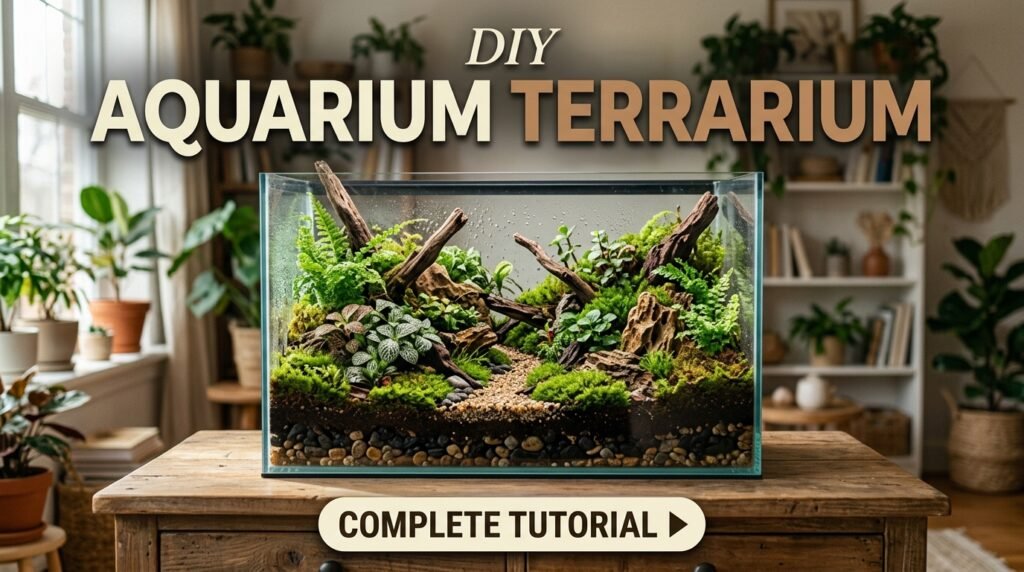
There are many ways to design an aquarium terrarium. The best style depends on the tank dimensions, the plants you can obtain, and the amount of maintenance you prefer.
1. Tropical Forest Terrarium
A tropical forest terrarium recreates the appearance of a miniature rainforest. It can include moss-covered stones, small ferns, driftwood, and plants with different leaf shapes.
Place taller elements toward the back and shorter plants toward the front. This arrangement creates depth and helps the miniature forest look more natural.
Choose plants that tolerate similar humidity and temperature conditions. Avoid combining plants that require constantly wet soil with species that prefer dry conditions.
A suitable grow light can help maintain healthy growth, particularly if the tank is located away from a bright window.
2. Moss Terrarium in an Aquarium Tank
A moss terrarium creates a soft green landscape that resembles a miniature forest floor. Moss can be arranged around rocks, driftwood, and small slopes to give the display a natural appearance.
Different mosses have different moisture and light requirements, so choose species appropriate for terrestrial conditions. Aquatic mosses are not automatically suitable for growing in open air.
Use clean, appropriate materials and avoid collecting wild moss from areas that may be contaminated or protected. Allow enough airflow to reduce the risk of mold.
3. Desert Terrarium
A desert-inspired terrarium uses sand, stones, and drought-tolerant plants to create an arid landscape. Small cacti and succulents may be suitable, depending on the tank’s ventilation and lighting.
An aquarium tank can trap humidity, especially when covered. This can be unsuitable for desert plants and may encourage rot.
For this design, an open-top tank with strong suitable lighting, excellent airflow, and a fast-draining growing medium is usually more appropriate than a sealed terrarium.
4. Miniature Mountain Terrarium
A mountain terrarium uses stones of different sizes to create rocky elevations, slopes, and valleys. Small plants can be placed in selected spaces to soften the hardscape.
Choose stones that are stable and proportionate to the tank. Avoid tall, unstable piles that could fall against the glass.
A shallow substrate layer may work for a mostly rocky display, while planted sections require enough suitable growing medium for their roots.
5. Fairy Garden Terrarium
A fairy garden terrarium is a decorative miniature landscape featuring small plants, stones, driftwood, and optional themed ornaments.
You can create a tiny woodland path, a miniature garden, or a moss-covered clearing. Use decorations made from materials suitable for long-term indoor use, and avoid painted objects that may deteriorate in damp conditions.
Keep decorative items limited so the plants remain the main focus.
6. Waterfall-Style Terrarium
A waterfall-style terrarium uses carefully arranged rocks and a small water feature to create the impression of a stream running through a forest.
This design is more complicated than a standard terrarium because it requires a water reservoir, a suitable pump, waterproof construction, and access for cleaning.
Water should circulate without constantly saturating plants that prefer well-drained soil. Electrical equipment must be suitable for the damp environment and installed according to its safety instructions.
A waterfall is optional. A dry rock arrangement can create a similar visual effect with less maintenance.
7. Aquarium Terrarium With Driftwood
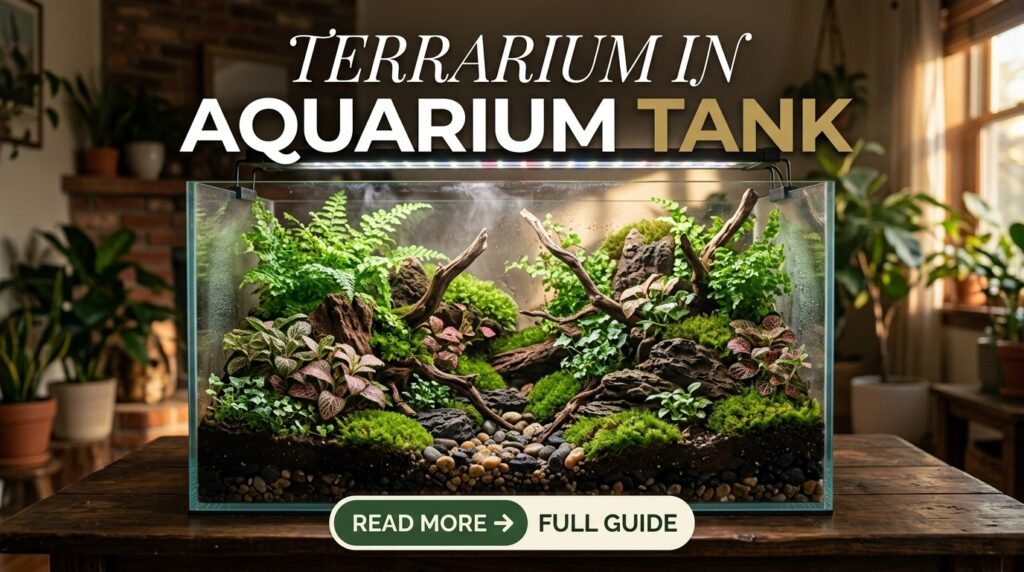
Driftwood can create a strong focal point in a terrarium. Its twisted branches resemble tree roots and can provide surfaces for suitable mosses and epiphytic plants.
Use wood that is safe for indoor planted displays and free from pesticides, preservatives, and other contaminants. Wood collected outdoors should be identified and prepared carefully before use.
Position the driftwood securely so it cannot fall or damage the glass.
8. Minimalist Terrarium
A minimalist terrarium focuses on a few plants, a simple substrate, and one or two carefully selected stones or pieces of wood.
This style works well in modern interiors because it avoids visual clutter. A small group of compatible plants can be more attractive than many unrelated species competing for attention.
Use negative space to create balance and allow the plants room to grow.
Best Plants for a Terrarium in an Aquarium Tank
Plant selection is one of the most important parts of creating a successful terrarium. Choose plants according to the humidity, lighting, temperature, ventilation, and substrate conditions you can provide.
Plants for Humid Terrariums
Suitable options for many humid terrarium designs include:
- Small tropical ferns: Useful for creating a woodland appearance when their moisture and light requirements are met.
- Fittonia: Known for its colorful leaf veins and suitability for many humid planted displays.
- Selaginella: Often used for its fine, moss-like foliage in suitably humid environments.
- Small tropical foliage plants: Compact varieties can add leaf shapes and color without overwhelming the tank.
- Suitable terrestrial mosses: Useful for covering selected areas of the substrate and hardscape when their requirements are met.
Plant varieties differ in their growth rates and mature sizes. Research each species before placing it in a small enclosure.
Plants for Open Terrariums
Open terrariums have better air circulation and are more suitable for plants that do not need consistently high humidity.
Depending on the conditions, options may include small succulents and some compact drought-tolerant plants. Use a well-draining growing medium and provide enough light for the selected species.
Avoid placing moisture-loving ferns and desert succulents together in one enclosure because their preferred growing conditions are usually very different.
Plants for Paludariums
A paludarium has both terrestrial and aquatic sections. Its land area may support suitable tropical plants, while the water section can contain compatible aquatic plants.
Plants growing at the water’s edge must tolerate the moisture conditions where they are placed. Plants that can grow with submerged roots are not necessarily suitable for complete submersion.
If you include aquatic animals, the design must also provide appropriate water quality, filtration, temperature, and living space.
Materials Needed to Build a Terrarium in an Aquarium Tank
Gather the materials before starting your project. Having everything ready makes it easier to arrange the landscape without repeatedly disturbing the substrate.
| Material | Purpose |
|---|---|
| Clean aquarium tank | Provides the glass enclosure |
| Suitable drainage layer, when appropriate | Helps manage excess water in some terrarium designs |
| Fine mesh or separation layer | Keeps substrate layers from mixing where needed |
| Appropriate growing medium | Supports plant roots and retains suitable moisture |
| Stones and driftwood | Create the landscape and focal points |
| Small plants and mosses | Add greenery and texture |
| Spray bottle | Helps control moisture during setup |
| Suitable grow light | Provides adequate light when natural light is insufficient |
| Lid or cover, if needed | Helps regulate humidity while allowing appropriate ventilation |
Not every terrarium needs every material. Drainage layers are not a substitute for proper watering, and a closed terrarium can become waterlogged if too much moisture accumulates.
How to Build a Terrarium in an Aquarium Tank
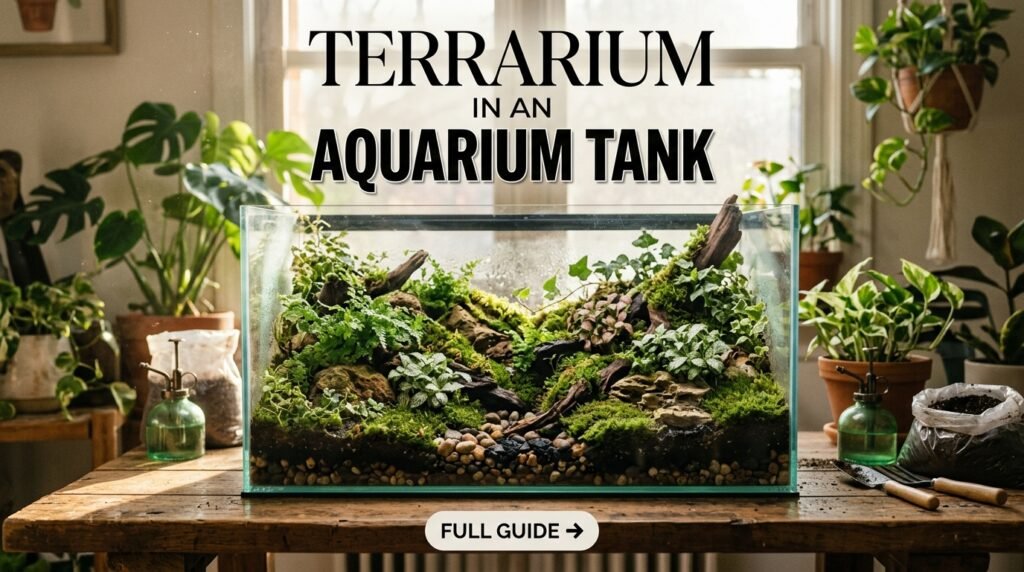
Creating an aquarium terrarium is a straightforward project when you plan the design and match the environment to your plants.
Step 1: Clean and Inspect the Tank
Choose an aquarium with intact glass and sound seams. Clean it thoroughly and rinse away any residue.
Avoid soap, glass cleaners, and household chemicals inside the enclosure. If the tank previously housed fish treated with chemicals, make sure it is appropriate to reuse and that no harmful residue remains.
Place the tank on a stable, level surface that can support its weight.
Step 2: Choose the Terrarium Type
Decide whether you want an open, closed, or semi-open design. This choice determines the plants, substrate, watering routine, and ventilation requirements.
A closed terrarium generally suits compatible humidity-loving plants. An open terrarium is better for plants that need greater airflow and drier conditions.
Step 3: Prepare the Base
For a typical planted terrarium, use a suitable substrate that provides adequate root support and moisture control.
A drainage layer may be useful in some setups, but it does not remove excess water automatically. If water accumulates at the bottom, it may eventually cause root problems.
Keep the growing medium appropriate for the plant species rather than using ordinary garden soil without considering drainage, pests, and contamination.
Step 4: Arrange Stones and Driftwood
Position the largest hardscape elements first. Use smaller stones to create transitions and natural-looking slopes.
Avoid making the arrangement too symmetrical. A focal point positioned slightly off-center often creates a more balanced appearance.
Make sure heavy elements are stable and do not place excessive pressure on the glass.
Step 5: Add the Plants
Place taller plants toward the back and smaller plants toward the front. Leave enough room between plants for their mature growth.
Use a suitable substrate depth for the root systems. Attach compatible epiphytic plants to wood or rocks where appropriate rather than burying plant structures that should remain exposed.
Step 6: Add Water Carefully
Water the substrate gradually according to the needs of the plants. A spray bottle can help moisten small areas without washing away the layout.
For a closed terrarium, begin with moderate moisture rather than saturating the entire substrate. Excess water can create persistent condensation, mold, and root rot.
For an open terrarium, water according to the selected plants’ requirements.
Step 7: Install Suitable Lighting
Place the terrarium where it receives appropriate light or install a suitable grow light. Light requirements vary substantially among tropical foliage plants, mosses, and succulents.
Avoid placing a sealed glass tank in strong direct sunlight because heat can build up quickly inside the enclosure.
Step 8: Adjust Ventilation and Humidity
Observe the terrarium over the following days. Some condensation may occur in a closed setup, but persistent heavy condensation and saturated soil can indicate excessive moisture.
Ventilate the enclosure when needed and reduce watering if the substrate remains excessively wet. Open terrariums should have enough airflow for the plants being grown.
Step 9: Allow the Plants to Establish
Give the plants time to adjust to their new environment. Remove dead leaves, watch for mold, and monitor how quickly the substrate dries.
Make small adjustments instead of changing lighting, watering, and ventilation all at once. This makes it easier to identify what the plants need.
Open vs. Closed Terrarium in an Aquarium Tank
Choosing between an open and closed terrarium is important because the two environments support different types of plants.
| Feature | Open terrarium | Closed terrarium |
|---|---|---|
| Air circulation | Generally higher | More restricted |
| Humidity | Usually lower | Usually higher |
| Watering | Often more frequent, depending on plants | Often less frequent once balanced |
| Suitable plants | Many succulents and dry-condition plants | Compatible tropical plants and mosses |
| Main risk | Drying out too quickly | Excess moisture, mold, or overheating |
| Maintenance | Regular watering and pruning | Humidity monitoring and occasional ventilation |
A lid does not automatically make a terrarium self-sustaining. Plant growth, temperature, light, substrate, and the initial moisture level all affect how much care the enclosure needs.
Common Problems With Aquarium Terrariums
Mold Growth
Mold can appear when the substrate remains too wet, dead plant material accumulates, or airflow is insufficient.
Remove affected dead leaves, improve ventilation where appropriate, and reduce excess watering. Persistent mold may indicate that the terrarium’s moisture balance or plant selection needs to change.
Yellowing Leaves
Yellow leaves can result from overwatering, underwatering, insufficient light, nutrient problems, or unsuitable temperatures.
Check the growing conditions before adding fertilizer. Many small terrariums need little additional fertilizer, and excessive nutrients can encourage algae or cause unwanted growth.
Excessive Condensation
A little condensation can occur in a closed terrarium, but constant heavy condensation may indicate excessive moisture or large temperature fluctuations.
Ventilate the tank as needed, allow the substrate to become less saturated, and keep the enclosure away from strong direct sunlight.
Plants Growing Too Large
Some plants quickly outgrow a miniature landscape. Trim them when appropriate or replace them with compact species that suit the tank’s dimensions.
Research mature plant size before buying, especially when using a small aquarium.
Unpleasant Smells
A persistent unpleasant smell may indicate waterlogged substrate, decaying plant material, or poor airflow.
Remove decaying material and inspect the base of the terrarium. If the substrate is saturated, address the drainage and watering problems instead of simply adding more decorative material.
How to Maintain a Terrarium in an Aquarium Tank
A terrarium requires regular observation even when it is enclosed. Check the plants for healthy growth, remove dead leaves, and inspect the substrate for mold or persistent waterlogging.
Water only when necessary. Closed terrariums can retain moisture for long periods, while open terrariums may dry out more quickly. Do not follow a fixed watering schedule without checking the actual conditions.
Clean the glass when condensation marks or algae reduce visibility. Trim plants before they overcrowd the enclosure, and remove debris that could decay.
Adjust lighting and ventilation as the plants grow. If the terrarium becomes too warm, too humid, or too crowded, make changes gradually.
Can You Turn a Fish Aquarium Into a Terrarium?
Yes, an unused fish aquarium can often be repurposed into a terrarium. It provides a ready-made glass enclosure and can be especially useful for larger planted landscapes.
However, a standard aquarium is not automatically suitable for every terrarium design. Its height, ventilation, and access opening may limit the plants you can grow. A tank designed for aquatic use may also trap heat and humidity if it is tightly covered.
Inspect the tank carefully, choose plants that match the environment, and use appropriate lighting and substrate. If the tank previously housed fish, clean it thoroughly and avoid reusing contaminated materials.
A terrarium does not need to contain fish or water. If you want both terrestrial plants and an aquatic area, a paludarium is usually the more accurate term for that style of setup.
Frequently Asked Questions About Terrarium in Aquarium Tank
Can I make a terrarium in an old aquarium tank?
Yes. An unused aquarium can be turned into an open or closed terrarium if the glass and seams are in good condition. Clean it thoroughly, select suitable plants, and provide the right lighting and ventilation.
What plants are best for an aquarium terrarium?
Suitable plants depend on the humidity and light conditions. Fittonia, small tropical ferns, Selaginella, and compatible terrestrial mosses can work in humid terrariums, while many succulents need open conditions and fast-draining substrate.
Does a terrarium in an aquarium tank need drainage?
Some designs benefit from a drainage layer, but it does not replace appropriate watering. If excess water accumulates and cannot evaporate or drain away, the substrate can become waterlogged.
Should I cover my aquarium terrarium?
A cover can help maintain humidity for suitable tropical plants. However, ventilation may be necessary to prevent excessive condensation and mold. Open terrariums are generally more appropriate for plants that prefer drier conditions.
Can I put fish in a terrarium?
A conventional terrarium is designed primarily for terrestrial plants and does not provide the aquatic environment fish require. If you want a combination of land and water with aquatic animals, design a proper paludarium with a suitable water section and appropriate animal-care systems.
How often should I water an aquarium terrarium?
There is no universal schedule. Closed terrariums may need water infrequently once balanced, while open terrariums may dry out faster. Check the substrate moisture and the requirements of your plants before watering.
Does an aquarium terrarium need a grow light?
Not always, but many indoor terrariums need supplemental lighting if natural light is insufficient. Choose a light that suits the plants and avoid excessive heat or direct sunlight through the glass.
Can I use aquarium gravel in a terrarium?
Aquarium gravel can be used decoratively or in selected designs, but it does not provide the same root support or moisture behavior as a suitable growing medium. Choose the substrate based on the plants you intend to grow.
What is the difference between a terrarium and a paludarium?
A terrarium primarily supports terrestrial plants in an enclosed or open environment. A paludarium combines land and water zones and can support suitable terrestrial and aquatic plants.
Is a terrarium in an aquarium tank easy to maintain?
A simple terrarium with compatible plants can be relatively easy to maintain. However, humidity control, watering, pruning, lighting, and mold prevention still require attention.
Conclusion
A terrarium in aquarium tank is a creative way to turn an unused glass aquarium into a beautiful indoor garden. Whether you prefer a tropical forest, a moss-covered landscape, a minimalist rock garden, or a desert-inspired display, the tank offers plenty of room for creativity.
The key to success is choosing the right terrarium type, matching plants to the available light and humidity, using suitable substrate, and preventing excess moisture. With careful planning and regular observation, an aquarium tank can become an attractive miniature landscape that brings a little piece of nature into your home.