
 By admin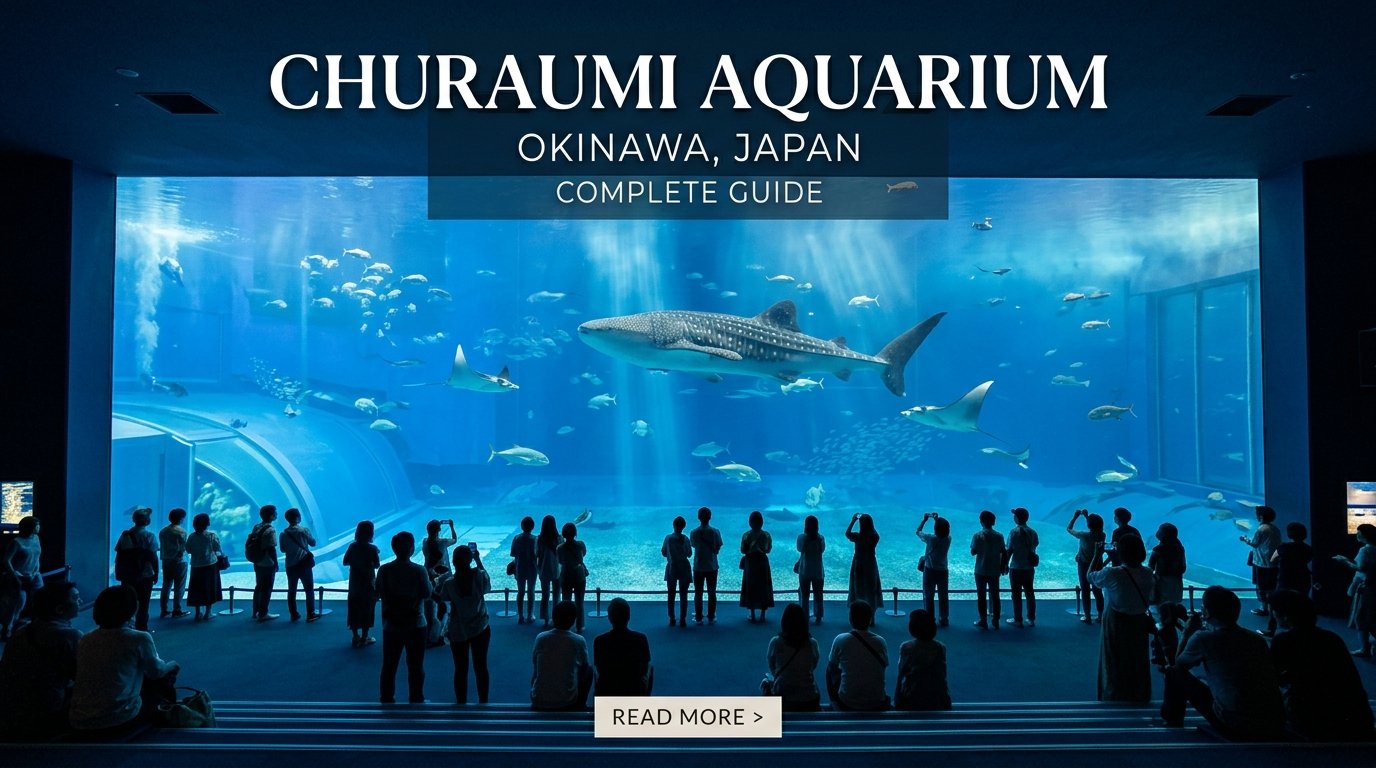
Churaumi Aquarium is one of Japan’s most famous aquarium attractions, known for its enormous tanks, impressive marine animals, and fascinating underwater displays. Located in Okinawa, Japan, this popular destination allows visitors to explore the beauty of the ocean and learn about marine life from tropical fish and coral reef ecosystems to enormous whale sharks and manta rays. For aquarium enthusiasts, Churaumi Aquarium is an inspiring example of how a large public aquarium can combine marine education, conservation, and unforgettable visitor experiences.
Whether you are planning a visit to Okinawa, researching famous aquariums around the world, or looking for inspiration for your own aquarium, Churaumi Aquarium offers plenty to discover. Its large viewing windows, diverse aquatic habitats, and focus on the unique marine environment surrounding Okinawa make it an especially interesting destination for families, travelers, and ocean lovers.
Where Is Churaumi Aquarium Located?
Churaumi Aquarium is located within Ocean Expo Park in Motobu, on the northern part of Okinawa Island, Japan. The aquarium is surrounded by a beautiful coastal landscape, making it a popular stop for visitors exploring Okinawa’s beaches, islands, and cultural attractions.
The name “Churaumi” combines Okinawan words associated with beauty and the sea. The name reflects the aquarium’s connection to the ocean and the remarkable marine biodiversity found around Okinawa.
The region is known for warm waters, coral reefs, and a variety of tropical marine species. These natural environments provide an important backdrop for understanding the aquarium’s exhibits and its educational focus.
Visitors often combine an aquarium trip with other attractions within Ocean Expo Park. Because the park covers a substantial area, it is worth planning enough time to explore the aquarium and enjoy the surrounding scenery.
What Makes Churaumi Aquarium Special?
Churaumi Aquarium stands out for its large-scale marine exhibits and its presentation of animals that are difficult to observe closely in the wild. Its major attraction is the Kuroshio Sea tank, which provides a dramatic view of large marine animals swimming through an expansive aquatic environment.
The aquarium also showcases the diversity of Okinawa’s coastal waters, including tropical fish, coral reef life, and other marine organisms. Instead of focusing only on large animals, it helps visitors appreciate the many different species and habitats that make ocean ecosystems so remarkable.
Several features make Churaumi Aquarium particularly appealing:
- Large viewing windows that allow visitors to observe marine animals from different perspectives.
- Exhibits featuring whale sharks and manta rays.
- Displays focused on Okinawa’s coral reefs and tropical marine environments.
- Educational information about marine animals and their habitats.
- Opportunities to learn about ocean conservation and the challenges facing marine ecosystems.
The combination of impressive scale and educational exhibits makes Churaumi Aquarium a memorable destination for people with different levels of knowledge about marine life.
The Kuroshio Sea Tank
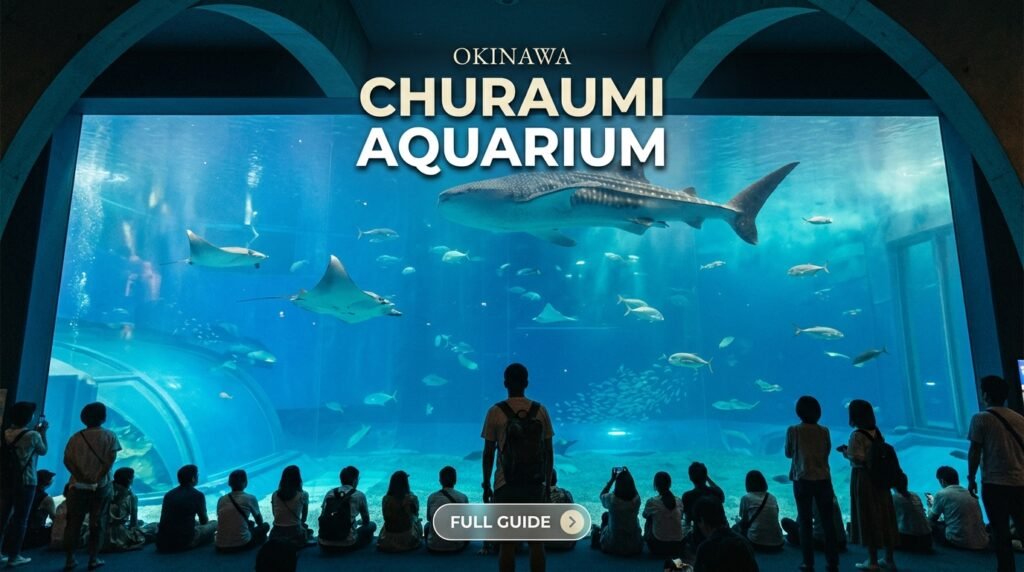
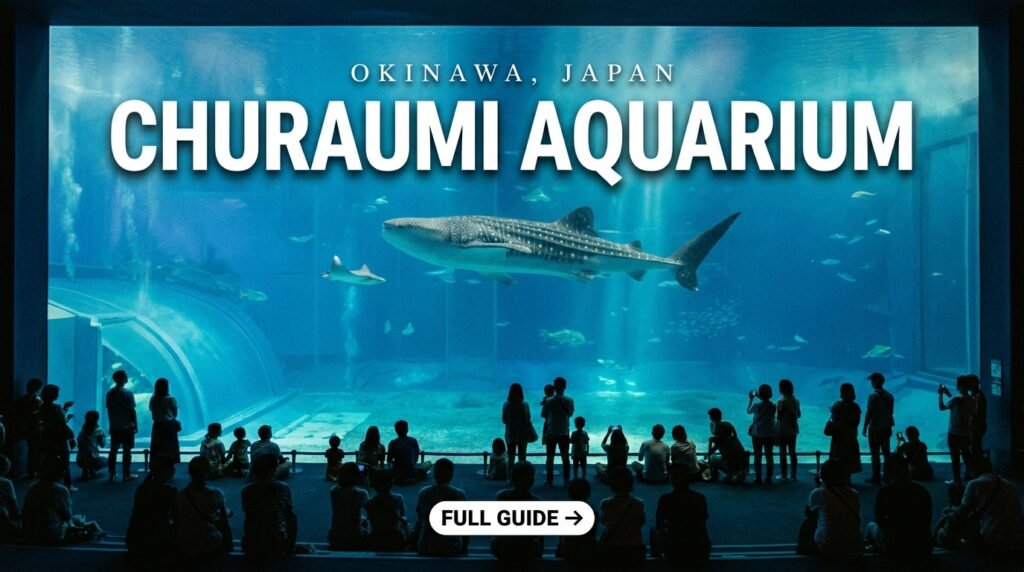
The Kuroshio Sea tank is the centerpiece of Churaumi Aquarium. Its enormous viewing window allows visitors to watch large marine animals moving through the water, creating the feeling of looking into a vast underwater world.
The tank is particularly famous for its whale sharks and manta rays. Seeing these animals glide through the water offers a perspective that is very different from viewing smaller fish in a conventional aquarium.
The name Kuroshio refers to the powerful warm ocean current that flows through the western Pacific, influencing the marine environment around Japan. This current helps shape the conditions that support many species found in the surrounding seas.
The exhibit’s size allows visitors to observe animal movement, feeding behavior, and interactions with the aquatic environment. It also creates an opportunity to discuss the challenges involved in caring for large marine animals in managed environments.
For aquarium designers, the Kuroshio Sea tank demonstrates how viewing angles, tank dimensions, water quality systems, and thoughtful exhibit planning can shape the visitor experience.
Whale Sharks at Churaumi Aquarium
Whale sharks are among the most recognizable animals at Churaumi Aquarium. Despite their enormous size, these animals are filter feeders that consume small organisms, including plankton and other tiny food items.
Whale sharks are not whales. They are the largest living fish species, and their bodies have distinctive patterns of pale spots and stripes. Their broad mouths and gentle filtering behavior make them particularly fascinating to observe.
At Churaumi Aquarium, visitors can watch whale sharks swim through the large tank and learn about their biology. Their movements provide a reminder of how much space large marine species need and why their natural habitats are important.
In the wild, whale sharks face threats such as fishing pressure, accidental capture, vessel strikes, and changes in ocean conditions. Conservation programs and scientific research help improve understanding of these animals and the risks they face.
Observing a whale shark in an aquarium can encourage visitors to learn more about responsible marine tourism and the protection of ocean habitats.
Manta Rays and Other Large Marine Animals
Manta rays are another major attraction associated with the Kuroshio Sea tank. These graceful rays have broad, wing-like pectoral fins that allow them to move smoothly through the water.
Manta rays feed mainly on plankton and other small organisms. They use their specialized mouth structures to filter food from the water while swimming.
Watching manta rays alongside whale sharks gives visitors an opportunity to compare two very different types of filter feeders. Although they may appear similar in size from a distance, they belong to different groups of fishes and have different body structures and behaviors.
The aquarium also features a range of other marine animals, depending on its current exhibits and display arrangements. These animals help illustrate the variety of life found in tropical and subtropical marine environments.
Visitors should check the aquarium’s current exhibit information before traveling if they hope to see a particular species.
Coral Reef Exhibits at Churaumi Aquarium
Okinawa is known for its coral reef ecosystems, which support a wide range of marine life. Coral reefs provide food, shelter, and breeding areas for many species, making them among the most biologically diverse marine environments.
Churaumi Aquarium helps visitors explore the relationship between coral reefs and the animals that depend on them. Reef exhibits can showcase colorful fish, corals, and other organisms that live in these complex habitats.
Coral reefs are not simply collections of colorful structures. They are living ecosystems formed by colonies of tiny animals called coral polyps. Many reef-building corals depend on a close relationship with microscopic algae that help supply energy through photosynthesis.
These ecosystems are sensitive to changes in water temperature, pollution, sedimentation, and ocean acidity. Rising sea temperatures can cause coral bleaching, a process in which corals lose or expel their symbiotic algae and may become vulnerable to starvation or disease.
Learning about coral reefs at an aquarium can help visitors understand why marine conservation matters and how human activities affect underwater environments.
Tropical Fish at Churaumi Aquarium
Tropical fish contribute much of the color and variety seen in Okinawa’s marine environments. Coral reefs support fish with many different shapes, feeding strategies, and behaviors.
Some species graze on algae, helping control algal growth on reefs. Others feed on small invertebrates, plankton, or other fish. These feeding relationships help maintain ecological balance.
Visitors may encounter reef fish with bright colors, intricate patterns, and unusual body shapes. Such adaptations can help fish communicate, find food, avoid predators, or blend into their surroundings.
For home aquarium enthusiasts, tropical marine fish displays can provide inspiration for aquascaping and species selection. However, marine fishkeeping requires careful planning. Different species have different space requirements, water chemistry needs, diets, and compatibility concerns.
Fish should never be selected only because they look attractive together. Their adult size, behavior, and environmental requirements must be considered before they are housed in the same aquarium.
Deep-Sea and Unusual Marine Life
The ocean contains habitats that are very different from shallow coral reefs. Deep-sea environments often have little or no sunlight, low temperatures, and high pressure. Animals living in these conditions may have unusual adaptations for finding food and surviving in darkness.
Aquariums that display deep-sea organisms can help visitors understand how marine life adapts to different environments. Depending on the current exhibits, visitors may learn about animals with specialized body shapes, light-producing organs, or unusual feeding behaviors.
Not all deep-sea animals can be maintained in ordinary aquarium conditions. Some require specialized temperature control, water pressure considerations, or carefully managed feeding systems.
These animals demonstrate that the ocean is not a single uniform habitat. From sunlit coral reefs to the darkest depths, marine ecosystems support an extraordinary range of life.
Marine Research and Conservation
Public aquariums can contribute to conservation through education, scientific research, animal care, and collaboration with researchers. Churaumi Aquarium is particularly relevant to the study and understanding of marine life around Okinawa.
Research involving large marine animals can help scientists learn about feeding, growth, reproduction, health, and behavior. Information gathered in managed environments may complement observations from wild populations, although aquarium conditions cannot fully reproduce the complexity of the open ocean.
Conservation also depends on protecting natural habitats. Coral reef restoration, responsible fishing practices, reducing plastic pollution, and improving coastal water quality can all help support marine biodiversity.
Visitors can contribute by following responsible wildlife-viewing practices, reducing single-use plastics, respecting marine protected areas, and choosing tourism activities that prioritize animal welfare and habitat protection.
Aquariums can be valuable educational spaces when they communicate both the beauty of marine life and the responsibility involved in protecting it.
Churaumi Aquarium for Families and Children
Churaumi Aquarium is a popular destination for families because its exhibits offer visual experiences for visitors of different ages. Children can observe large marine animals, explore the shapes and colors of tropical fish, and learn about ocean habitats through educational displays.
The aquarium can also support school learning by connecting biology lessons with real examples of marine organisms. Seeing the differences between fish, rays, and other marine animals can make scientific concepts easier to understand.
Parents can make the visit more engaging by encouraging children to observe how different animals move, what they eat, and how their bodies are adapted to their environments.
For younger visitors, it can be helpful to plan breaks and avoid trying to see every exhibit too quickly. Taking time to watch the animals can make the experience more rewarding than simply walking from one display to another.
Best Time to Visit Churaumi Aquarium
The best time to visit depends on your travel plans, weather preferences, and tolerance for crowds. Okinawa attracts visitors throughout the year, and the aquarium can be busy during holidays, weekends, and peak travel seasons.
Visiting earlier in the day may give you more time to explore the exhibits before the busiest periods. If you prefer a quieter experience, consider visiting on a weekday outside major Japanese holiday periods when your itinerary allows.
Okinawa has a subtropical climate, with warm summers and relatively mild winters. Weather can influence outdoor activities around Ocean Expo Park, so it is useful to check the forecast before your visit.
Before traveling, verify the aquarium’s opening hours, admission prices, special exhibit schedules, and any temporary closures through its official visitor information. These details can change over time.
How Much Time Should You Spend at Churaumi Aquarium?
The amount of time needed depends on your interests and the pace of your visit. Visitors who want to see the main exhibits may need several hours, while those who enjoy reading educational displays, watching animal behavior, and exploring the surrounding park should allow additional time.
A useful plan is to prioritize the Kuroshio Sea tank, explore the other marine exhibits, and then visit any additional attractions that interest you.
If you are traveling with children or photographers, allow time to stop at the viewing windows and observe the animals without rushing.
Planning a flexible schedule is particularly helpful if you are visiting other locations in northern Okinawa on the same day.
Tips for Visiting Churaumi Aquarium
A little preparation can make your visit more enjoyable.
Check official information before departure. Confirm opening hours, ticket details, transport options, and any temporary exhibit changes.
Allow enough time. The large main tank and other exhibits deserve more than a quick look, especially if you enjoy marine life.
Visit popular viewing areas strategically. If the main viewing window is crowded, explore other exhibits and return when the viewing area becomes less busy.
Respect the animals. Follow aquarium rules about touching, feeding, photography, and behavior around exhibits.
Plan transportation. Churaumi Aquarium is in northern Okinawa, so consider how you will reach it from your accommodation. Travel time varies depending on your starting point and traffic.
Explore the surrounding park. If your schedule allows, enjoy the coastal setting and other attractions in Ocean Expo Park.
Wear comfortable footwear. You may spend several hours walking and standing while exploring the aquarium and nearby attractions.
Churaumi Aquarium vs. Other Famous Aquariums
Churaumi Aquarium is often compared with other major aquariums because of its large marine displays and famous whale sharks. Each aquarium, however, has its own strengths, exhibit designs, and educational focus.
| Aquarium | Location | Notable feature |
|---|---|---|
| Churaumi Aquarium | Okinawa, Japan | Kuroshio Sea tank and whale sharks |
| Georgia Aquarium | Atlanta, United States | Large marine exhibits and diverse aquatic collections |
| Osaka Aquarium Kaiyukan | Osaka, Japan | Large central tank and displays of Pacific marine habitats |
| Singapore Oceanarium | Singapore | Extensive marine exhibits and educational experiences |
| Monterey Bay Aquarium | California, United States | Strong focus on ocean ecosystems and conservation education |
Exhibits, animal collections, and visitor offerings can change. The best aquarium to visit depends on your destination, interests, and the type of marine life you want to learn about.
What Aquarium Enthusiasts Can Learn From Churaumi Aquarium
Churaumi Aquarium offers useful inspiration for people who maintain home aquariums, especially when it comes to designing displays that are both attractive and functional.
One important lesson is the value of providing appropriate space for aquatic animals. Large marine species require far more room than most home aquariums can provide, and their care involves specialized facilities and experienced staff.
Another lesson is the importance of habitat-based displays. Arranging animals and scenery around a clear ecological theme can help visitors understand how species relate to their environment.
Water quality is equally important. Large public aquariums rely on sophisticated filtration, monitoring, and life-support systems. Home aquarists may use smaller systems, but they still need effective biological filtration, suitable water parameters, and regular maintenance.
Finally, the aquarium demonstrates how educational information can deepen appreciation for marine life. Learning about a fish’s natural habitat, diet, and conservation status makes observing it more meaningful.
Frequently Asked Questions About Churaumi Aquarium
Where is Churaumi Aquarium?
Churaumi Aquarium is located in Ocean Expo Park in Motobu, northern Okinawa, Japan. It is a major attraction for visitors exploring Okinawa Island.
What is Churaumi Aquarium famous for?
The aquarium is best known for its Kuroshio Sea tank, which features whale sharks and manta rays. It also showcases tropical marine life and habitats associated with Okinawa.
Can you see whale sharks at Churaumi Aquarium?
Whale sharks are among the aquarium’s signature animals. However, animal displays can change, so visitors should confirm current exhibit information before traveling.
How long does it take to visit Churaumi Aquarium?
Many visitors should allow several hours to explore the aquarium comfortably. People who want to spend extra time watching animals or exploring Ocean Expo Park may need longer.
Is Churaumi Aquarium suitable for children?
Yes, the aquarium can be an engaging destination for families. Large viewing windows and diverse marine exhibits provide opportunities for children to observe animals and learn about ocean ecosystems.
What is the best time to visit Churaumi Aquarium?
Weekdays outside major holidays may be less crowded than weekends and peak travel periods. Arriving earlier can also provide more time to explore, although crowd levels vary.
Does Churaumi Aquarium have whale sharks and manta rays?
The Kuroshio Sea tank is famous for these animals. Check the aquarium’s current official information for the latest details about its animal collection and exhibits.
Is Churaumi Aquarium worth visiting?
For people interested in marine life, large aquariums, or Okinawa’s coastal ecosystems, Churaumi Aquarium can be a worthwhile attraction. Its large main tank and variety of marine displays make it especially appealing to ocean enthusiasts.
Is Churaumi Aquarium good for aquarium design inspiration?
Yes. Visitors can observe how exhibit scale, lighting, underwater scenery, and viewing windows influence the presentation of marine life. Home aquarium owners should adapt ideas to the needs and space requirements of their own fish rather than trying to reproduce large public exhibits.
What other attractions are near Churaumi Aquarium?
The aquarium is located within Ocean Expo Park, which has additional attractions and outdoor areas. Visitors can explore the park before or after their aquarium visit, depending on opening hours and their schedule.
Conclusion
Churaumi Aquarium is an outstanding destination for anyone interested in marine life, ocean education, and the underwater world. Its famous Kuroshio Sea tank, whale sharks, manta rays, tropical fish, and coral reef displays help visitors appreciate the diversity of Okinawa’s surrounding waters.
Beyond its impressive exhibits, the aquarium provides an opportunity to learn about marine habitats, animal adaptations, and the importance of conservation. Whether you are planning a trip to Japan or looking for inspiration for your own aquarium, Churaumi Aquarium offers a fascinating look at the relationship between aquatic animals and the environments they depend on.
By learning about these ecosystems and supporting responsible marine tourism, visitors can take away more than memorable photographs: they can develop a deeper appreciation for the oceans and the need to protect them.
Strengthen the SEO-focused introductionReduce repeated whale-shark information