
 By admin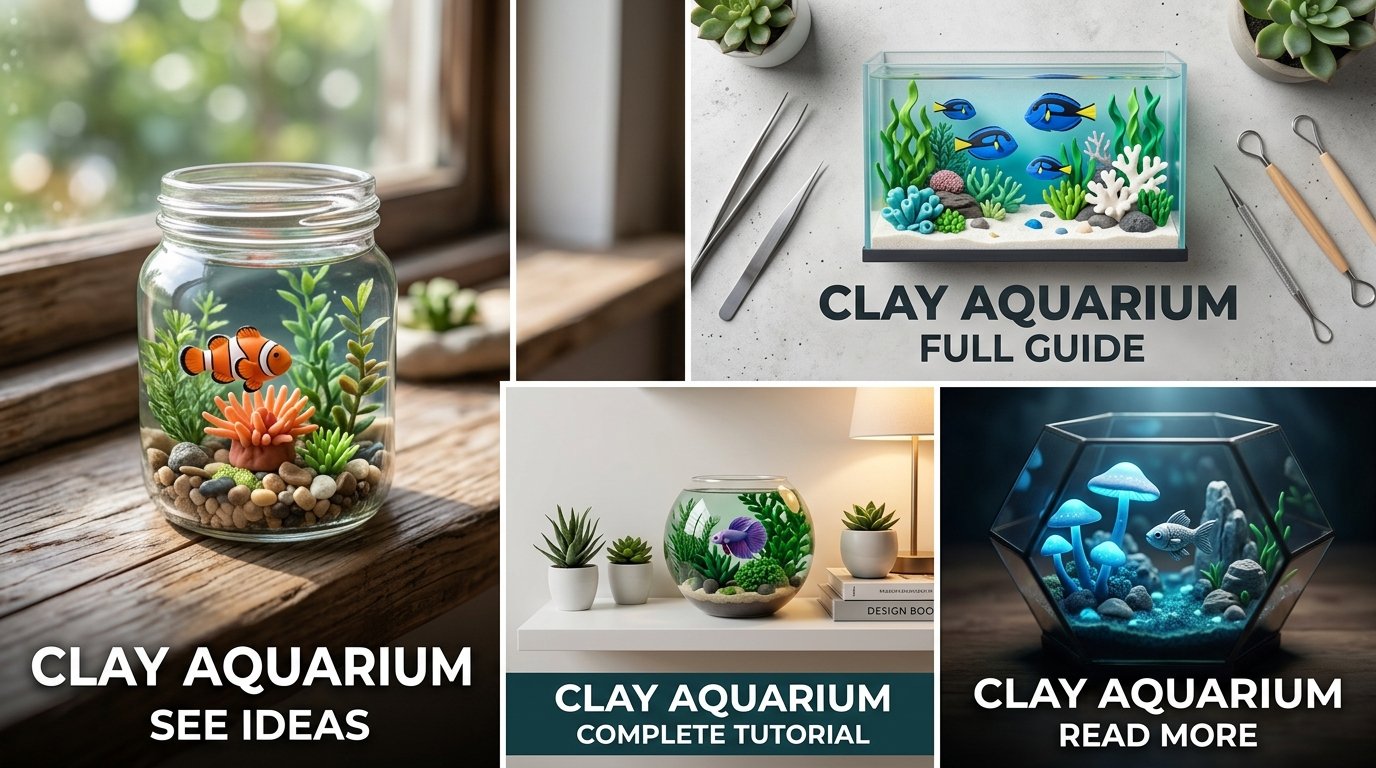
A clay aquarium combines natural materials with creative aquascaping to create a beautiful and fish-friendly underwater environment. Clay has been used in aquariums for decades because it is versatile, affordable, and available in many forms, including clay pots, ceramic caves, clay substrate, and handmade decorations. When properly prepared and aquarium-safe, clay decorations provide shelter for fish, support plant growth, and enhance the natural appearance of an aquarium.
Whether you are designing a planted freshwater tank, a shrimp aquarium, or a breeding setup, clay can be an excellent addition to your aquarium. This guide explains the different uses of clay in aquariums, its benefits, setup ideas, maintenance tips, and safety considerations.
What Is a Clay Aquarium?
A clay aquarium is an aquarium that incorporates clay-based materials as part of its design or functionality. These materials may include decorative elements, plant containers, breeding caves, or nutrient-rich substrates.
Common clay items used in aquariums include:
- Terracotta clay pots
- Ceramic caves
- Clay breeding tubes
- Clay substrate
- Handmade clay ornaments
- Clay plant holders
These additions create a natural-looking environment while serving practical purposes.
Benefits of Using Clay in an Aquarium
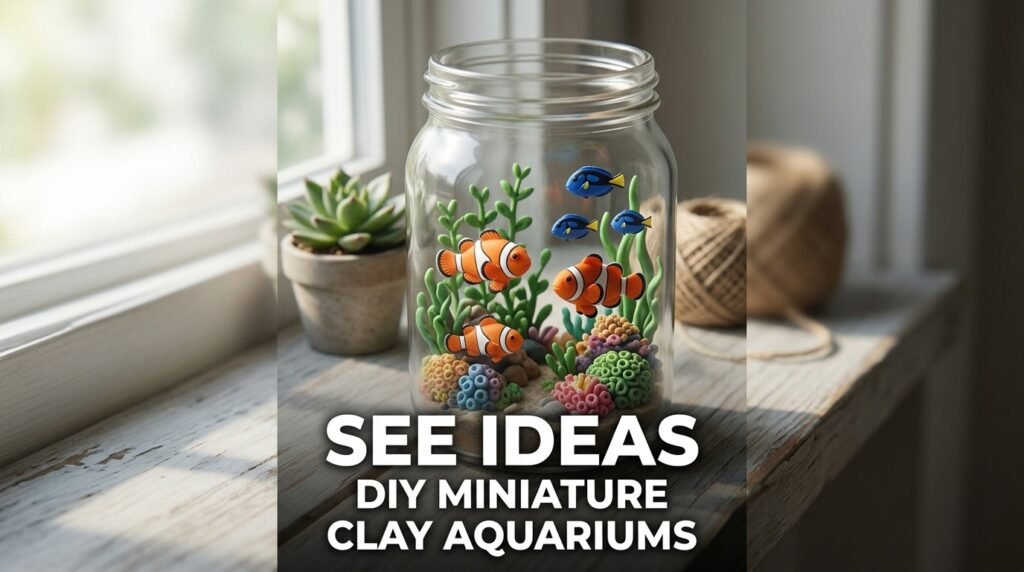
Clay offers several advantages for both fish and aquarium plants.
Natural Appearance
Clay blends well with rocks, driftwood, and aquatic plants, creating a realistic underwater landscape.
Safe Hiding Places
Clay caves and pots provide shelter for fish, shrimp, and other aquatic animals.
Supports Plant Growth
Certain clay-based substrates contain minerals that encourage healthy root development.
Long-Lasting Material
High-quality fired clay is durable and resistant to water damage.
Budget-Friendly
Terracotta pots and clay decorations are often less expensive than many commercial aquarium ornaments.
Types of Clay Used in Aquariums
Not all clay products are suitable for aquarium use. Choose materials specifically designed for aquatic environments or plain, unglazed terracotta.
Terracotta Clay
Terracotta is one of the most popular choices.
Uses include:
- Plant pots
- Fish caves
- Shrimp shelters
Its natural orange-brown color complements most aquascapes.
Ceramic Clay
Fired ceramic decorations are durable and available in many shapes.
Examples include:
- Tunnels
- Caves
- Decorative ruins
- Breeding tubes
Ensure the ceramic is free of toxic glazes.
Clay-Based Aquarium Soil

Many planted aquarium substrates are made with processed clay.
Benefits include:
- Nutrient-rich composition
- Excellent plant support
- Improved root growth
Clay Pot Aquarium Ideas
Clay flower pots are inexpensive and versatile.
Fish Caves
Lay a small pot on its side to create a shelter for fish.
Shrimp Hiding Spots
Miniature clay pots provide safe retreats for freshwater shrimp.
Plant Holders
Use clay pots to contain aquatic plants and simplify maintenance.
Decorative Layouts
Arrange multiple pots among rocks and driftwood for a rustic appearance.
Clay Decorations for Aquascaping
Clay decorations can enhance many aquarium styles.
Nature Aquarium
Combine clay with driftwood and stones for a natural look.
Jungle Aquascape
Hide clay pots among dense live plants.
River Layout
Blend clay ornaments into sandy riverbeds.
Shrimp Tank
Use small clay tubes and caves to create breeding and hiding areas.
Best Fish for a Clay Aquarium
Many freshwater fish appreciate clay shelters.
Betta Fish
Clay caves offer resting places and reduce stress.
Corydoras Catfish
Enjoy exploring clay tunnels and caves.
Plecos
Often use clay caves as daytime hiding spots.
Apistogramma
Dwarf cichlids frequently spawn inside clay caves.
Bristlenose Plecos
Clay breeding caves are commonly used by breeders.
Clay Aquarium for Shrimp
Freshwater shrimp benefit greatly from clay decorations.
Benefits
- Safe hiding places
- Grazing surfaces for biofilm
- Protection during molting
Popular shrimp species include:
- Cherry Shrimp
- Amano Shrimp
- Crystal Red Shrimp
Clay Aquarium for Breeding Fish
Many fish species prefer enclosed spawning locations.
Suitable clay breeding caves can encourage breeding for:
- Bristlenose Plecos
- Apistogramma
- Kribensis
- Certain catfish species
Choose cave sizes appropriate for the species you keep.
Live Plants and Clay
Clay pairs well with planted aquariums.
Popular plants include:
- Anubias
- Java Fern
- Cryptocoryne
- Amazon Sword
- Vallisneria
- Java Moss
Attach plants to clay decorations or place potted specimens within the aquarium.
DIY Clay Aquarium Decorations
Many hobbyists create custom decorations.
Ideas include:
- Mini caves
- Rock-style ornaments
- Plant holders
- Shrimp tubes
- Decorative arches
Only use clay that is fully fired and free from harmful paints or sealants.
How to Prepare Clay for Aquarium Use
Proper preparation is essential.
Clean Thoroughly
Wash the clay item with warm water.
Do not use soap or detergents.
Soak Before Use
Soaking helps remove dust and trapped air.
Inspect for Damage
Avoid cracked or broken pieces.
Use Only Aquarium-Safe Materials
Never use painted or chemically treated clay.
Aquarium Layout Ideas with Clay
Natural River Theme
Combine:
- Sand substrate
- Driftwood
- Clay pots
- Smooth stones
Forest Aquascape
Hide clay decorations among dense plants.
Shrimp Paradise
Arrange multiple clay tubes with moss-covered driftwood.
Minimalist Layout
Use one clay cave as the focal point.
Clay Substrate for Planted Aquariums
Clay-based substrates provide nutrients for aquatic plants.
Advantages include:
- Strong root support
- Improved plant growth
- Long-lasting fertility
Many commercial planted aquarium soils use clay as a primary ingredient.
Maintenance Tips
Clay decorations require routine care.
Remove Algae
Gently clean with an aquarium-safe brush.
Inspect for Cracks
Replace damaged items if necessary.
Vacuum Around Decorations
Remove accumulated debris.
Avoid Harsh Chemicals
Clean using aquarium water only.
Proper maintenance keeps clay decorations attractive and safe.
Common Mistakes to Avoid
Using Decorative Clay with Toxic Paint
Only use aquarium-safe or plain terracotta items.
Choosing Sharp Decorations
Ensure edges are smooth to protect fish.
Ignoring Cleaning
Clay surfaces can accumulate algae over time.
Overcrowding the Aquarium
Maintain open swimming areas despite decorative additions.
Using Unfired Clay
Soft clay can break down in water and should not be used.
Why Clay Is Popular in Aquascaping
Aquascapers appreciate clay because it offers:
- Natural appearance
- Affordable pricing
- Fish-friendly shelters
- Plant-growing benefits
- Creative flexibility
Its versatility makes it suitable for beginner and advanced aquariums alike.
Conclusion
A clay aquarium is an excellent way to combine natural beauty with practical functionality. Whether you use terracotta pots, ceramic caves, clay-based substrates, or handmade decorations, clay adds warmth, texture, and authenticity to freshwater aquariums. It provides safe hiding places for fish and shrimp, supports healthy plant growth, and blends seamlessly into a variety of aquascaping styles.
By selecting aquarium-safe clay products, preparing them properly, and maintaining them regularly, you can create a beautiful underwater environment that benefits both your aquatic life and the overall appearance of your aquarium.
Frequently Asked Questions
Is clay safe for aquariums?
Yes. Properly fired, unglazed terracotta and aquarium-safe ceramic clay products are generally safe for freshwater aquariums.
Can I use clay flower pots in my aquarium?
Yes. Plain, unglazed terracotta pots are commonly used as fish caves, plant holders, and breeding shelters.
Is clay good for aquarium plants?
Clay-based substrates are excellent for rooted aquatic plants because they contain minerals that support healthy growth.
What fish like clay caves?
Bristlenose plecos, corydoras, apistogramma, kribensis, and many catfish species enjoy clay caves.
How do I clean clay aquarium decorations?
Rinse them in aquarium water and gently remove algae with a soft brush. Avoid using soap or chemical cleaners.
Can I make my own clay aquarium decorations?
Yes. Use fully fired, aquarium-safe clay without toxic glazes or paints, and inspect the finished pieces for smooth surfaces and structural integrity before placing them in the aquarium.