
 By admin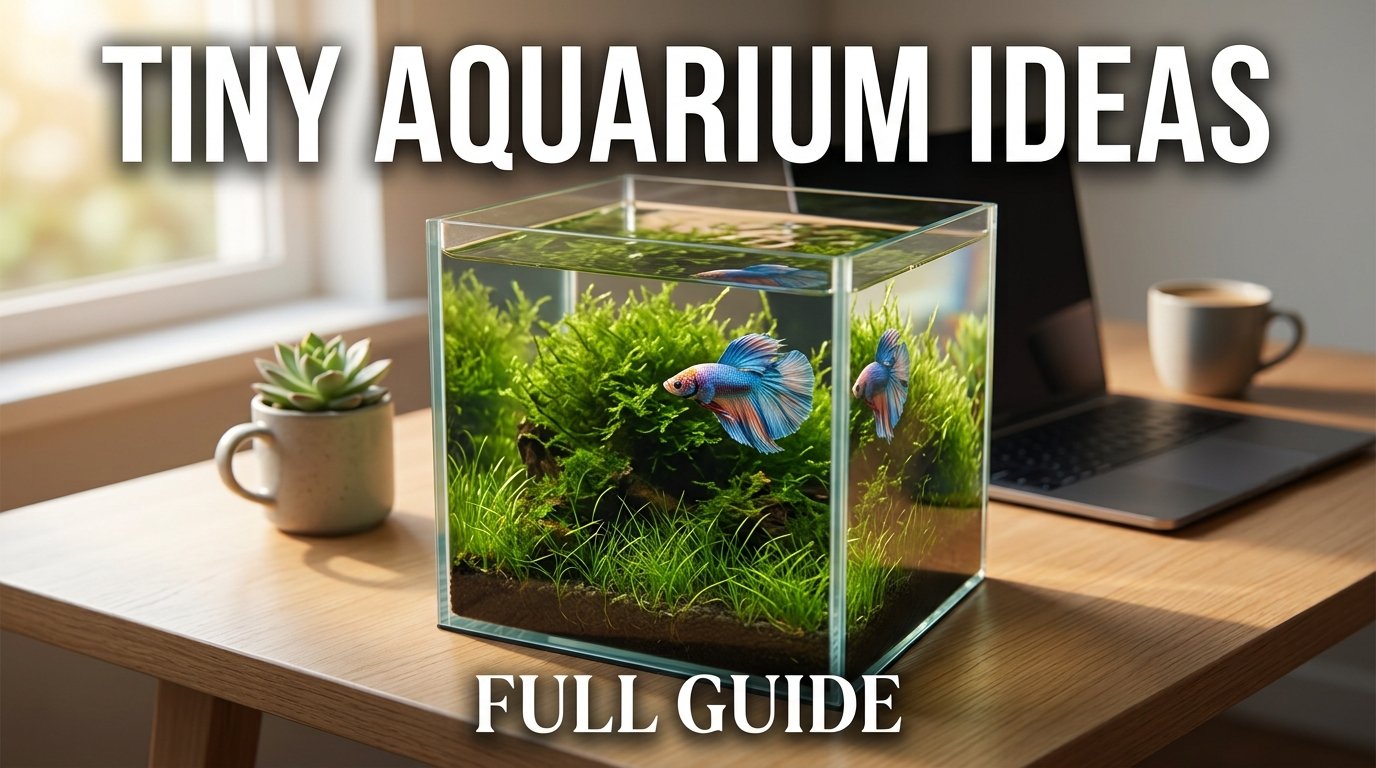
A tiny aquarium is a compact and stylish way to enjoy the beauty of aquatic life, even in limited spaces. Whether placed on a desk, bookshelf, kitchen counter, or office table, a tiny aquarium adds a touch of nature while creating a peaceful atmosphere. Despite their small size, these aquariums require thoughtful planning, proper equipment, and regular maintenance to keep fish and plants healthy.
Tiny aquariums are popular among beginners, apartment dwellers, students, and anyone looking for a low-space aquarium setup. With the right design and livestock, a tiny aquarium can become a stunning miniature underwater world.
What Is a Tiny Aquarium?
A tiny aquarium is a small fish tank that typically holds between 2 and 10 gallons (8 to 38 liters) of water. These compact tanks are designed for limited spaces while still providing a safe environment for suitable aquatic life.
Tiny aquariums can be used for:
- Betta fish
- Freshwater shrimp
- Snails
- Nano fish
- Aquatic plants
- Aquascaping
Because water conditions change more quickly in small tanks, they require consistent care and monitoring.
Why Choose a Tiny Aquarium?
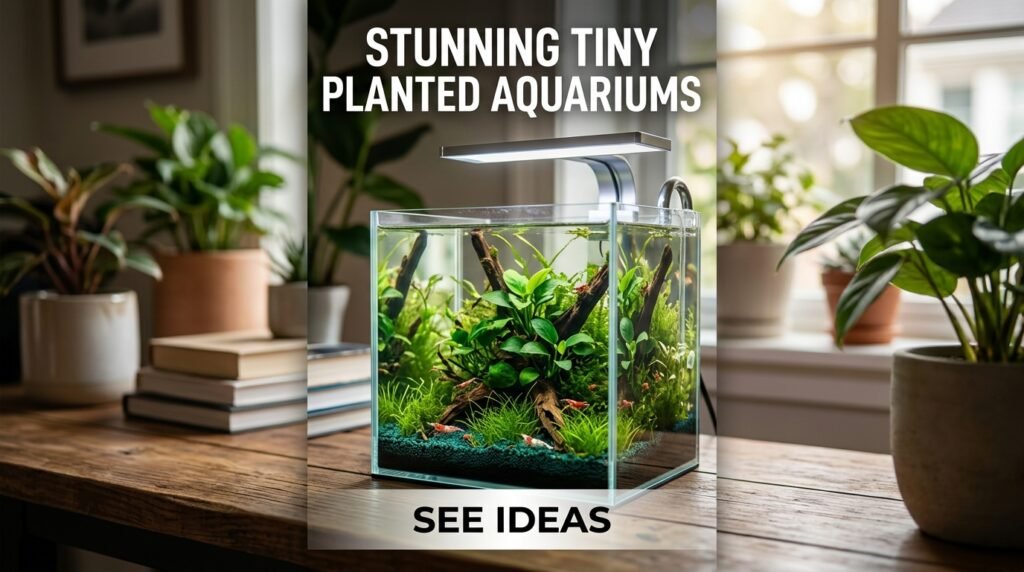
Tiny aquariums offer many advantages for fishkeepers.
Space-Saving Design
They fit easily on desks, shelves, countertops, and small furniture.
Affordable Setup
Smaller tanks usually require less substrate, fewer decorations, and less equipment than large aquariums.
Beautiful Decoration
A well-designed tiny aquarium can become a stylish centerpiece in any room.
Easy to Personalize
You can create natural aquascapes, modern minimalist layouts, or colorful planted tanks.
Great for Beginners
Many people start the aquarium hobby with a properly planned nano aquarium.
Choosing the Right Tank Size
Although tiny aquariums are small, choosing the correct size is important.
2 to 3 Gallons
Best for:
- Aquatic plants
- Shrimp
- Snails
Avoid keeping multiple fish in tanks this small.
5-Gallon Aquarium
One of the most popular beginner sizes.
Suitable for:
- One betta fish
- Shrimp colony
- Snails
- Lightly stocked nano aquascapes
10-Gallon Aquarium
Offers more stability and allows for a wider variety of fish and plants.
Best Fish for a Tiny Aquarium
Not all fish are suitable for small tanks.
Betta Fish
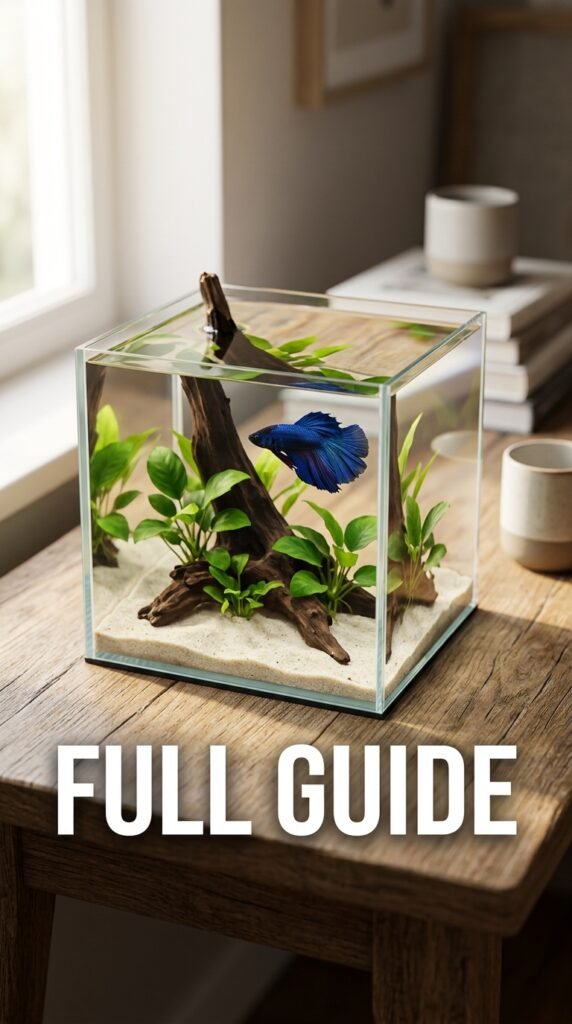
A single betta thrives in a heated and filtered 5-gallon aquarium.
Chili Rasboras
Tiny schooling fish ideal for planted nano tanks.
Ember Tetras
Peaceful and brightly colored when kept in groups in appropriately sized tanks.
Celestial Pearl Danios
Beautiful nano fish that enjoy planted aquariums.
Endler’s Livebearers
Small, colorful, and active fish.
Research each species carefully to ensure the tank size is appropriate.
Shrimp and Snails
Tiny aquariums are perfect for invertebrates.
Cherry Shrimp
Easy to care for and available in vibrant colors.
Amano Shrimp
Excellent algae eaters for slightly larger nano tanks.
Nerite Snails
Help control algae without reproducing in freshwater.
Mystery Snails
Interesting and active additions to larger tiny aquariums.
Best Plants for Tiny Aquariums
Live plants improve water quality and create a natural appearance.
Popular choices include:
- Anubias Nana
- Java Fern
- Java Moss
- Bucephalandra
- Cryptocoryne
- Dwarf Hairgrass
- Monte Carlo
- Floating plants such as Frogbit or Salvinia
Low-maintenance plants are ideal for beginners.
Tiny Aquarium Aquascape Ideas
Nature Style
Use driftwood, rocks, and live plants to mimic a natural stream.
Iwagumi Layout
Create a minimalist landscape using carefully arranged stones.
Jungle Nano Tank
Fill the aquarium with lush plants for a dense, green appearance.
Island Design
Build a central mound of substrate and plants surrounded by open space.
River Theme
Use light-colored sand to create a winding path through the aquarium.
Essential Equipment
Even a tiny aquarium needs quality equipment.
Filter
A sponge filter or small hang-on-back filter keeps the water clean.
Heater
Most tropical fish require stable temperatures between 75°F and 78°F (24°C to 26°C).
LED Light
Supports plant growth and highlights fish colors.
Thermometer
Helps monitor water temperature accurately.
Lid
Reduces evaporation and prevents fish from jumping out.
Choosing the Right Substrate
The substrate affects both appearance and plant health.
Aquasoil
Ideal for planted nano aquariums.
Fine Gravel
Easy to maintain and suitable for many fish.
Sand
Creates a clean, natural look and is gentle on bottom-dwelling species.
Decorating a Tiny Aquarium
Keep decorations simple to maximize swimming space.
Ideas include:
- Small driftwood pieces
- Smooth river stones
- Mini caves
- Moss-covered rocks
- Compact live plants
Avoid overcrowding the tank with ornaments.
Aquarium Cycling
Cycling establishes beneficial bacteria that convert harmful waste into less toxic compounds.
Before adding fish:
- Set up the aquarium.
- Run the filter.
- Allow the nitrogen cycle to complete.
- Test for ammonia, nitrite, and nitrate.
Patience during cycling helps prevent fish losses.
Feeding
Tiny aquariums can become polluted quickly.
Feed:
- Small portions
- High-quality food
- Once or twice daily
Remove uneaten food promptly.
Maintenance Tips
Small tanks require consistent care.
Weekly Water Changes
Replace 20% to 30% of the water.
Clean the Glass
Remove algae using an aquarium-safe sponge.
Trim Plants
Prevent overgrowth.
Test Water
Monitor:
- Temperature
- pH
- Ammonia
- Nitrite
- Nitrate
Clean the Filter
Rinse filter media in old aquarium water to preserve beneficial bacteria.
Common Mistakes to Avoid
Overstocking
Too many fish quickly degrade water quality.
Skipping Water Changes
Tiny aquariums are less forgiving than larger tanks.
Overfeeding
Excess food increases ammonia and algae growth.
Choosing Incompatible Fish
Research species before combining them.
Using Inadequate Equipment
A filter, heater (for tropical species), and proper lighting are essential.
Budget-Friendly Tiny Aquarium Setup
A simple beginner setup can include:
- 5-gallon glass aquarium
- Sponge filter
- Adjustable heater
- LED light
- Aquasoil or fine gravel
- Driftwood
- Java Fern
- Anubias
- One betta fish or a shrimp colony
This combination offers beauty, simplicity, and ease of maintenance.
Benefits of a Tiny Aquarium
A well-maintained tiny aquarium provides:
- Relaxation
- Natural home décor
- Educational value
- A creative aquascaping hobby
- Efficient use of small spaces
- A rewarding introduction to fishkeeping
Conclusion
A tiny aquarium is an excellent way to enjoy the beauty of aquatic life without needing a large space. By choosing the right tank size, selecting suitable fish or shrimp, incorporating live plants, and following a consistent maintenance routine, you can create a healthy and visually stunning miniature aquatic ecosystem.
Whether you want a peaceful desktop aquarium, a planted nano aquascape, or a colorful betta display, careful planning and regular care will help your tiny aquarium thrive for years to come.
Frequently Asked Questions
What is considered a tiny aquarium?
A tiny aquarium generally holds between 2 and 10 gallons (8 to 38 liters) of water and is designed for compact spaces.
Can fish live in a tiny aquarium?
Yes, but only species suited to small tanks, such as a single betta in a properly equipped 5-gallon aquarium or certain nano fish in larger tiny setups.
What are the best plants for a tiny aquarium?
Anubias Nana, Java Fern, Java Moss, Bucephalandra, Cryptocoryne, and Dwarf Hairgrass are excellent low-maintenance choices.
How often should I clean a tiny aquarium?
Perform weekly water changes, clean the glass when needed, trim plants regularly, and monitor water quality to maintain a healthy environment.
Is a tiny aquarium suitable for beginners?
Yes. A well-planned 5 to 10-gallon aquarium is a great starting point because it balances ease of care with manageable maintenance.
Can I keep shrimp in a tiny aquarium?
Absolutely. Cherry Shrimp, Amano Shrimp, and Nerite Snails are popular inhabitants that thrive in properly maintained nano aquariums.