
 By admin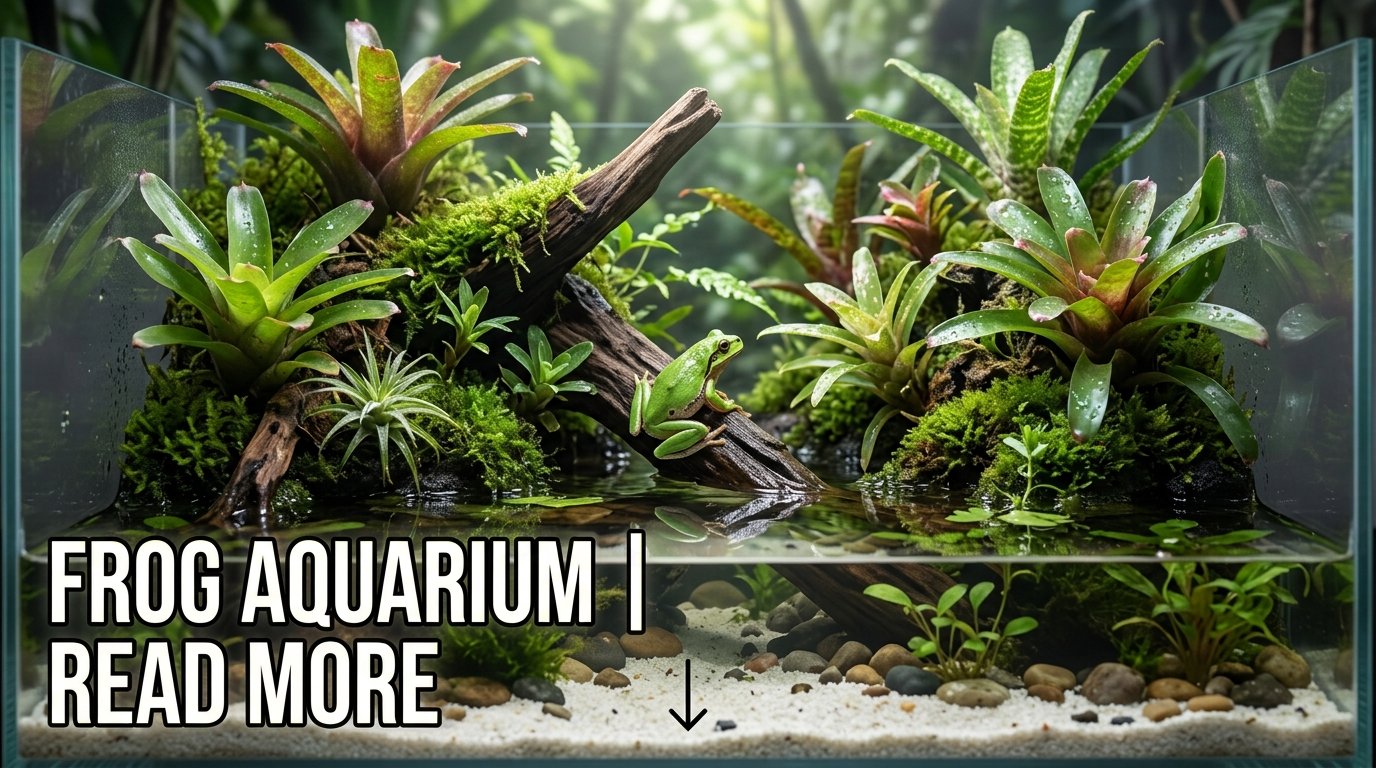
A frog aquarium is a fascinating and rewarding addition to any home, offering a unique way to observe aquatic amphibians in a carefully designed environment. Unlike traditional fish tanks, a frog aquarium is specifically created to meet the needs of aquatic or semi-aquatic frogs, providing clean water, appropriate temperatures, hiding places, and a balanced ecosystem. Whether you’re interested in keeping African Dwarf Frogs, African Clawed Frogs, or designing a paludarium for tree frogs, the right setup is essential for their health and well-being.
This comprehensive guide covers everything you need to know about choosing, setting up, decorating, and maintaining a frog aquarium.
What Is a Frog Aquarium?
A frog aquarium is an aquarium or semi-aquatic enclosure designed specifically for frogs. Depending on the species, it may consist of entirely aquatic environments or include both land and water sections.
A well-designed frog aquarium typically includes:
- Proper filtration
- Safe substrate
- Hiding places
- Aquatic plants
- Stable water conditions
- Appropriate lighting
- Secure lid
The goal is to recreate a natural habitat where frogs can thrive.
Why Keep a Frog Aquarium?
Keeping aquarium frogs offers several benefits.
Unique Pets
Frogs display fascinating behaviors that differ from fish.
Easy Observation
Many aquatic frogs are active throughout the day and are enjoyable to watch.
Beautiful Displays
A planted frog aquarium creates a natural underwater landscape.
Educational Experience
Children and adults can learn about amphibians, ecosystems, and responsible animal care.
Quiet Pets
Frogs require little space and produce minimal noise compared to many other pets.
Best Frog Species for an Aquarium
Choosing the right species is the most important step.
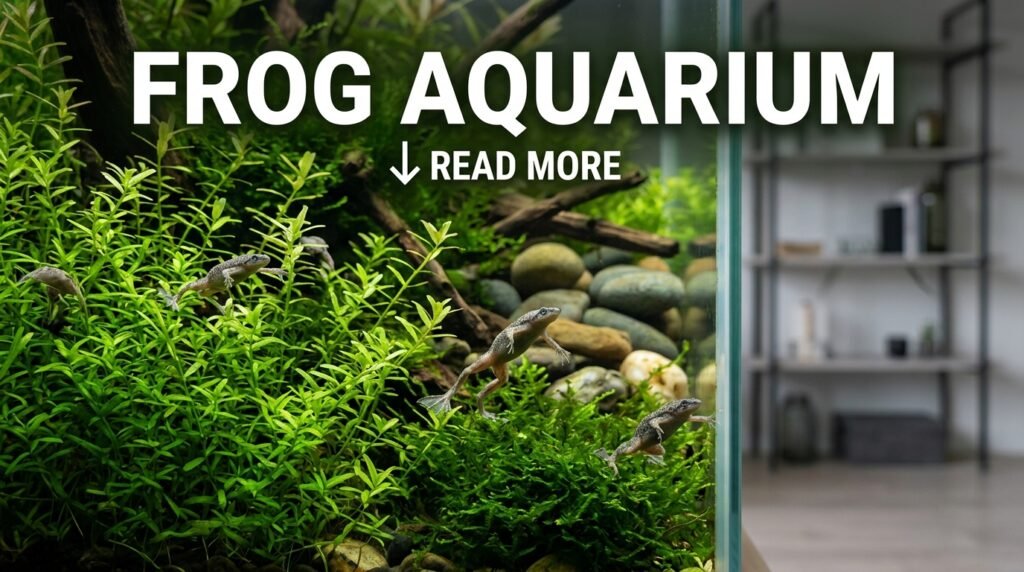
African Dwarf Frog
One of the best beginner species.
Advantages include:
- Fully aquatic
- Peaceful
- Small size
- Community-friendly with suitable tank mates
African Clawed Frog
Larger and more active than dwarf frogs.
Keep in mind:
- Fully aquatic
- Can eat smaller fish
- Best kept alone or with similarly sized companions
Fire-Bellied Toad
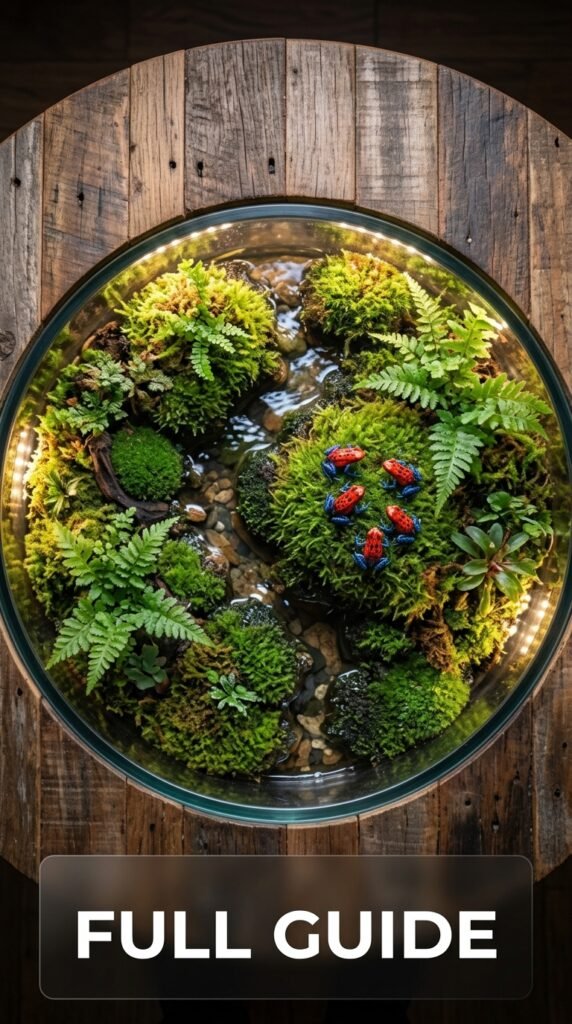
Requires a paludarium with both water and land areas.
White’s Tree Frog
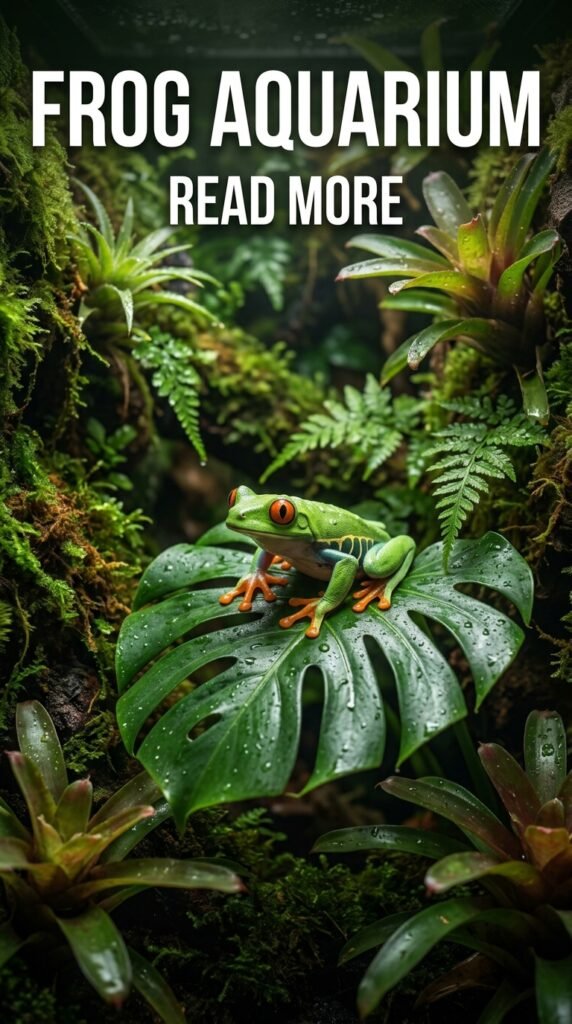
Needs a terrarium or paludarium rather than a fully aquatic aquarium.
Always research the specific needs of the species before setting up the enclosure.
Choosing the Right Aquarium Size
The tank size depends on the number and type of frogs.
5 to 10-Gallon Aquarium
Suitable for:
- One or two African Dwarf Frogs
20-Gallon Aquarium
Ideal for:
- Small groups of dwarf frogs
- Heavily planted layouts
Larger Aquariums
Recommended for larger frog species or elaborate paludariums.
Larger tanks provide greater water stability and more decorating options.
Aquarium Equipment
Proper equipment keeps frogs healthy.
Filter
Use a gentle filter that creates minimal water current.
Sponge filters are excellent choices for dwarf frogs.
Heater
Most tropical frog species require temperatures between 72°F and 78°F (22°C to 26°C).
Thermometer
Monitor temperature daily.
Aquarium Lid
A secure lid is essential because many frogs are capable climbers and escape artists.
Lighting
Moderate LED lighting supports live plants and enhances visibility.
Water Conditions
Maintaining clean water is essential.
Recommended parameters for African Dwarf Frogs include:
- Temperature: 72–78°F (22–26°C)
- pH: 6.5–7.8
- Ammonia: 0 ppm
- Nitrite: 0 ppm
- Nitrate: Below 20 ppm
Regular testing helps maintain a healthy environment.
Best Substrate
Choose substrates that are safe and easy to clean.
Fine Sand
A popular choice because it reduces the risk of accidental swallowing.
Smooth Gravel
Only use gravel too large for frogs to swallow.
Bare Bottom
Some keepers prefer bare-bottom tanks for easier maintenance.
Avoid sharp or tiny gravel that could cause injury or be accidentally ingested.
Live Plants for a Frog Aquarium
Live plants improve water quality and provide shelter.
Easy plants include:
- Java Fern
- Anubias
- Java Moss
- Amazon Sword
- Hornwort
- Water Sprite
Floating plants also help frogs feel secure.
Decorations
Decorations should provide hiding places while leaving open swimming areas.
Popular options include:
- Driftwood
- Smooth rocks
- Coconut caves
- Ceramic shelters
- Floating logs
Ensure all decorations have smooth edges.
Best Tank Mates
Tank mates should be peaceful and not compete aggressively for food.
Suitable companions may include:
- Nerite Snails
- Mystery Snails
- Amano Shrimp (with caution)
- Small peaceful fish such as Neon Tetras or Harlequin Rasboras, provided the frogs can feed successfully
Avoid aggressive fish and species known to nip at frogs.
Feeding Aquarium Frogs
Most aquatic frogs are carnivores.
Popular foods include:
- Frozen bloodworms
- Brine shrimp
- Mysis shrimp
- Frog pellets
- Blackworms
Feed small portions several times per week and remove uneaten food.
Frog Aquarium Layout Ideas
Nature Aquarium
Use driftwood, stones, and live plants to recreate a natural pond.
Jungle Layout
Dense vegetation provides excellent cover.
River Theme
Sand substrate with scattered rocks and gentle water flow.
Minimalist Aquarium
Simple décor with open swimming space and one or two focal points.
Aquarium Cycling
Before adding frogs:
- Set up the aquarium.
- Install equipment.
- Complete the nitrogen cycle.
- Confirm ammonia and nitrite remain at zero.
Cycling creates a stable and safe environment.
Maintenance Routine
Regular care keeps frogs healthy.
Weekly Water Changes
Replace 20% to 30% of the water.
Clean the Glass
Remove algae as needed.
Test Water
Monitor water chemistry regularly.
Trim Plants
Prevent excessive plant growth.
Maintain the Filter
Clean filter media using aquarium water.
Common Mistakes to Avoid
Strong Water Current
Most aquarium frogs prefer gentle water movement.
Poor Water Quality
Dirty water can quickly lead to illness.
Overfeeding
Uneaten food pollutes the aquarium.
Incompatible Tank Mates
Avoid aggressive or predatory species.
Insecure Lid
Many frogs are excellent climbers and may escape if the aquarium is not securely covered.
Benefits of a Frog Aquarium
A properly maintained frog aquarium provides:
- Unique aquatic pets
- Educational value
- Relaxing home décor
- Natural aquascaping opportunities
- Easy observation of fascinating amphibian behavior
These advantages make frog aquariums increasingly popular among hobbyists.
Conclusion
A frog aquarium offers a rewarding way to keep and observe aquatic amphibians in a beautiful, natural environment. By choosing the appropriate frog species, providing clean water, gentle filtration, live plants, and safe decorations, you can create a thriving habitat that supports healthy and active frogs.
Whether you choose African Dwarf Frogs for a peaceful planted aquarium or build a semi-aquatic paludarium for other frog species, careful planning and consistent maintenance will ensure years of enjoyment and successful frog keeping.
Frequently Asked Questions
What is the best frog for a beginner aquarium?
The African Dwarf Frog is one of the easiest and most popular species for beginner aquarists due to its peaceful nature and fully aquatic lifestyle.
Can frogs live with fish?
Some frogs, such as African Dwarf Frogs, can live with small, peaceful fish if the tank is appropriately sized and feeding is carefully managed.
Do aquarium frogs need a heater?
Most tropical aquatic frogs benefit from a heater that maintains a stable temperature between 72°F and 78°F (22°C to 26°C).
What do aquarium frogs eat?
They typically eat frozen bloodworms, brine shrimp, mysis shrimp, blackworms, and high-quality frog pellets.
How often should a frog aquarium be cleaned?
Perform weekly water changes of 20% to 30%, clean the glass as needed, maintain the filter regularly, and monitor water quality to keep the habitat healthy.
Can I use live plants in a frog aquarium?
Yes. Live plants such as Java Fern, Anubias, Java Moss, Hornwort, and Amazon Sword improve water quality, provide shelter, and create a more natural environment for aquarium frogs.