
 By admin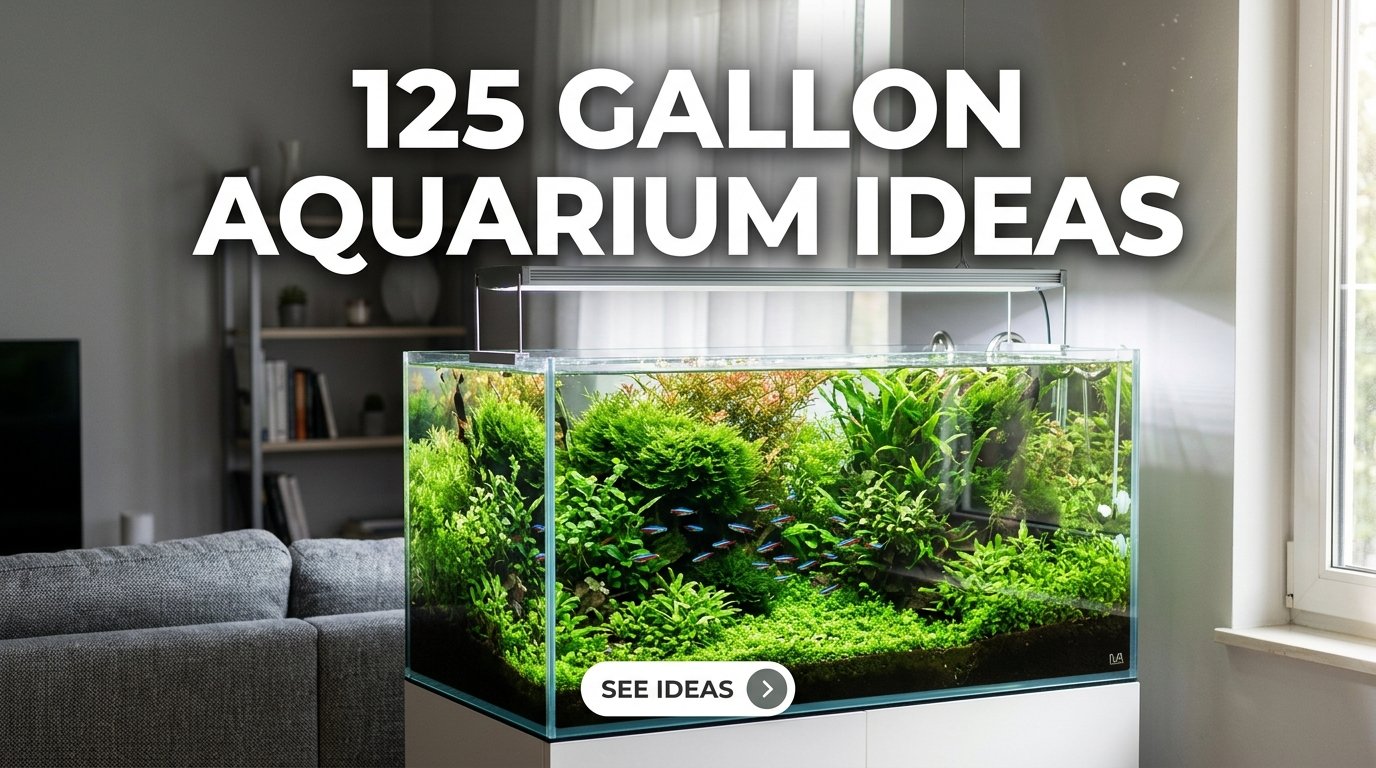
A 125 gallon aquarium is one of the most popular choices for aquarium enthusiasts who want a spacious, eye-catching display with endless possibilities for fishkeeping and aquascaping. Measuring approximately six feet long, this large aquarium provides plenty of swimming space for fish while offering hobbyists the freedom to create stunning underwater landscapes. Whether you’re planning a freshwater community tank, a planted aquascape, an African cichlid habitat, or a saltwater reef system, a 125 gallon aquarium offers the perfect balance of size, stability, and beauty.
This complete guide covers everything you need to know about setting up, decorating, stocking, and maintaining a 125 gallon aquarium.
Why Choose a 125 Gallon Aquarium?
A 125 gallon aquarium offers several advantages over smaller tanks.
Excellent Water Stability
Larger aquariums hold more water, making them less susceptible to sudden changes in temperature, pH, and water chemistry. Stable conditions lead to healthier fish and easier maintenance.
More Fish Choices
The spacious design allows you to keep a wider variety of fish, including larger species and impressive schools of smaller fish.
Unlimited Aquascaping Opportunities
With a six-foot-long tank, you can create dramatic underwater landscapes using rocks, driftwood, plants, and sand.
Reduced Fish Aggression
Extra swimming space allows territorial fish to establish their own areas, reducing stress and conflict.
Stunning Home Decoration
A 125 gallon aquarium quickly becomes the focal point of any living room, office, or commercial space.
Standard Dimensions of a 125 Gallon Aquarium

Although manufacturers may vary slightly, the standard dimensions are:
- Length: 72 inches (183 cm)
- Width: 18 inches (46 cm)
- Height: 22 inches (56 cm)
The long footprint provides excellent horizontal swimming space for active fish.
Choosing Between Glass and Acrylic
Both materials have their advantages.
Glass Aquarium
Benefits include:
- Scratch-resistant surface
- Clear viewing
- Lower cost
- Long-lasting durability
Drawbacks:
- Heavier
- Less impact-resistant
Acrylic Aquarium
Advantages include:
- Lightweight
- Stronger than glass
- Better insulation
- Easier to customize
Disadvantages:
- Scratches more easily
- Usually more expensive
Choose the material that best suits your budget and maintenance preferences.
Best Location for a 125 Gallon Aquarium
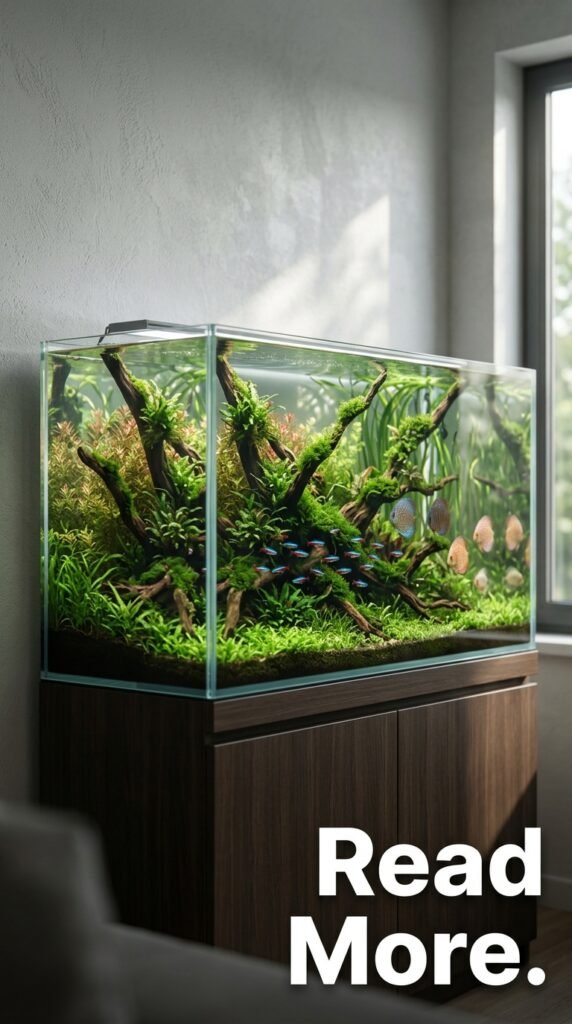
Proper placement is essential because a filled aquarium can weigh over 1,400 pounds (635 kg).
Choose a location that:
- Has a strong, level floor
- Is away from direct sunlight
- Has nearby electrical outlets
- Allows easy access for maintenance
- Is visible from multiple seating areas
Avoid placing the aquarium near heating vents or frequently slammed doors.
Selecting the Right Aquarium Stand
A quality stand is just as important as the aquarium itself.
Your stand should:
- Support the full weight of the aquarium
- Remain perfectly level
- Resist moisture
- Provide storage for aquarium equipment
Never place a large aquarium on standard household furniture.
Essential Equipment
A successful 125 gallon aquarium requires reliable equipment.
Filtration
Strong filtration is necessary to maintain excellent water quality.
Popular options include:
- Canister filters
- Sump filtration systems
- Large hang-on-back filters
Many hobbyists use two filters for improved circulation and backup protection.
Heater
Most tropical freshwater aquariums require temperatures between 75°F and 78°F (24°C to 26°C).
Using two heaters instead of one large unit provides better temperature stability.
LED Lighting
Lighting depends on your aquarium type.
Options include:
- Standard LED for fish-only tanks
- Full-spectrum LED for planted aquariums
- Reef lighting for marine systems
Water Circulation
Additional circulation pumps improve oxygen levels and eliminate dead spots.
Freshwater or Saltwater?
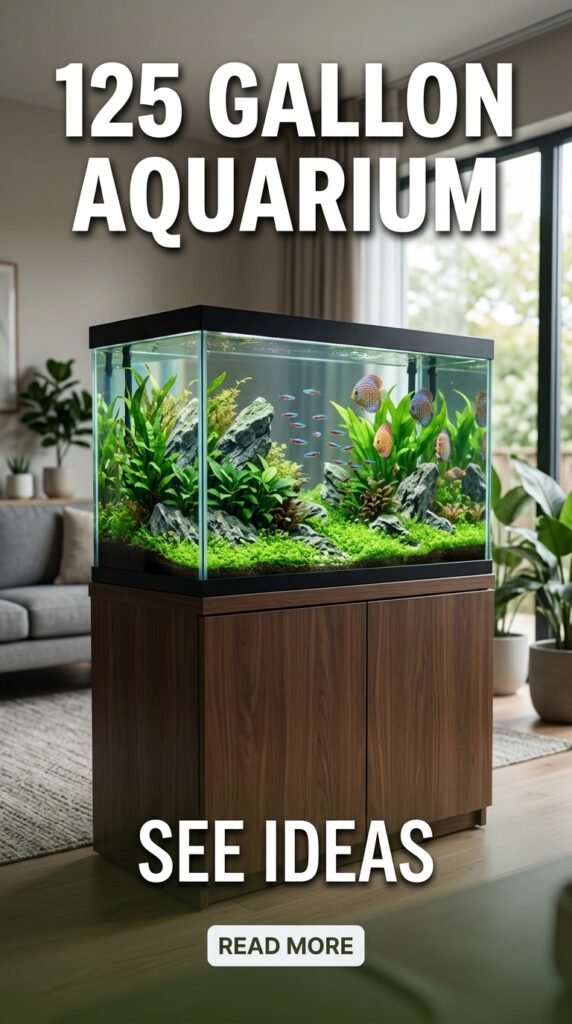
Freshwater Aquarium
Freshwater tanks are generally easier to maintain and less expensive.
Popular freshwater setups include:
- Community aquarium
- Planted aquarium
- Discus aquarium
- Angelfish aquarium
- African cichlid tank
Saltwater Aquarium
Marine aquariums provide incredible colors and diversity.
A 125 gallon aquarium offers enough space for:
- Reef fish
- Live rock
- Corals
- Marine invertebrates
Saltwater systems require more advanced equipment and maintenance.
Best Fish for a 125 Gallon Freshwater Aquarium
The generous size allows for many stocking possibilities.
Angelfish
Elegant and graceful centerpiece fish.
Discus
Large aquariums provide the stable conditions discus require.
Rainbowfish
Active schooling fish with vibrant colors.
Tetras
Large schools create beautiful movement.
Popular species include:
- Cardinal Tetras
- Congo Tetras
- Rummy Nose Tetras
Corydoras Catfish
Excellent bottom-dwelling community fish.
Bristlenose Plecos
Helpful algae eaters that remain manageable in size.
African Cichlid Aquarium
A 125 gallon aquarium is ideal for African cichlids because it offers:
- Plenty of territory
- Large rock structures
- Reduced aggression
- Excellent swimming space
Use rocks to create caves and hiding places.
Best Marine Fish
Suitable saltwater species include:
- Clownfish
- Tangs
- Gobies
- Blennies
- Wrasses
- Dwarf Angelfish
Always research compatibility before stocking.
Aquascaping Ideas
Large aquariums allow for impressive layouts.
Nature Aquarium
Use driftwood, stones, and live plants to recreate rivers and forests.
Mountain Aquascape
Arrange large stones to resemble mountain peaks.
River Layout
Create winding sand pathways through planted areas.
Jungle Aquarium
Dense vegetation produces a lush tropical appearance.
Rocky Cichlid Habitat
Large rock piles provide caves and territorial boundaries.
Best Plants
Large planted aquariums support many plant species.
Background Plants
- Vallisneria
- Amazon Sword
- Rotala
- Ludwigia
Midground Plants
- Anubias
- Cryptocoryne
- Bucephalandra
Foreground Plants
- Monte Carlo
- Dwarf Hairgrass
- Glossostigma
Live plants improve water quality while creating a natural environment.
Choosing the Right Substrate
Your substrate should match your aquarium style.
Sand
Perfect for river layouts and bottom-dwelling fish.
Fine Gravel
Easy to maintain and suitable for community aquariums.
Aquasoil
Ideal for planted aquariums because it supports healthy root growth.
Crushed Coral
Often used in African cichlid and marine aquariums.
Decorating Your Aquarium
Decorations should be both attractive and functional.
Popular choices include:
- Driftwood
- Natural rocks
- Live plants
- Aquarium caves
- Sand pathways
- Floating plants
Leave open swimming areas for active fish.
Cycling the Aquarium
Never add fish immediately after setup.
The nitrogen cycle allows beneficial bacteria to establish.
During cycling:
- Ammonia rises.
- Nitrite develops.
- Nitrate becomes established.
Only add fish after ammonia and nitrite reach zero.
Maintenance Schedule
Large aquariums require consistent maintenance.
Weekly Water Changes
Replace 20% to 30% of the water.
Clean the Glass
Remove algae with an aquarium-safe scraper.
Service Filters
Rinse filter media using old aquarium water.
Trim Plants
Prevent excessive growth.
Test Water Parameters
Regularly monitor:
- Temperature
- pH
- Ammonia
- Nitrite
- Nitrate
Routine maintenance keeps fish healthy and the aquarium looking beautiful.
Common Mistakes to Avoid
Overstocking
Even large aquariums have stocking limits.
Weak Filtration
Large fish produce considerable waste.
Poor Planning
Design the aquascape before adding substrate and decorations.
Mixing Incompatible Fish
Research fish compatibility carefully.
Ignoring Maintenance
Stable water quality requires regular care.
Estimated Setup Cost
The total cost depends on the type of aquarium.
Typical expenses include:
- Aquarium
- Stand
- Filter
- Heater
- Lighting
- Substrate
- Decorations
- Fish
- Plants
- Water conditioner
- Test kits
Freshwater setups generally cost less than reef aquariums.
Benefits of a 125 Gallon Aquarium
A 125 gallon aquarium offers numerous advantages.
- Stable water conditions
- Wide fish selection
- Beautiful aquascaping opportunities
- Reduced fish aggression
- Impressive display
- Easier long-term fishkeeping
- Greater creative freedom
These qualities make it one of the most popular large aquarium sizes.
Conclusion
A 125 gallon aquarium is an outstanding investment for anyone passionate about fishkeeping. Its spacious design supports a wide variety of freshwater and saltwater setups while providing excellent water stability and unlimited decorating possibilities. Whether you dream of a lush planted aquascape, a colorful community aquarium, an African cichlid habitat, or a vibrant reef tank, this aquarium size offers everything needed to create a breathtaking underwater world.
With proper planning, quality equipment, compatible fish, and regular maintenance, your 125 gallon aquarium can provide years of enjoyment while becoming the centerpiece of your home.
Frequently Asked Questions
Is a 125 gallon aquarium good for beginners?
Yes. Although it requires a larger initial investment, its stable water conditions often make it easier to maintain than smaller aquariums.
How much does a filled 125 gallon aquarium weigh?
A fully equipped 125 gallon aquarium typically weighs between 1,400 and 1,500 pounds (635–680 kg), depending on decorations and equipment.
What fish can live in a 125 gallon aquarium?
Popular choices include angelfish, discus, rainbowfish, tetras, corydoras, African cichlids, clownfish, tangs, gobies, and many other compatible species.
Can I create a planted aquarium in a 125 gallon tank?
Absolutely. The large footprint allows for stunning aquascapes with driftwood, rocks, carpeting plants, and lush background vegetation.
How often should I perform water changes?
Replace 20% to 30% of the water each week to maintain excellent water quality.
Is a 125 gallon aquarium suitable for a reef tank?
Yes. A 125 gallon aquarium provides ample space for corals, live rock, marine fish, and advanced filtration systems, making it an excellent choice for a reef aquarium.