
 By admin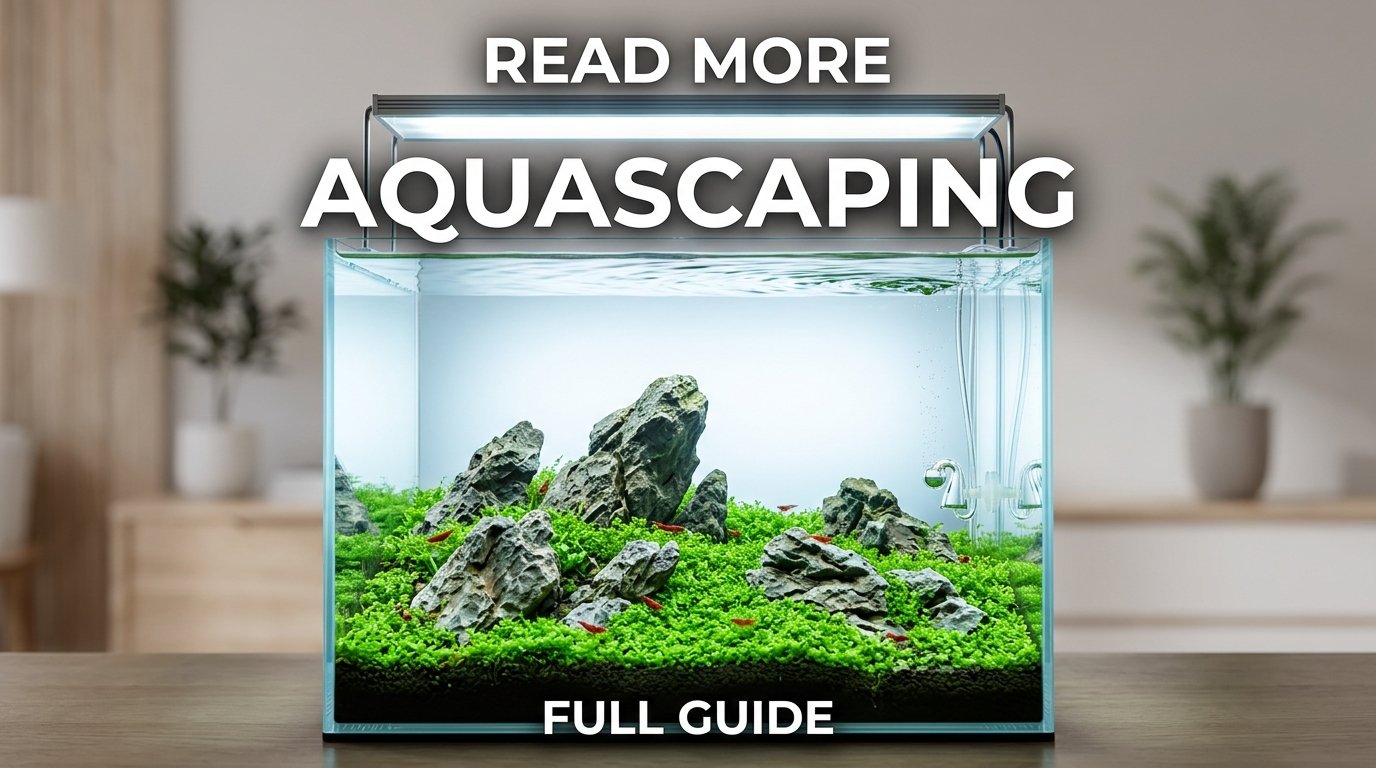
Nano aquarium aquascaping is the art of designing beautiful underwater landscapes inside small aquariums, typically ranging from 5 to 20 gallons. Despite their compact size, nano aquariums can be transformed into breathtaking miniature worlds featuring lush plants, natural hardscape, and colorful fish or shrimp.
Nano aquascaping has become increasingly popular among aquarium hobbyists because it allows people to create professional-looking aquascapes in limited spaces while requiring less equipment and lower startup costs than larger aquariums.
What Is a Nano Aquarium?
A nano aquarium is a small fish tank designed for aquatic plants, fish, shrimp, or other aquatic organisms.
Common nano tank sizes include:
- 5 gallons
- 10 gallons
- 15 gallons
- 20 gallons
These compact tanks are ideal for desks, apartments, bedrooms, and office spaces.
What Is Aquascaping?
Aquascaping is the process of arranging plants, rocks, driftwood, substrate, and other elements to create an attractive underwater landscape.
The goal is to replicate natural scenery while maintaining a healthy environment for aquatic life.
Why Nano Aquarium Aquascaping Is So Popular
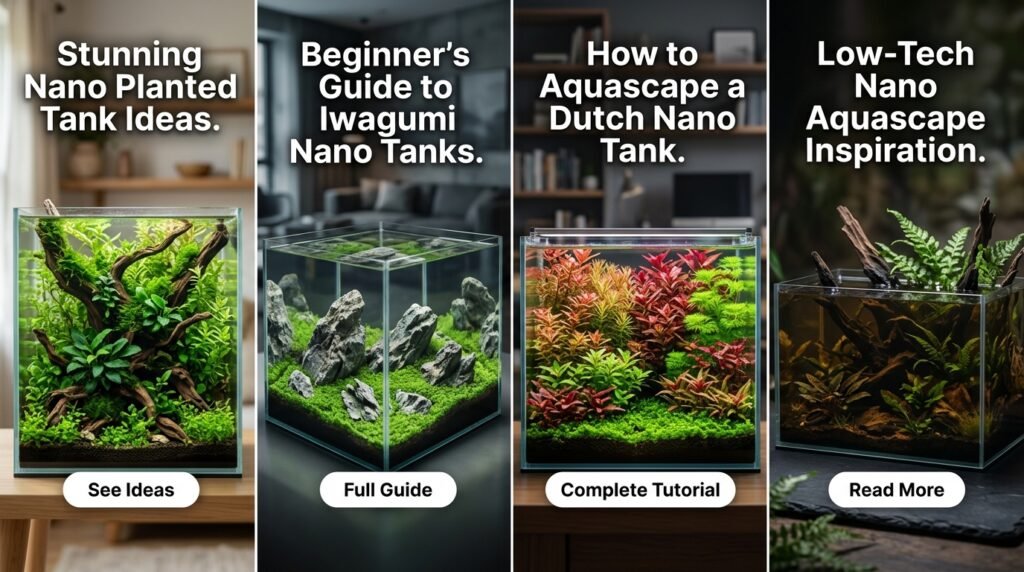
Nano aquascapes offer many advantages.
Space Saving
Small aquariums fit almost anywhere.
Affordable Setup
Less substrate, lighting, and hardscape are required.
Creative Freedom
Small tanks allow hobbyists to experiment with different layouts.
Stunning Visual Impact
A well-designed nano aquascape can look like a miniature underwater forest, mountain range, or river valley.
Planning a Nano Aquascape
Successful aquascaping begins with planning.
Consider:
- Aquarium size
- Plant selection
- Hardscape materials
- Livestock choices
- Lighting requirements
- Maintenance schedule
A clear vision helps create a balanced and attractive design.
Choosing the Right Nano Aquarium
Rimless Tanks
Rimless aquariums are extremely popular for aquascaping.
Benefits include:
- Modern appearance
- Unobstructed viewing
- Clean design
Cube Aquariums
Cube tanks provide depth and excellent aquascaping opportunities.
Rectangular Aquariums
These tanks offer more swimming space and flexible layouts.
Essential Equipment
Every nano aquascape requires reliable equipment.
Filter
A quality filter maintains water clarity and biological stability.
LED Lighting
Proper lighting supports healthy plant growth.
Heater
Most tropical setups require stable temperatures.
CO₂ System (Optional)
CO₂ supplementation promotes faster and healthier plant growth.
Choosing a Substrate
The substrate forms the foundation of the aquascape.
Aquasoil
Popular for planted aquariums because it provides nutrients and supports root development.
Sand
Creates a natural appearance and works well in minimalist layouts.
Gravel
Easy to maintain and available in many styles.
Hardscape Materials
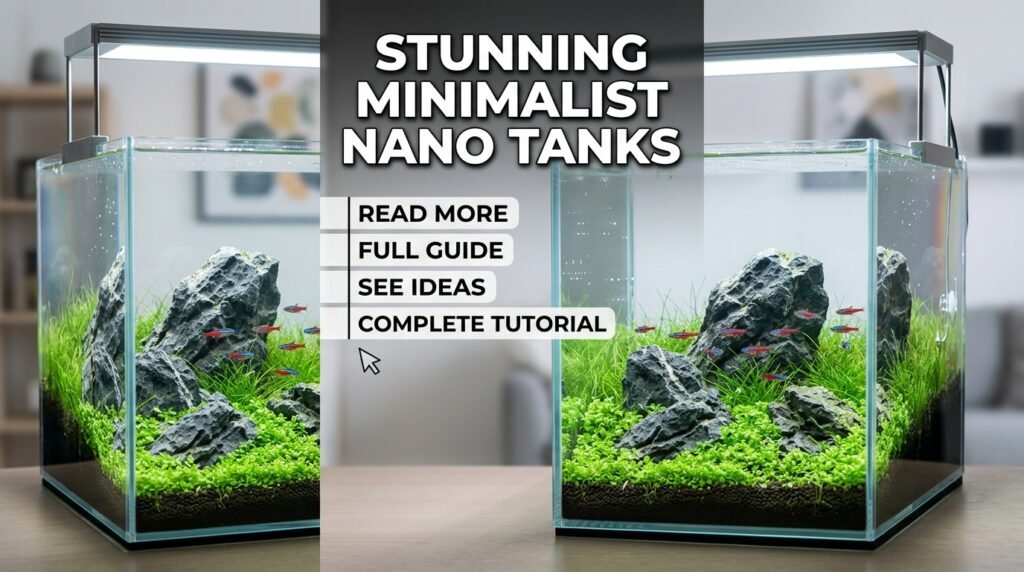
Hardscape refers to rocks and wood used in the layout.
Driftwood
Creates a natural forest-like appearance.
Popular types include:
- Spider wood
- Mopani wood
- Redmoor wood
Rocks
Common aquascaping stones include:
- Dragon stone
- Seiryu stone
- Lava rock
- River stone
The hardscape often serves as the main focal point.
Popular Nano Aquascaping Styles
Nature Aquarium
Inspired by natural landscapes.
Features include:
- Driftwood
- Plants
- Open swimming areas
Iwagumi
A minimalist Japanese style focused on stone arrangements.
Characteristics:
- Few plant species
- Carefully placed rocks
- Clean appearance
Jungle Style
Dense plant growth creates a lush underwater forest.
Island Layout
Hardscape and plants are concentrated in the center, leaving open space around the edges.
Best Plants for Nano Aquascaping
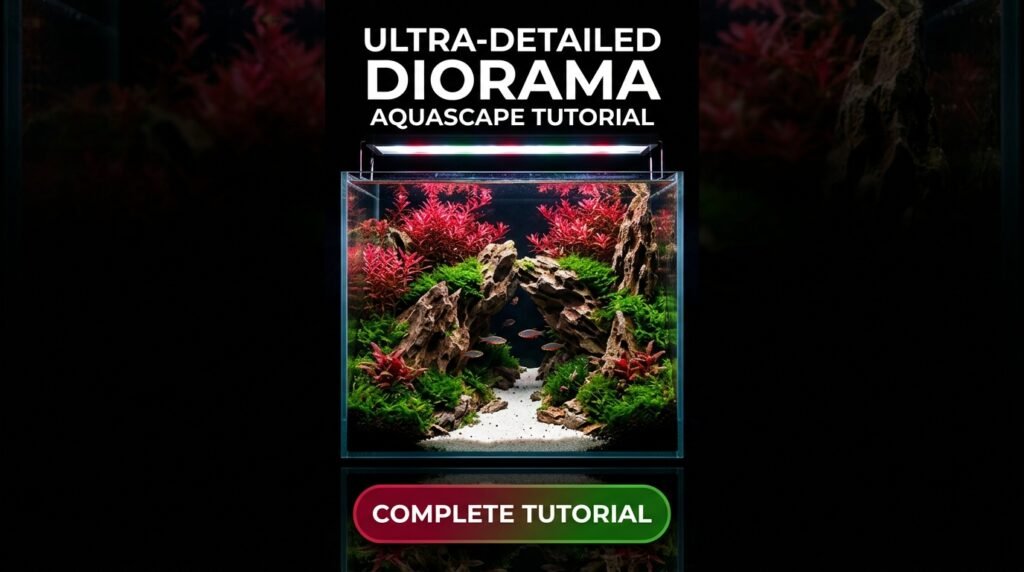
Choosing the right plants is essential.
Foreground Plants
Popular options include:
- Dwarf Hairgrass
- Monte Carlo
These plants create a carpet effect.
Midground Plants
Examples include:
- Anubias
- Bucephalandra
Background Plants
Popular choices include:
- Rotala rotundifolia
- Vallisneria
Creating Depth in a Nano Aquarium
Because nano tanks are small, creating depth is important.
Techniques include:
- Sloping substrate
- Smaller foreground plants
- Larger background plants
- Strategic rock placement
These methods make the aquarium appear larger.
Nano Aquarium Aquascaping Ideas
Mountain Landscape
Use rocks to imitate mountains and valleys.
Underwater Forest
Arrange driftwood to resemble tree roots.
Riverbank Layout
Create an open sand path surrounded by plants.
Tropical Jungle
Combine dense vegetation with natural hardscape.
Best Fish for Nano Aquariums
Small fish are ideal for nano setups.
Neon Tetra
Neon tetra add vibrant color and schooling behavior.
Chili Rasbora
Chili Rasbora are tiny and perfect for nano tanks.
Betta Fish
Betta fish can serve as a stunning centerpiece.
Endler’s Livebearer
Endler’s livebearer are colorful and active.
Shrimp for Nano Aquascapes
Shrimp are popular nano aquarium residents.
Cherry Shrimp
Cherry shrimp help control algae and add color.
Amano Shrimp
Amano shrimp are excellent algae eaters.
Lighting Tips
Good lighting enhances plant growth and colors.
LED Lighting Benefits
- Energy efficient
- Adjustable brightness
- Long lifespan
Aim for 6–8 hours of light daily for most setups.
Maintenance Requirements
Nano aquariums require consistent maintenance.
Weekly Tasks
- Water changes
- Glass cleaning
- Plant trimming
Monthly Tasks
- Filter cleaning
- Equipment inspection
Regular maintenance keeps the aquascape healthy and attractive.
Common Nano Aquascaping Mistakes
Overcrowding
Too many plants or decorations can make the tank appear cluttered.
Poor Plant Selection
Choose plants suitable for the tank’s size and lighting.
Inadequate Filtration
Small aquariums can become unstable quickly.
Ignoring Maintenance
Regular care is essential for long-term success.
Why Nano Aquascaping Is Rewarding
Nano aquascaping combines art, nature, and aquarium keeping in a compact format. It allows hobbyists to create living underwater landscapes that evolve over time while fitting into virtually any space.
The challenge of designing a balanced miniature ecosystem makes nano aquascaping one of the most enjoyable aspects of the aquarium hobby.
Conclusion
Nano aquarium aquascaping offers endless opportunities for creativity and self-expression. By combining carefully selected plants, hardscape materials, and livestock, you can create a beautiful underwater world in even the smallest aquarium.
Whether you choose a minimalist Iwagumi layout, a lush jungle aquarium, or a dramatic mountain-inspired design, a well-planned nano aquascape can provide years of enjoyment and become a stunning focal point in any room.
Frequently Asked Questions
What size is considered a nano aquarium?
Most nano aquariums range from 5 to 20 gallons.
Are nano aquariums difficult to maintain?
They require regular maintenance because water conditions can change quickly in smaller tanks.
What fish are best for nano aquariums?
Popular choices include Chili Rasbora, Neon tetra, and Betta fish.
Do nano aquariums need CO₂?
Not always. Many beginner-friendly plants grow well without supplemental CO₂.
What is the most popular nano aquascaping style?
Nature aquariums and Iwagumi layouts are among the most popular styles for nano aquascaping.