
 By admin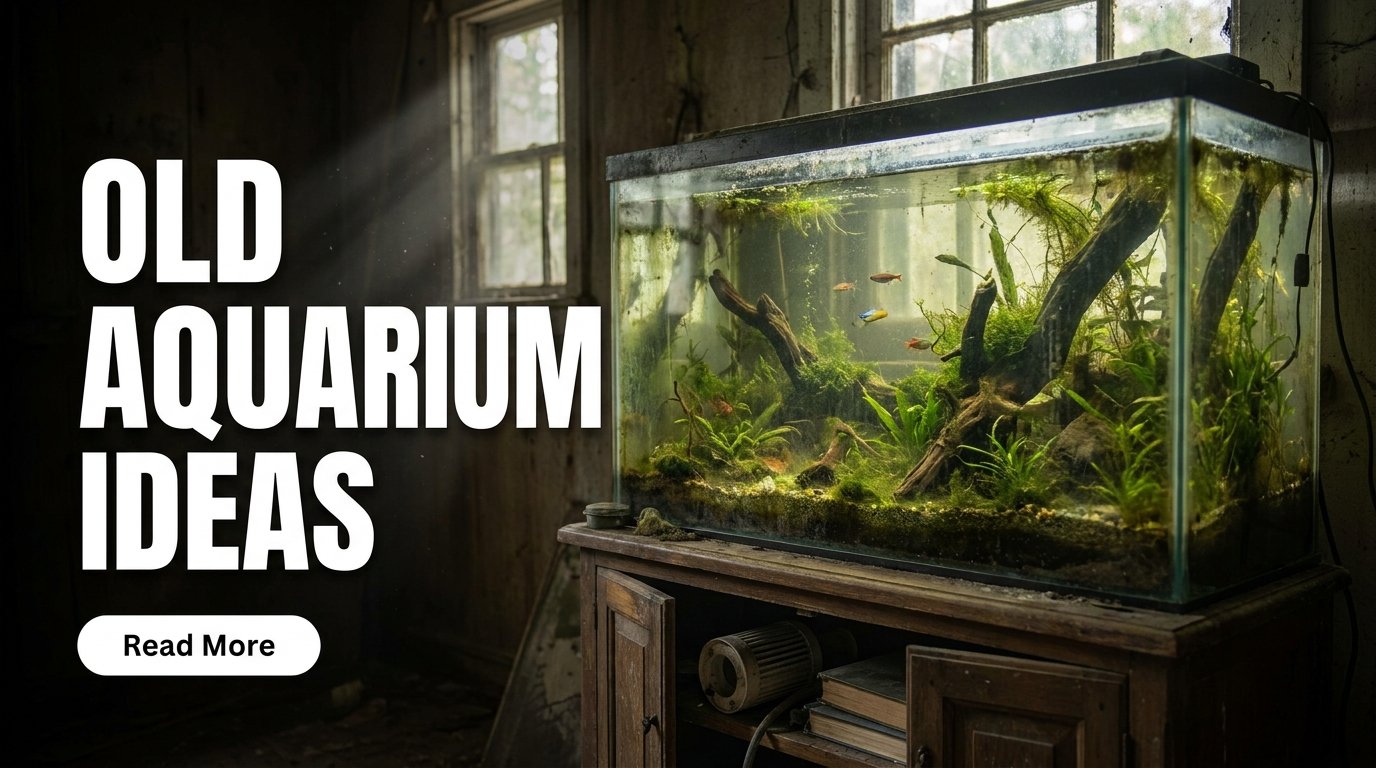
An old aquarium can become much more than an unused glass tank sitting in storage. With proper cleaning, inspection, and a little creativity, an old aquarium can be restored and turned into a beautiful home for fish, a planted aquascape, a shrimp habitat, or even a decorative display. Before reusing an older tank, however, it is important to check its glass, seams, silicone, stand, and equipment to make sure it is safe.
Whether you found an old aquarium in your garage, inherited one from someone else, or want to give your existing fish tank a new life, there are many possibilities. Older aquariums can also have a unique appearance that works especially well with natural, vintage, rustic, and creative aquarium designs.
What Is an Old Aquarium?
An old aquarium is simply a fish tank that has been used for many years or has been stored for an extended period. Age itself does not automatically make an aquarium unusable. The condition of the tank is much more important than its age.
A tank that is several years old may still be perfectly functional if the glass is intact and the silicone seals remain strong. On the other hand, a relatively newer aquarium can become unsafe if it has been poorly stored, exposed to extreme temperatures, or physically damaged.
Before putting water into an old aquarium, inspect it carefully. A few minutes of inspection can help prevent leaks, broken glass, or more serious problems.
Can You Reuse an Old Aquarium?
Yes, many old aquariums can be reused. However, you should never assume that an older tank is safe simply because it looks clean.
Check the glass for cracks, chips, deep scratches, or areas that appear unusually thin or damaged. Pay particular attention to the corners because damage in these areas can weaken the tank.
The silicone seams are also extremely important. Look for peeling, gaps, discoloration, bubbles, or areas where the silicone has separated from the glass.
The aquarium stand should also be inspected. A strong aquarium requires proper support across its base. A damaged or unstable stand can place unnecessary stress on the tank.
How to Inspect an Old Aquarium
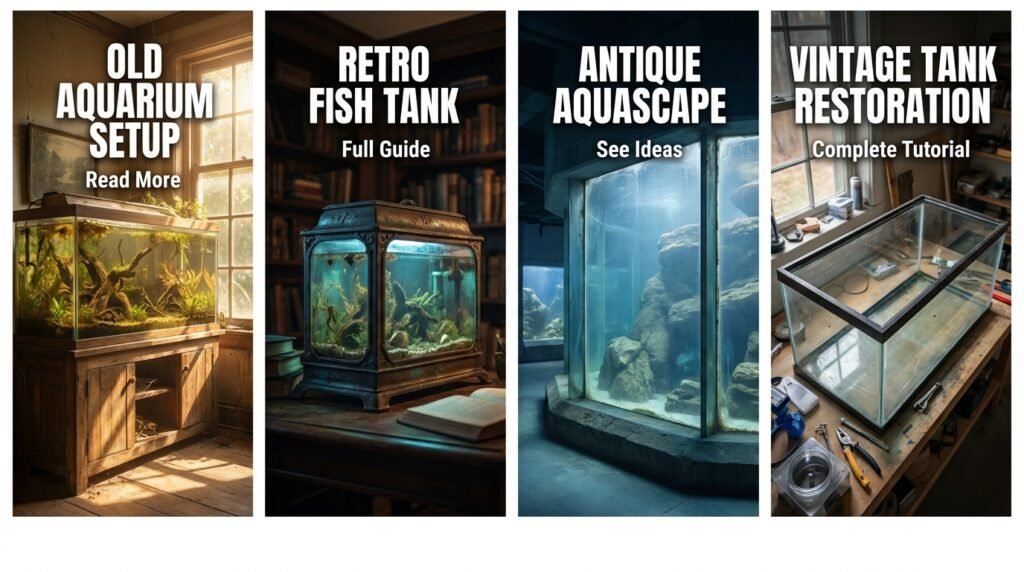
Before cleaning or setting up your aquarium, examine it under good lighting.
Start with the glass. Run your eyes carefully along every panel and corner. Small superficial scratches are usually different from cracks or chips, but deep damage should be taken seriously.
Next, inspect the silicone. Aquarium silicone can deteriorate over time, particularly if the tank has been exposed to sunlight, heat, moisture, or poor storage conditions.
Check the top frame if the aquarium has one. Make sure it is not cracked or separating from the glass.
Finally, inspect the bottom of the aquarium. Damage underneath the tank can be difficult to notice once the aquarium is placed on a stand.
If you are unsure about the structural condition of an old aquarium, it is safer to have it professionally assessed or replace it rather than risk a major leak.
Cleaning an Old Aquarium
An old aquarium may contain dust, mineral deposits, algae residue, and other buildup. Cleaning should be done carefully so the glass and silicone are not damaged.
Begin by removing loose dirt and debris. Use clean water and a soft sponge or aquarium-safe scraper for stubborn deposits.
White mineral deposits can sometimes be difficult to remove. Vinegar diluted with water can help loosen mineral buildup, but rinse the aquarium thoroughly afterward.
Avoid household cleaners such as glass cleaners, bleach products with fragrances, soaps, and detergents unless you know exactly how to use and rinse them safely. Residues from household chemicals can be harmful to aquarium life.
The goal is not simply to make the tank look clean. It should be thoroughly rinsed so that no unwanted chemical residue remains.
Removing Old Algae From an Aquarium
An aquarium that has been sitting unused for a long time may have dried algae stuck to its glass.
A plastic scraper or aquarium-safe algae scraper can help remove stubborn buildup. Work slowly rather than applying excessive pressure.
Do not use sharp metal objects aggressively because they can scratch the glass. Scratches can make an aquarium look unattractive and may become more noticeable under aquarium lighting.
For mineral deposits, soaking affected areas with diluted vinegar can make cleaning easier. Afterward, rinse the tank multiple times with clean water.
Should You Replace the Silicone?
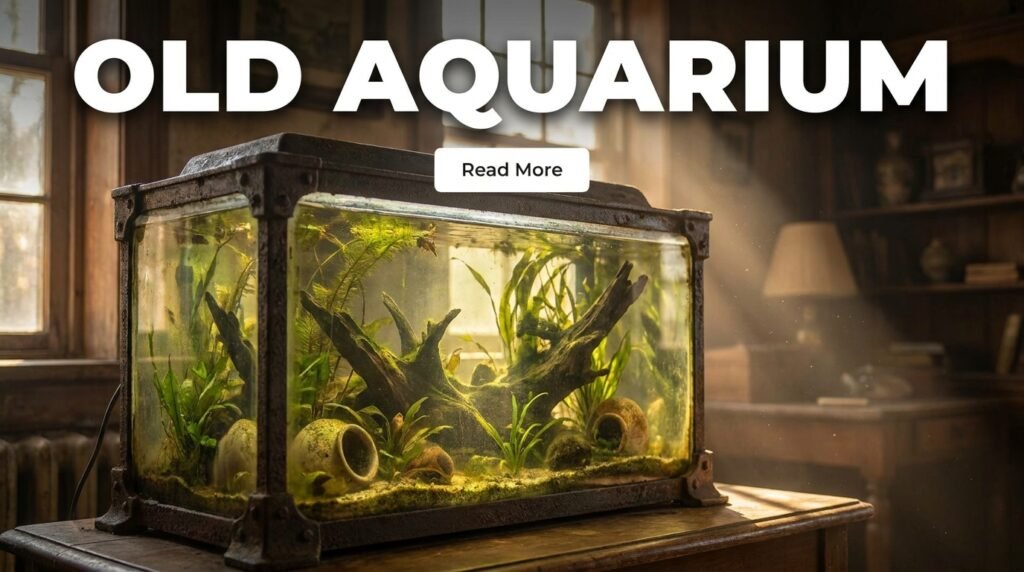
This depends on the condition of the existing silicone.
If the silicone is intact, flexible, and firmly attached, there may be no reason to replace it simply because the aquarium is old.
However, if the seams are visibly damaged, peeling, cracked, or separating from the glass, the tank should not simply be filled with water and used normally.
Silicone repair is more complicated than applying a new layer over the old silicone. Proper resealing requires removing the old silicone from the appropriate surfaces and preparing the glass correctly.
If the aquarium is large or valuable, professional resealing can be a better option than attempting a structural repair without experience.
Leak Testing an Old Aquarium
If the tank appears structurally sound, a controlled leak test can help identify problems before you introduce fish.
Place the aquarium somewhere appropriate where a potential leak will not cause serious damage. Fill it gradually and observe the seams carefully.
Keep the tank filled for an appropriate period while checking for moisture around the bottom and corners.
Never perform a leak test on an unstable stand. The support beneath the aquarium should be level and capable of supporting the filled tank.
If you notice water escaping from a seam, drain the tank and address the structural problem before using it.
Old Aquarium Stand Ideas
The stand is just as important as the aquarium itself.
An old metal stand may sometimes be restored by cleaning and treating surface corrosion if its structural condition remains sound. Wooden stands can also be refinished, but damaged wood should not be relied upon to support a heavy aquarium.
A new stand can give an old aquarium an entirely different appearance. Modern cabinets, natural wood stands, minimalist metal frames, and DIY furniture-style stands can all work depending on the aquarium design.
Remember that water is heavy. Gravel, rocks, substrate, decorations, and equipment add additional weight. The stand must be designed to support the entire aquarium system.
Turning an Old Aquarium Into a Planted Tank
One of the best ways to give an old aquarium a new life is to create a planted tank.
Start with a suitable substrate and choose plants based on the aquarium’s lighting and dimensions. Hardy plants such as Anubias, Java fern, Java moss, and Cryptocoryne can be good choices for a beginner-friendly setup.
Add driftwood or rocks to create structure. Then place taller plants toward the back and shorter plants toward the front.
An old tank can look especially attractive with a natural aquascape because the aged appearance of the frame or stand can complement wood, rocks, and live plants.
Old Aquarium Ideas for a Vintage Look
You do not always need to make an old aquarium look brand new.
A vintage aquarium can be attractive when its design intentionally embraces an older aesthetic. A classic frame, wooden stand, warm lighting, natural stones, and driftwood can create a timeless appearance.
You can also use simple plants rather than an extremely dense aquascape. The goal is to create a balanced design that looks natural rather than overly decorated.
Avoid modifying structural components simply for appearance. Cosmetic restoration should never compromise the aquarium’s safety.
Using an Old Aquarium for Shrimp
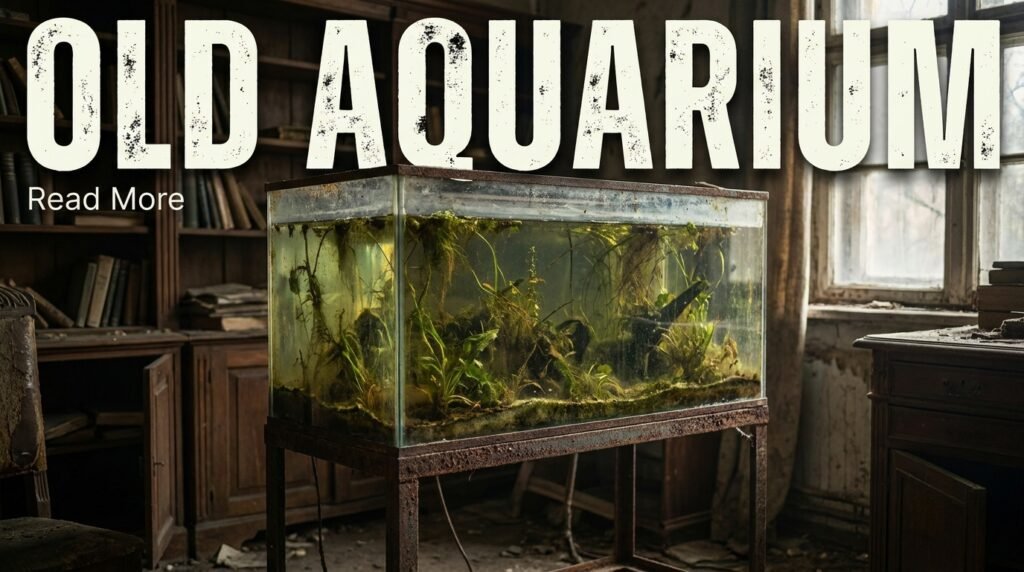
An old aquarium can be converted into a shrimp tank if it is structurally safe.
Shrimp generally benefit from planted environments with moss, fine-leaved plants, wood, and other surfaces where they can graze.
A mature-looking aquascape can be especially attractive for shrimp because the plants and hardscape create a complex environment.
Before introducing shrimp, make sure the aquarium has been thoroughly cleaned and properly cycled. Never introduce aquatic animals immediately after a major setup without establishing appropriate biological filtration.
Old Aquarium as a Breeding Tank
An old aquarium can also be useful as a breeding or fry-rearing tank.
Smaller fish such as guppies can produce large numbers of fry, and a separate aquarium can make it easier to provide appropriate conditions for young fish.
Plants such as Java moss can provide cover for fry. A sponge filter is often a practical choice because it provides biological filtration while reducing the risk of very small fish being sucked into a powerful intake.
Turning an Old Aquarium Into a Terrarium
If an old aquarium is no longer suitable for holding water, it may still have other uses.
A terrarium can be an excellent alternative. Instead of aquatic plants and fish, the enclosure can be used for suitable terrestrial plants.
You can create a small indoor garden with soil, decorative rocks, moss, and humidity-loving plants.
Before using an aquarium as a terrarium, inspect the glass and frame. Even though it does not need to hold water pressure, broken glass can still create safety problems.
Old Aquarium as a Paludarium
A paludarium combines aquatic and terrestrial elements. An old aquarium can be an excellent starting point if it is structurally sound.
A paludarium may include a shallow water section, land area, rocks, driftwood, mosses, and suitable plants.
The design can create the appearance of a natural riverbank or tropical wetland. Small aquatic inhabitants may be included depending on the enclosure’s size and environmental conditions.
This is a creative option for people who want something different from a traditional fish tank.
Best Fish for an Old Aquarium
If the aquarium passes its structural inspection and has been properly prepared, it can house many appropriate fish.
The most important factor is not that the aquarium is old but whether its size and equipment are suitable for the selected fish.
Small community fish can work well in appropriately sized tanks. Guppies, tetras, rasboras, and other peaceful species can be attractive in planted setups.
Always consider the adult size, swimming behavior, social requirements, filtration needs, and water conditions of the fish before stocking the aquarium.
Equipment to Check Before Reusing an Old Aquarium
Do not focus only on the tank itself. Old aquarium equipment should also be inspected.
Check the filter for cracks, damaged cables, worn impellers, and signs of deterioration. Aquarium heaters should be inspected carefully because electrical equipment can become unreliable with age.
Old lights may have degraded bulbs, damaged wiring, or outdated technology. Replacing old lighting with a modern aquarium light can improve both safety and plant growth.
Air pumps, tubing, thermometers, lids, and other accessories should also be checked before use.
When electrical equipment has visible damage, replacement is usually safer than attempting an uncertain repair.
Old Aquarium Decoration Ideas
A refreshed old aquarium can use simple decorations to create a completely different appearance.
Natural driftwood can provide a strong centerpiece. Rocks can create caves and visual structure. Live plants can soften hardscape and make the aquarium look more natural.
You can also create themed designs, such as a jungle aquarium, minimalist aquascape, forest-style tank, blackwater-inspired setup, or simple community aquarium.
Avoid overcrowding the aquarium with too many ornaments. A few carefully selected elements often create a more attractive design.
Common Mistakes When Reusing an Old Aquarium
One common mistake is filling an old aquarium without inspecting the silicone seams. Structural safety should always come first.
Another mistake is cleaning the aquarium with household chemicals. Even tiny amounts of chemical residue can be dangerous to fish and invertebrates.
Using an old heater or damaged electrical equipment without inspection is another risk.
People also sometimes reuse old gravel or decorations without cleaning them properly. If you do not know the previous history of the aquarium, clean and prepare everything carefully.
Finally, never rush the biological setup. A clean aquarium is not automatically a cycled aquarium. Beneficial bacteria need time to establish an appropriate biological filtration system.
How to Make an Old Aquarium Look New
You do not necessarily need to replace the entire aquarium.
Clean the glass thoroughly, remove mineral buildup, inspect or restore the stand, replace damaged equipment, and create a fresh aquascape.
A new background can dramatically change the appearance of an old aquarium. Modern lighting can also make plants, fish, and decorations look much better.
Fresh substrate, healthy plants, new driftwood, and carefully selected rocks can completely transform an aquarium that previously looked outdated.
The best approach is to improve the appearance without making unnecessary structural changes.
Final Thoughts
An old aquarium can have plenty of life left in it if it remains structurally sound. Instead of throwing away an unused tank, consider inspecting, cleaning, and restoring it.
It can become a planted aquarium, shrimp tank, breeding tank, community aquarium, terrarium, or paludarium. Even an aquarium with an older appearance can become a beautiful centerpiece when combined with the right plants, hardscape, lighting, and stand.
Safety should always come before appearance. Inspect the glass, seams, frame, and stand carefully, and replace questionable equipment. Once the aquarium is confirmed to be safe, you can focus on creating a design that gives the old tank a completely new identity.
Frequently Asked Questions
Can an old aquarium still be used?
Yes, an old aquarium can still be used if the glass, silicone seams, frame, and stand are structurally sound. Age alone does not determine whether a tank is safe.
How do I know if an old aquarium is safe?
Inspect the glass for cracks and serious damage, examine the silicone seams for separation or deterioration, and check that the frame and stand are stable. A controlled leak test can also help identify problems.
How do you clean an old aquarium?
Remove dirt and debris with clean water and an aquarium-safe sponge or scraper. Vinegar diluted with water can help loosen mineral deposits. Rinse the aquarium thoroughly afterward.
Can I use vinegar to clean an old aquarium?
Vinegar can be useful for removing mineral deposits from aquarium glass. After cleaning, rinse the aquarium thoroughly with clean water before setting it up.
Should I replace old aquarium silicone?
Not necessarily. If the silicone remains intact and properly attached, replacement may not be required. Damaged or separating seams should be addressed before the aquarium is filled.
Can an old aquarium be used for plants?
Yes. A structurally safe old aquarium can make an excellent planted tank. Hardy plants can be used to create a low-maintenance aquascape.
Can I turn an old aquarium into a terrarium?
Yes. If the aquarium is no longer suitable for holding water but the glass enclosure remains safe, it can potentially be converted into a terrarium for suitable plants.
Can an old aquarium be used as a shrimp tank?
Yes, provided the aquarium is structurally safe, thoroughly cleaned, properly cycled, and equipped with suitable filtration and water conditions.
What should I do with an old aquarium that leaks?
Do not use it to house fish until the leak has been properly repaired and the tank has been tested again. For significant structural damage, replacement may be safer than repair.
Can old aquarium equipment be reused?
Some equipment can be reused if it remains in good working condition. However, heaters, filters, lights, and electrical components should be inspected carefully for damage before use.
How can I make an old aquarium look modern?
Clean the glass, improve or replace the stand, add modern lighting, use fresh substrate, and create a simple aquascape with healthy plants, rocks, and driftwood. A new background can also make a major difference.