
 By admin
A rock aquarium is a beautiful aquascape that uses natural stones as the primary decorative element. From dramatic mountain landscapes to peaceful riverbeds, rocks can transform an ordinary fish tank into a breathtaking underwater environment. Whether you’re designing a freshwater planted aquarium, an African cichlid habitat, or a saltwater reef system, carefully selected rocks provide structure, shelter, and visual appeal.
This guide covers everything you need to know about designing, building, and maintaining a stunning rock aquarium.
What Is a Rock Aquarium?
A rock aquarium is an aquarium where natural or aquarium-safe stones form the main hardscape. Rocks create caves, cliffs, valleys, and swimming areas while providing a natural habitat for fish and invertebrates.
A typical rock aquarium includes:
- Natural stones
- Sand or gravel substrate
- Live aquatic plants (optional)
- Driftwood (optional)
- Carefully selected fish
- Balanced open swimming areas
The goal is to create a realistic underwater landscape that is both attractive and functional.
Why Choose a Rock Aquarium?
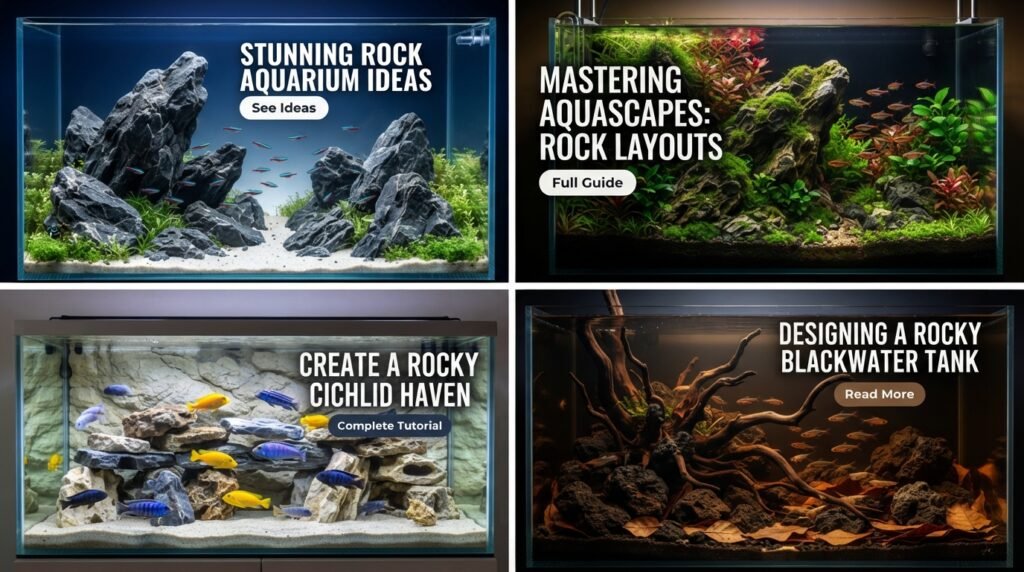
A rock aquarium offers many benefits:
- Creates a natural appearance
- Provides hiding places for fish
- Enhances aquascaping
- Supports territorial species
- Adds depth and texture
- Long-lasting and low maintenance
Rock aquascapes are suitable for both beginner and experienced aquarium hobbyists.
Best Types of Aquarium Rocks
Dragon Stone
Dragon Stone is one of the most popular aquascaping rocks.
Features:
- Textured surface
- Lightweight
- Ideal for planted aquariums
- Creates dramatic landscapes
Seiryu Stone
Known for its striking gray color and white veins.
Best for:
- Nature aquariums
- Iwagumi layouts
- Modern aquascapes
Lava Rock
Benefits include:
- Lightweight
- Porous surface
- Excellent for beneficial bacteria
- Great for biological filtration
Slate Rock
Slate can be stacked to create:
- Caves
- Cliffs
- Shelters
- Terraces
River Rock
Smooth and rounded, river rocks create a peaceful and natural look.
Popular Rock Aquarium Styles
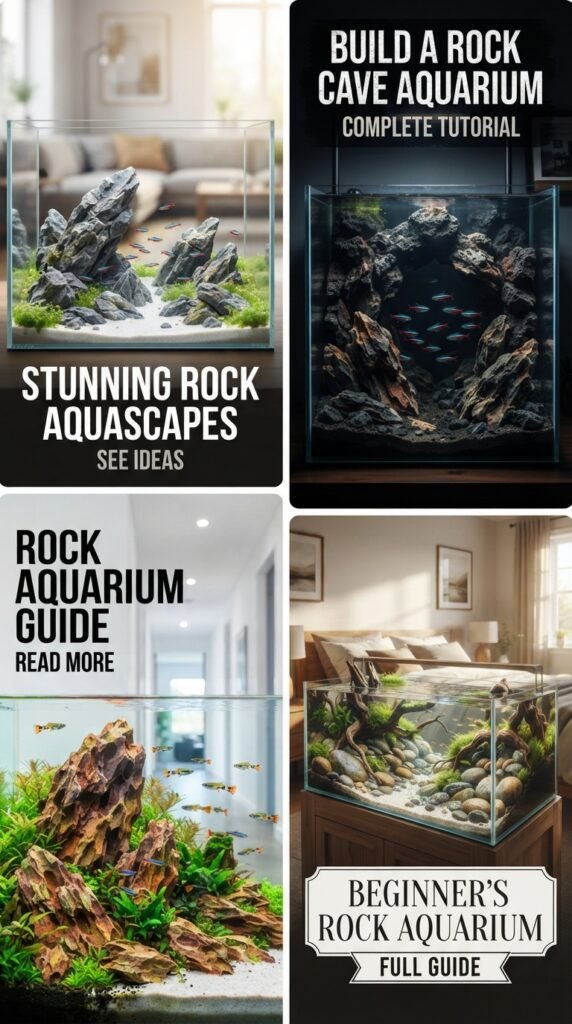
Iwagumi Aquascape
A minimalist Japanese style that uses carefully arranged stones as the main focal point.
Features:
- Few rock types
- Open space
- Carpet plants
- Balanced composition
Mountain Landscape
Use tall stones to resemble mountain peaks with valleys between them.
Rocky Riverbed
Combine smooth stones with sand to recreate a natural stream.
African Cichlid Aquarium
Build multiple caves and rock piles to provide territories and shelter.
Canyon Layout
Arrange rocks to form narrow pathways and dramatic underwater canyons.
Best Fish for a Rock Aquarium
Many fish thrive in rocky environments.
Popular choices include:
- African Cichlids
- Corydoras Catfish
- Bristlenose Plecos
- Rainbowfish
- Danios
- Loaches
- Gobies
- Tetras
Always research the compatibility and habitat preferences of your chosen species.
Best Plants for Rock Aquariums

Many plants grow well attached to rocks.
Excellent choices include:
- Anubias
- Java Fern
- Bucephalandra
- Java Moss
- Bolbitis
- Cryptocoryne
These plants require minimal maintenance and complement stone layouts beautifully.
Choosing the Right Substrate
Popular substrate options include:
- Fine white sand
- Natural gravel
- Aquasoil
- Mixed sand and gravel
The substrate should match the overall design while supporting plant growth if live plants are included.
Lighting Ideas
Proper lighting enhances the texture and color of rocks.
Recommended options include:
- Full-spectrum LED lighting
- Adjustable brightness
- Natural daylight settings
- Moonlight mode for nighttime viewing
Position the lighting to create subtle shadows and highlight the rock formations.
How to Build a Rock Aquarium
Step 1: Plan the Layout
Sketch your design before placing rocks.
Step 2: Place the Largest Rocks First
Position the main focal stones securely on the aquarium base.
Step 3: Add Secondary Stones
Use smaller rocks to create balance and a natural appearance.
Step 4: Add the Substrate
Pour sand or gravel around the rock structures.
Step 5: Plant the Aquarium
Attach plants to rocks or place rooted plants in the substrate.
Step 6: Fill with Water
Add water slowly to avoid disturbing the layout.
Maintenance Tips
Clean Around Rocks
Use a gravel vacuum to remove trapped debris.
Check Rock Stability
Inspect the hardscape regularly to ensure it remains secure.
Trim Plants
Prevent plants from covering key rock features.
Remove Algae
Clean algae gently without damaging beneficial bacteria.
Test Water Parameters
Monitor water quality to keep fish and plants healthy.
Common Mistakes to Avoid
Using Unsafe Rocks
Only use aquarium-safe stones that will not release harmful substances.
Building Unstable Structures
Ensure rocks are firmly placed to prevent collapses.
Overcrowding the Aquarium
Leave open swimming areas for fish.
Ignoring Water Chemistry
Some rocks can alter water hardness or pH. Research your chosen rock type before use.
Adding Too Many Decorations
Keep the design clean so the rock formations remain the focal point.
Best Rooms for a Rock Aquarium
A rock aquarium makes an attractive addition to:
- Living rooms
- Home offices
- Bedrooms
- Reception areas
- Waiting rooms
Its natural beauty complements many interior styles.
Benefits of a Rock Aquarium
A rock aquarium offers numerous advantages:
- Timeless natural appearance
- Excellent fish shelters
- Endless aquascaping possibilities
- Durable decorations
- Suitable for freshwater and marine tanks
- Easy to customize
It is one of the most versatile aquarium styles available.
Conclusion
A rock aquarium combines the beauty of natural stone with the tranquility of aquatic life. Whether you prefer a minimalist Iwagumi aquascape, a rugged mountain landscape, or a cave-filled cichlid habitat, rocks provide structure, character, and a realistic environment for your aquarium.
By choosing aquarium-safe stones, planning a balanced layout, and maintaining stable water conditions, you can create a stunning underwater display that will remain beautiful for years.
Frequently Asked Questions
What is a rock aquarium?
A rock aquarium is a fish tank where natural or aquarium-safe stones form the main decorative hardscape.
Which rocks are best for aquariums?
Popular choices include Dragon Stone, Seiryu Stone, Lava Rock, Slate, and smooth River Rock.
Are rocks good for aquarium fish?
Yes. Rocks provide shelter, reduce stress, and create natural territories for many fish species.
Can I use rocks from outside?
Only if they are carefully cleaned and confirmed to be safe for aquarium use. Some rocks can affect water chemistry or contain contaminants.
Which plants grow well on rocks?
Anubias, Java Fern, Bucephalandra, Java Moss, and Bolbitis are excellent choices.
Do rock aquariums require special maintenance?
No. Regular water changes, algae removal, and occasional cleaning around the rocks are generally sufficient to keep the aquarium in excellent condition.