
 By admin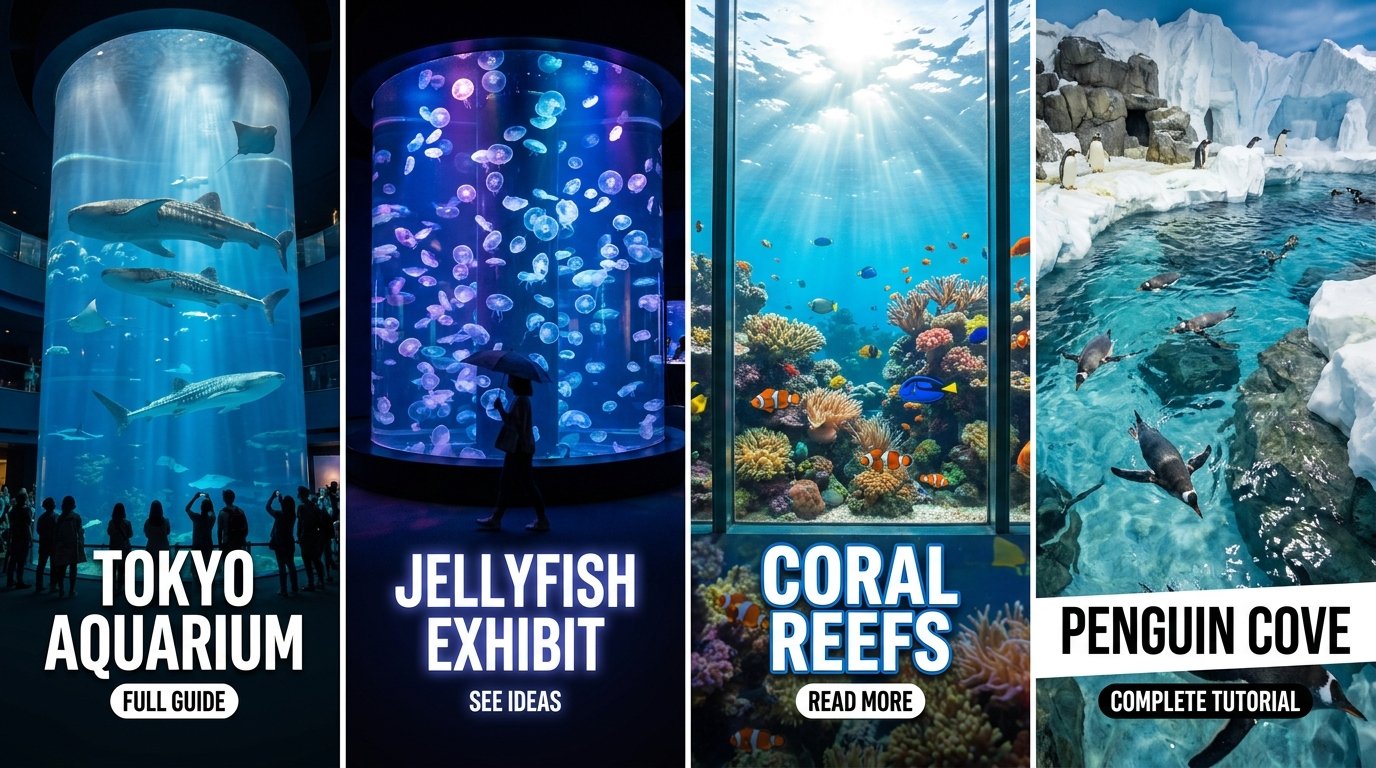
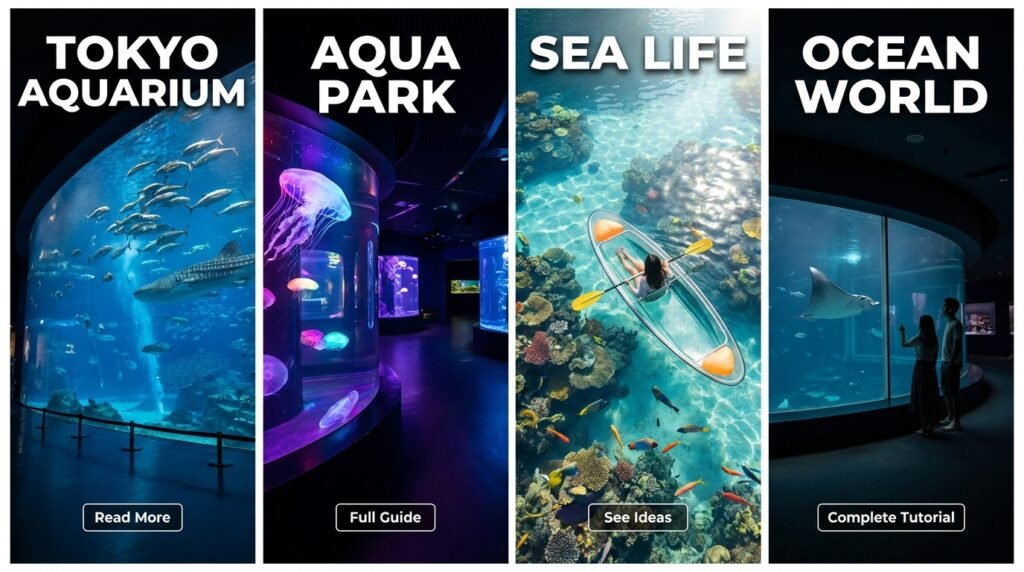
A Tokyo aquarium can refer to the impressive aquarium culture, attractions, aquatic displays, and aquarium-inspired design associated with Tokyo, Japan. Tokyo is known for its modern architecture, creative entertainment, detailed public spaces, and fascination with marine life. Aquariums in and around the city offer visitors opportunities to see colorful tropical fish, jellyfish, sharks, rays, penguins, coral reef environments, and other aquatic animals.
Beyond visiting an aquarium, the idea of a Tokyo aquarium can also inspire home aquarium designs. Japanese-inspired aquariums often focus on simplicity, balance, natural materials, clean layouts, and carefully arranged plants and hardscape. Whether you are interested in visiting an aquarium in Tokyo or creating a Tokyo-inspired aquarium at home, there are many ideas worth exploring.
What Makes a Tokyo Aquarium Special?
Tokyo has a strong aquarium culture that combines modern technology with carefully designed aquatic environments.
Many aquarium experiences focus not only on individual fish but also on creating immersive environments. Lighting, architecture, sound, water movement, and carefully arranged habitats can make visitors feel as though they are entering another world.
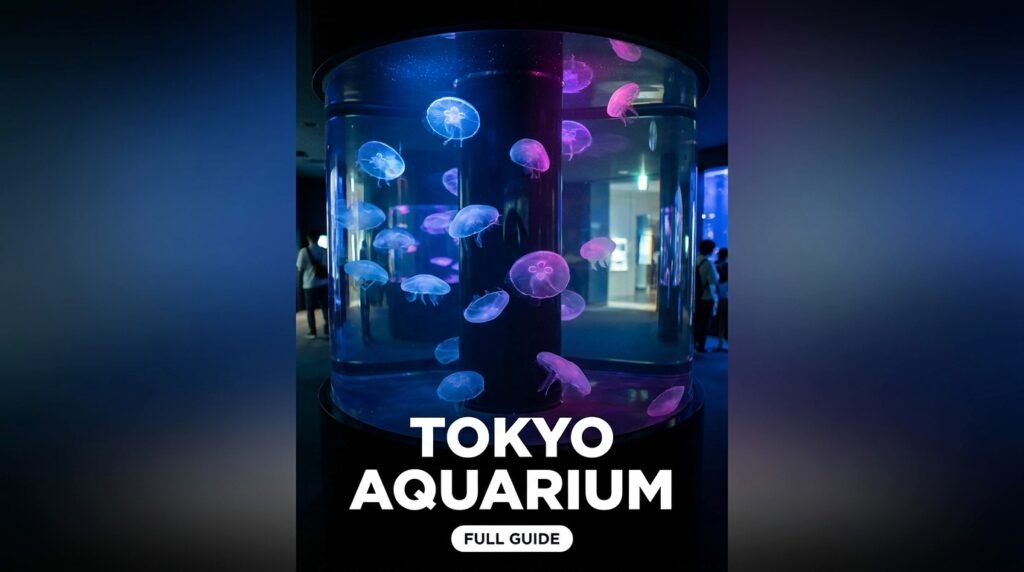
Jellyfish displays are particularly suited to this style because their slow movement and translucent bodies can be enhanced with carefully controlled lighting.
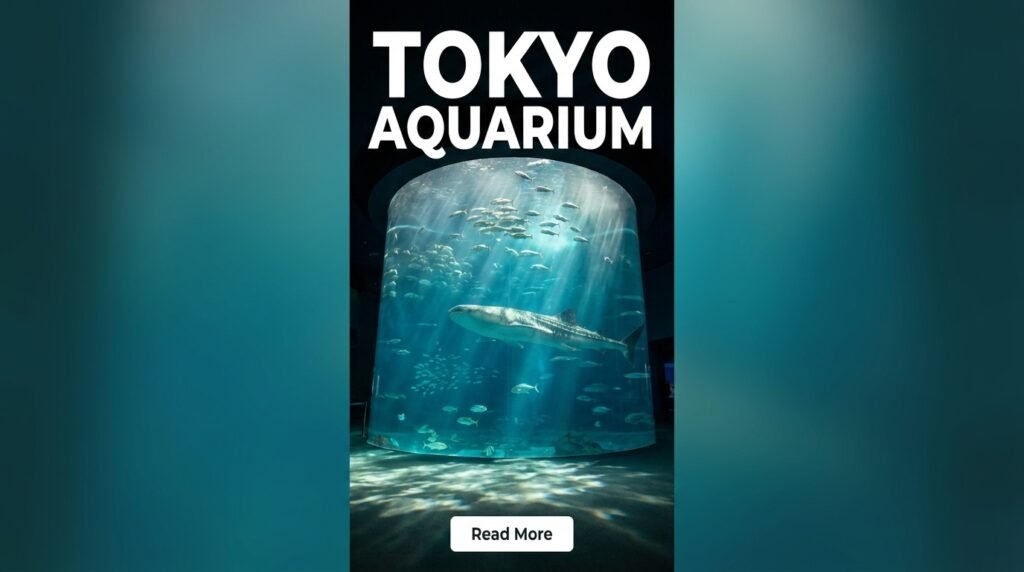
Large tanks can also provide impressive views of sharks, rays, schooling fish, and other marine animals.
Tokyo Aquarium Experience
A Tokyo aquarium experience can be very different from keeping a home aquarium.
Public aquariums can create enormous habitats with specialized filtration, temperature control, lighting, life-support systems, and professional animal-care teams.
Visitors can see marine environments that would be impossible to recreate at home.
For aquarium enthusiasts, these displays can also provide inspiration for aquascaping, fish selection, lighting, and aquarium design.
Tokyo Aquarium Design Inspiration
Japanese design principles can be applied to a home aquarium without trying to copy a public aquarium.
One important concept is simplicity.
Instead of filling the tank with dozens of decorations, choose a few carefully selected elements. A piece of driftwood, several rocks, and a collection of healthy plants can create a much more natural appearance.
Balance is also important. Avoid placing every large object on one side of the aquarium.
Create visual flow by arranging hardscape and plants so the viewer’s eyes naturally move through the aquascape.
Japanese-Style Aquarium
A Japanese-style aquarium often emphasizes natural landscapes rather than artificial decorations.
Rocks, driftwood, sand, moss, and aquatic plants can be arranged to represent mountains, forests, rivers, or other natural environments.
The design does not have to be complicated.
A simple arrangement with a strong focal point can be more effective than a heavily decorated tank.
Natural-looking aquascapes can also provide fish with hiding places and create a more comfortable environment.
Tokyo-Inspired Nano Aquarium
A small aquarium can capture the minimalist feeling associated with Japanese design.
Choose a small number of plants and create an open area for swimming.
Use a simple substrate and carefully position a few rocks or a small piece of driftwood.
Nano aquariums are ideal for desks, bedrooms, offices, and small apartments.
Because small aquariums can experience water-quality changes more quickly, however, regular maintenance is especially important.
Tokyo Aquarium Jellyfish Theme
Jellyfish are one of the most visually striking themes for an aquarium-inspired design.
A jellyfish-themed display can use dark surroundings and gentle lighting to emphasize movement.
For a home aquarium, actual jellyfish require specialized systems and are not suitable for an ordinary freshwater aquarium. Instead, you can create a jellyfish-inspired display using suitable aquarium decorations, plants, or a separate decorative model.
The goal is to capture the calm visual effect rather than attempting to recreate a professional jellyfish habitat without the necessary equipment.
Tokyo Aquarium Shark Theme
Sharks are another popular attraction in large aquarium displays.
A shark-inspired aquarium design can focus on open swimming space rather than dense decoration.
If you are creating a home aquarium, remember that most shark species are completely unsuitable for ordinary household tanks because of their size, swimming requirements, and specialized needs.
Instead, use smaller peaceful fish and create a spacious open-water aquascape inspired by a shark exhibit.
Tokyo Aquarium Tropical Fish Theme
Tropical fish provide an easy way to bring colorful aquarium inspiration into your home.
Guppies, tetras, rasboras, and other peaceful freshwater fish can create an attractive community aquarium.
Use green plants and natural hardscape to make the colors of the fish stand out.
A dark background can provide contrast, while a simple arrangement prevents the aquarium from looking overcrowded.
Tokyo Aquarium Coral Reef Inspiration
Coral reef displays can be among the most colorful aquarium environments.
A reef-inspired home aquarium can use live rock, appropriate marine equipment, coral, and saltwater livestock if you are experienced with marine aquariums.
For beginners, a freshwater planted aquarium can provide a similar colorful appearance with much simpler maintenance.
Use colorful fish and plants while keeping the overall composition natural.
Tokyo Aquarium for a Modern Home
A Tokyo-inspired aquarium can fit particularly well into a modern interior.
Use clean furniture, a simple aquarium stand, and a minimal aquascape.
Avoid excessive decorative ornaments.
A large aquarium with a dark frame and carefully arranged green plants can create an elegant focal point.
The aquarium can be positioned against a plain wall so the aquatic environment becomes the main visual feature.
Tokyo Aquarium for a Small Apartment
Aquariums do not need to be enormous to make an impact.
A small planted aquarium can fit on a sturdy stand in an apartment while providing a relaxing natural feature.
Choose a tank size that is appropriate for your available space and experience level.
Avoid choosing an extremely small tank simply because it takes up less space. Smaller water volumes can require more careful maintenance.
Tokyo Aquarium Bedroom Ideas
A planted aquarium can also work as a bedroom feature.
Choose peaceful fish and quiet equipment.
A minimalist aquascape with soft lighting can create a calming visual effect.
Avoid excessive lighting late at night because aquarium inhabitants also benefit from a regular day-and-night cycle.
A small aquarium placed on a properly designed stand can work particularly well beside a desk or reading area.
Tokyo Aquarium Living Room Ideas
A larger aquarium can become the centerpiece of a living room.
A Japanese-inspired aquascape can use rocks, driftwood, moss, and plants to create a natural landscape.
Position the aquarium where it can be viewed comfortably without exposing it to direct sunlight.
A large aquarium should always be placed on a properly designed stand and on a surface capable of supporting its full weight.
Tokyo Aquarium Plants
Plants are an important part of many Japanese-inspired aquarium designs.
Popular aquarium plants include Anubias, Java fern, Java moss, Cryptocoryne, Vallisneria, Amazon sword, and various stem plants.
The right plants depend on lighting, nutrients, substrate, CO2 availability, and aquarium conditions.
Use plants with different leaf shapes and heights to create depth.
Tall plants can be positioned toward the back, medium plants in the middle, and short plants toward the foreground.
Tokyo Aquarium Hardscape
Hardscape refers to the non-living structural elements of an aquascape.
Rocks and driftwood are two of the most common materials.
A well-designed hardscape can provide the foundation for the entire aquarium.
Before adding plants, arrange the rocks and wood until you find a composition that looks balanced.
Avoid making the arrangement perfectly symmetrical. Natural environments tend to contain irregular shapes and varying sizes.
Tokyo Aquarium Lighting
Lighting can dramatically change the appearance of an aquarium.
For planted aquariums, the light should be appropriate for the plants being grown.
For a minimalist Japanese-inspired design, avoid excessive brightness.
Use a consistent lighting schedule and monitor algae growth.
If the aquarium becomes covered in algae after increasing the lighting period, the balance between light, nutrients, and plant growth may need adjustment.
Tokyo Aquarium Fish Selection
Fish should be selected based on the aquarium’s size, water parameters, temperature, behavior, and compatibility.
Small schooling fish can create movement in an aquascape without overwhelming the design.
Tetras, rasboras, danios, and other peaceful species may work in suitable community aquariums.
Guppies are another popular choice for colorful freshwater setups.
Avoid selecting fish simply because they look attractive. Research their adult size and care requirements first.
Tokyo Aquarium Aquascaping Ideas
There are several ways to create a Tokyo-inspired aquascape.
A minimalist rock garden can use several carefully positioned stones and low-growing plants.
A forest-style aquascape can use branching driftwood covered with moss to create the appearance of trees.
A river-inspired design can use sand, stones, and flowing plants.
A jungle-style aquarium can use dense vegetation with different heights and textures.
The best design depends on your aquarium size, lighting, equipment, and maintenance preferences.
Tokyo Aquarium Color Themes
Color can influence the atmosphere of an aquarium.
Green plants combined with gray or brown rocks create a natural appearance.
Dark substrate can make green plants and brightly colored fish stand out.
A brighter design can use light sand and colorful fish.
Avoid using too many unrelated colors because this can make the aquarium look artificial.
Tokyo Aquarium Ideas for Beginners
Beginners should focus on simple, hardy plants and peaceful fish.
Start with a manageable aquarium size rather than attempting a massive aquascape immediately.
Choose reliable filtration and appropriate lighting.
Allow the aquarium to cycle before adding fish.
Add plants gradually and observe their growth.
Over time, you can improve the aquascape by trimming plants, rearranging hardscape, and adding new species.
Tokyo Aquarium Maintenance
Even a minimalist aquarium requires regular maintenance.
Perform appropriate water changes, remove algae, trim plants, clean the glass, and check filtration equipment.
Avoid overfeeding fish because uneaten food can contribute to poor water quality.
Monitor fish behavior and plant growth.
A beautiful aquarium depends more on consistency than occasional intensive cleaning.
Tokyo Aquarium vs Traditional Aquarium
A traditional aquarium may focus mainly on fish and decorative objects.
A Japanese-inspired aquarium often treats the entire tank as a landscape.
The fish become part of the composition rather than the only attraction.
Plants, rocks, wood, substrate, negative space, and lighting all contribute to the final appearance.
| Feature | Tokyo-Inspired Aquarium | Traditional Aquarium |
|---|---|---|
| Main Focus | Aquatic landscape | Fish and decorations |
| Style | Minimal and natural | Often decorative |
| Hardscape | Important | Optional |
| Plants | Usually prominent | Varies |
| Color | Controlled | Often varied |
| Layout | Balanced and natural | Flexible |
How to Create a Tokyo-Inspired Aquarium at Home
Start by choosing a suitable aquarium size.
Select a simple theme such as a Japanese forest, riverbank, mountain landscape, or minimalist garden.
Choose a small number of rocks and one or two pieces of driftwood.
Add suitable substrate and plants.
Create open space rather than filling every area.
Select peaceful fish that complement the scale of the aquascape.
Finally, maintain the aquarium consistently so the plants remain healthy and the water stays clean.
Final Thoughts
A Tokyo aquarium can represent much more than a place to see aquatic animals. It can also be a source of inspiration for aquarium lovers who appreciate Japanese design, modern architecture, natural aquascaping, and immersive aquatic environments.
You can bring some of this inspiration into your own aquarium by focusing on simplicity, balance, natural materials, healthy plants, and carefully selected fish.
Whether you build a small nano aquarium, a large planted display, or a minimalist living-room centerpiece, the most successful aquarium designs are usually those where every element has a purpose.
Frequently Asked Questions
What is a Tokyo aquarium?
A Tokyo aquarium can refer to an aquarium attraction in Tokyo or to aquarium designs inspired by Tokyo’s modern and Japanese aesthetic.
What makes Japanese aquarium design special?
Japanese-inspired aquarium design often emphasizes natural landscapes, simplicity, balance, carefully arranged hardscape, and healthy aquatic plants.
What plants are good for a Japanese-style aquarium?
Anubias, Java fern, Java moss, Cryptocoryne, and many other aquatic plants can be used depending on the desired aquascape and aquarium conditions.
Can I create a Tokyo-inspired aquarium at home?
Yes. Use a simple layout, natural rocks, driftwood, aquatic plants, suitable substrate, and peaceful fish to create a Japanese-inspired aquarium.
What fish work well in a minimalist aquarium?
Small schooling fish such as suitable tetras and rasboras can work well. Guppies can also be used when their care requirements and stocking needs are properly considered.
Can I keep sharks in a home Tokyo-inspired aquarium?
Most sharks are not appropriate for ordinary home aquariums because of their size and specialized requirements. A shark exhibit is better appreciated in a properly equipped public aquarium.
Are jellyfish suitable for a normal home aquarium?
Most jellyfish require specialized aquarium systems designed specifically for their needs. A standard freshwater aquarium is generally not suitable for them.
What is a good Tokyo aquarium idea for a small room?
A small planted nano aquarium with a minimalist rock and plant arrangement can provide a Tokyo-inspired appearance without requiring a large amount of space.
How do I make my aquarium look Japanese?
Use natural rocks, driftwood, aquatic plants, controlled colors, open space, and a balanced composition. Avoid excessive artificial decorations.
What lighting is best for a Japanese-style aquarium?
Choose lighting appropriate for your plants and maintain a consistent schedule. Moderate, well-controlled lighting can complement a minimalist aquascape while helping manage algae.