
 By admin
An aquarium fish tank is one of the most rewarding additions to a home, office, classroom, or business. It provides a safe environment for fish while creating a beautiful display of aquatic life. Whether you are interested in colorful tropical fish, elegant aquascapes, or thriving underwater ecosystems, choosing and maintaining the right aquarium fish tank is the key to success.
A well-maintained aquarium not only enhances the appearance of a room but also offers a relaxing and educational experience for people of all ages.
What Is an Aquarium Fish Tank?
An aquarium fish tank is a water-filled enclosure designed to house fish, aquatic plants, and other aquatic organisms. Modern aquariums are available in various shapes, sizes, and styles, allowing hobbyists to create unique underwater environments.
Aquariums can range from small desktop tanks to massive custom installations containing thousands of gallons of water.
Benefits of Keeping an Aquarium Fish Tank
Many people enjoy aquariums for their beauty and therapeutic effects.
Stress Relief
Watching fish swim calmly through water can help create a relaxing atmosphere.
Home Decoration
A well-designed aquarium serves as a living centerpiece.
Educational Value
Aquariums teach responsibility and provide insight into aquatic ecosystems.
Creative Expression
Aquascaping allows hobbyists to design beautiful underwater landscapes.
Types of Aquarium Fish Tanks

Freshwater Aquarium
Freshwater aquariums are the most popular choice for beginners.
Benefits include:
- Lower maintenance requirements
- Affordable setup costs
- Wide variety of fish species
Saltwater Aquarium
Saltwater tanks contain marine fish and invertebrates.
Advantages include:
- Brightly colored fish
- Unique marine life
- Coral reef possibilities
However, they usually require more equipment and expertise.
Planted Aquarium
A planted aquarium focuses on live aquatic plants.
Benefits include:
- Natural appearance
- Improved water quality
- Healthier environment for fish
Community Aquarium
Community tanks contain multiple compatible fish species living together.
These are ideal for hobbyists who enjoy variety.
Species-Only Tank
Designed for a single fish species.
Examples include:
- Betta fish tanks
- Discus aquariums
- Cichlid setups
Choosing the Right Aquarium Size
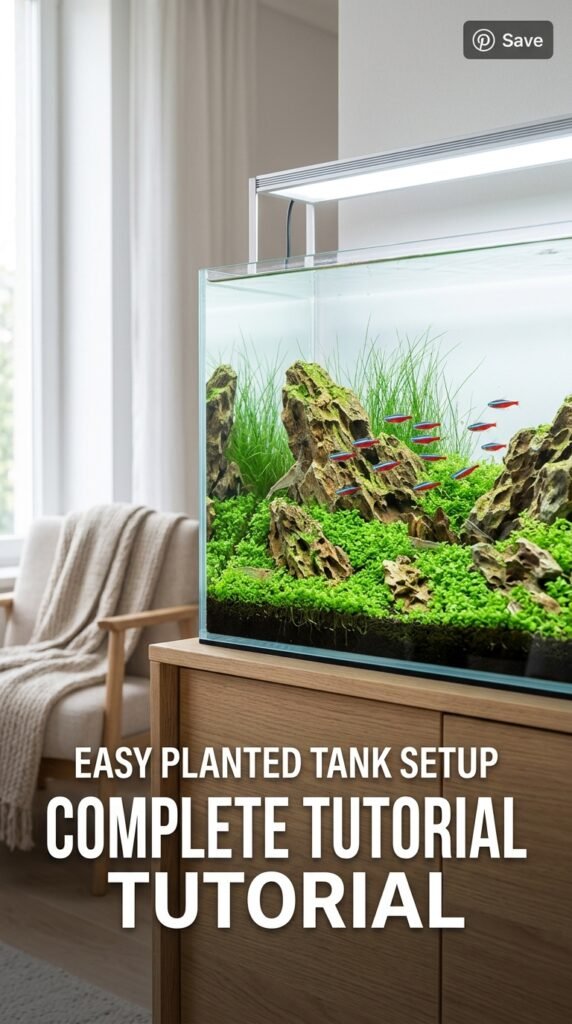
Selecting the proper size is one of the most important decisions.
Small Tanks
- 5 to 10 gallons
- Suitable for limited spaces
- Require careful maintenance
Medium Tanks
- 20 to 55 gallons
- Excellent for beginners
- More stable water conditions
Large Tanks
- 75 gallons and larger
- Greater stocking possibilities
- Impressive visual impact
Larger tanks are often easier to maintain than very small aquariums.
Essential Aquarium Equipment
Every aquarium fish tank needs appropriate equipment.
Filter
The filter removes waste and supports beneficial bacteria.
Heater
Many tropical fish require warm water.
Lighting
Lighting highlights fish colors and supports plant growth.
Thermometer
Allows accurate temperature monitoring.
Air Pump
Provides additional water movement and oxygenation when needed.
Setting Up an Aquarium Fish Tank
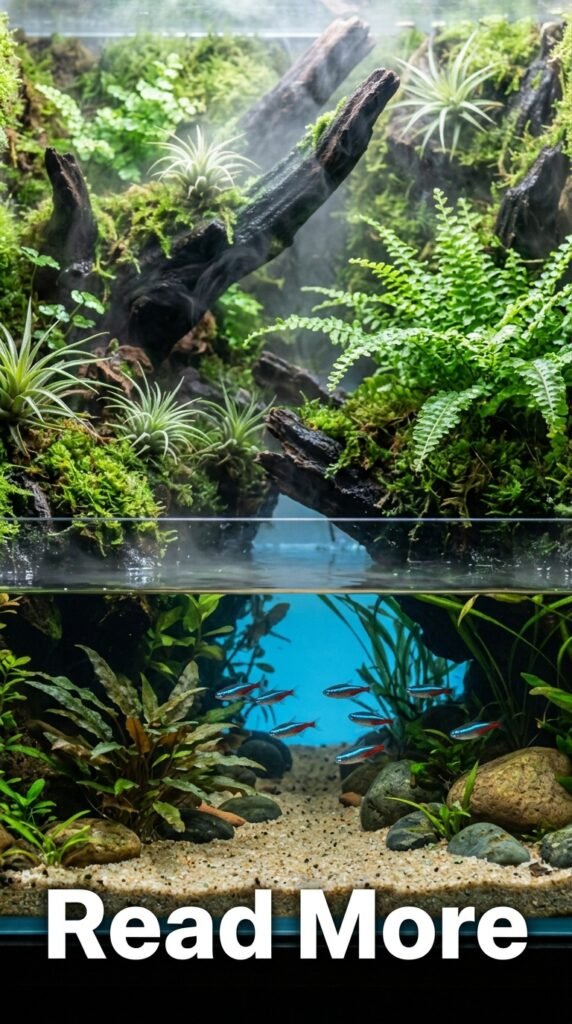
Step 1: Choose a Location
Place the aquarium on a sturdy stand away from direct sunlight.
Step 2: Add Substrate
Popular substrate options include:
- Gravel
- Sand
- Plant-specific soil
Step 3: Arrange Decorations
Use decorations such as:
- Driftwood
- Rocks
- Caves
- Live plants
Step 4: Fill with Water
Use a water conditioner to remove chlorine and chloramine.
Step 5: Install Equipment
Set up filtration, heating, and lighting systems.
Step 6: Cycle the Aquarium
Establish beneficial bacteria before adding fish.
Best Fish for Freshwater Aquariums
Guppy
Guppy are colorful, active, and easy to care for.
Betta Fish
Betta fish are known for their beautiful fins and vibrant colors.
Neon Tetra
Neon tetra create stunning schooling displays.
Corydoras
Corydoras help clean leftover food from the substrate.
Molly Fish
Molly fish are hardy and beginner-friendly.
Popular Saltwater Fish
Marine aquariums feature some of the most colorful fish available.
Clownfish
Clownfish are among the most recognizable marine species.
Royal Gramma
Royal gramma displays vibrant purple and yellow coloration.
Firefish
Firefish are peaceful and elegant swimmers.
Aquarium Fish Tank Aquascaping Ideas
Nature Aquarium
Inspired by natural rivers and streams.


7
Iwagumi Style
Features carefully arranged stones and minimal plants.
Jungle Aquascape
Dense plant growth creates a lush underwater forest.
Island Layout
A central focal point surrounded by open water.
Best Plants for Aquarium Fish Tanks
Live plants improve both beauty and water quality.
Popular options include:
- Anubias
- Java fern
- Amazon sword
- Java moss
Feeding Aquarium Fish
Most aquarium fish thrive on a balanced diet.
Common Foods
- Flakes
- Pellets
- Frozen foods
- Live foods
- Algae-based foods
Avoid overfeeding, as excess food can reduce water quality.
Aquarium Maintenance
Routine maintenance keeps fish healthy.
Weekly Tasks
- Change 20–30% of the water
- Clean algae from glass
- Test water parameters
Monthly Tasks
- Clean filter media
- Inspect equipment
Regular care prevents many common aquarium problems.
Common Mistakes to Avoid
Overstocking
Too many fish can stress the aquarium system.
Skipping the Nitrogen Cycle
Uncycled tanks can expose fish to harmful toxins.
Overfeeding
Excess food leads to poor water quality.
Incompatible Fish
Research compatibility before adding new fish.
Why Aquarium Fish Tanks Are So Popular
Aquarium fish tanks combine beauty, relaxation, education, and creativity. They allow hobbyists to create thriving aquatic ecosystems filled with colorful fish and lush plants while enjoying a rewarding and engaging hobby.
Whether you prefer a simple freshwater community tank or a sophisticated aquascape, an aquarium can provide years of enjoyment.
Conclusion
An aquarium fish tank is a wonderful way to bring nature indoors. By choosing the right equipment, fish, plants, and maintenance routine, you can create a healthy and visually stunning aquatic environment.
With proper planning and care, your aquarium can become a thriving underwater world that enhances your home and provides endless fascination.
Frequently Asked Questions
What is the best aquarium fish tank size for beginners?
A 20- to 30-gallon aquarium is often recommended because it provides stable water conditions and plenty of stocking options.
How often should I change aquarium water?
Most aquariums benefit from weekly water changes of about 20–30%.
Which fish are easiest for beginners?
Guppy, Betta fish, and Molly fish are excellent beginner fish.
Are live plants necessary in an aquarium?
No, but they improve water quality and create a more natural appearance.
How long can aquarium fish live?
Lifespans vary by species, but many aquarium fish live between 3 and 15 years with proper care.