
 By admin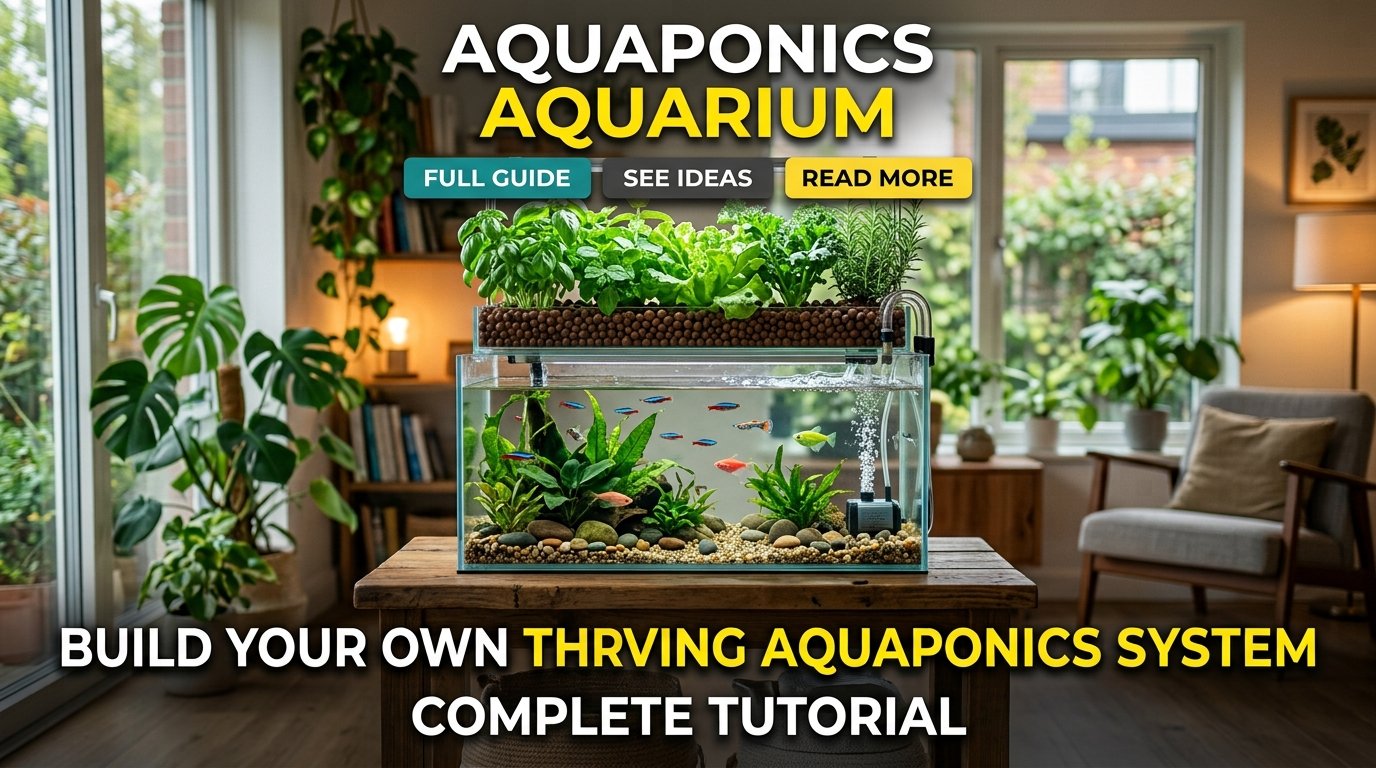
An aquaponics aquarium combines fishkeeping with hydroponic gardening to create a balanced ecosystem where fish and plants work together. In this innovative system, fish produce nutrient-rich waste that feeds plants, while the plants naturally filter and clean the water before it returns to the aquarium. The result is an environmentally friendly setup that is both beautiful and highly functional.
Aquaponics aquariums are popular among aquarium enthusiasts, home gardeners, educators, and anyone interested in sustainable living. Whether you want a compact desktop system or a large home display, an aquaponics aquarium offers an exciting way to enjoy fish while growing fresh herbs, vegetables, and ornamental plants.
This complete guide explains everything you need to know about setting up, maintaining, and enjoying an aquaponics aquarium.
What Is an Aquaponics Aquarium?
An aquaponics aquarium is a closed-loop ecosystem that combines aquaculture (raising fish) with hydroponics (growing plants without soil). Fish produce waste that beneficial bacteria convert into nutrients for plants. The plants absorb these nutrients, helping purify the water before it circulates back to the aquarium.
A typical aquaponics aquarium consists of:
- Fish tank
- Grow bed or plant tray
- Water pump
- Filter
- Beneficial bacteria
- Live fish
- Plants
This natural cycle helps maintain healthier water while supporting vigorous plant growth.
How Does an Aquaponics Aquarium Work?
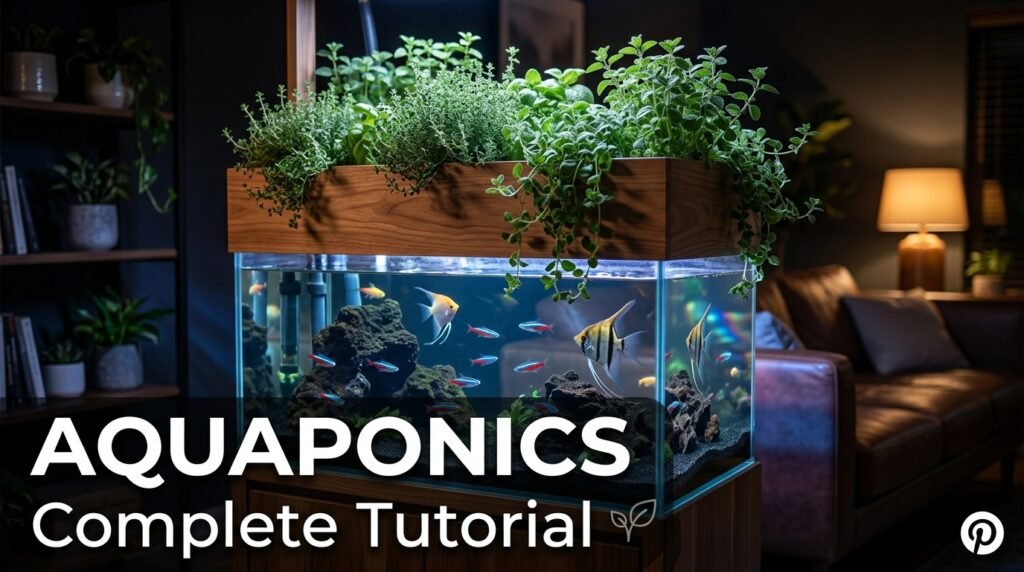
The system follows a simple biological process.
- Fish produce waste in the aquarium.
- Beneficial bacteria convert ammonia into nitrite and then into nitrate.
- Plants absorb nitrates as fertilizer.
- Cleaned water returns to the fish tank.
- The cycle repeats continuously.
This relationship benefits both the fish and the plants.
Benefits of an Aquaponics Aquarium
Aquaponics offers many advantages over traditional aquariums and hydroponic systems.
Natural Filtration
Plants help remove excess nutrients from the water, improving water quality.
Sustainable Gardening
Fish waste provides a natural source of fertilizer, reducing the need for chemical nutrients.
Water Conservation
The system recirculates water, using significantly less than conventional gardening.
Beautiful Home Display
An aquaponics aquarium combines lush greenery with colorful fish, creating a striking centerpiece.
Educational Value
It demonstrates biological cycles, ecology, and sustainable food production, making it ideal for classrooms and families.
Choosing the Right Aquarium Size
The size of your aquarium depends on your goals and available space.
10 to 20-Gallon Aquarium
Suitable for:
- Small herbs
- One betta fish
- Shrimp
- Small community fish
29 to 55-Gallon Aquarium
Ideal for:
- Larger plant collections
- Community fish
- Improved system stability
75 Gallons and Larger
Perfect for:
- Extensive vegetable production
- Larger fish populations
- Advanced aquaponics systems
Larger systems are generally more stable and easier to maintain.
Best Fish for an Aquaponics Aquarium
Choose hardy fish that adapt well to stable water conditions.
Goldfish
One of the most popular aquaponics fish.
Advantages include:
- Hardy
- Produce plenty of nutrients
- Easy to care for
Guppies
Excellent for small indoor systems.
Mollies
Adaptable and beginner-friendly.
Platies
Peaceful community fish that thrive in planted environments.
Tilapia
Popular for large-scale aquaponics because of their rapid growth and hardiness.
Koi
Suitable only for large outdoor aquaponics systems due to their adult size.
Always match the fish species to your aquarium size and water temperature.
Best Plants for Aquaponics
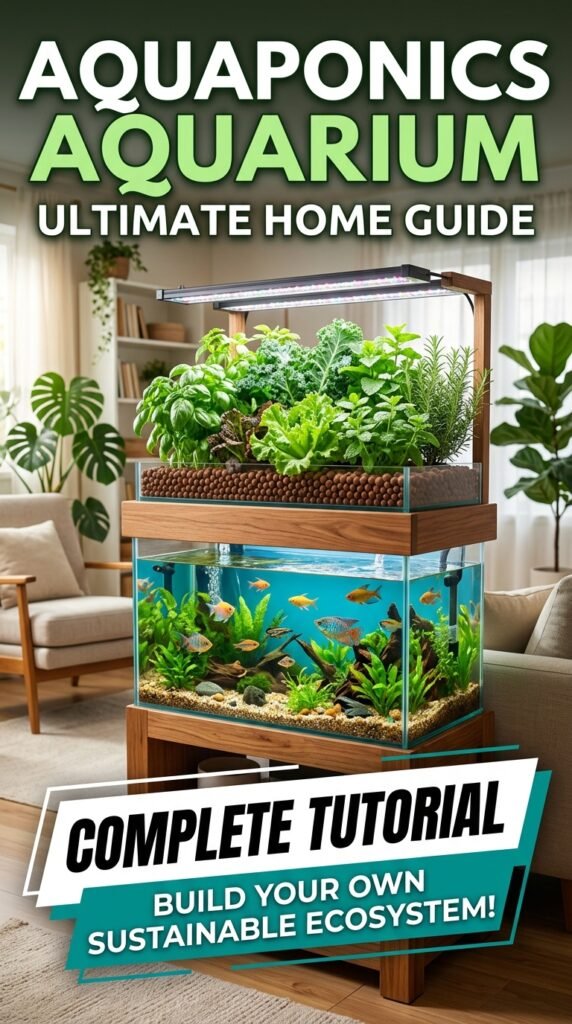
Many edible and ornamental plants grow well in aquaponics systems.
Herbs
Popular choices include:
- Basil
- Mint
- Parsley
- Cilantro
- Chives
Leafy Greens
Excellent options include:
- Lettuce
- Spinach
- Kale
- Bok choy
- Swiss chard
Vegetables
Larger systems can support:
- Tomatoes
- Peppers
- Cucumbers
- Beans
Houseplants
Decorative plants suitable for indoor systems include:
- Pothos
- Peace Lily
- Spider Plant
- Philodendron
Avoid toxic plants if pets or children may come into contact with them.
Essential Equipment
A successful aquaponics aquarium requires reliable equipment.
Aquarium
Choose a tank appropriate for the number of fish you plan to keep.
Grow Bed
Supports plant roots above the aquarium.
Water Pump
Moves water from the aquarium to the grow bed.
Filter
Removes solid waste before water reaches the plants.
LED Grow Light
Provides adequate lighting for indoor plants.
Air Pump
Improves oxygen levels for fish and beneficial bacteria.
Growing Media
The grow bed needs a suitable medium to support plant roots.
Popular choices include:
- Expanded clay pebbles
- Lava rock
- River gravel
Choose inert materials that do not affect water chemistry.
Water Parameters
Stable water conditions are essential for both fish and plants.
Recommended ranges include:
- Temperature: 72°F–78°F (22°C–26°C), depending on the fish species
- pH: 6.8–7.2
- Ammonia: 0 ppm
- Nitrite: 0 ppm
- Nitrate: Low to moderate levels
Regular water testing ensures a healthy balance.
Aquarium Decoration Ideas
Decorations should provide shelter while maintaining open swimming areas.
Popular options include:
- Driftwood
- Smooth rocks
- Live aquatic plants
- Ceramic caves
- Natural sand or gravel
Keep decorations simple so maintenance remains easy.
Cycling the System
Before adding fish, establish the nitrogen cycle.
Steps include:
- Install equipment.
- Fill the aquarium with conditioned water.
- Start filtration and water circulation.
- Allow beneficial bacteria to develop.
- Test water until ammonia and nitrite reach zero.
Cycling is essential for the health of both fish and plants.
Feeding Fish
Feed fish high-quality food in appropriate amounts.
Avoid overfeeding because excess waste can upset the balance of the system.
Feed only what the fish consume within a few minutes.
Maintenance Schedule
Routine maintenance keeps the system healthy.
Weekly Water Changes
Replace 10% to 20% of the water if needed, depending on water quality.
Test Water
Monitor:
- pH
- Ammonia
- Nitrite
- Nitrate
- Temperature
Trim Plants
Harvest herbs and prune plants regularly to encourage healthy growth.
Clean the Filter
Remove accumulated debris without disturbing beneficial bacteria.
Inspect Equipment
Check pumps, air stones, and lighting for proper operation.
Common Mistakes to Avoid
Overstocking Fish
Too many fish produce more waste than the plants can process.
Choosing the Wrong Plants
Some plants require more nutrients than small systems can provide.
Overfeeding
Excess food can lead to poor water quality.
Skipping Water Tests
Regular monitoring helps prevent problems before they become serious.
Insufficient Lighting
Indoor plants need adequate light to grow successfully.
Aquaponics Aquarium Design Ideas
Kitchen Herb Garden
Grow basil, mint, and parsley above a compact aquarium.
Modern Living Room Display
Combine ornamental fish with lush green plants in a sleek, minimalist design.
Classroom Aquarium
Create an educational ecosystem for students to observe.
Office Desktop Aquarium
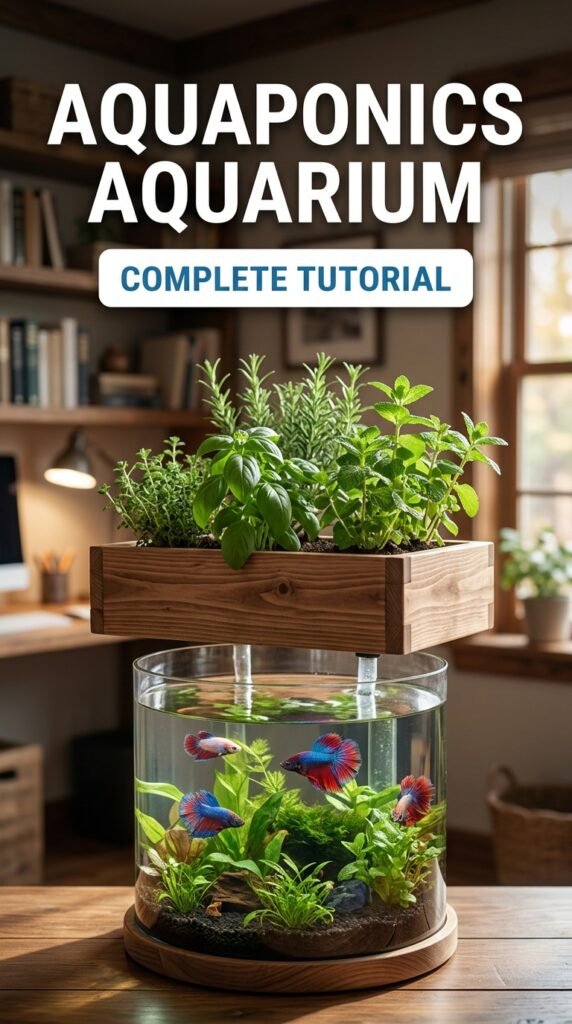
Use a compact setup with pothos and a betta fish for an attractive workspace feature.
Benefits of an Aquaponics Aquarium
An aquaponics aquarium offers many long-term advantages.
- Natural water filtration
- Sustainable gardening
- Reduced water consumption
- Healthy plant growth
- Beautiful indoor décor
- Educational value
- Environmentally friendly ecosystem
These benefits make aquaponics an enjoyable and practical hobby.
Conclusion
An aquaponics aquarium is an innovative way to combine fishkeeping with indoor gardening. By creating a balanced ecosystem where fish provide nutrients for plants and plants help clean the water, you can enjoy a sustainable, attractive, and educational display.
Whether you choose a small desktop herb garden or a larger home system producing fresh vegetables, proper planning, regular maintenance, and careful selection of fish and plants will ensure your aquaponics aquarium thrives for years to come.
Frequently Asked Questions
What is an aquaponics aquarium?
An aquaponics aquarium is a system that combines fishkeeping and hydroponic gardening, allowing fish waste to nourish plants while the plants help filter the aquarium water.
What fish are best for an aquaponics aquarium?
Goldfish, guppies, mollies, platies, and tilapia (in larger systems) are popular choices because they are hardy and adapt well to aquaponics.
Which plants grow best in aquaponics?
Basil, lettuce, spinach, kale, mint, parsley, pothos, and peace lilies are among the best plants for aquaponics systems.
Do I need a filter in an aquaponics aquarium?
Yes. A filter removes solid waste and supports beneficial bacteria, helping maintain healthy water conditions for both fish and plants.
How often should I maintain an aquaponics aquarium?
Test the water weekly, trim plants regularly, clean the filter as needed, inspect equipment, and perform small water changes when required.
Is an aquaponics aquarium suitable for beginners?
Yes. A small, well-planned aquaponics aquarium with hardy fish and easy-to-grow plants is an excellent introduction to sustainable fishkeeping and indoor gardening.