
 By admin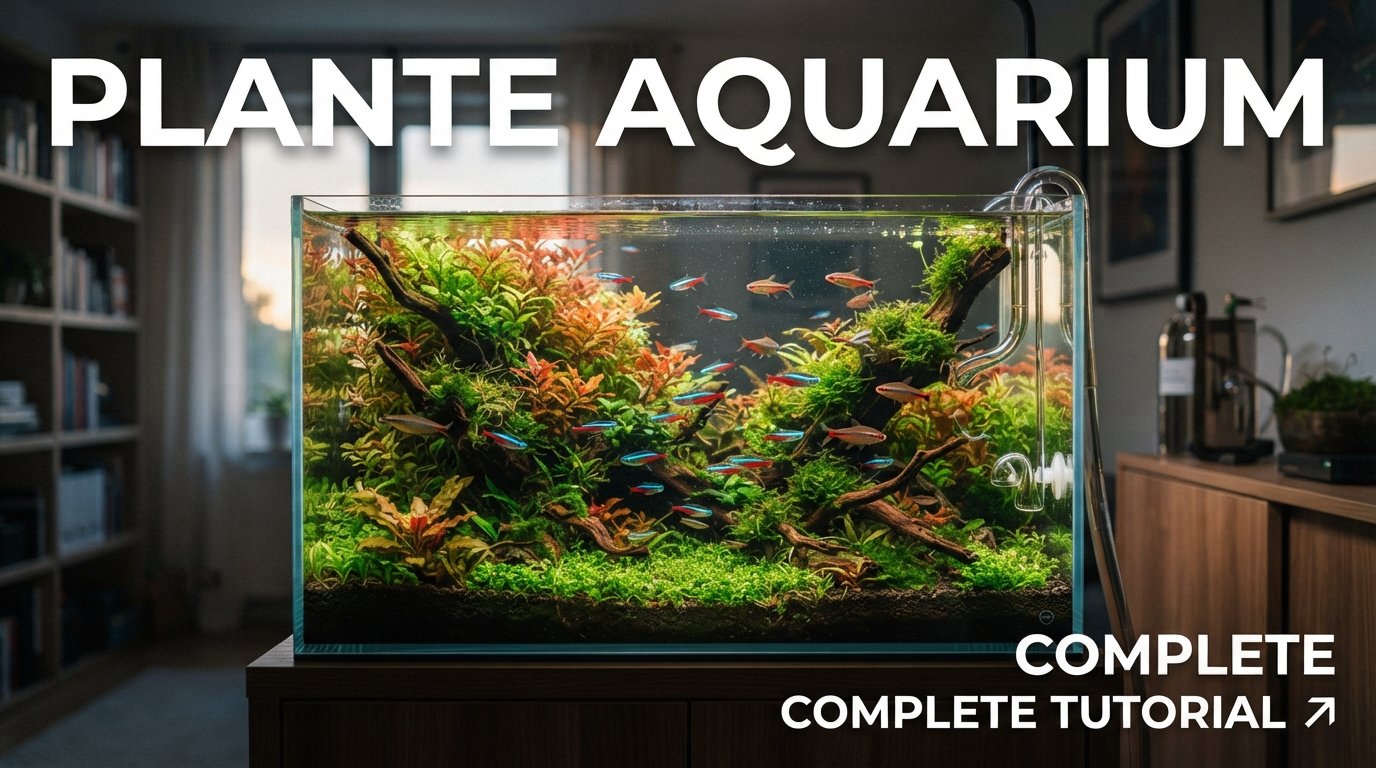
A planted aquarium combines fishkeeping with living aquatic plants to create a natural underwater environment. Plants can add color, texture, shelter, and visual depth while helping create a more natural habitat for aquarium inhabitants.
Whether you want a simple low-tech aquarium or a dense aquascape with CO2 injection, there are many ways to build a beautiful planted tank.
What Is a Planted Aquarium?
A planted aquarium is an aquarium where live aquatic plants are an important part of the design.
A planted tank can contain:
- Aquatic plants
- Fish
- Shrimp
- Snails
- Rocks
- Driftwood
- Aquarium substrate
- Aquarium lighting
- Filtration
The plants may be used as the main visual feature or simply as natural decoration.
Planted Aquarium Ideas
1. Natural Planted Aquarium
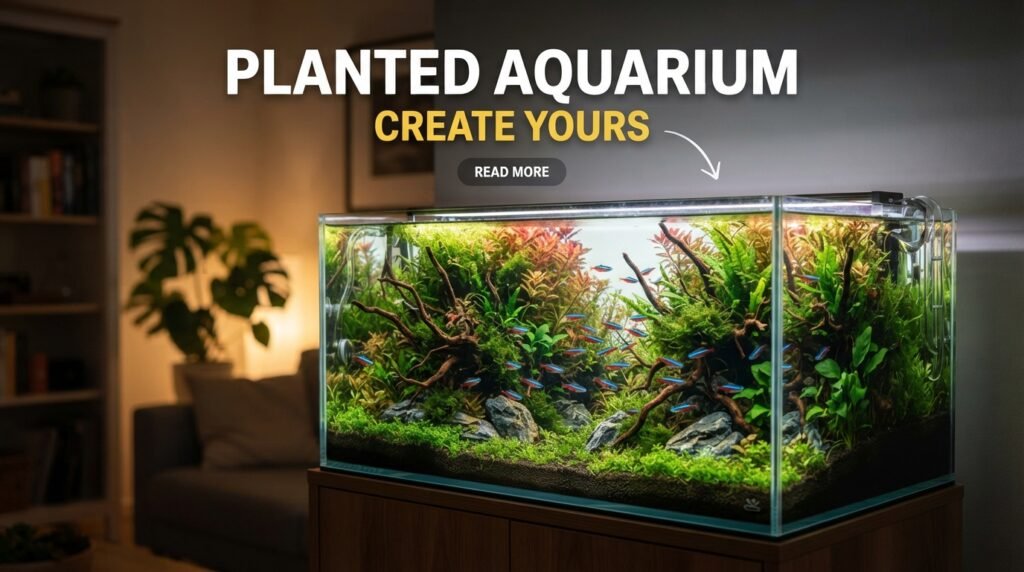
Create a natural underwater landscape using driftwood, rocks, and different plant heights.
Use:
- Short foreground plants
- Medium plants around the hardscape
- Tall plants in the background
This creates depth and makes the aquarium look larger.
2. Jungle Aquarium
A jungle-style aquarium uses dense vegetation and irregular plant growth.
Combine different leaf shapes and shades of green rather than planting everything in perfectly straight rows.
3. Minimalist Planted Aquarium
A minimalist design uses fewer plants and more open space.
A single piece of driftwood or a group of rocks can become the focal point, surrounded by carefully selected plants.
4. Planted Cube Aquarium
Cube aquariums are excellent for creating three-dimensional planted layouts.
Use vertical driftwood, rocks, moss, and plants of different heights to take advantage of the tank’s depth.
5. Planted Betta Aquarium
A planted aquarium can provide a betta with natural cover and resting areas.
Good choices include:
- Anubias
- Java Fern
- Cryptocoryne
- Java Moss
- Floating plants
Keep open swimming areas and avoid creating excessive water flow.
Best Aquarium Plants
Anubias
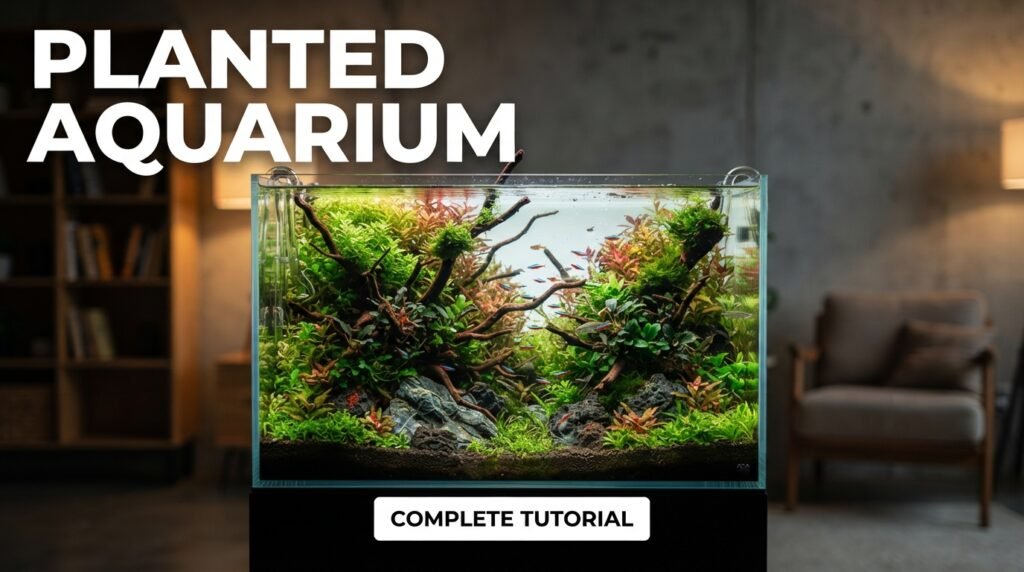
Anubias is a popular hardy plant that works well in low-tech aquariums.
It can be attached to rocks and driftwood. Avoid completely burying its rhizome in substrate.
Java Fern
Java Fern is another beginner-friendly option.
It can grow attached to hardscape and generally does not require extremely strong lighting.
Cryptocoryne
Cryptocoryne species provide attractive midground foliage and come in different colors and sizes.
They can experience “crypt melt” after being introduced to a new environment but often recover with stable conditions.
Amazon Sword
Amazon Sword can become a large centerpiece plant in appropriately sized aquariums.
Give it sufficient root space and nutrients.
Java Moss
Java Moss can be attached to driftwood and rocks to create a natural, aged appearance.
It is also useful in shrimp aquariums.
Vallisneria
Vallisneria produces long, flowing leaves that work particularly well in the background of larger aquariums.
Foreground Aquarium Plants
Foreground plants create a carpet-like appearance.
Popular choices include:
- Monte Carlo
- Dwarf Hairgrass
- Marsilea
- Glossostigma
Carpeting plants often require stronger lighting and may benefit from CO2 injection, depending on the species and desired growth.
Background Aquarium Plants
Tall plants help create depth.
Options include:
- Vallisneria
- Rotala
- Hygrophila
- Ludwigia
- Limnophila
Choose plants according to the aquarium’s height and available lighting.
Low-Tech Planted Aquarium
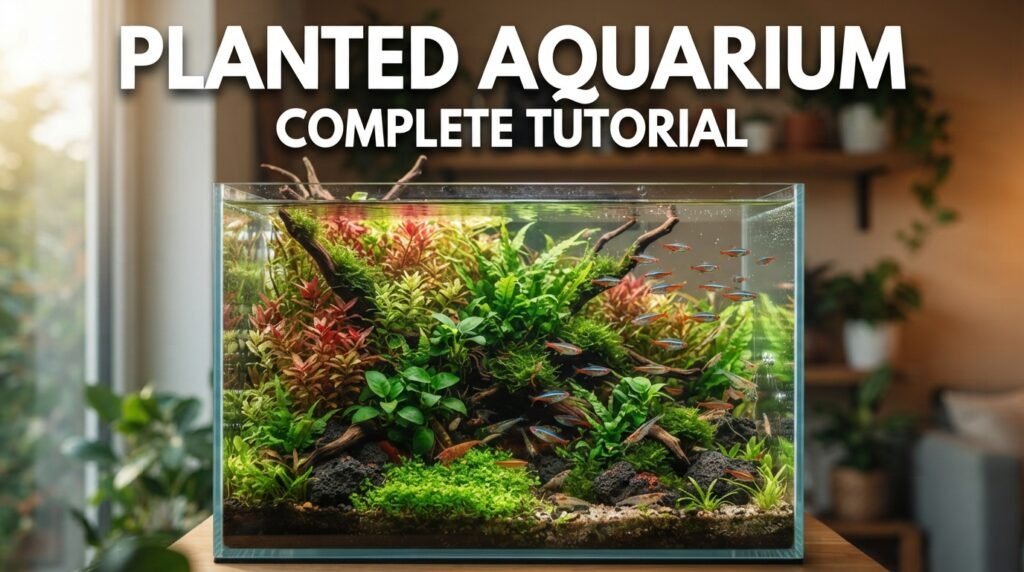
A low-tech planted aquarium can be maintained without injected CO2.
Choose hardy plants and moderate lighting.
Good options include:
- Anubias
- Java Fern
- Cryptocoryne
- Java Moss
- Vallisneria
- Some floating plants
Low-tech tanks generally grow more slowly, which can also mean less frequent trimming.
High-Tech Planted Aquarium
A high-tech aquarium usually combines:
- Strong aquarium lighting
- Pressurized CO2
- Nutrient-rich substrate
- Fertilization
- Careful water management
This setup can support demanding plants and dense carpeting but requires more attention.
Planted Aquarium Substrate
Substrate provides a foundation for the aquascape and can support plants that feed heavily through their roots.
Common options include:
Aquasoil
Designed specifically for planted aquariums and commonly used in modern aquascaping.
Sand
Provides a clean appearance but may require additional nutrient supplementation for root-feeding plants.
Gravel
Easy to maintain and available in many sizes and colors.
Some aquariums combine different substrates to create pathways and visual contrast.
Planted Aquarium Lighting
Lighting is one of the most important parts of a planted aquarium.
Choose lighting according to the plants you intend to grow.
A basic low-tech aquarium can use moderate lighting, while demanding carpeting plants may require stronger light.
Avoid increasing light intensity without considering CO2 and nutrient availability because excessive light can encourage algae.
CO2 in a Planted Aquarium
CO2 is not required for every planted aquarium.
It can, however, improve growth and help demanding plants thrive.
CO2 systems may include:
- CO2 cylinder
- Regulator
- Solenoid
- Bubble counter
- Diffuser
- Drop checker
If using CO2, introduce it carefully and monitor fish behavior.
Planted Aquarium Fertilizer
Plants need several nutrients for healthy growth.
Depending on the aquarium, fertilizers may supply:
- Nitrogen
- Phosphorus
- Potassium
- Iron
- Trace elements
The correct dosing depends on plant density, lighting, CO2, water chemistry, and other factors.
Avoid adding fertilizer simply because more nutrients seem beneficial. Excess nutrients combined with excessive light can contribute to algae problems.
Planted Aquarium With Fish
Fish can make a planted aquarium feel like a complete ecosystem.
Suitable species depend on aquarium size and plant requirements.
Popular community choices can include:
- Tetras
- Rasboras
- Guppies
- Corydoras
- Gouramis
- Small livebearers
Always research compatibility and adult size before stocking.
Planted Aquarium With Shrimp
Shrimp can be excellent inhabitants for planted aquariums.
Plants and moss provide:
- Hiding areas
- Biofilm surfaces
- Grazing opportunities
- Shelter for young shrimp
Avoid fish that are likely to prey heavily on shrimp if maintaining a breeding colony is important.
Planted Aquarium Hardscape
Hardscape creates the basic structure of an aquascape before plants are added.
Popular materials include:
- Dragon stone
- Lava rock
- Seiryu-style stone
- River stones
- Spider wood
- Driftwood
Use aquarium-safe materials and consider how they may affect water chemistry.
Planted Aquarium Layouts
| Layout | Main Feature | Best For |
|---|---|---|
| Iwagumi | Rocks and carpet | Minimalist tanks |
| Jungle | Dense plants | Natural appearance |
| Island | Central hardscape | Modern layouts |
| Valley | Sand pathway | Depth |
| Forest | Branching wood | Moss and epiphytes |
| Nature Style | Balanced plants and hardscape | Beginners |
How to Plant an Aquarium
Step 1: Plan the Layout
Decide where the hardscape and plants will go before filling the aquarium.
Step 2: Add Substrate
Create the desired slopes and planting areas.
Step 3: Position Hardscape
Place rocks and driftwood securely.
Step 4: Add Plants
Plant foreground, midground, and background species in appropriate locations.
Step 5: Fill Slowly
Pour water carefully to avoid disturbing the substrate and plants.
Step 6: Start Filtration and Lighting
Begin circulation and use an appropriate lighting schedule.
Step 7: Cycle the Aquarium
Allow the biological filtration to establish before adding fish.
How to Make a Planted Aquarium Look Bigger
Use perspective to create visual depth.
Place:
- Larger hardscape toward the foreground
- Smaller rocks toward the back
- Short plants in front
- Taller plants behind
- A narrowing pathway toward the rear
Leaving some open space can make the aquarium feel considerably larger.
Planted Aquarium Maintenance
Regular maintenance includes:
- Water testing
- Partial water changes
- Glass cleaning
- Plant trimming
- Removing dead leaves
- Checking filter flow
- Cleaning equipment
- Managing algae
- Replanting cuttings
Fast-growing plants may need trimming every week or two, while slow-growing plants require much less maintenance.
Common Planted Aquarium Problems
Algae
Usually associated with an imbalance between light, nutrients, CO2, and plant growth.
Melting Plants
Some plants lose old leaves when adapting to new conditions.
Yellow Leaves
Can indicate nutrient deficiencies or unsuitable growing conditions.
Poor Growth
Possible causes include inadequate light, nutrients, CO2, or unsuitable water parameters.
Floating Plants Blocking Light
Thin out floating plants if they completely shade submerged plants.
Planted Aquarium for Beginners
A simple beginner setup can include:
- Aquarium
- Sponge or other suitable filter
- Adjustable heater if needed
- Moderate LED light
- Natural substrate
- Anubias
- Java Fern
- Cryptocoryne
- Driftwood
- A few peaceful fish
This provides a beautiful planted aquarium without immediately requiring complex equipment.
Conclusion
A planted aquarium can transform a simple fish tank into a miniature underwater landscape. From a low-tech aquarium filled with Anubias and Java Fern to a high-tech CO2 aquascape covered in carpeting plants, there is a setup for almost every skill level.
The key is to balance light, nutrients, CO2, plants, filtration, and livestock rather than focusing on any single piece of equipment. Start with hardy plants and a simple design, then gradually experiment as you become more comfortable with planted aquarium care.
Frequently Asked Questions
What is the easiest plant for an aquarium?
Anubias and Java Fern are popular beginner choices because they can tolerate relatively low light and do not require a demanding setup.
Does a planted aquarium need CO2?
No. Many hardy aquatic plants can grow without injected CO2. CO2 is more useful for demanding plants and high-tech aquascapes.
What substrate is best for planted aquariums?
Aquasoil is popular for planted tanks, while gravel and sand can also work when combined with appropriate nutrient supplementation.
How much light does a planted aquarium need?
It depends on the plants. Low-tech plants generally require less light than demanding carpeting or high-tech species.
Can I keep fish in a planted aquarium?
Yes. Many peaceful freshwater fish can thrive in planted aquariums when the tank size, water conditions, and species compatibility are appropriate.
Are planted aquariums difficult to maintain?
They can be quite easy when using hardy plants and moderate lighting. High-tech planted aquariums require more frequent trimming, fertilization, CO2 management, and monitoring.