
 By admin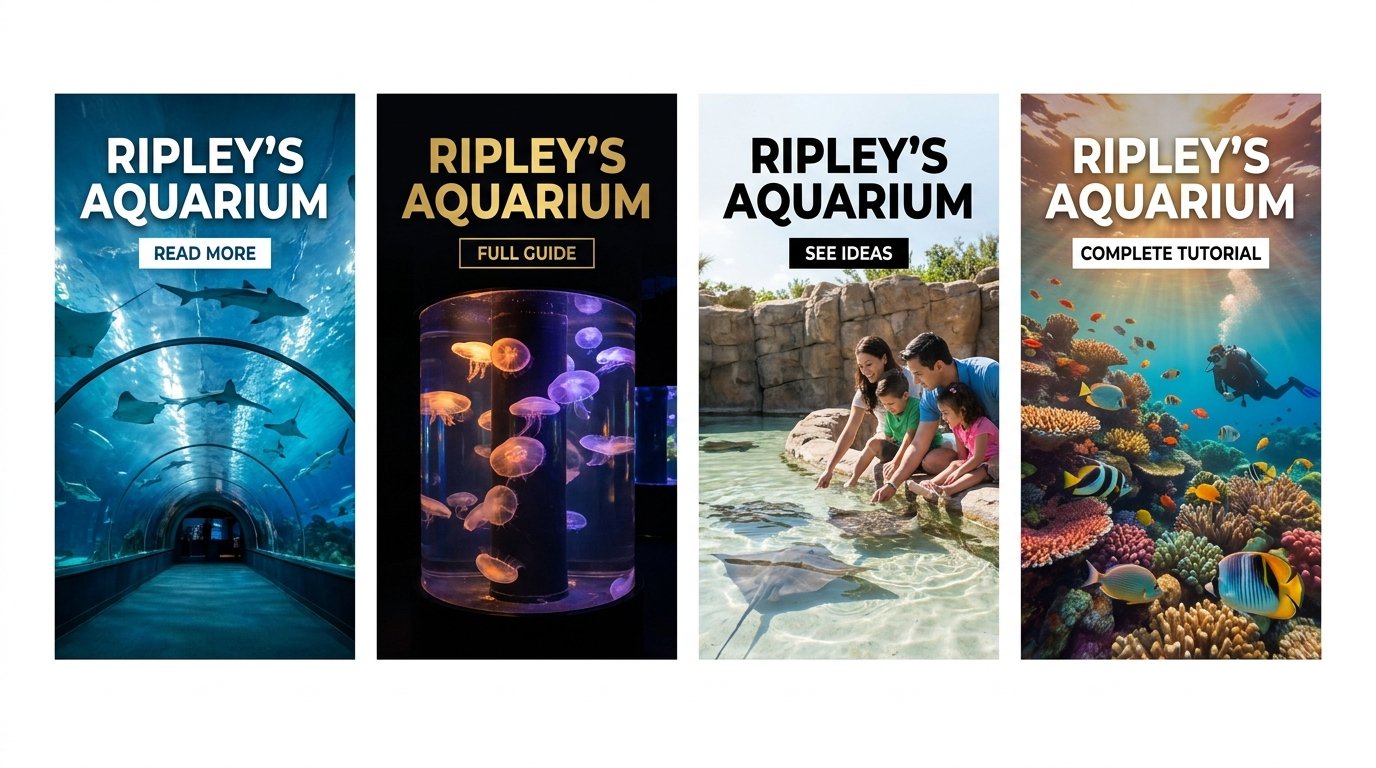
Ripley’s Aquarium is a popular attraction for people who love marine life, colorful fish, sharks, rays, jellyfish, sea turtles, and fascinating underwater environments. The phrase ripleys aquarium can refer to the well-known Ripley’s Aquarium attractions, especially Ripley’s Aquarium of the Smokies in Gatlinburg, Tennessee, and Ripley’s Aquarium of Canada in Toronto. These aquariums are designed to give visitors an exciting look at life beneath the water while combining education, entertainment, and immersive aquarium displays.
Whether you are planning a family visit, looking for aquarium inspiration, or simply interested in marine animals, Ripley’s Aquarium offers plenty of ideas to explore. From enormous shark habitats and tropical reef environments to colorful jellyfish displays and interactive experiences, these aquariums demonstrate how carefully designed aquatic environments can create memorable experiences.
What Is Ripley’s Aquarium?
Ripley’s Aquarium is part of the Ripley’s attraction brand and features large-scale public aquariums where visitors can observe marine and freshwater animals. The aquariums are designed around different aquatic habitats, allowing people to experience underwater ecosystems without actually diving into the ocean.
One of the most famous locations is Ripley’s Aquarium of the Smokies in Gatlinburg, Tennessee. Another major location is Ripley’s Aquarium of Canada in Toronto. Each attraction has its own collection of animals, exhibits, educational programs, and design features.
The main goal is not simply to display fish. Modern public aquariums are designed to teach visitors about aquatic ecosystems, conservation, animal behavior, and the importance of protecting water environments.
Why Is Ripley’s Aquarium So Popular?
There are several reasons why visitors are attracted to Ripley’s Aquarium. The combination of huge tanks, unusual marine animals, underwater tunnels, colorful lighting, and educational exhibits creates an experience that is different from looking at a traditional home aquarium.
For families, aquariums provide an opportunity for children to see animals they may have previously encountered only in books, videos, or photographs. Adults can also enjoy the impressive aquascaping, architectural design, and variety of aquatic species.
The large habitats also allow visitors to observe natural behaviors. Watching a shark glide through a large tank or seeing rays move across the bottom can provide a much stronger impression than seeing the same animals in a small aquarium.
Ripley’s Aquarium of the Smokies
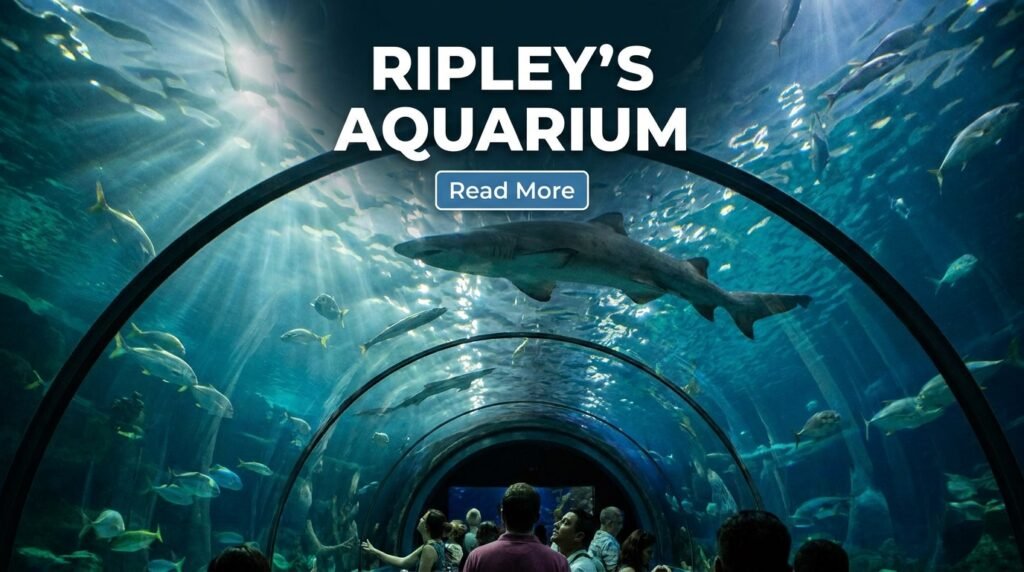
Ripley’s Aquarium of the Smokies is located in Gatlinburg, Tennessee, and is one of the best-known aquarium attractions associated with Ripley’s. It features a variety of aquatic habitats and marine animals.
The aquarium is particularly well known for its large underwater viewing areas and extensive animal exhibits. Visitors can explore different sections of the facility while learning about aquatic environments.
The design is intended to make visitors feel surrounded by water. Large viewing windows provide close-up views of fish and other animals, while carefully designed habitats recreate different aquatic environments.
Ripley’s Aquarium of Canada
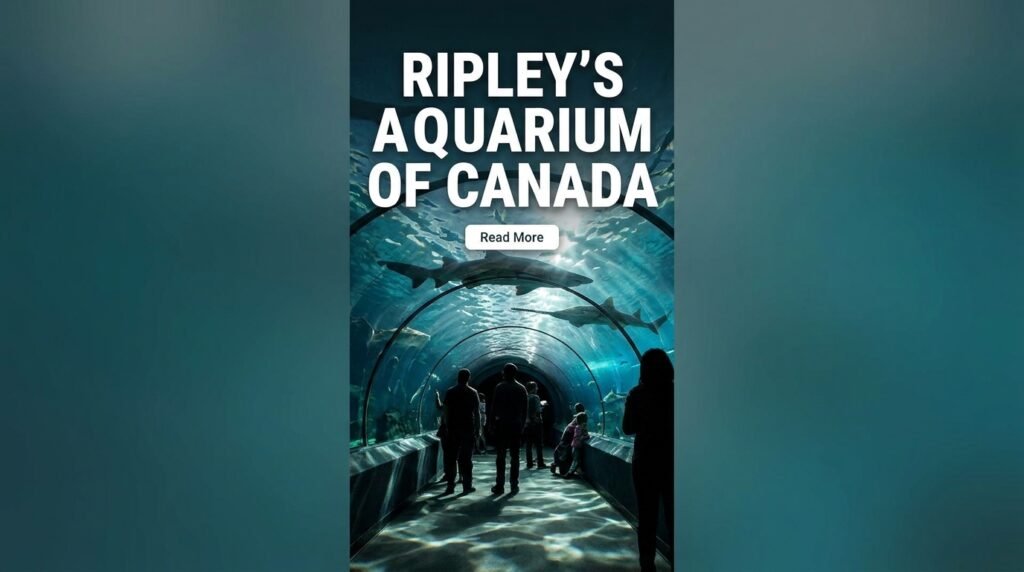
Ripley’s Aquarium of Canada is located in Toronto and offers another major aquarium experience under the Ripley’s name. The facility contains a wide range of aquatic species and habitats.
Its exhibits include freshwater and saltwater environments, tropical species, large marine animals, and colorful reef inhabitants. The aquarium also places considerable emphasis on creating immersive viewing experiences.
One of the most memorable features of a large aquarium is the opportunity to view animals from multiple angles. Instead of simply looking at a tank from the front, visitors may encounter underwater windows, tunnels, and large viewing areas that make the experience feel much more immersive.
What Animals Can You See at Ripley’s Aquarium?
One of the biggest attractions of any public aquarium is its animal collection. Depending on the location and exhibit, visitors may encounter a wide range of fish and aquatic animals.
Some of the animals commonly associated with major Ripley’s aquarium exhibits include:
| Animal or Group | Aquarium Experience |
|---|---|
| Sharks | Large underwater habitats and close-up viewing |
| Rays | Open swimming areas and bottom habitats |
| Jellyfish | Illuminated displays and graceful movement |
| Sea Turtles | Large marine habitats |
| Tropical Fish | Colorful reef environments |
| Seahorses | Smaller specialized displays |
| Eels | Reef and rocky habitat exhibits |
| Freshwater Fish | River and freshwater environments |
| Crustaceans | Specialized aquatic displays |
| Other Marine Life | Educational and themed exhibits |
Animal collections can vary between locations and may change over time, so visitors should check the current exhibit information before planning a specific animal-focused trip.
Shark Exhibits
Sharks are among the most exciting animals to see in a large aquarium. Their size, movement, and unique appearance make them natural attractions for visitors.
A properly designed shark habitat provides plenty of swimming space and carefully controlled water conditions. Large viewing windows allow visitors to watch sharks move through the water without disturbing them.
Shark exhibits are also useful educational tools because they can help correct common misconceptions about these animals. Many shark species play important roles in maintaining healthy marine ecosystems.
Rays and Stingrays
Rays are another popular attraction. Their flat bodies and graceful swimming movements make them particularly interesting to observe.
Some aquarium exhibits are designed so visitors can see rays moving along the bottom or swimming through open water. Their movements can be surprisingly elegant, and they provide a different experience from watching fast-moving fish.
Rays are also a great example of how aquatic animals can have highly specialized body shapes suited to their environments.
Jellyfish Displays
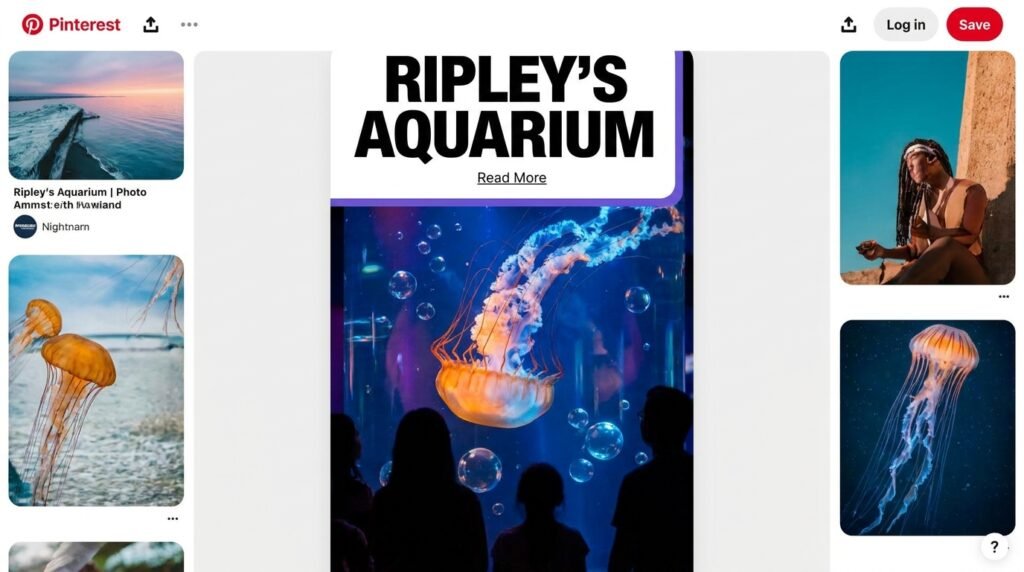
Jellyfish exhibits are often among the most visually attractive parts of a modern aquarium. Their translucent bodies and slow movements create a peaceful underwater atmosphere.
Aquariums frequently use carefully controlled lighting to make jellyfish easier to observe. The combination of dark surroundings and illuminated water can make these displays especially memorable.
Jellyfish are also fascinating from a biological perspective because their simple-looking bodies hide a highly adapted lifestyle.
Tropical Fish and Coral Reef Habitats
Colorful tropical fish are essential to many aquarium displays. Species with bright blue, yellow, orange, red, and striped patterns can create spectacular underwater scenes.
Coral reef environments are particularly popular because they contain enormous biodiversity. A well-designed reef aquarium may include fish, corals, invertebrates, rocks, caves, and other elements that work together to create a natural-looking habitat.
These exhibits can also inspire home aquarium owners. Aquascapers often study public aquariums for ideas about rock placement, plant arrangements, lighting, and the use of open swimming areas.
Freshwater Aquarium Exhibits
Not every aquarium habitat is based on saltwater. Freshwater ecosystems are equally important and can contain an impressive variety of fish and aquatic organisms.
Freshwater exhibits may represent rivers, lakes, wetlands, or tropical freshwater habitats. These environments can include plants, driftwood, rocks, sand, and other natural elements.
For people who maintain freshwater aquariums at home, these exhibits can provide practical inspiration for creating more natural-looking environments.
Underwater Tunnels and Viewing Areas
One of the most exciting features of a large aquarium is the underwater tunnel.
Instead of viewing an aquarium from one side, an underwater tunnel allows visitors to walk through a space surrounded by water. Fish and other animals can swim above and beside visitors, creating the feeling of being underwater.
This type of design is particularly effective for large animals such as sharks, rays, and schools of fish.
Underwater viewing areas can also help visitors appreciate the scale of aquatic habitats. A large tank feels very different from a small home aquarium because animals have much more space to move naturally.
Aquarium Design Inspiration From Ripley’s Aquarium
Ripley’s Aquarium can provide plenty of inspiration for people designing their own aquariums at home.
You do not need an enormous tank to use professional aquarium design principles. Even a small aquarium can benefit from thoughtful layout, natural materials, appropriate lighting, and carefully selected fish.
Some useful ideas include:
Create a Focal Point
A good aquarium usually has one or more focal points. This could be a large piece of driftwood, a rock formation, a decorative structure, or a particularly attractive plant.
Avoid filling every part of the aquarium with decorations. Leaving open swimming areas can make the tank appear larger.
Use Layers
Professional aquariums often create visual depth by arranging objects at different distances.
Place larger structures toward the back or sides and smaller details toward the front. This can create a more natural sense of depth.
Choose Appropriate Lighting
Lighting can dramatically change the appearance of an aquarium. Reef tanks may require specialized lighting, while freshwater planted tanks can use lighting selected according to plant requirements.
For a decorative aquarium, avoid excessive brightness if it causes stress for the fish or encourages algae growth.
Create Natural Habitats
Instead of randomly adding decorations, think about the natural environment of the fish.
A tropical fish aquarium may use plants, rocks, wood, and open swimming space. A rocky habitat may focus more on caves and stone structures.
The goal is to make the aquarium both attractive and suitable for its inhabitants.
Ripley’s Aquarium Ideas for Home Aquariums
You can create a Ripley’s-inspired aquarium without attempting to copy a public aquarium exactly.
A 10-gallon aquarium could focus on a small planted freshwater habitat. A 20-gallon aquarium could provide additional space for community fish. Larger tanks can support more ambitious aquascaping projects.
Some popular concepts include:
- Tropical reef aquarium
- Shark-inspired aquarium theme
- Jellyfish-inspired lighting design
- Freshwater river habitat
- Colorful tropical fish tank
- Natural planted aquarium
- Rocky underwater cave
- Ocean-themed aquarium
- Biotope aquarium
- Large community aquarium
The most important consideration should always be the needs of the fish rather than decoration alone.
Can Ripley’s Aquarium Inspire a Fish Tank Design?
Yes. Public aquariums are excellent sources of design inspiration because they demonstrate how natural habitats can be recreated in controlled environments.
For example, if you enjoy the appearance of a tropical reef exhibit, you could build a smaller reef-inspired aquarium using appropriate livestock and equipment.
If you prefer freshwater habitats, you could create a river-style aquascape with rounded rocks, driftwood, sand, and aquatic plants.
The key is to adapt the concept to the size of your aquarium and the requirements of your animals.
Educational Value of Ripley’s Aquarium
Aquariums can play an important educational role. Seeing aquatic animals in person can make biological concepts easier to understand.
Children can learn about animal adaptations, food chains, ecosystems, habitats, and conservation. Adults may also gain a better appreciation for the complexity of aquatic environments.
Public aquariums can also encourage people to think about pollution, habitat destruction, overfishing, climate change, and other environmental challenges.
Planning a Visit to Ripley’s Aquarium
If you are planning a visit, it is useful to prepare in advance.
Check the aquarium’s current operating information, ticket requirements, exhibits, accessibility information, and visitor guidelines before traveling. Exhibits and animal collections can change, so avoid assuming that a particular animal will always be available.
Families may want to allow several hours for the visit because large aquariums can contain many exhibits.
Comfortable clothing and shoes are also helpful because visitors may spend considerable time walking through the facility.
Best Time to Enjoy an Aquarium
The best time to visit depends on your personal preference and the specific location. Some visitors prefer quieter periods when they can spend more time at viewing windows.
Others enjoy busier times because the aquarium atmosphere feels energetic and exciting.
If you are visiting with young children, consider planning around their energy levels and meal times. A relaxed visit is usually more enjoyable than trying to rush through every exhibit.
Ripley’s Aquarium for Families
Aquariums are particularly suitable for family outings because different age groups can enjoy them in different ways.
Young children may be fascinated by colorful fish and large sharks. Older children can learn about animal behavior and ecosystems. Adults may appreciate the aquarium architecture, conservation information, and detailed habitat design.
Taking time to read exhibit information can make the visit more educational rather than simply treating the aquarium as a sightseeing attraction.
Aquarium Photography Tips
Aquariums can be challenging places for photography because of reflections, low lighting, and moving animals.
If photography is permitted, avoid using flash when it is prohibited by aquarium rules. Try to position your camera close to the glass to reduce reflections.
Wait patiently for animals to move into a good position rather than taking hundreds of random photographs.
Large viewing windows can also provide excellent opportunities for wide photographs showing the scale of an aquarium habitat.
What Home Aquarium Owners Can Learn
One of the biggest lessons from professional aquariums is that good aquarium design begins with animal welfare.
Before purchasing fish, learn about their adult size, behavior, water requirements, diet, compatibility, and minimum tank requirements.
Filtration, water quality, temperature, oxygenation, lighting, and maintenance are all more important than decorative appearance.
A beautiful aquarium is successful only when its inhabitants can live healthy and comfortable lives.
Common Aquarium Mistakes to Avoid
People who are inspired by large public aquariums sometimes try to add too many decorations or fish to their home aquarium.
Avoid overcrowding the tank. Fish require adequate swimming space and stable water conditions.
Another common mistake is choosing fish based only on appearance. A beautiful species may grow too large or have requirements that are unsuitable for your aquarium.
Poor filtration, excessive feeding, insufficient maintenance, and unsuitable tank mates can also create serious problems.
Research the needs of every species before adding it to your aquarium.
Final Thoughts on Ripley’s Aquarium
Ripley’s Aquarium provides an impressive look at aquatic life through large habitats, immersive viewing areas, colorful fish displays, and educational exhibits. Whether you are interested in sharks, rays, jellyfish, tropical fish, freshwater species, or aquarium design, a visit can offer plenty of inspiration.
For home aquarium enthusiasts, the biggest lesson is not simply how impressive a large tank can look. It is how carefully aquatic environments are designed around the needs of their inhabitants.
You can take those same principles and apply them to almost any aquarium size. Focus on suitable livestock, natural habitat design, good water quality, proper filtration, and responsible care. With the right approach, even a small home aquarium can become an attractive and fascinating underwater world.
FAQs About Ripley’s Aquarium
What is Ripley’s Aquarium?
Ripley’s Aquarium is a group of public aquarium attractions featuring marine and freshwater animals, educational exhibits, and immersive underwater environments.
Where are Ripley’s aquariums located?
Major Ripley’s Aquarium attractions include Ripley’s Aquarium of the Smokies in Gatlinburg, Tennessee, and Ripley’s Aquarium of Canada in Toronto.
What animals can you see at Ripley’s Aquarium?
Depending on the location and current exhibits, visitors can see animals such as sharks, rays, jellyfish, tropical fish, sea turtles, freshwater fish, seahorses, and other aquatic species.
Is Ripley’s Aquarium good for children?
Yes. Aquariums can be excellent family attractions because children can observe aquatic animals while learning about habitats, ecosystems, and conservation.
Can I get aquarium ideas from Ripley’s Aquarium?
Yes. Visitors can get ideas for aquascaping, habitat design, lighting, rock placement, underwater tunnels, tropical themes, and natural aquarium layouts.
Can I recreate a Ripley’s Aquarium look at home?
You can create a smaller aquarium inspired by professional aquarium designs. However, the aquarium should be designed around the needs of the fish and other aquatic animals you keep.
Are sharks kept at Ripley’s Aquarium?
Sharks are featured at major Ripley’s aquarium attractions, although specific species and exhibits can vary by location and may change over time.
What makes public aquariums different from home aquariums?
Public aquariums can contain extremely large habitats designed for many species and large animals. Home aquariums are much smaller and require careful stocking based on available space and filtration capacity.
How can I make my aquarium look more natural?
Use appropriate substrate, rocks, driftwood, aquatic plants, natural-looking decorations, suitable lighting, and open swimming areas. Design the aquarium around the natural habitat of the species you keep.
Is aquarium design important for fish health?
Yes. Aquarium design should provide appropriate shelter, swimming space, hiding areas, water movement, and environmental conditions. Appearance should always come after animal welfare and proper care.