
 By admin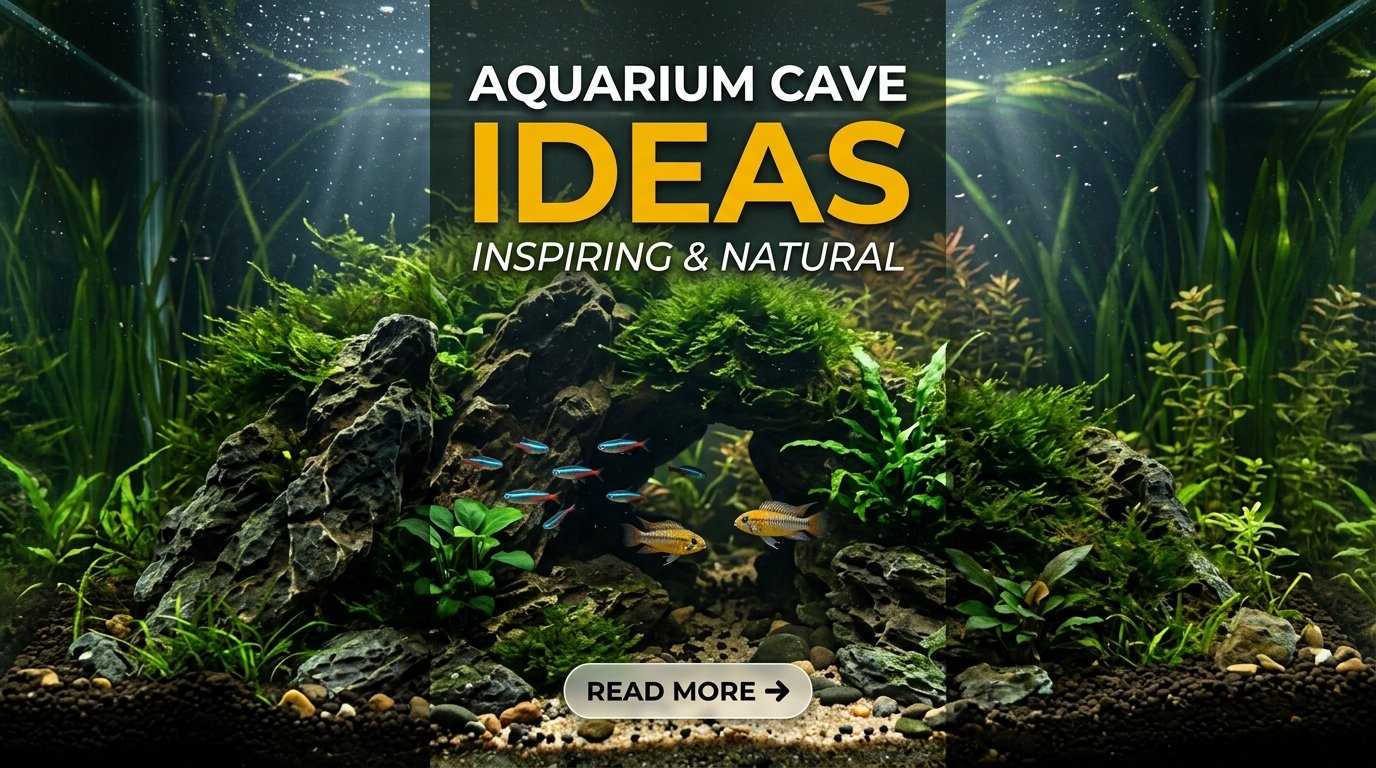
Aquarium cave ideas are perfect for creating a beautiful underwater environment while giving fish safe places to hide, rest, and explore. Aquarium caves can transform an ordinary fish tank into a natural-looking aquascape, a rocky underwater landscape, or a colorful decorative aquarium. From realistic stone caves and driftwood tunnels to planted hideaways and handmade ceramic shelters, there are many ways to design a cave that suits your aquarium.
Caves are not just decorative features. Many fish use sheltered spaces to feel secure, avoid aggressive tank mates, establish territories, or rest away from bright lighting. Bottom-dwelling fish, shrimp, and certain breeding species may particularly benefit from suitable hiding places.
When choosing an aquarium cave, consider the tank size, the species you keep, the materials used, and the amount of swimming space available. A well-designed cave should be stable, free of sharp edges, easy to clean, and large enough for its intended inhabitants.
1. Natural Rock Aquarium Cave
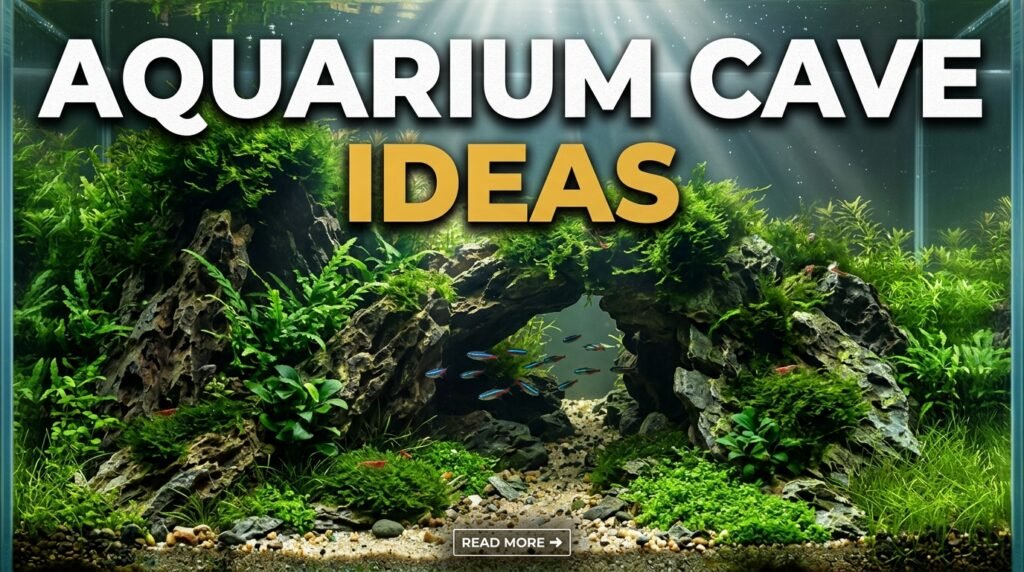
A natural rock cave is one of the most attractive aquarium cave ideas for fishkeepers who prefer a realistic underwater appearance. Smooth stones can be arranged to create sheltered openings that resemble rocky crevices found in rivers and lakes.
Choose aquarium-safe rocks and arrange them securely before adding water. Make sure the structure cannot collapse if fish dig around the substrate or if you perform maintenance. Where appropriate, place stable supporting structures on the aquarium base before adding substrate, following safe aquascaping practices.
Natural rock caves work well in aquariums with sand, gravel, mosses, and hardy plants. Leave enough open space around the rocks so fish can swim freely and food does not become trapped in inaccessible areas.
Avoid collecting unknown rocks from outdoor locations unless you can verify that they are safe for your fish and will not adversely affect the water chemistry.
2. Driftwood Cave for a Natural Aquarium
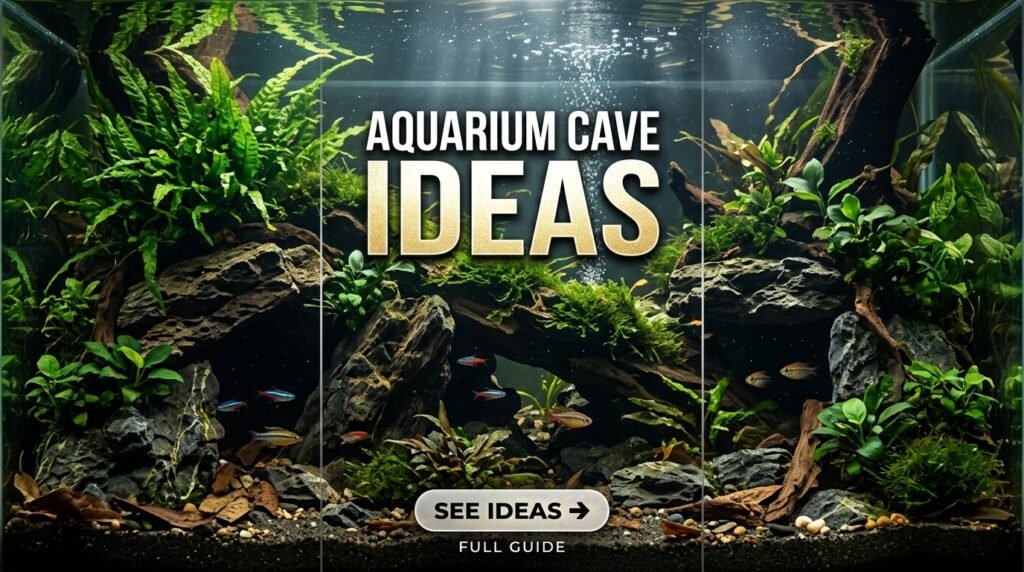
Driftwood creates a warm, natural appearance and can form shaded spaces beneath its branches. A piece with a suitable natural opening can become a cave without requiring a large collection of artificial decorations.
Position the wood so that it creates a sheltered area while leaving enough clearance for fish to move in and out. Attach aquarium-safe moss or suitable plants to the wood for a more natural design.
Use driftwood intended for aquarium use and prepare it according to its type and size. Some pieces may need soaking before use. Never use wood treated with paint, pesticides, preservatives, or other chemicals.
Driftwood caves are particularly attractive in planted aquariums and forest-inspired aquascapes.
3. Ceramic Aquarium Cave
Ceramic caves are practical hiding places available in many shapes and sizes. Their simple appearance can suit natural, minimalist, and species-focused aquariums.
Choose a cave specifically made for aquarium use, with smooth edges and an opening appropriate for the fish. Unglazed aquarium-safe ceramic can create a natural look, while some glazed designs provide colorful decorative options.
Ceramic caves can be useful for bottom-dwelling fish and shrimp, depending on the dimensions and opening. Position them where you can inspect and clean around them without dismantling the entire aquarium.
Do not assume that every ceramic ornament is aquarium-safe. Household pottery may contain unsuitable glazes or materials, so use products designed for aquatic environments.
4. Aquarium Cave with Live Plants
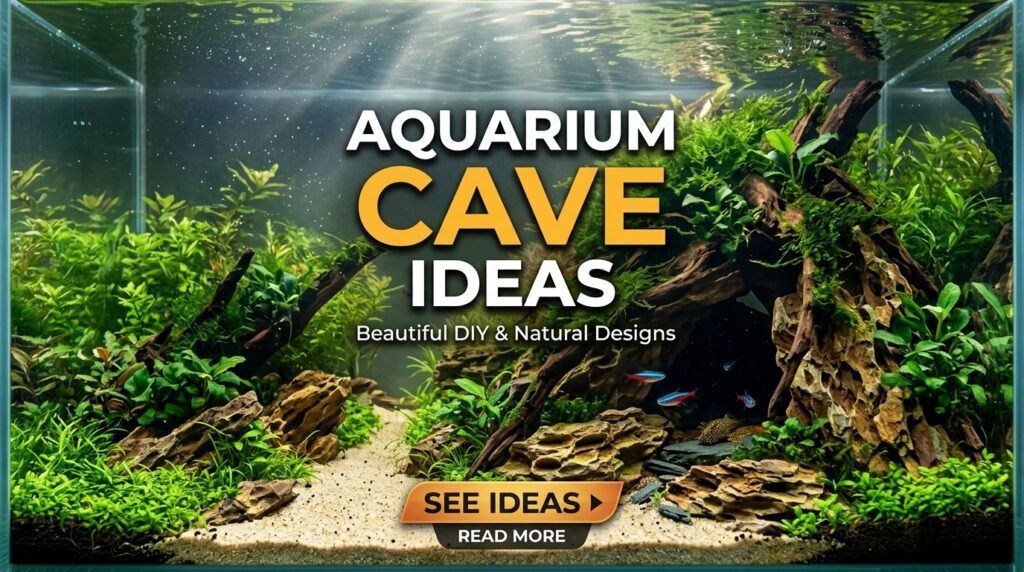
A planted aquarium cave combines shelter with greenery, creating a natural-looking hideaway. This design can be especially attractive in freshwater aquariums with driftwood, rocks, and a dark or sandy substrate.
Place a stable cave among plants such as Anubias, Java fern, and Java moss. These plants can be attached to suitable decorations and may soften the appearance of the cave over time.
Keep the entrance clear so fish can enter and leave without becoming tangled in dense plant growth. Trim plants when necessary and avoid allowing roots or moss to block the opening.
This style is suitable for many peaceful freshwater aquariums, provided the plants, lighting, and water conditions match the needs of the fish.
5. Small Aquarium Cave Ideas
Small aquariums benefit from compact decorations that provide shelter without taking up too much room. A single ceramic cave, a small piece of aquarium-safe driftwood, or a carefully selected rock formation can create an attractive focal point.
Before choosing a cave, compare its dimensions with the aquarium and the adult size of the fish. An ornament that looks small in a store may occupy a substantial portion of a 5- or 10-gallon tank.
Avoid adding multiple bulky caves to a small aquarium. One well-positioned shelter with some plants may be more practical than a crowded arrangement.
Small tanks also require careful monitoring because water quality and temperature can change quickly. Decorations should never replace suitable filtration, maintenance, or adequate swimming space.
6. Aquarium Cave for Betta Fish
Betta fish often appreciate sheltered areas where they can rest and explore. A smooth cave can create a quiet retreat in a properly equipped betta aquarium.
Choose a cave with a wide, smooth entrance and no sharp edges. Avoid narrow openings that could catch a betta’s flowing fins. The interior should provide enough room for the fish to turn around easily.
Position the cave away from strong filter currents and combine it with suitable plants and open swimming space. Bettas also need access to the water surface, so do not arrange decorations in a way that prevents them from reaching it.
A cave is an optional enrichment feature rather than a substitute for a heated, filtered, and appropriately sized aquarium.
7. Aquarium Cave for Guppies
Guppies are active livebearers that enjoy swimming through planted areas and exploring aquarium decorations. A small cave can add visual interest and provide temporary shelter, particularly for fish that are new to the aquarium.
Use smooth caves with open entrances and place them near plants or driftwood. Avoid creating cramped spaces where fish could become trapped or where food and waste accumulate.
Guppies generally spend much of their time in open water rather than remaining inside caves. Therefore, combine a cave with open swimming areas and plants that provide cover without overcrowding the tank.
If you keep male and female guppies together, remember that they reproduce readily. Make sure the aquarium can accommodate the growing population.
8. Aquarium Cave for Corydoras and Kuhli Loaches
Bottom-dwelling fish often benefit from sheltered spaces, but the cave design should match the species.
Corydoras catfish need open substrate for searching for food and should generally be kept in suitable groups. A cave can provide shade, but it should not replace the open floor area they need to forage.
Kuhli loaches are secretive fish that enjoy hiding beneath driftwood, among plants, and inside suitable shelters. Use caves with smooth surfaces and entrances large enough to prevent the fish from becoming stuck.
For both types of fish, avoid sharp stones, unstable structures, and narrow gaps. A soft substrate and several safe hiding options can create a more comfortable environment.
9. Aquarium Cave for Shrimp
Freshwater shrimp often explore small spaces in search of biofilm and other edible material. A shrimp cave can provide shelter, especially in aquariums containing fish that might harass or eat them.
Small ceramic tubes, aquarium-safe rock crevices, and planted shelters can all be useful. Moss attached to the outside of a cave may encourage biofilm growth and create a natural appearance.
Choose materials that are safe for the shrimp species and the water chemistry they require. Avoid copper-containing treatments and unknown decorative coatings.
Shrimp also need good water quality and a suitable diet. A cave provides shelter, but it does not replace regular maintenance or species-appropriate care.
10. Stacked Stone Aquarium Cave
Stacked stone caves create a dramatic rocky appearance and can resemble underwater cliffs or crevices. They are often used in aquariums inspired by rocky shorelines and habitats occupied by territorial fish.
Stability is essential. Rocks should not depend on loose substrate for support, and heavy structures must not be able to topple when fish dig or when you clean the tank.
Use aquarium-safe stones and build the structure carefully before introducing livestock. Avoid unstable overhangs and tiny gaps that could trap fish.
For a natural appearance, combine the rockwork with a suitable substrate and limited plant growth. Leave enough room for water circulation and cleaning.
11. Aquarium Cave with a Tunnel Entrance
A tunnel-style cave creates an interesting feature because fish can enter from one side and emerge from another. It can also make a small aquascape appear deeper and more complex.
Choose a tunnel with wide, smooth openings and enough internal space for the intended species. Make sure the structure is easy to inspect and does not contain hidden pockets where waste can accumulate.
Tunnel caves work well with natural rock designs, ceramic ornaments, and driftwood arrangements. Keep the entrances visible and avoid blocking them with plants or other decorations.
For small fish, the opening should be wide enough to prevent them from becoming trapped if they grow or change direction inside the tunnel.
12. Aquarium Cave with a Castle Theme
A castle cave can give an aquarium a fantasy-inspired appearance. These decorations often include arches, towers, and openings that serve as hiding places.
Choose a castle ornament made specifically for aquarium use. Check that it has no sharp edges, peeling paint, exposed metal, or narrow openings that could trap fish.
In a small tank, use one castle as the main focal point and keep the remaining decorations simple. In a larger aquarium, you can combine the castle with plants, substrate, and natural stones to create a balanced scene.
Although castle ornaments can be visually appealing, the fish’s safety and swimming space should remain the priority.
13. Black Aquarium Cave Design
Black caves can create a dramatic contrast against light sand, green plants, and colorful fish. They suit modern aquariums and minimalist aquascapes.
Choose a matte black ceramic or aquarium-safe resin cave with smooth edges. Position it against a dark background or surround it with plants to make the structure blend naturally into the layout.
Dark decorations can make bright fish stand out, but ensure that the aquarium still has sufficient lighting for its plants and that fish have access to open swimming space.
Avoid painted household objects or ornaments with coatings that have not been confirmed as aquarium-safe.
14. Aquarium Cave with Sand and Driftwood
Combining sand and driftwood creates a peaceful, natural-looking aquarium cave. This design works especially well in freshwater aquariums where fish forage near the bottom or prefer shaded areas.
Use fine, aquarium-safe sand and position driftwood to form a stable shelter. Add a few smooth stones around the base and place plants toward the back or sides.
Keep the entrance free of sand buildup and check the structure during maintenance. If fish dig around the cave, make sure the wood or stones cannot shift or collapse.
This design can be adapted for many peaceful aquariums, provided the selected fish are compatible with the substrate and water conditions.
15. DIY Aquarium Cave Ideas
Creating a homemade aquarium cave can be a budget-friendly way to personalize a fish tank, but material safety is essential.
Potential options include purpose-made aquarium ceramic tubes, aquarium-safe PVC components where appropriate, and carefully constructed rock shelters. All materials should be clean, non-toxic, and free from chemical residues.
If using PVC, select suitable aquarium-safe material, remove rough edges, and ensure that the structure cannot trap fish. Secure all components so they cannot separate or collapse.
Avoid using cement, glue, paint, metal parts, or household objects unless their suitability for continuous aquarium immersion has been confirmed. Some products may release harmful substances even if they appear dry or harmless.
Never place a DIY cave in the aquarium until you have checked its material, construction, and openings for safety.
16. Best Materials for Aquarium Caves
Choosing suitable materials is one of the most important steps in building a safe cave.
| Material | Benefits | Important considerations |
|---|---|---|
| Aquarium-safe ceramic | Durable and available in many shapes | Check the glaze and openings |
| Aquarium-safe resin | Lightweight and decorative | Confirm that it is designed for aquarium use |
| Suitable natural stone | Realistic appearance | Check stability and possible effects on water chemistry |
| Aquarium driftwood | Natural texture and shade | Prepare properly and secure the structure |
| Aquarium-safe PVC | Useful for simple tunnels | Smooth edges and secure all parts |
| Purpose-made rock shelters | Natural appearance and hiding spaces | Ensure the structure is stable |
Do not use sharp glass, treated wood, unknown metals, painted household decorations, or materials that may dissolve or release chemicals into the water.
17. How to Place Aquarium Caves Correctly
The placement of a cave affects both the appearance of the aquarium and the safety of its inhabitants.
Start by choosing a location that does not block the filter intake or restrict water circulation. Leave enough space around the decoration for cleaning and inspection.
Position caves toward the back or sides if you want to preserve an open swimming area in the foreground. In a species-focused aquarium, you can provide several shelters in different parts of the tank.
If you keep territorial fish, multiple hiding places may help reduce competition. However, caves alone cannot make incompatible species safe to house together.
Check every opening before adding fish. The intended occupant must be able to enter, turn around, and leave without difficulty.
18. Common Aquarium Cave Mistakes to Avoid
One common mistake is choosing a cave based only on appearance. A beautiful ornament may have sharp edges, unsafe paint, or narrow openings that can injure fish.
Another mistake is building a tall rock structure without securing it. Rocks can shift when fish dig around the base, potentially crushing animals or damaging the aquarium glass.
Oversized caves can also reduce swimming space, especially in small tanks. Measure the decoration before adding it and consider the adult size of the fish.
Finally, do not assume that a cave eliminates the need for maintenance. Waste can collect inside shelters, so choose a design that allows inspection and cleaning.
Frequently Asked Questions
Do aquarium fish need caves?
Not every species requires a cave, but many fish benefit from sheltered areas. Hiding places can help fish feel secure, reduce exposure to bright lighting, and provide resting areas.
What is the best material for an aquarium cave?
Aquarium-safe ceramic, suitable resin, properly prepared driftwood, and verified aquarium-safe rocks are common choices. Always check the material and construction before placing it in the tank.
Can I make my own aquarium cave?
Yes. You can create a DIY cave from appropriate aquarium-safe materials, such as suitable ceramic components or PVC. Ensure the structure is stable, non-toxic, and free from sharp edges or trapping points.
Are aquarium caves suitable for betta fish?
Yes, a smooth cave with a wide opening can provide a betta with shelter. Avoid sharp edges and narrow spaces that may damage its fins, and ensure the fish can easily reach the water surface.
Are caves good for guppies?
Caves can add shelter and variety to a guppy aquarium, although guppies generally spend more time swimming in open water. Combine a cave with plants and open swimming space.
How many caves should I put in my aquarium?
The appropriate number depends on the tank size and species. One well-designed cave may be enough for a small aquarium, while territorial fish may benefit from multiple shelters in a larger setup.
Can aquarium caves affect water quality?
Aquarium-safe caves should not release harmful substances, but waste may collect inside them. Clean around the decorations and check the material for damage or deterioration.
Do shrimp use aquarium caves?
Yes. Many freshwater shrimp explore small shelters and crevices. Small ceramic tubes, safe rock gaps, and planted hideaways can provide useful cover.
Can I use ordinary rocks to build an aquarium cave?
Only if you can verify that the rocks are suitable for aquarium use. Some rocks may change water chemistry, while unstable or sharp rocks can injure fish or damage the tank.
Are artificial aquarium caves safe?
They can be safe when specifically designed for aquarium use and free of sharp edges, harmful coatings, and trapping openings. Inspect new decorations carefully before adding them.
Conclusion
Aquarium cave ideas offer an easy way to improve the appearance and functionality of a fish tank. From natural rock shelters and driftwood tunnels to ceramic caves, planted hideaways, and creative DIY designs, there are options for almost every aquarium style.
The best cave is one that suits your fish, fits your aquarium, and provides safe shelter without reducing swimming space too much. Choose verified aquarium-safe materials, secure heavy decorations, check every opening, and keep the structure clean.
With careful planning, an aquarium cave can become a beautiful focal point while giving your fish a more comfortable and interesting environment.