
 By admin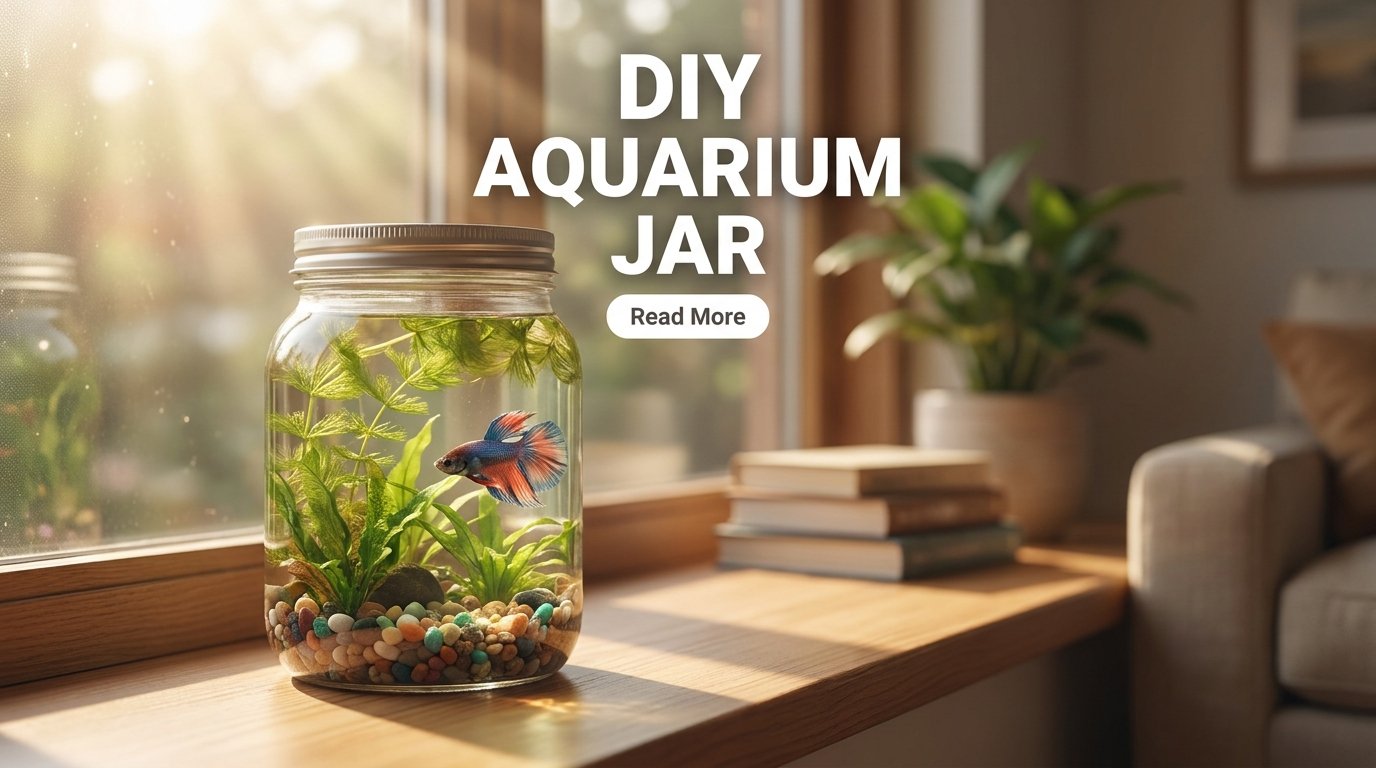
An aquarium in a jar is a simple and creative way to bring a small aquatic environment into your home without needing a traditional fish tank. A glass jar can be transformed into a miniature underwater garden using aquatic plants, natural stones, gravel, moss, and other suitable materials. These tiny displays are especially popular with people who enjoy aquascaping, DIY projects, desktop decorations, and small-space aquarium ideas.
Although a jar may look like a miniature aquarium, it is important to understand that not every jar is suitable for keeping fish. Most ordinary jars are too small to provide stable water conditions for fish, and many do not have adequate filtration or oxygen exchange. For this reason, an aquarium in a jar is often better designed as a planted aquatic ecosystem, shrimp habitat where appropriate, or decorative aquatic plant display.
With thoughtful planning, even a very small glass container can become an attractive miniature underwater world.
What Is an Aquarium in a Jar?
An aquarium in a jar is a small aquatic setup created inside a glass jar or similar transparent container.
Unlike a conventional aquarium, it usually has very limited space and may not use a filter, heater, or other standard aquarium equipment. Instead, the design often focuses on aquatic plants, natural materials, and simple biological processes.
These setups can range from extremely simple jars containing a single aquatic plant to more elaborate miniature aquascapes featuring substrate, rocks, wood, moss, and small aquatic organisms.
The most important thing is to match the inhabitants and design to the size and limitations of the container.
Can You Keep Fish in an Aquarium in a Jar?
In most cases, keeping fish in a typical jar is not recommended.
Fish need adequate swimming space, stable water parameters, oxygenation, filtration, and appropriate temperature. A small jar does not provide enough water volume to maintain these conditions reliably.
Betta fish are sometimes marketed as suitable for jars, but a decorative jar should not be treated as an adequate long-term aquarium simply because a fish can physically fit inside it.
If you want to keep fish, choose a properly sized aquarium with appropriate filtration and equipment.
A jar is generally better suited to plants, aquatic microorganisms, or carefully selected small organisms where their welfare requirements can genuinely be met.
Aquarium in a Jar Without Fish
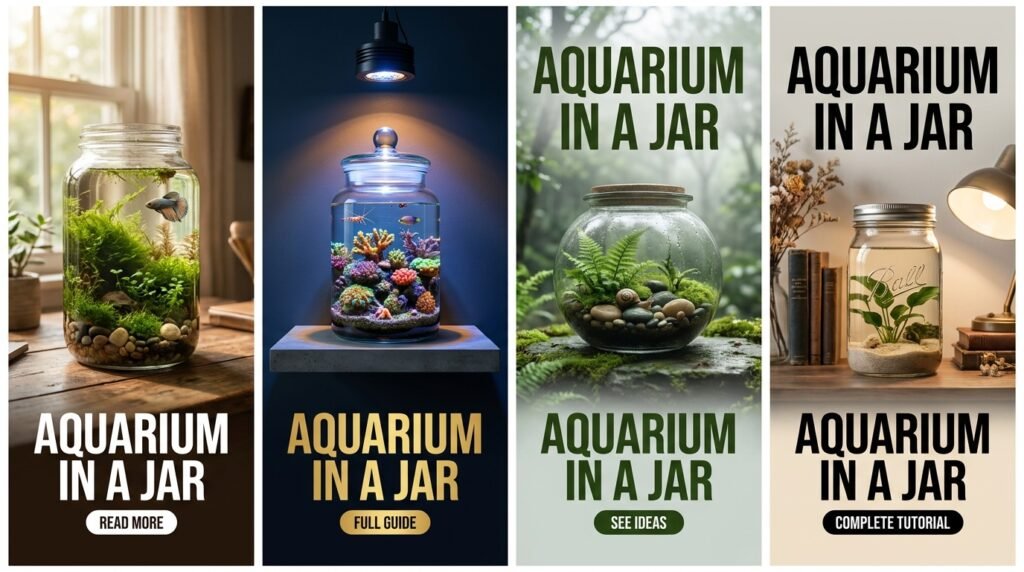
A fish-free jar can be one of the easiest and safest ways to explore miniature aquascaping.
You can create a beautiful display using:
- Aquatic plants
- Moss
- Gravel
- Sand
- Small rocks
- Driftwood
- Aquatic soil
- Decorative natural materials
The result can look like a tiny underwater landscape.
Because there are no fish producing significant amounts of waste, maintenance can sometimes be simpler. However, water quality, algae, plant health, and oxygen levels still need attention.
Best Plants for an Aquarium in a Jar
Plants are usually the main attraction in a jar aquarium.
The best plants depend on the type of setup, available light, and whether the jar is open or closed.
Java Moss
Java moss is popular for miniature aquatic landscapes because it can attach to rocks and wood and create a soft, natural appearance.
It can also provide texture and hiding areas for tiny aquatic organisms.
Anubias
Small Anubias varieties can work well in larger jars or open miniature aquariums.
They are relatively slow-growing and can tolerate lower-light conditions.
Java Fern
Small Java fern plants can also be used in suitable larger containers. Their distinctive leaves create a natural focal point.
Bucephalandra
Bucephalandra is another popular plant for small aquascapes. Its compact growth and interesting leaf shapes make it attractive in miniature displays.
Dwarf Hairgrass
In an appropriately sized and illuminated setup, dwarf hairgrass can create a grass-like foreground.
However, carpeting plants can require more light and care than simpler low-tech plants.
Creating an Aquarium in a Jar
Creating a miniature aquatic jar does not have to be complicated.
Start by selecting a clean glass container. Avoid containers that previously held chemicals or substances that could be harmful to aquatic life.
Add a thin layer of suitable aquarium substrate. Depending on your design, this could be gravel, sand, or planted-tank soil.
Next, arrange small rocks, wood, or other aquarium-safe materials.
Add your plants carefully and fill the jar slowly with conditioned water. Pouring water too quickly can disturb the substrate and uproot plants.
Finally, place the jar somewhere with appropriate light.
Simple Aquarium in a Jar Setup
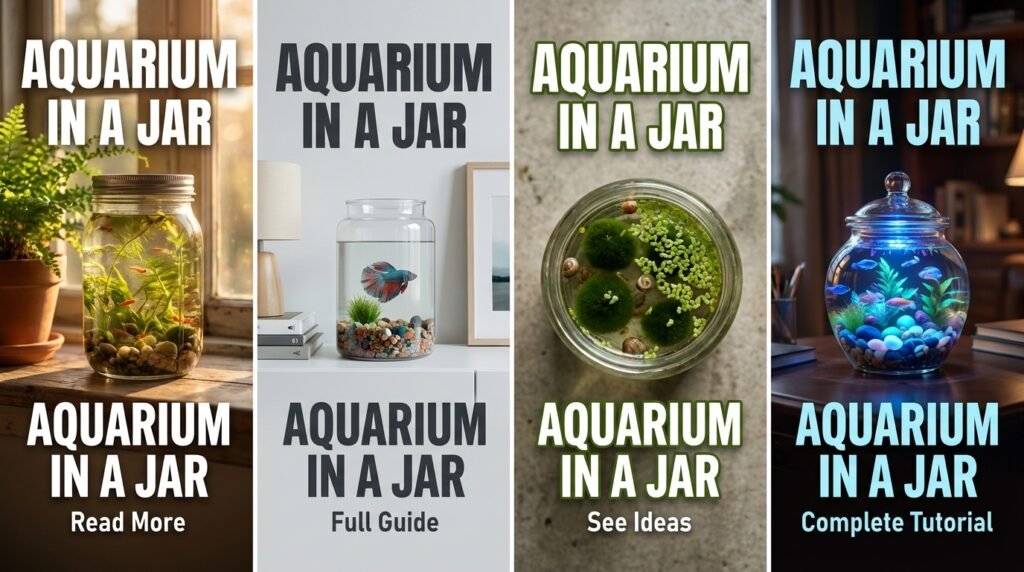
A beginner-friendly setup can be very simple.
You might use:
| Material | Purpose |
|---|---|
| Glass jar | Main container |
| Aquarium gravel | Base and plant support |
| Aquatic plant | Main living element |
| Small rock | Hardscape |
| Conditioned water | Aquatic environment |
| Aquarium light | Supports plant growth |
You do not need dozens of decorations. A simple arrangement often looks more natural.
Aquarium in a Jar With Moss
Moss is one of the best choices for miniature aquatic displays.
You can attach moss to a small rock or piece of aquarium-safe wood. Over time, the moss can grow across the surface and create the appearance of a tiny underwater forest.
Moss also works well for creating miniature landscapes because it does not require a large amount of vertical space.
Keep the lighting appropriate and trim excessive growth when necessary.
Aquarium in a Jar With Shrimp
Some larger jars may potentially be used for carefully planned shrimp setups, but this requires considerably more attention than a simple plant jar.
Shrimp need stable water conditions, adequate oxygen, suitable temperature, food, and enough surface area for grazing and hiding.
A very small jar can experience rapid changes in water chemistry, making it unsuitable for long-term shrimp keeping.
If you want a shrimp aquarium, a properly filtered nano aquarium is usually a better choice than a tiny decorative jar.
Open Jar Aquarium
An open jar is often easier to maintain than a completely sealed container.
An open top allows easier gas exchange and makes it simpler to perform water changes, trim plants, remove debris, and inspect the setup.
Open jars can also be easier to manage when plants grow above the waterline.
For beginners, an open aquatic plant jar is generally a practical starting point.
Closed Aquarium Jar
Closed jars are often associated with miniature ecosystems and terrariums.
A sealed aquatic environment is more difficult to manage because gas exchange, condensation, temperature, and biological balance become important factors.
A completely sealed jar should not automatically be considered a self-sustaining aquarium.
The container can develop problems such as algae growth, oxygen imbalance, plant decay, or excessive condensation.
If you experiment with a closed jar, it is generally better to focus on an appropriate planted ecosystem rather than adding fish.
Aquarium in a Jar With Rocks
Small rocks can dramatically improve the appearance of a miniature aquarium.
Choose aquarium-safe rocks and avoid materials that can release unwanted substances into the water.
Arrange one larger rock as the focal point and use smaller stones around it. This creates a more natural composition than scattering identical rocks randomly.
You can also create a small cave or rocky slope if the jar is large enough.
Aquarium in a Jar With Sand
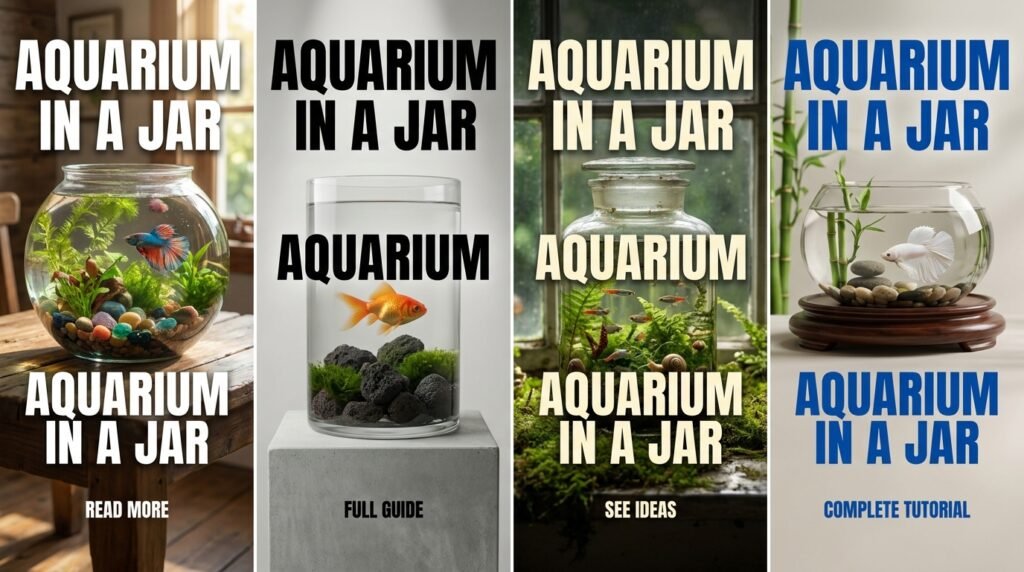
Sand can create a clean and natural-looking base.
Light-colored sand can make green plants stand out, while darker substrates can create a dramatic appearance.
When using sand, avoid creating an excessively thick layer in a tiny container because compacted substrate can develop unwanted areas with poor water circulation.
A thin, carefully arranged substrate layer is often enough for a decorative jar aquarium.
Miniature Aquascape in a Jar
An aquarium in a jar can be treated like a miniature aquascape.
One useful approach is to create three visual areas:
- Foreground
- Middle ground
- Background
Place low-growing plants in the front, medium-sized plants or rocks in the center, and taller plants toward the back.
This creates depth even though the container is very small.
Avoid making everything symmetrical. Natural-looking arrangements often appear more attractive when they have slight asymmetry.
Best Jar Shapes for Aquarium Projects
The shape of the jar can affect both appearance and maintenance.
Wide-mouth jars are generally easier to work with because your hand can reach inside for planting and cleaning.
Tall narrow jars can create an interesting visual effect but can be difficult to maintain.
Round jars provide a classic decorative appearance, while square or rectangular glass containers can provide more usable planting space.
Always choose a container that provides enough room to maintain the intended ecosystem.
Lighting for an Aquarium in a Jar
Lighting is important when keeping aquatic plants.
Place the jar in an area with suitable indirect light or use an appropriate aquarium light.
Avoid strong direct sunlight through a window. Direct sunlight can cause the water to heat rapidly and encourage algae growth.
A consistent lighting schedule is usually better than leaving the jar illuminated continuously.
If algae begins covering the glass or plants, reduce the amount or intensity of light and review nutrient levels.
Water for a Jar Aquarium
Water quality is extremely important even in a tiny aquarium.
Tap water may contain chlorine or chloramine that can harm aquatic organisms. If you are keeping living aquatic animals, use an appropriate water conditioner according to the product instructions.
For plant-only jars, water requirements may be less demanding, but using clean and suitable water is still important.
Avoid completely replacing the water unnecessarily. Small, controlled water changes can be preferable to dramatic changes when maintaining a living aquatic environment.
How to Maintain an Aquarium in a Jar
Small containers can look easy to maintain, but their limited water volume means changes can happen quickly.
A basic maintenance routine includes:
- Checking the water appearance
- Removing dead leaves
- Cleaning algae when necessary
- Trimming overgrown plants
- Replacing evaporated water
- Performing small water changes when appropriate
- Checking for signs of plant decay
- Monitoring any animals carefully
If you notice cloudy water, foul odors, excessive algae, or dying plants, investigate the cause instead of simply adding more decorations.
Common Problems With Jar Aquariums
Algae Growth
Too much light and excess nutrients can encourage algae.
Reduce excessive lighting and remove algae manually when necessary.
Cloudy Water
Cloudiness can result from bacterial activity, disturbed substrate, decaying material, or other water-quality problems.
Allowing a new setup time to stabilize can help, but persistent cloudiness should be investigated.
Plant Melting
Some aquatic plants may lose old leaves after being moved into a new environment. New growth is usually a better indicator of long-term plant health.
Bad Odor
A strong unpleasant smell can indicate excessive organic waste or plant decay. Remove dead material and assess the overall condition of the setup.
DIY Aquarium in a Jar Ideas
There are many creative ways to customize a jar aquarium.
Forest-Inspired Jar
Use moss, small rocks, and wood to create a miniature underwater forest.
Minimalist Jar
Use one attractive plant, a simple substrate, and a single piece of stone.
Mountain-Inspired Jar
Arrange rocks at different heights to create the appearance of an underwater mountain landscape.
Jungle Jar
Combine several types of aquatic plants to create a dense green environment.
Zen Aquarium Jar
Use clean sand, carefully positioned rocks, and minimal plants for a peaceful design.
Aquarium in a Jar for a Desk
A small planted jar can make an attractive desktop decoration.
It takes up little space and can add a natural element to a workspace.
However, avoid placing the jar directly beside electronics where accidental spills could cause damage.
A stable surface away from direct sunlight is generally a better location.
Aquarium in a Jar for Small Spaces
People living in small apartments or homes may appreciate miniature aquatic displays because they require very little physical space.
A jar can fit on a shelf, desk, windowsill, or decorative table, depending on its design and lighting requirements.
However, small size should not be confused with zero maintenance. Even tiny aquatic ecosystems need observation and care.
Safety Tips
Always use a clean container intended for safe use.
Avoid jars that previously contained toxic chemicals, solvents, pesticides, or other hazardous substances.
Place the jar on a stable surface where it cannot easily be knocked over.
If using an electrical light, keep electrical connections away from water and follow appropriate safety practices.
Never add fish simply because they are small enough to fit physically inside the jar. Aquarium size should be determined by the animal’s actual care requirements.
Aquarium in a Jar vs. Traditional Aquarium
A jar aquarium and traditional aquarium serve different purposes.
A traditional aquarium is designed to provide a controlled habitat for aquatic animals and generally offers better options for filtration, heating, aeration, and maintenance.
A jar aquarium is more suitable as a miniature planted display.
If your primary goal is keeping fish, choose a properly sized aquarium. If your goal is creating a tiny underwater landscape, a jar can be an excellent creative project.
Final Thoughts
An aquarium in a jar can be a beautiful, inexpensive, and creative way to explore miniature aquascaping. With a suitable glass container, aquatic plants, substrate, rocks, and proper lighting, you can create a small underwater landscape that adds natural beauty to a desk, shelf, or room.
The most important rule is to avoid treating a tiny jar as a conventional fish tank. Fish require adequate space and stable environmental conditions, while small jars are generally better suited to plants and carefully selected miniature aquatic ecosystems.
Keep the design simple, choose suitable materials, control the lighting, monitor water quality, and remove unhealthy plant material when necessary. With patience and regular observation, even a small glass jar can become an attractive living aquatic display.
FAQs About Aquarium in a Jar
Can you make an aquarium in a jar?
Yes. You can create a small aquatic plant display using a glass jar, suitable substrate, aquatic plants, rocks, and conditioned water.
Can fish live in an aquarium in a jar?
Most jars are not suitable for keeping fish long term. Fish need adequate swimming space, stable water conditions, oxygenation, filtration, and appropriate environmental conditions.
What plants are best for an aquarium in a jar?
Java moss, small Anubias, Java fern, Bucephalandra, and other suitable low-maintenance aquatic plants can work well depending on the jar size and lighting.
Can I put shrimp in a jar aquarium?
Only if the container is genuinely large and stable enough for the particular shrimp species and can maintain suitable water conditions. A properly equipped nano aquarium is generally a safer choice.
Does an aquarium in a jar need a filter?
A simple plant-only jar may not require a conventional filter, but adding animals changes the requirements considerably. Fish and other aquatic animals should be kept in environments with appropriate filtration and oxygenation.
Can an aquarium in a jar be completely sealed?
Some miniature ecosystems can be experimented with in sealed containers, but they are difficult to balance and are not suitable for fish. An open jar is generally easier to maintain.
How often should I change the water in a jar aquarium?
There is no single schedule for every jar. Monitor water quality, plant health, algae, and evaporation, and perform appropriate partial water changes rather than automatically replacing all the water.
Why is my jar aquarium getting algae?
Excessive light and available nutrients are common causes. Reduce excessive lighting, remove algae, and check whether decaying plant material or excess nutrients are contributing to the problem.
Can I use a regular kitchen jar?
You can use a clean glass jar for a plant-focused project if it is made from suitable material and has never contained harmful chemicals. A wide-mouth jar is usually easier to work with.
Is an aquarium in a jar good for beginners?
Yes, especially as a plant-focused aquascaping project. It is a simple way to learn about aquatic plants, substrate, lighting, algae, and miniature ecosystem design without starting with a large aquarium.