
 By admin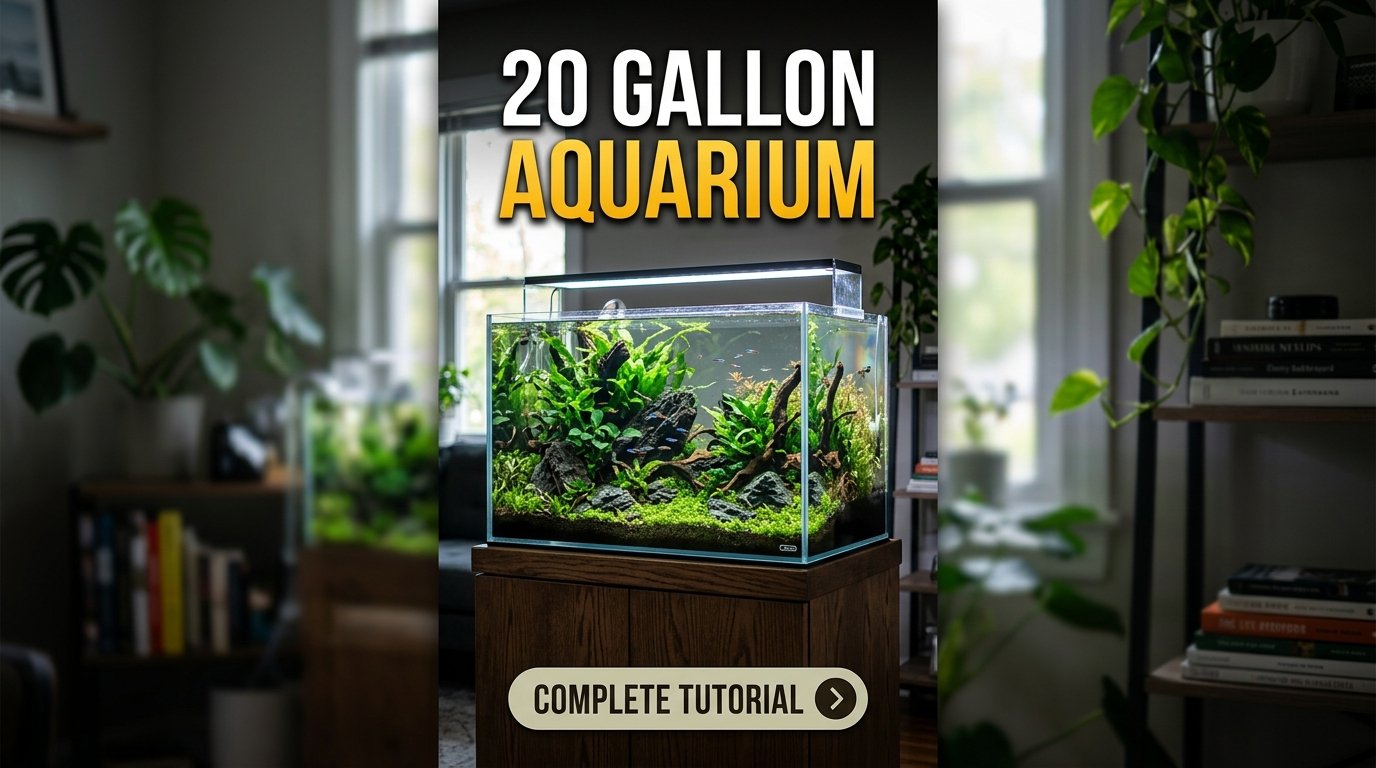
A 20 gallon aquarium is an excellent choice for beginners and experienced fishkeepers who want a versatile fish tank that offers enough space for a beautiful underwater environment. It provides room for colorful freshwater fish, live aquatic plants, natural decorations, and creative aquascaping while remaining manageable for most homes. Whether you want a peaceful community tank, a colorful guppy aquarium, a planted nature aquarium, or a minimalist aquascape, a 20 gallon aquarium offers many exciting possibilities.
One of the biggest advantages of a 20 gallon fish tank is its flexibility. You can create different environments depending on your preferred fish species, available space, budget, and maintenance experience. However, choosing the right aquarium size, filtration system, heater, substrate, and compatible fish is essential for building a healthy and attractive setup.
1. What Is a 20 Gallon Aquarium?
A 20 gallon aquarium is a fish tank designed to hold approximately 20 US gallons of water, equivalent to about 75.7 liters before accounting for substrate, decorations, and equipment. The actual water volume will be lower once the aquarium is fully set up.
There are two common styles: the standard 20 gallon aquarium and the 20 gallon long aquarium.
A standard 20 gallon tank is usually taller, while a 20 gallon long tank provides more horizontal swimming space. The long version is often useful for fish that prefer to swim across the aquarium rather than up and down.
| Aquarium feature | Approximate information |
|---|---|
| Nominal capacity | 20 US gallons |
| Equivalent volume | 75.7 liters |
| Standard tank dimensions | Often around 24 × 12 × 16 inches |
| 20 gallon long dimensions | Often around 30 × 12 × 12 inches |
| Suitable uses | Community fish, planted tanks, guppies, shrimp |
| Experience level | Beginner to advanced |
| Typical equipment | Filter, lighting, heater when needed, thermometer |
Dimensions vary by manufacturer, so measure your actual tank before buying a stand, lid, or lighting system.
2. Best 20 Gallon Aquarium Setup Ideas
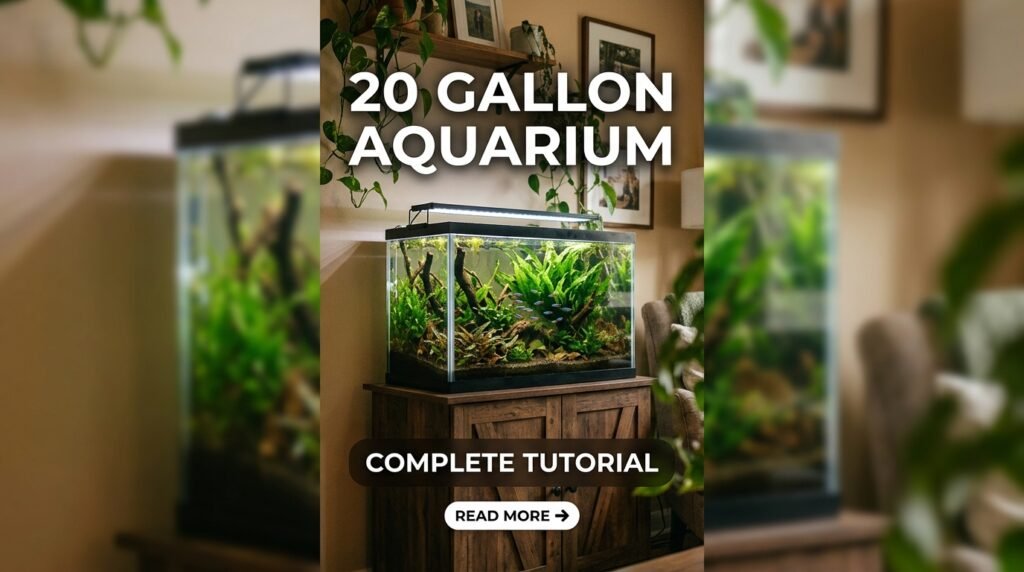
A 20 gallon tank can support many different styles. Your ideal setup depends on whether you prefer colorful fish, a natural landscape, or a low-maintenance decorative aquarium.
Freshwater Community Aquarium
A freshwater community aquarium combines compatible fish that occupy different parts of the tank. You might choose small schooling fish for the middle and upper levels, along with a suitable bottom-dwelling species.
Use live plants, driftwood, and smooth stones to create a natural appearance. Leave open swimming space so the fish can move comfortably.
Research every species before combining them. Fish that appear peaceful in a shop may have different temperature, water chemistry, or social requirements.
Guppy Aquarium
Guppies are popular choices for a 20 gallon aquarium because of their bright colors, flowing tails, and active behavior.
A planted setup with Java moss, Java fern, and floating plants can provide shelter for fry and create a beautiful background. Guppies also display well against dark substrate or a plain background.
Remember that guppies reproduce readily. If males and females are kept together, the population can increase quickly. Plan for additional tanks or responsible rehoming if necessary.
Planted Nature Aquarium
A planted aquarium focuses on aquatic plants, natural stones, driftwood, and a balanced layout. A 20 gallon long tank is particularly useful because its horizontal dimensions allow you to create depth.
Place taller plants toward the back, medium-sized plants in the middle, and shorter plants near the foreground. Arrange rocks and driftwood to guide the viewer’s eye through the aquascape.
Choose plants according to your lighting and maintenance preferences. Beginner-friendly options include Anubias, Java fern, and many Cryptocoryne varieties.
Betta Aquarium
A 20 gallon aquarium can provide a spacious environment for a single betta fish. A planted layout with broad-leaved plants, shaded areas, and gentle water movement can create a comfortable habitat.
Bettas need access to the water surface, suitable warm water, and a secure lid because they can jump. Avoid strong currents that make swimming difficult.
Do not assume that a larger tank makes every tankmate suitable. Some fish may nip fins, compete for space, or stress the betta. A single-betta setup is often the simplest choice.
Shrimp Aquarium
A 20 gallon aquarium can make an attractive freshwater shrimp habitat. Colorful Neocaridina shrimp, mosses, small plants, and natural wood can create a detailed miniature ecosystem.
Provide stable water conditions, suitable filtration, and plenty of surfaces where biofilm can grow. A sponge filter or a filter with an appropriately protected intake can help prevent baby shrimp from being drawn into the equipment.
Shrimp are sensitive to certain water treatments and sudden changes in water chemistry, so test the water and research the requirements of the specific shrimp species.
3. Best Fish for a 20 Gallon Aquarium
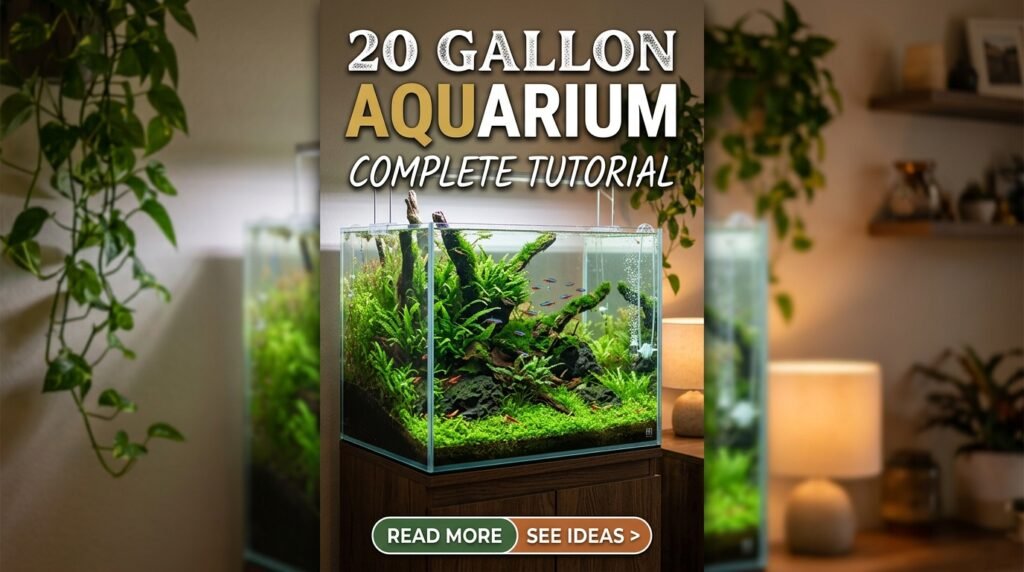
A 20 gallon aquarium can house several types of small freshwater fish, but the correct stocking plan depends on adult size, behavior, swimming needs, filtration, and water quality.
Some suitable options include:
- Guppies: Active, colorful fish that thrive in appropriately maintained freshwater aquariums.
- Neon tetras: Small schooling fish that should be kept in a suitable group.
- Harlequin rasboras: Peaceful schooling fish that often work well in planted community tanks.
- Corydoras catfish: Social bottom-dwelling fish, with the exact species selected according to tank dimensions and substrate.
- A single betta: A good option for a dedicated aquarium with suitable warm water and gentle flow.
- Small rasbora species: Certain species are suitable for carefully planned community setups.
- Freshwater shrimp: An alternative to fish or an addition to a compatible aquarium.
Avoid mixing species simply because they are small. Check adult size, temperature preferences, water chemistry, group requirements, and compatibility first.
4. How Many Fish Can Live in a 20 Gallon Aquarium?
There is no single stocking number that works for every 20 gallon aquarium. Ten small fish with modest waste production may place a very different demand on the aquarium from ten larger or more active fish.
Consider the fish’s adult size, activity, social behavior, and the amount of swimming space it needs. Filtration, feeding, plants, and maintenance also influence water quality, but they do not eliminate the need for adequate space.
A simple stocking plan could look like this:
| Aquarium style | Example stocking approach |
|---|---|
| Guppy tank | A carefully planned group, with reproduction managed |
| Betta tank | One betta in a dedicated setup |
| Schooling fish tank | One suitable school of a small species |
| Community tank | Compatible species with different swimming zones |
| Shrimp tank | A colony of compatible freshwater shrimp |
| Planted aquarium | Plants first, followed by a modest fish population |
Start conservatively, especially if you are new to fishkeeping. Add livestock gradually, monitor ammonia and nitrite, and make sure the aquarium is fully cycled before introducing fish.
5. Best Plants for a 20 Gallon Aquarium
Live plants can improve the appearance of an aquarium, provide shelter, and help absorb some nutrients. They also create more natural-looking environments for many fish.
Java Fern
Java fern is a hardy plant that grows well in many beginner aquariums. Attach it to driftwood or rocks rather than burying its rhizome in the substrate.
Anubias
Anubias has thick leaves and grows slowly. It is suitable for low-to-moderate-light setups and can be attached to decorations.
Java Moss
Java moss creates a soft, natural appearance and provides surfaces for shrimp and small fish. It can grow on wood, stones, or mesh.
Amazon Sword
Amazon swords can create a dramatic background or central feature in a suitable tank. They need enough root space and may become large, so choose the plant according to the aquarium’s dimensions.
Cryptocoryne
Cryptocoryne species offer different leaf shapes and colors. They are useful for the middle ground and can adapt to many freshwater setups once established.
Floating Plants
Suitable floating plants can provide shade and help absorb nutrients. Keep part of the surface open so fish can access the air-water interface and surface-dwelling species can behave naturally.
6. 20 Gallon Aquarium Aquascaping Ideas
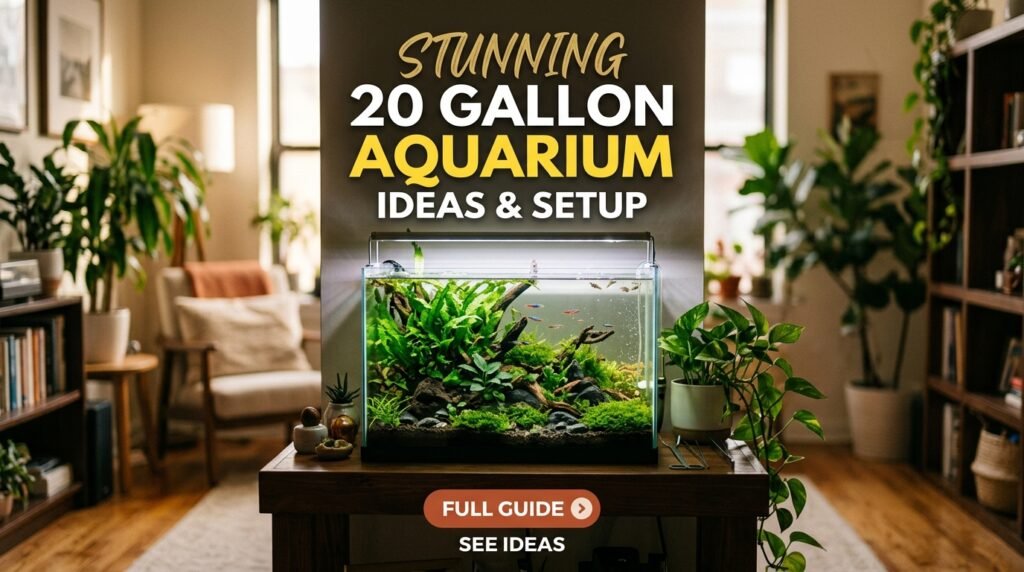
Aquascaping transforms a basic fish tank into a carefully designed underwater landscape. A 20 gallon aquarium offers enough room to experiment with several styles.
Nature-Style Aquascape
Use driftwood, stones, and live plants to create the appearance of a natural stream or forest floor. Place the largest hardscape elements off-center for a more organic appearance.
Minimalist Aquascape
Choose a small number of rocks, one main piece of driftwood, and a limited selection of plants. Leave open areas for swimming and visual contrast.
Jungle Aquarium
Use several types of plants with different heights, leaf shapes, and textures. Taller plants toward the back can create a lush appearance while leaving the front accessible for viewing.
Rock-Based Aquascape
Arrange aquarium-safe rocks into a sloping formation, then plant small species between suitable gaps. Make sure the rocks are stable and cannot collapse or damage the glass.
Blackwater-Inspired Aquarium
Driftwood, leaf litter suitable for aquariums, and subdued lighting can create a dark, natural appearance. Research the water chemistry needs of your chosen fish before trying to reproduce blackwater conditions.
7. Choosing the Right Substrate
The substrate affects the appearance of your aquarium and can influence plant growth and maintenance.
Gravel is versatile and comes in different sizes and colors. Choose a type that is safe for aquarium use and suitable for your fish.
Sand creates a smooth, natural appearance and can be suitable for many bottom-dwelling fish when properly maintained.
Aquasoil is designed for planted aquariums and can support certain plant-growing goals, but different products affect water chemistry differently.
Bare-bottom setups can be useful for quarantine, breeding, or easy cleaning, although they provide a different appearance from a planted display.
For a planted 20 gallon tank, choose substrate according to the plants you want to grow. Root-feeding plants may benefit from nutrient-rich substrate or root tabs, while many epiphytes can grow attached to wood or rocks.
8. Essential Equipment for a 20 Gallon Aquarium
Setting up the right equipment before adding fish helps create stable conditions.
Filter
Choose a filter rated for an aquarium around your tank’s actual volume and stocking needs. It should provide adequate biological filtration and gentle circulation appropriate for your fish.
Heater
Tropical fish generally need stable warm water. Select a reliable adjustable heater suitable for the tank volume and room temperature, and use a thermometer to confirm the actual water temperature.
Aquarium Light
Choose lighting according to the plants and animals in your setup. Low-light plants usually require less intense lighting than demanding planted aquascapes.
Thermometer
A thermometer allows you to monitor water temperature instead of relying on the heater setting alone.
Water Test Kit
Testing for ammonia, nitrite, nitrate, and pH helps you monitor the aquarium. Additional tests may be useful depending on the species you keep.
Lid
A suitable lid reduces evaporation and helps prevent jumping fish from escaping. Ensure it does not block necessary equipment or ventilation.
9. How to Set Up a 20 Gallon Aquarium
Follow these steps to establish a healthy aquarium.
- Choose a suitable location. Select a stable, level surface away from direct sunlight, heating vents, and busy walkways.
- Use a proper stand. The stand must be designed for the tank’s dimensions and full weight.
- Rinse appropriate materials. Rinse substrate and decorations as directed, avoiding soap or household cleaning chemicals.
- Install the substrate and hardscape. Arrange the layout carefully and make sure rocks and wood are stable.
- Add plants and equipment. Install the filter, heater where needed, and lighting.
- Fill with treated water. Use a suitable water conditioner if required for your water supply.
- Cycle the aquarium. Establish beneficial bacteria using a fishless cycling method before adding fish.
- Test the water. Confirm that ammonia and nitrite are at appropriate levels and that conditions suit the intended species.
- Introduce fish gradually. Acclimate livestock carefully and avoid adding too many fish at once.
- Maintain the tank. Perform partial water changes, test water when needed, and clean equipment according to its instructions.
A new aquarium often needs several weeks to establish its biological filter. Do not rely on a fixed number of days alone; use water testing to determine when it is ready.
10. How Much Does a 20 Gallon Aquarium Cost?
The total cost depends on the aquarium brand, stand, filter, heater, lighting, substrate, decorations, and livestock. A simple freshwater setup can cost considerably less than a high-tech planted aquarium or a marine system.
| Item | What affects the cost |
|---|---|
| Aquarium | Glass thickness, brand, and tank style |
| Stand | Material, construction, and storage |
| Filter | Filtration capacity and design |
| Heater | Reliability and suitability for the setup |
| Lighting | Basic illumination versus planted-tank lighting |
| Substrate | Gravel, sand, or specialized aquasoil |
| Plants and decorations | Species, quantity, and material |
| Fish or shrimp | Species, number, and local availability |
| Test supplies | Water testing and maintenance products |
Remember to budget for ongoing expenses such as electricity, fish food, water conditioners, replacement filter media, and occasional equipment repairs.
11. Common Mistakes to Avoid
Even a well-designed 20 gallon aquarium can develop problems if basic fishkeeping practices are ignored.
- Adding fish before the aquarium has completed cycling.
- Overstocking the tank because the fish are small at the time of purchase.
- Combining species with incompatible temperatures or behavior.
- Buying a filter that is too weak for the aquarium’s needs.
- Changing all the filter media at once and losing beneficial bacteria.
- Overfeeding fish and allowing uneaten food to accumulate.
- Leaving the aquarium in direct sunlight, which may encourage algae growth and temperature changes.
- Using decorations that are sharp, unstable, or not aquarium-safe.
- Neglecting water testing when fish show signs of stress.
Consistent maintenance and careful stocking are more important than adding expensive equipment or decorations.
Frequently Asked Questions
Is a 20 gallon aquarium good for beginners?
Yes. A 20 gallon aquarium can be a good starting point because it provides more water volume than many very small tanks, which can help conditions remain stable. It still requires proper cycling, filtration, and regular maintenance.
Is a 20 gallon long aquarium better than a standard 20 gallon tank?
A 20 gallon long tank offers more horizontal swimming space, which can benefit many small schooling fish. A standard 20 gallon tank provides more height and may suit different aquascaping layouts. The best choice depends on the species and design.
How much does a full 20 gallon aquarium weigh?
Twenty US gallons of water weigh about 167 pounds, or 76 kilograms. The tank, substrate, rocks, decorations, and equipment add more weight, so the complete setup can be substantially heavier.
Can I keep guppies in a 20 gallon aquarium?
Yes. A 20 gallon aquarium can provide suitable space for guppies when properly filtered and maintained. Because guppies reproduce quickly, plan how you will manage population growth.
Can I keep a betta in a 20 gallon tank?
Yes. A single betta can live in a suitably maintained 20 gallon aquarium with warm water, gentle filtration, a secure lid, and appropriate hiding places. Tankmates must be selected carefully.
How often should I clean a 20 gallon aquarium?
Many established freshwater aquariums benefit from regular partial water changes, often weekly. The exact schedule depends on stocking, feeding, plants, and water-test results. Avoid replacing all the water or thoroughly washing the filter media unnecessarily.
What filter is best for a 20 gallon aquarium?
A properly rated hang-on-back filter, sponge filter, or suitable internal filter can work well. Choose according to the fish’s flow preferences, biological filtration needs, and maintenance requirements.
Can I make a planted 20 gallon aquarium without CO₂?
Yes. Many aquatic plants grow successfully without added CO₂, particularly hardy, low-light species such as Anubias and Java fern. Growth may be slower than in a high-tech setup.
Is a 20 gallon aquarium suitable for saltwater fish?
It can support some carefully selected marine setups, but marine aquariums require additional attention to salinity, filtration, water chemistry, and stocking. Not every saltwater fish is suitable for this volume.
Conclusion
A 20 gallon aquarium offers an excellent balance between space, flexibility, and manageable maintenance. You can create a colorful guppy tank, a peaceful community aquarium, a lush planted landscape, a dedicated betta setup, or a beautiful freshwater shrimp habitat.
The key is to plan the aquarium around the needs of its inhabitants. Choose compatible species, use suitable equipment, cycle the tank before adding livestock, and maintain stable water conditions. With thoughtful aquascaping and regular care, a 20 gallon aquarium can become a beautiful and rewarding feature in your home.
Add a Clear Stocking ExampleMake Maintenance More Practical