
 By admin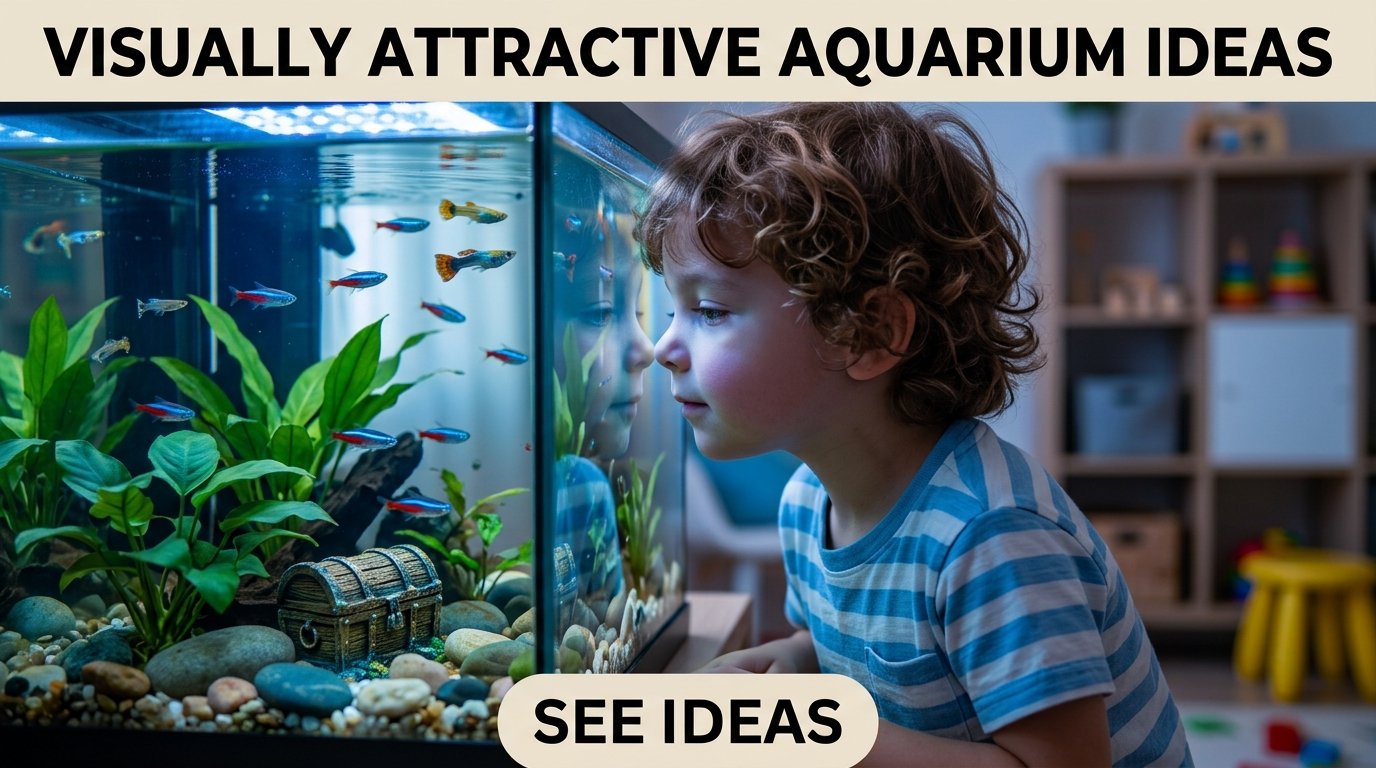
A kids aquarium is an exciting way to introduce children to the fascinating world of aquatic life. More than just a decorative fish tank, a kids aquarium encourages responsibility, curiosity, and an appreciation for nature. Watching colorful fish swim through a beautifully decorated aquarium can provide hours of entertainment while teaching valuable lessons about animal care and ecosystems.
Whether you’re setting up a child’s first aquarium at home or creating an educational fish tank for a classroom, choosing the right equipment, fish, and decorations is essential. This complete guide covers everything you need to know to build a safe, easy-to-maintain, and engaging kids aquarium.
Why Choose a Kids Aquarium?
A kids aquarium offers many benefits beyond its visual appeal.
Encourages Responsibility
Children learn the importance of feeding fish, observing their health, and helping with simple maintenance tasks.
Educational Experience
An aquarium introduces children to:
- Aquatic ecosystems
- Fish behavior
- Water quality
- Plant growth
- Animal care
Creates a Calming Environment
Watching fish swim peacefully can help children relax and reduce stress after a busy day.
Inspires Curiosity
A kids aquarium encourages questions about nature, science, and marine life, making learning fun.
Beautiful Room Decoration
A colorful aquarium becomes a lively centerpiece in a bedroom, playroom, or family living area.
Choosing the Right Aquarium Size
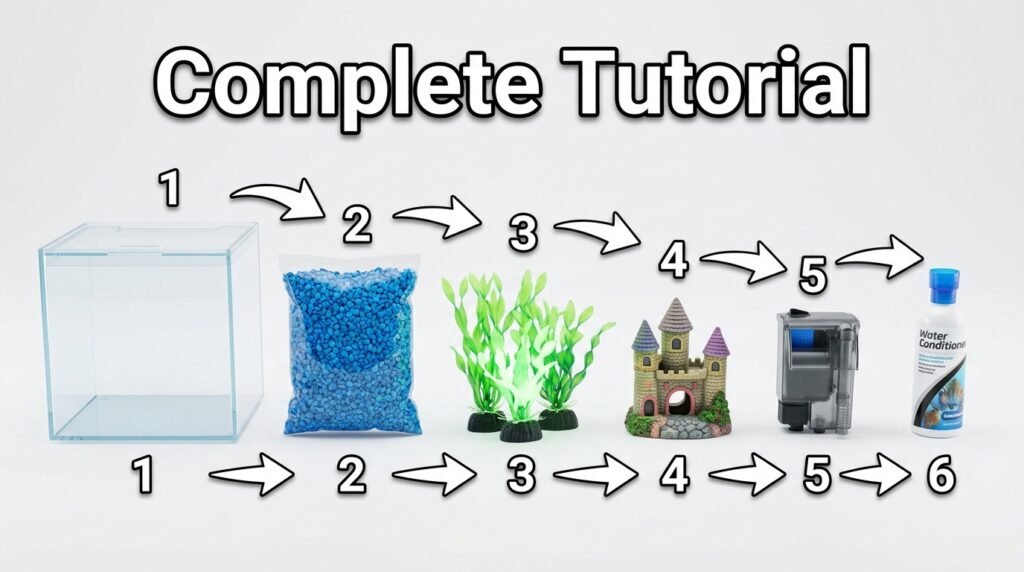
Many people think smaller tanks are easier, but larger aquariums are often more stable and simpler to maintain.
5-Gallon Aquarium
Suitable for:
- One betta fish
- Shrimp
- Snails
A 5-gallon tank is compact but requires regular maintenance.
10-Gallon Aquarium
A great beginner option with more flexibility.
Suitable for:
- Small community fish
- Live plants
- Decorative aquascapes
20-Gallon Aquarium
Often considered the ideal size for families.
Benefits include:
- Stable water conditions
- More fish options
- Easier maintenance than very small tanks
Best Fish for a Kids Aquarium
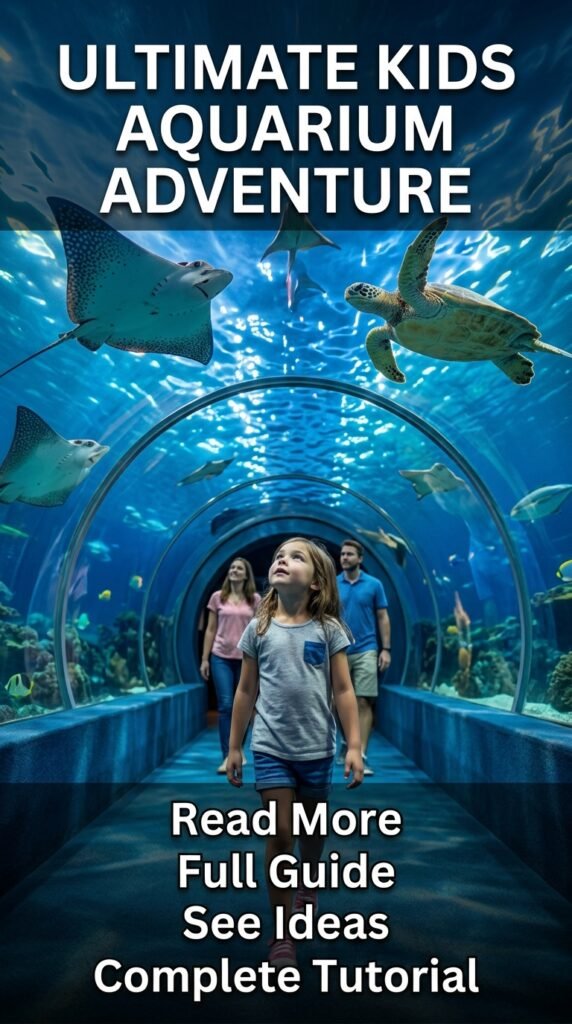
Choose peaceful, hardy species that are easy to care for.
Guppies
Colorful and active, guppies are one of the best choices for children.
Platies
Friendly fish available in many bright colors.
Mollies
Hardy tropical fish suitable for beginner aquariums.
Zebra Danios
Energetic swimmers that enjoy living in groups.
Neon Tetras
Their vibrant blue and red stripes make them favorites among young fishkeepers.
Corydoras Catfish
Peaceful bottom dwellers that help clean leftover food from the substrate.
Betta Fish
A single betta can thrive in a heated and filtered aquarium with plenty of space.
Fish to Avoid
Some species are not suitable for beginners.
Avoid:
- Large cichlids
- Oscars
- Piranhas
- Aggressive fish
- Fish that grow very large
Selecting beginner-friendly species increases the chances of long-term success.
Live Plants for a Kids Aquarium
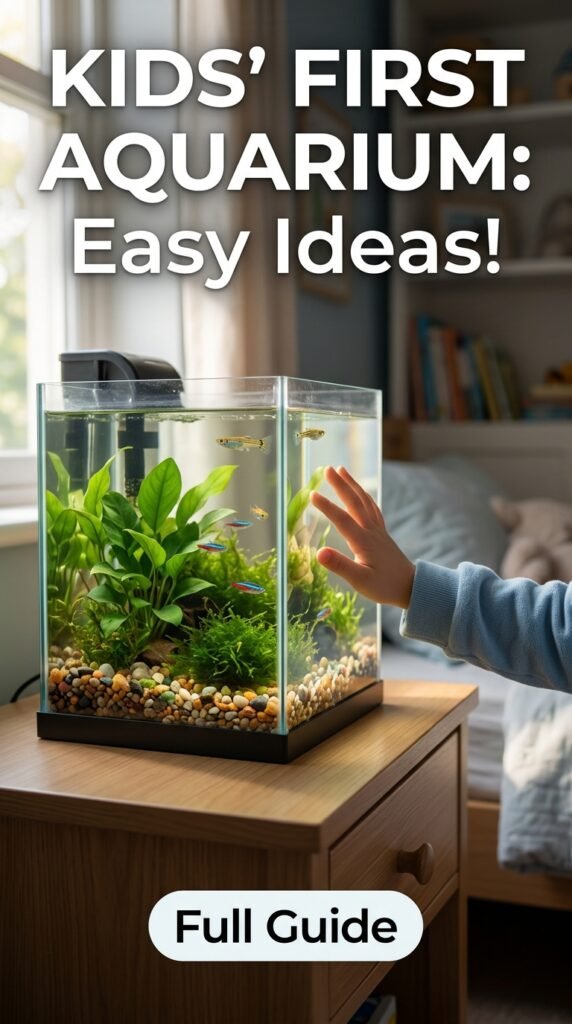
Live plants make the aquarium healthier and more attractive.
Easy plants include:
- Anubias
- Java Fern
- Java Moss
- Amazon Sword
- Vallisneria
Benefits include:
- Better water quality
- Natural hiding places
- Reduced algae growth
- More realistic appearance
Fun Decoration Ideas
Decorations should be colorful, safe, and provide shelter for fish.
Popular ideas include:
Pirate Theme
Use treasure chests, barrels, and shipwreck decorations.
Castle Aquarium
Create an underwater kingdom with castles and towers.
Nature Theme
Decorate with:
- Driftwood
- Smooth rocks
- Live plants
- Sand
Rainbow Aquarium
Use brightly colored gravel, ornaments, and fish.
Ocean Adventure
Include coral-style decorations and marine-inspired ornaments for a fun underwater look, even in a freshwater setup.
Avoid decorations with sharp edges that could injure fish.
Essential Aquarium Equipment
Every kids aquarium should include the following:
Filter
Maintains clean water and supports beneficial bacteria.
Heater
Necessary for most tropical fish.
LED Lighting
Enhances fish colors and supports plant growth.
Thermometer
Allows easy temperature monitoring.
Aquarium Lid
Prevents fish from jumping out and reduces evaporation.
Feeding Fish
Children often enjoy feeding fish, but moderation is important.
Tips include:
- Feed once or twice daily.
- Only provide what the fish can eat within a few minutes.
- Remove uneaten food.
Overfeeding is one of the most common beginner mistakes.
Aquarium Maintenance
Adults should handle major maintenance while children assist with simple tasks.
Weekly Water Changes
Replace 20% to 30% of the water.
Clean the Glass
Remove algae using an aquarium-safe cleaner.
Test Water Quality
Monitor:
- pH
- Ammonia
- Nitrite
- Nitrate
Check Equipment
Inspect the filter, heater, and lighting regularly.
Routine care keeps fish healthy and the aquarium looking beautiful.
Safety Tips
Always prioritize safety.
Use a Strong Stand
The aquarium should rest on sturdy furniture designed to support its weight.
Organize Electrical Cords
Use drip loops to keep water away from electrical outlets.
Wash Hands
Wash hands before and after aquarium maintenance.
Supervise Young Children
Adults should oversee feeding and maintenance activities.
Educational Activities
Turn the aquarium into a learning experience.
Fish Observation Journal
Encourage children to record:
- Fish behavior
- Feeding habits
- Plant growth
- Water changes
Learn Fish Species
Identify different fish by color, size, and swimming patterns.
Water Testing
Older children can help measure water quality under adult supervision.
Aquarium Photography
Children can document changes as the aquarium grows.
Budget-Friendly Kids Aquarium Setup
An affordable beginner setup might include:
- 10-gallon glass aquarium
- Sponge or hang-on-back filter
- Adjustable heater
- LED light
- Gravel or sand substrate
- Live plants
- Small school of guppies or platies
This setup provides beauty while remaining easy to maintain.
Common Mistakes to Avoid
Choosing a Fish Bowl
Bowls rarely provide enough space or stable water conditions.
Overstocking
Too many fish create water quality problems.
Skipping Water Changes
Regular maintenance is essential.
Overfeeding
Extra food quickly pollutes small aquariums.
Mixing Incompatible Fish
Research fish compatibility before adding new species.
Benefits of a Kids Aquarium
A well-maintained kids aquarium offers:
- Hands-on science education
- Responsibility and routine
- Family bonding
- Stress reduction
- Creative decorating opportunities
- Appreciation for aquatic life
These advantages make fishkeeping a rewarding hobby for children and adults alike.
Conclusion
A kids aquarium is an excellent way to combine education, creativity, and family fun. By selecting the right aquarium size, choosing beginner-friendly fish, adding safe decorations and live plants, and following a simple maintenance routine, you can create a thriving underwater environment that children will enjoy for years.
Whether placed in a bedroom, classroom, or living room, a thoughtfully designed kids aquarium can inspire curiosity, teach valuable life skills, and provide endless enjoyment while fostering a lifelong appreciation for aquatic life.
Frequently Asked Questions
What is the best aquarium size for children?
A 10 to 20-gallon aquarium is ideal because it offers stable water conditions and enough space for beginner-friendly fish.
Which fish are best for a kids aquarium?
Guppies, platies, mollies, zebra danios, neon tetras, corydoras catfish, and a single betta are excellent choices when housed appropriately.
Are live plants suitable for a kids aquarium?
Yes. Live plants improve water quality, provide hiding places, and create a more natural environment.
How often should a kids aquarium be cleaned?
Perform weekly water changes, clean the glass when necessary, trim plants regularly, and monitor water quality.
Can children take care of an aquarium alone?
Young children should participate in feeding and observation, but adults should supervise maintenance and monitor the aquarium’s health.
Is a kids aquarium educational?
Absolutely. A kids aquarium teaches responsibility, biology, ecology, and environmental awareness while providing a relaxing and engaging hobby.