
 By admin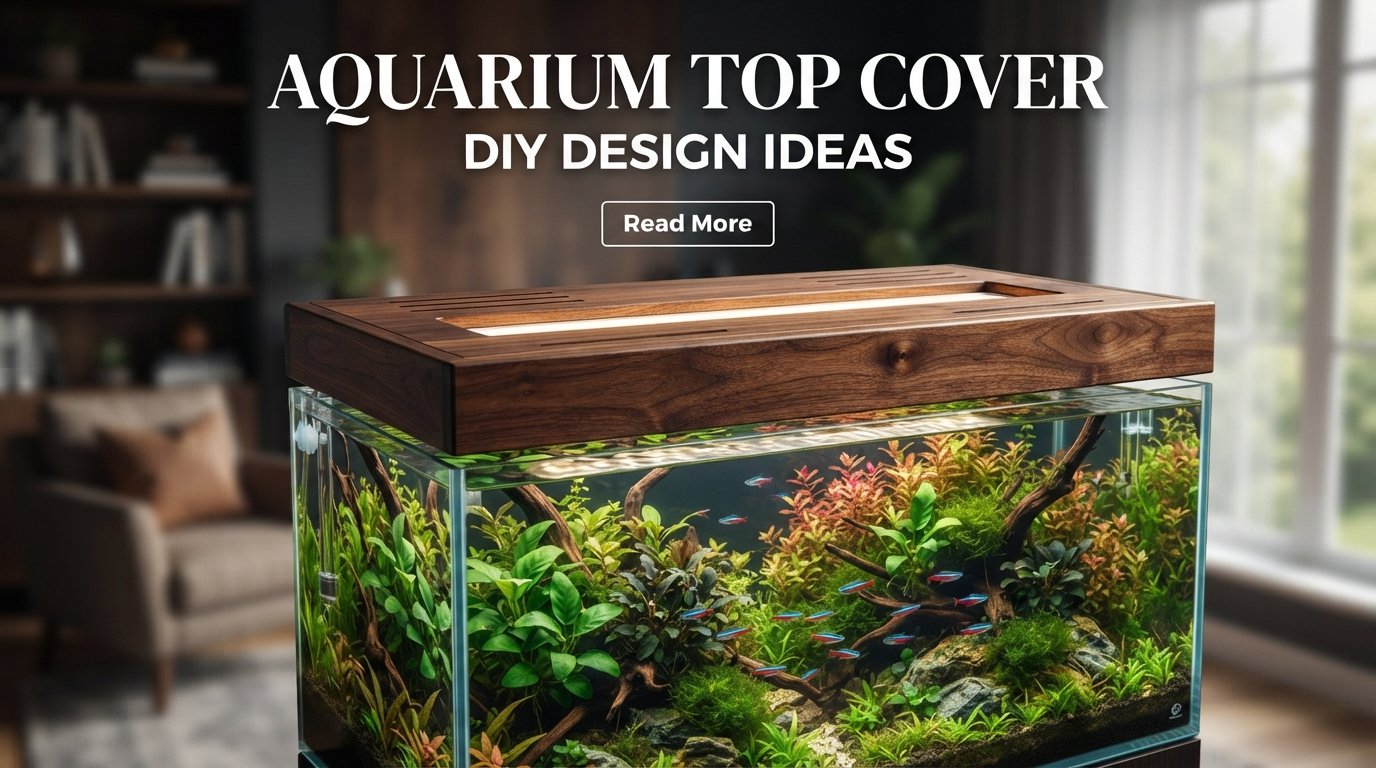
Aquarium top cover design is an important part of creating a safe, attractive, and functional fish tank. A well-designed aquarium cover can reduce evaporation, prevent fish from jumping out, keep dust and debris away from the water, and protect aquarium equipment. At the same time, the right cover can improve the overall appearance of the tank and complement the furniture around it.
Aquarium covers come in many different styles, including glass tops, acrylic covers, mesh lids, framed covers, sliding panels, hinged designs, and custom-built tops. The best choice depends on the type of aquarium, fish species, lighting system, filtration equipment, and the overall look you want to achieve.
Whether you have a small desktop aquarium, a planted tank, a reef aquarium, or a large custom fish tank, thoughtful aquarium top cover design can make the entire setup more practical and visually appealing.
Why Is an Aquarium Top Cover Important?
An aquarium top cover has several useful functions. One of the most important is preventing fish from jumping out of the tank. Some species are surprisingly capable jumpers, especially when startled.
A cover can also reduce water evaporation. Open-top aquariums generally lose water faster, particularly in warm or dry environments.
Another benefit is keeping dust, dirt, insects, and household debris from entering the aquarium. A cover can also reduce the chance of objects accidentally falling into the water.
For tanks with strong lighting, a properly designed top can help organize the equipment while maintaining a clean appearance.
Popular Aquarium Top Cover Designs
| Cover Design | Main Material | Best For |
|---|---|---|
| Glass Top | Glass | General aquariums |
| Acrylic Cover | Acrylic | Lightweight setups |
| Mesh Lid | Aquarium mesh | High ventilation |
| Hinged Cover | Glass or acrylic | Easy feeding |
| Sliding Cover | Glass or acrylic | Large tanks |
| Framed Cover | Glass/plastic frame | Custom aquariums |
| Floating Lid | Glass/acrylic | Modern setups |
| Wooden Frame Cover | Wood and panel | Decorative tanks |
| DIY Cover | Various materials | Budget projects |
| Custom Cut Cover | Glass/acrylic | Unusual tank shapes |
1. Glass Aquarium Top Cover
Glass is one of the most common materials for aquarium covers.
A glass top provides a clear viewing surface while helping reduce evaporation and preventing fish from escaping. It can also keep the aquarium looking clean and minimalist.
For a professional appearance, the glass can be cut to fit the exact dimensions of the aquarium.
Small openings can be incorporated around equipment such as filters, heaters, air lines, and cables.
2. Acrylic Aquarium Cover
Acrylic is lighter than glass and can be easier to handle.
Acrylic sheets can be cut into different shapes and customized around aquarium equipment. This makes them useful for tanks with unusual layouts.
However, acrylic can scratch more easily than glass, so cleaning should be done carefully.
Acrylic can also be used to create colorful or semi-transparent cover designs.
3. Mesh Aquarium Lid
A mesh lid is especially useful when ventilation and gas exchange are important considerations.
Mesh covers can also help prevent jumping fish from escaping while allowing significant airflow above the aquarium.
They are popular for certain planted aquariums and tanks containing fish that are prone to jumping.
A properly fitted mesh cover should have no large gaps around the edges.
4. Hinged Aquarium Top Cover
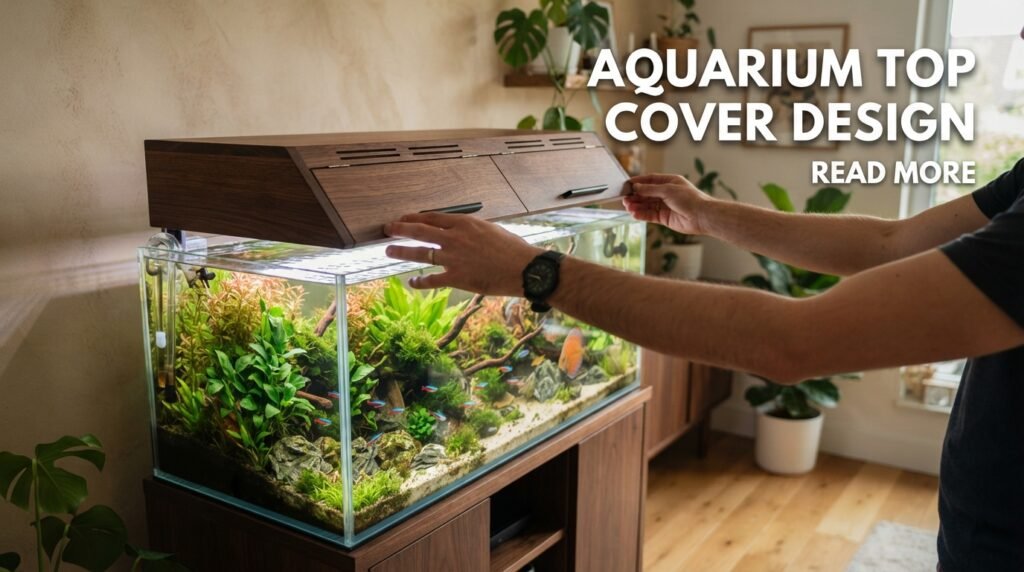
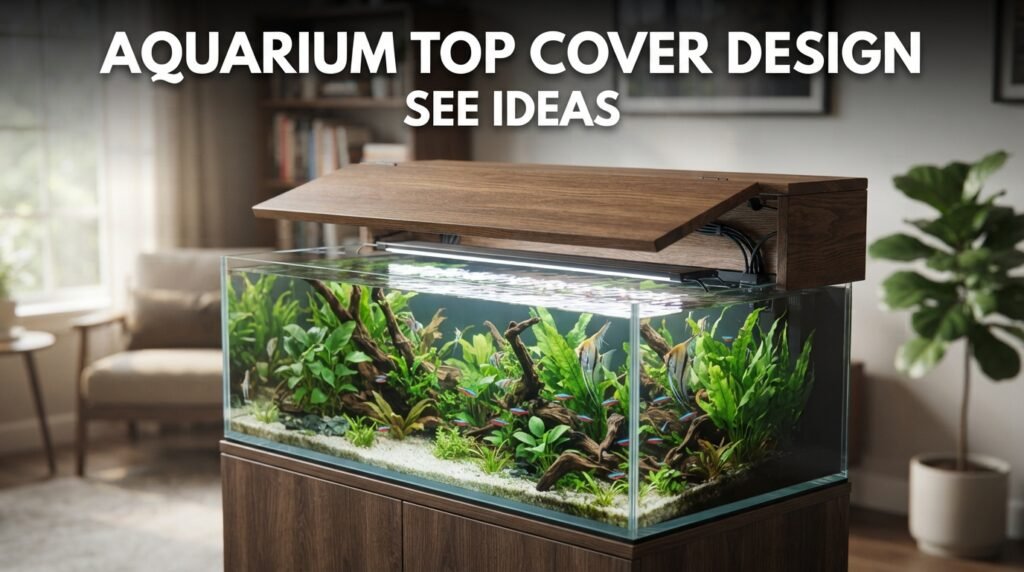
A hinged cover makes feeding and routine maintenance convenient.
Instead of removing the entire top, you can lift one section when feeding fish or adding small amounts of equipment.
A large cover can also be divided into multiple hinged sections. This makes handling easier, especially on larger aquariums.
Use hinges and materials that are suitable for a humid environment.
5. Sliding Aquarium Cover
Sliding glass panels are another practical option.
Two or more panels can slide over one another, allowing access to different sections of the aquarium.
This design works especially well for larger rectangular tanks.
Sliding covers can also provide a clean appearance because there is no large hinged panel extending upward when opened.
6. Frameless Aquarium Top Design
A frameless cover can create a modern appearance.
Use clean glass or acrylic panels with minimal visible hardware. The result is a simple design that keeps attention on the aquarium itself.
This style works particularly well with modern aquascapes and minimalist interiors.
7. Wooden Frame Aquarium Cover
A wooden frame can make an aquarium cover feel like part of the furniture.
The frame can match the aquarium stand, cabinet, shelves, or other furniture in the room.
Wood should be properly protected from moisture because the area around an aquarium can be consistently humid.
A wooden outer frame with a removable glass or acrylic center can provide both style and functionality.
8. DIY Aquarium Top Cover
A DIY aquarium cover can be an affordable way to create a custom fit.
Measure the aquarium carefully before selecting the material. The cover should rest securely without creating pressure on the glass.
You can create openings for filters, cables, feeding areas, and lighting equipment.
A simple DIY cover can be made from suitable rigid panels, mesh, glass, or acrylic depending on the aquarium requirements.
9. Custom Aquarium Top Cover
Custom covers are useful for aquariums with unusual shapes or extensive equipment.
For example, a tank with a rear filtration section may need a cover with several precisely positioned openings.
A custom cover can also incorporate feeding doors, cable openings, lighting mounts, and removable sections.
The goal should be to create a cover that fits the aquarium while keeping essential equipment accessible.
Aquarium Cover Design for Planted Tanks
Planted aquariums require special consideration because plants can extend above the waterline and lighting equipment may sit close to the surface.
A cover can be designed with openings around plant growth and equipment.
If the aquarium contains plants that grow above the water, a completely enclosed cover may not be practical.
Some planted aquariums benefit from partial covers or mesh designs that allow more ventilation.
Aquarium Top Cover for Betta Fish
Betta fish can jump, so a secure cover can be useful.
A small opening for feeding can make daily care easier without requiring removal of the entire cover.
The cover should still allow appropriate ventilation and leave enough room for equipment.
Avoid leaving large gaps around filters or other equipment.
Aquarium Cover for Tropical Fish
Many tropical fish aquariums benefit from a cover because it reduces evaporation and helps maintain a consistent environment.
A glass or acrylic cover can work well for traditional community tanks.
The exact design should account for the filter, heater, lighting, and any other equipment installed on the aquarium.
Aquarium Top Cover for Reef Tanks
Reef aquarium covers require careful consideration of lighting, ventilation, equipment, and evaporation.
Some reef keepers prefer mesh covers because they can reduce the risk of fish jumping while maintaining good airflow.
Other setups may use glass or acrylic depending on the aquarium’s design.
The cover should not unnecessarily interfere with lighting or equipment.
Aquarium Top Cover With Feeding Door
A small feeding door can make aquarium maintenance much easier.
Instead of lifting the entire cover every time you feed the fish, open a small section.
The door can be positioned near the front or in a location that is convenient for the aquarium owner.
For a clean modern design, the feeding opening can be integrated into the cover so it is barely noticeable.
Aquarium Cover With Filter Opening
Filters often require special openings in aquarium covers.
A custom cover can include a cutout around the filter intake and return section.
The opening should be large enough to allow equipment access but not so large that fish can escape through it.
When designing the cover, measure the filter dimensions first rather than cutting the opening based on estimates.
Aquarium Cover With Lighting
Lighting can be installed above or supported over the aquarium depending on the setup.
The cover should not trap excessive heat around lighting equipment.
Some aquarium designs use a dedicated canopy that houses the lights while the actual tank has a separate protective cover.
This can create a more polished appearance.
Aquarium Canopy Design
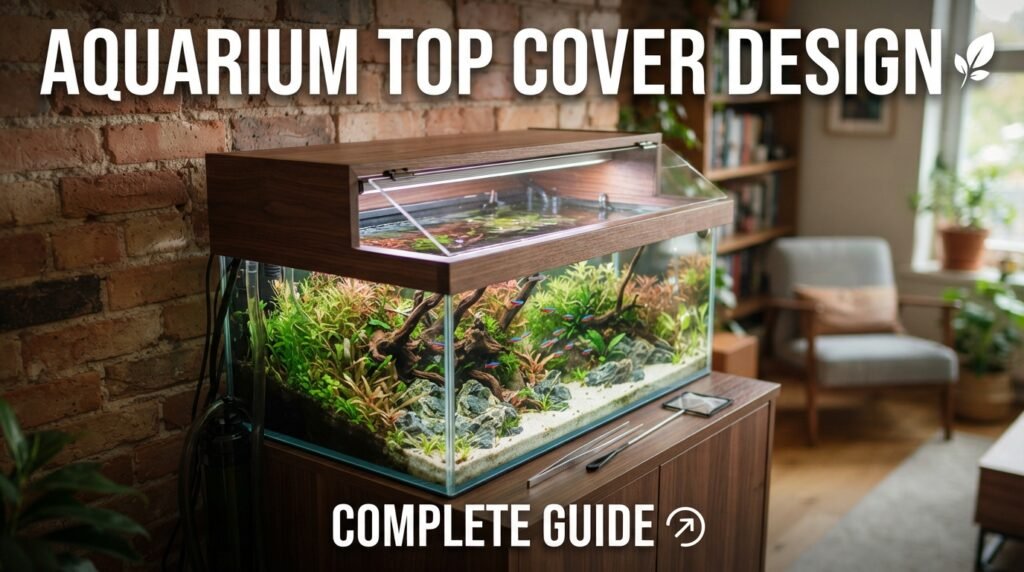
An aquarium canopy is different from a simple flat lid. It creates a larger enclosure around the top of the aquarium.
A canopy can hide lighting fixtures, cables, and other equipment while making the aquarium look like a custom piece of furniture.
Wooden canopies are particularly popular for traditional interiors, while minimalist canopies can work with modern aquariums.
Make sure the canopy allows enough access for feeding, cleaning, and equipment maintenance.
Modern Aquarium Top Cover Design
A modern aquarium cover usually emphasizes clean lines and minimal hardware.
Clear glass or acrylic can be combined with a slim frame.
For an even cleaner appearance, equipment openings can be positioned toward the rear so they are less noticeable from the front.
A matching aquarium cabinet can make the entire setup look like one integrated piece of furniture.
Minimalist Aquarium Cover
A minimalist cover should be simple and functional.
A precisely cut transparent panel can provide protection without visually dominating the aquarium.
Avoid unnecessary decorations or bulky structures.
The aquarium’s aquascape should remain the main focus.
Aquarium Top Cover for Small Tanks
Small aquariums can use simple removable glass or acrylic panels.
A lightweight cover is convenient because small tanks are often cleaned and maintained frequently.
If you have a small desktop aquarium, leave suitable openings for the filter and cables while maintaining a secure fit.
Aquarium Top Cover for Large Tanks
Large aquariums require more careful planning because large glass or acrylic panels can be heavy and difficult to handle.
Multiple smaller panels are often easier to remove than one enormous panel.
Sliding or hinged sections can provide better access.
For a large custom aquarium, consider how the cover will be removed for major maintenance before finalizing the design.
Aquarium Top Cover With Built-In Feeding Area
A dedicated feeding area can make daily maintenance more convenient.
Create a small removable or hinged panel where food can be added.
The opening should be large enough for feeding but small enough to maintain the protective function of the cover.
This is particularly useful for aquariums that are covered almost completely.
How to Measure an Aquarium Cover
Accurate measurements are essential.
Measure the tank’s:
- Length
- Width
- Rim dimensions
- Filter position
- Cable locations
- Lighting position
- Other equipment openings
Measure more than once before cutting any material.
For custom glass or acrylic, provide the exact measurements and desired cutouts to the manufacturer.
Aquarium Cover and Evaporation
One of the main purposes of a cover is reducing evaporation.
Open water allows moisture to escape more quickly. A cover can slow this process.
However, completely sealing an aquarium may not always be appropriate. Ventilation and gas exchange should still be considered based on the aquarium setup.
The goal is to balance evaporation control with appropriate airflow.
How to Keep an Aquarium Cover Clean
Aquarium covers can accumulate dust, mineral deposits, salt residue, and condensation.
Clean the cover regularly using aquarium-safe cleaning practices.
Avoid using household chemical cleaners near the aquarium because residues can enter the water.
Glass covers may develop mineral deposits that can require gentle cleaning.
A clean cover improves both light transmission and the overall appearance of the aquarium.
Common Aquarium Top Cover Mistakes
One common mistake is creating openings that are too large around equipment. Fish may escape through surprisingly small gaps depending on the species.
Another mistake is making the cover too difficult to remove. Maintenance requires regular access to the aquarium.
Using unsuitable materials is another problem. Materials exposed to moisture should be appropriate for the environment and should not release harmful substances.
Some covers also trap too much heat or restrict ventilation.
Finally, do not forget about lighting. The cover should be compatible with the aquarium’s lighting system.
How to Choose the Right Aquarium Top Cover
Start by considering the fish you keep. If your fish are jumpers, prioritize a secure fit.
Next, consider evaporation and ventilation.
Then look at your equipment. Filters, heaters, lights, air lines, and cables may require openings.
Finally, consider appearance. Choose glass, acrylic, mesh, wood, or another suitable material that complements your aquarium.
A practical checklist is:
- Measure the aquarium.
- Identify fish that may jump.
- List all equipment.
- Plan ventilation.
- Decide how the cover will open.
- Plan feeding access.
- Choose a suitable material.
- Add equipment openings.
- Check the fit.
- Test access before final installation.
Final Thoughts
Aquarium top cover design can make a significant difference in the safety, maintenance, and appearance of a fish tank. A well-fitted cover can help prevent fish from jumping, reduce evaporation, limit debris entering the water, and keep equipment organized.
There are many styles to choose from, including glass tops, acrylic covers, mesh lids, sliding panels, hinged designs, wooden frames, and custom covers. The best option depends on the aquarium, livestock, equipment, and personal design preferences.
Whether you are creating a simple home aquarium or a large custom display, focus on a cover that is secure, easy to maintain, properly ventilated, and compatible with your equipment. With thoughtful planning, the aquarium top can become an attractive part of the entire setup rather than simply an accessory.
FAQs About Aquarium Top Cover Design
What is the best material for an aquarium top cover?
Glass, acrylic, and aquarium-safe mesh are common choices. The best material depends on the aquarium type, equipment, ventilation needs, and desired appearance.
Do aquariums need top covers?
Not every aquarium requires a cover, but covers can help prevent fish from jumping out, reduce evaporation, and keep debris away from the water.
Is glass or acrylic better for an aquarium lid?
Glass is generally more resistant to scratching, while acrylic is lighter and easier to customize. Both can work when properly designed for the aquarium.
Can I make my own aquarium top cover?
Yes. DIY covers can be made from suitable aquarium-safe materials. Accurate measurements and appropriate equipment openings are important.
Should an aquarium cover have holes?
It may need openings for filters, cables, air lines, feeding, and other equipment. The openings should be carefully designed so fish cannot escape.
Can an aquarium cover reduce evaporation?
Yes. A properly fitted cover can significantly reduce water evaporation compared with a completely open aquarium.
Is a mesh aquarium lid good?
A mesh lid can be useful when you want to prevent jumping while maintaining substantial airflow. It is particularly useful for certain aquarium setups where ventilation is important.
How do I make an aquarium cover look modern?
Use a slim frameless glass or acrylic design, keep equipment openings toward the rear, and coordinate the cover with a clean aquarium stand or cabinet.
Can I put aquarium lights under the cover?
Some lighting systems can be positioned beneath or integrated with a cover, but the design must account for heat, moisture, light requirements, and manufacturer specifications.
What is a hinged aquarium lid?
A hinged lid consists of one or more sections that can be lifted without removing the entire cover. It makes feeding and maintenance more convenient.
How do I cover an aquarium with a filter?
Measure the filter position and create an appropriately sized opening in the cover. Leave enough space for operation and maintenance while keeping gaps as small as practical.
Can an aquarium cover trap too much heat?
Yes, depending on the design and equipment. Adequate ventilation and appropriate placement of lighting and other equipment should be considered.
How often should I clean an aquarium cover?
Clean it whenever dust, mineral deposits, salt residue, or algae begins to affect its appearance or light transmission. Regular light cleaning is usually easier than allowing buildup to accumulate.