
 By admin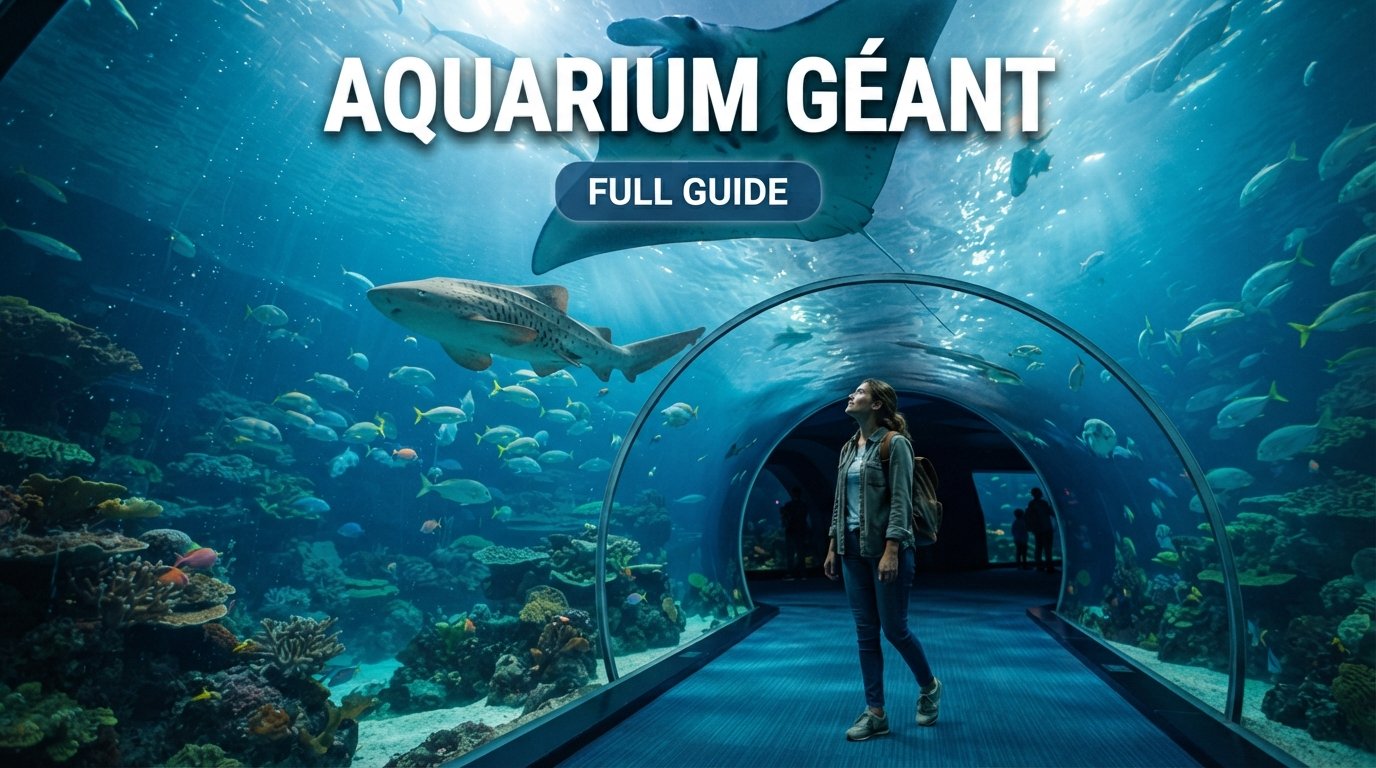
An aquarium geant is a giant or exceptionally large aquarium designed to create an impressive underwater environment with plenty of space for fish, aquatic plants, rocks, driftwood, and other decorations. Unlike a small home aquarium, a giant aquarium can become the main attraction in a living room, office, restaurant, hotel, public space, or even a large garden area.
The appeal of an aquarium geant comes from its size and visual impact. A large tank gives fish more room to swim and allows aquarists to create detailed underwater landscapes. It can also become an important part of interior design, especially when it is built into a wall or designed as a room divider.
Whether you want a giant freshwater aquarium, a massive planted tank, or a spectacular marine aquarium, choosing the right size, filtration system, lighting, fish, and decorations is essential. This guide explains how to design and maintain an aquarium geant while exploring some of the most attractive ideas for creating a dramatic underwater display.
What Is an Aquarium Geant?
The term aquarium geant generally refers to a very large aquarium or giant aquarium. There is no single universal tank size that officially defines an aquarium as “giant.” The term is usually used for aquariums that are significantly larger than ordinary household tanks.
A large aquarium can range from several hundred gallons to thousands of gallons. Public aquariums may contain enormous tanks capable of holding millions of liters of water, while residential giant aquariums are generally designed according to the available space and structural requirements of the building.
The most important difference between a normal aquarium and an aquarium geant is not simply its appearance. A giant aquarium requires considerably more planning because water is extremely heavy. A tank holding hundreds or thousands of liters places significant pressure on the floor and supporting structure.
Why Choose an Aquarium Geant?
A giant aquarium can completely transform a space. Instead of functioning only as a fish tank, it can become a major architectural and decorative feature.
Some of the biggest advantages include:
- More swimming space for suitable fish
- Greater freedom for aquascaping
- Space for larger aquatic plants
- More opportunities for natural-looking layouts
- A dramatic visual centerpiece
- Potentially more stable water conditions
- Possibility of keeping a larger variety of compatible species
Large tanks can also create a more natural environment because the aquarist has more room to create different areas within the aquarium.
Popular Aquarium Geant Ideas
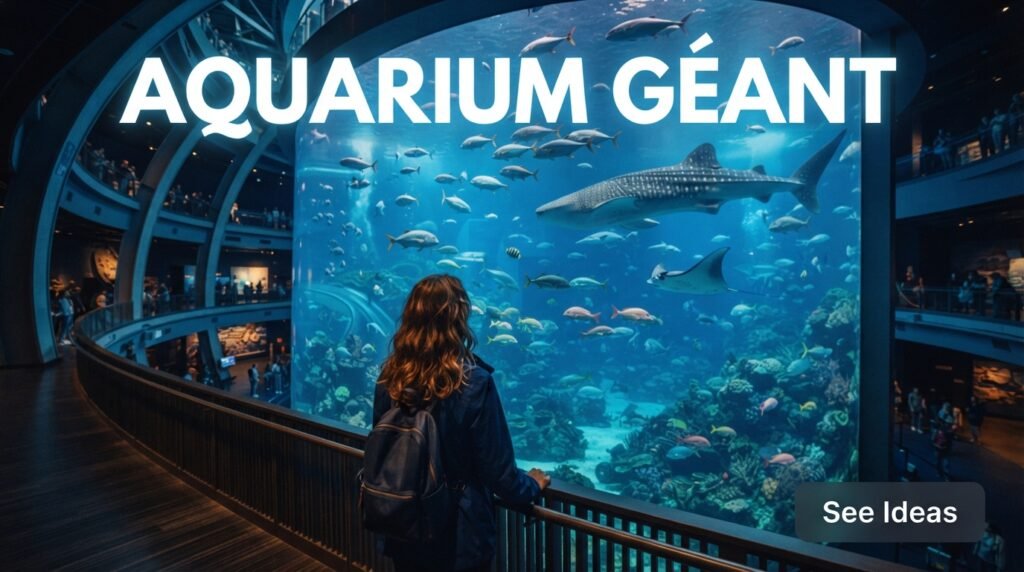
There are many ways to design a giant aquarium. The best design depends on the room, fish species, maintenance requirements, and personal style.
1. Giant Planted Aquarium
A giant planted aquarium can look like an underwater forest. Tall background plants, carpeting plants, mosses, driftwood, and rocks can be combined to create depth.
A large tank gives plants enough space to grow naturally without making the aquarium feel crowded.
For a natural appearance, use different plant heights. Low-growing plants can occupy the foreground, medium plants can fill the middle, and tall plants can create a green background.
2. Aquarium Geant as a Room Divider
One of the most impressive ideas is to use a large aquarium as a room divider.
Instead of building a traditional wall between two spaces, a custom aquarium can separate the living room from the dining room or divide an office into different areas.
A see-through aquarium is especially attractive because it can be viewed from both sides.
3. Wall-Mounted Giant Aquarium
A giant aquarium can also be incorporated into a wall. The aquarium becomes part of the architecture rather than looking like a separate piece of furniture.
This style works particularly well in modern homes, luxury interiors, restaurants, and offices.
Because the tank is large and heavy, structural planning is essential before installation.
4. Giant Marine Aquarium
Marine aquariums are popular for people who want colorful and dramatic underwater environments.
A large saltwater aquarium can feature coral structures, marine rocks, anemones, and suitable saltwater fish.
Marine systems require careful management of salinity, filtration, temperature, water chemistry, and lighting. A large marine aquarium can therefore be a major long-term project.
5. Giant Freshwater Aquarium
Freshwater is often a more accessible choice for a large home aquarium.
A freshwater aquarium geant can contain schools of fish, large peaceful species, aquatic plants, driftwood, and rocks.
The possibilities are extremely broad because freshwater environments can be designed as planted forests, rocky rivers, blackwater habitats, or open swimming spaces.
Aquarium Geant Design Styles
The following table provides a simple overview of popular giant aquarium styles.
| Design Style | Main Features | Best For |
|---|---|---|
| Giant Planted | Plants, wood, rocks | Natural interiors |
| Marine Reef | Corals, marine fish, rocks | Luxury displays |
| Minimalist | Open space, few decorations | Modern homes |
| River Style | Stones, wood, flowing layout | Natural themes |
| Jungle Style | Dense vegetation | Large freshwater tanks |
| Room Divider | Double-sided viewing | Open-plan rooms |
| Wall Built-In | Integrated into architecture | Modern interiors |
| Public Display | Large fish and dramatic scenery | Commercial spaces |
Choosing the Right Size
Before buying or building an aquarium geant, consider the amount of available space.
A larger tank is not automatically better. The aquarium must be appropriate for the room, floor structure, equipment, maintenance routine, and fish species.
Measure the available area carefully and leave enough room around the aquarium for maintenance.
You should also consider the height of the tank. A very tall aquarium can look impressive, but reaching the bottom for planting, cleaning, or removing decorations can become difficult.
Length is often useful because it provides more horizontal swimming space and creates a wider canvas for aquascaping.
Structural Support Is Extremely Important
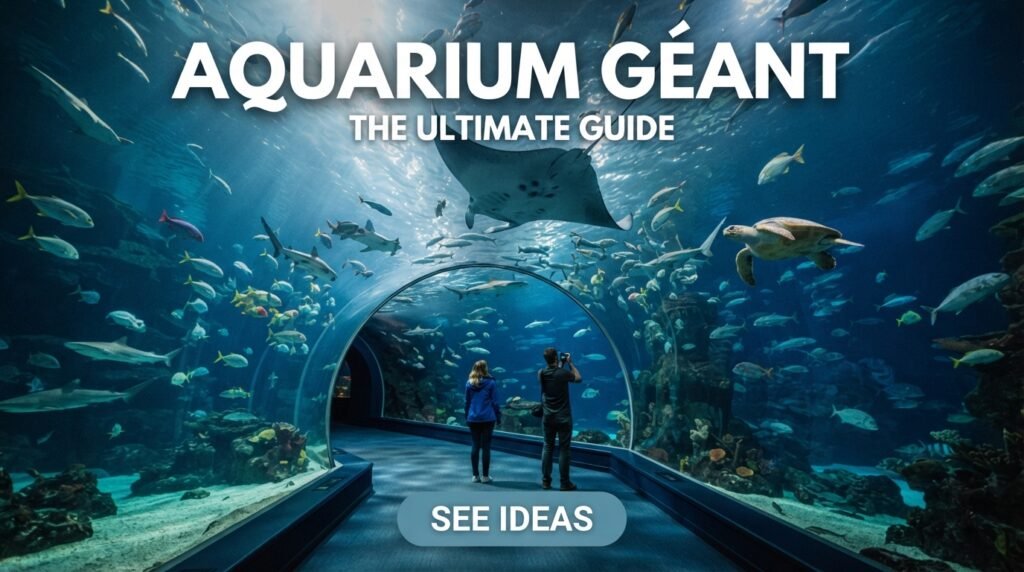
Water is heavy, and the weight of a giant aquarium can become substantial.
For example, one liter of water weighs approximately one kilogram. This means a tank containing 500 liters of water already contains roughly 500 kilograms of water, before adding the weight of the glass or acrylic, stand, substrate, rocks, equipment, and decorations.
A much larger aquarium can therefore weigh several tons.
Before installing a large aquarium in a home or commercial building, the supporting structure should be evaluated by an appropriately qualified professional. Never assume that a normal floor can safely support a very large aquarium.
Glass or Acrylic for a Giant Aquarium?
Large aquariums can be constructed using glass or acrylic.
Glass provides excellent clarity and is highly resistant to scratching under normal aquarium use. It is also widely available for custom aquarium construction.
Acrylic is lighter than glass and can be easier to shape for certain custom designs. However, acrylic surfaces can scratch more easily.
For a giant aquarium, the choice should be based on tank dimensions, structural requirements, design, installation, and professional construction.
Filtration for an Aquarium Geant
Filtration becomes particularly important as aquarium size increases.
A large aquarium may require a combination of mechanical, biological, and chemical filtration.
Mechanical filtration removes suspended particles. Biological filtration provides surfaces where beneficial microorganisms can process fish waste. Chemical filtration can be used for specific water-quality goals when appropriate.
Large systems may use powerful external filters, sump systems, specialized filtration chambers, or combinations of several filtration methods.
The filtration system should be designed around the aquarium’s actual biological load rather than simply choosing the largest filter available.
Water Movement
Water movement helps distribute oxygen, nutrients, and heat throughout the aquarium.
In planted freshwater aquariums, circulation should be strong enough to prevent stagnant areas without constantly damaging delicate plants.
Marine aquariums often require more specialized water movement, especially when corals are present.
The goal is not simply to create the strongest possible current. The flow should match the needs of the fish, plants, and other inhabitants.
Lighting a Giant Aquarium
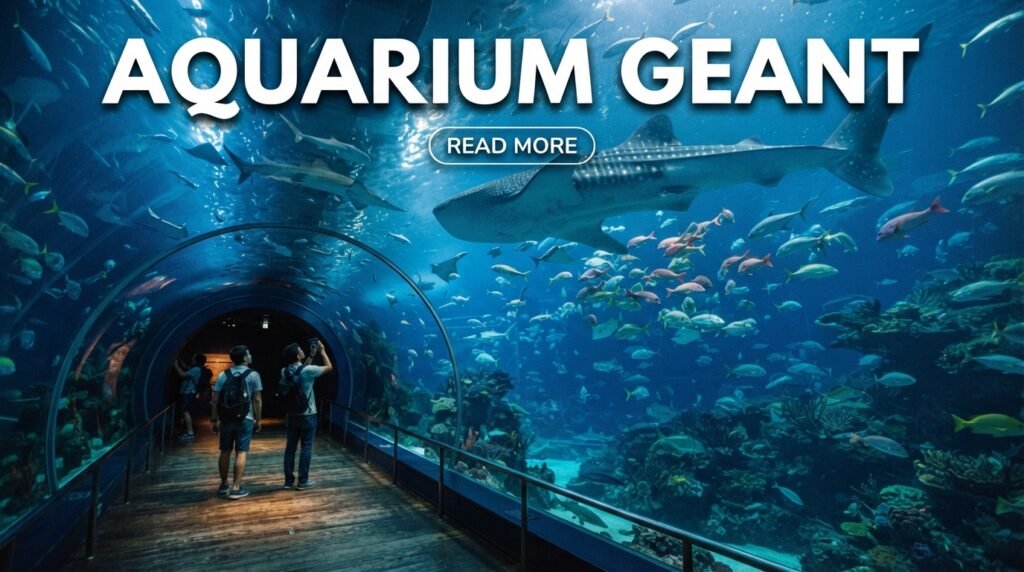
Lighting is one of the most important visual elements of an aquarium geant.
A giant planted tank may require aquarium lights capable of illuminating a large area and supporting plant growth. Marine reef systems can have much more demanding lighting requirements.
Lighting can also be used to emphasize specific areas of the aquascape.
For example, brighter lighting can highlight an open swimming area, while darker sections can create depth and contrast.
A consistent day-and-night lighting schedule is generally better than leaving aquarium lights on continuously.
Best Fish for a Giant Aquarium
The large amount of space in an aquarium geant makes it possible to consider species that would not be suitable for small aquariums.
However, a larger tank does not mean every large fish is automatically appropriate.
Consider the adult size, behavior, swimming requirements, temperament, diet, and compatibility of every species.
Possible choices for appropriately sized freshwater systems may include:
- Angelfish
- Discus
- Gouramis
- Large schools of peaceful community fish
- Certain rainbowfish
- Suitable larger catfish
- Carefully selected cichlids
The exact fish combination should always be based on compatibility and the final adult size of the animals.
Giant Aquarium for Large Fish
Some aquarists choose a giant aquarium specifically to provide an appropriate environment for large fish.
Species that grow very large need substantial swimming space and should never be selected simply because they look impressive when young.
Before purchasing any fish, research its adult size and long-term housing requirements.
A giant aquarium should be planned around the needs of the fish rather than trying to fit unsuitable fish into an existing decorative design.
Creating a Natural Aquascape
A natural aquascape can make a giant aquarium look like a section of an underwater ecosystem.
Start by selecting a clear visual theme. You might create a riverbank, underwater forest, rocky landscape, tropical stream, or minimalist aquatic garden.
Use large hardscape elements carefully. Oversized rocks and driftwood can look proportional in a giant aquarium, while tiny decorations may disappear visually.
Create foreground, middle-ground, and background areas to produce depth.
Leaving some open swimming space is also important. A giant aquarium does not need to be filled from front to back.
Driftwood and Rocks
Large aquariums provide an excellent opportunity to use impressive pieces of driftwood and natural-looking rocks.
A large branch-shaped piece of driftwood can become the central feature of a planted aquarium. Rocks can be arranged around it to create caves, slopes, and natural formations.
Before placing heavy materials inside the aquarium, make sure they are aquarium-safe and properly prepared.
Large rocks should be positioned securely so they cannot fall and damage the aquarium or injure fish.
Aquarium Geant for a Living Room
A giant aquarium can become the centerpiece of a living room.
A modern built-in design can create a luxurious appearance, while a natural planted aquarium can provide a relaxing atmosphere.
For a living room, consider placing the aquarium where it can be viewed comfortably without blocking walkways.
The equipment should also be planned so that filters, pumps, electrical connections, and maintenance areas remain accessible.
Aquarium Geant for an Office
Large aquariums can create a striking feature in offices, reception areas, waiting rooms, and meeting spaces.
A calm planted aquarium can provide visual interest without requiring bright decorative colors.
For commercial spaces, maintenance should be planned carefully because a giant aquarium can require specialized equipment and regular professional attention.
Aquarium Geant for Restaurants and Hotels
Restaurants and hotels can use giant aquariums as memorable design features.
A large aquarium near an entrance can immediately attract attention. A wall aquarium behind a reception desk can create an elegant focal point.
However, commercial installations require additional consideration for safety, access, electrical systems, maintenance, humidity, and structural support.
Maintenance of a Giant Aquarium
A giant aquarium may have more stable water parameters than a tiny aquarium because the larger water volume can dilute sudden changes. However, this does not mean maintenance is unnecessary.
Regular maintenance may include:
- Checking water temperature
- Testing water parameters
- Removing waste
- Cleaning aquarium glass
- Maintaining filters
- Checking pumps
- Trimming plants
- Removing algae
- Performing appropriate water changes
- Inspecting equipment
A maintenance schedule should be created before installing the aquarium.
Common Problems With Giant Aquariums
Large aquariums can introduce several challenges.
High Initial Cost
Custom tanks, stands, filtration systems, lighting, plumbing, and installation can be expensive.
Heavy Weight
Structural support must be carefully considered.
Difficult Maintenance
Reaching the bottom of a deep aquarium can be challenging.
Equipment Complexity
Large systems may require multiple pumps, filters, heaters, lights, or other equipment.
Higher Water Consumption
Water changes on a giant aquarium can involve substantial amounts of water.
Emergency Risk
Equipment failure can have significant consequences because the aquarium contains a large number of fish and a large volume of water.
How to Make an Aquarium Geant Look More Natural
Avoid placing every decoration evenly throughout the aquarium.
Instead, create groups and focal points.
Use larger objects toward the back or sides while keeping some open areas in the foreground. Plants can be grouped rather than scattered randomly.
A good giant aquascape should have visual depth. The viewer’s eyes should naturally move from the foreground toward the background.
Minimalist Aquarium Geant
A giant aquarium does not have to be heavily decorated.
A minimalist aquarium can use a simple substrate, a few large rocks, limited plants, and plenty of open water.
This style can work particularly well in modern homes and commercial interiors.
The advantage of minimalism is that every major element becomes visually important.
Giant Aquarium With LED Lighting
LED lighting allows aquarists to create attractive lighting effects while providing appropriate illumination for aquatic life.
Modern aquarium lighting can emphasize plants, hardscape, and fish while creating different moods throughout the day.
Avoid choosing lighting purely for appearance. The requirements of plants and aquatic animals should always come first.
Is an Aquarium Geant Suitable for Beginners?
A giant aquarium can be suitable for a dedicated beginner, but it is not necessarily the easiest starting point.
A large system requires more planning, equipment, money, and maintenance knowledge.
For someone completely new to aquariums, learning basic concepts with a manageable aquarium may be easier before moving to a giant custom system.
However, large aquariums can sometimes be more forgiving than very small aquariums because a larger water volume can change more slowly. Proper filtration and maintenance are still essential.
Tips for Planning an Aquarium Geant
Before starting your project, consider these important points:
- Decide whether you want freshwater or saltwater.
- Determine the available room and tank dimensions.
- Check structural support.
- Select fish based on adult size.
- Plan filtration before purchasing livestock.
- Design the aquascape around the fish.
- Leave enough space for maintenance.
- Plan electrical connections safely.
- Choose lighting according to the aquarium’s biological requirements.
- Prepare a long-term maintenance routine.
Final Thoughts
An aquarium geant can be much more than a large fish tank. It can become a living piece of interior design, an underwater landscape, a room divider, or a spectacular centerpiece for a home or commercial space.
The most successful giant aquariums combine impressive scale with thoughtful planning. The size of the aquarium should match the available space, structural capacity, equipment, maintenance routine, and needs of the fish.
Whether you prefer a giant planted aquarium, a dramatic marine reef, a minimalist display, or a custom wall aquarium, careful planning will help you create a beautiful and sustainable underwater environment. A well-designed aquarium geant can provide years of enjoyment while becoming one of the most memorable features of any space.
Frequently Asked Questions About Aquarium Geant
What does aquarium geant mean?
Aquarium geant generally means a giant or very large aquarium. It can refer to large residential tanks as well as enormous public aquarium displays.
How big is an aquarium geant?
There is no universal size definition. A giant aquarium can range from several hundred gallons to thousands or even millions of liters in major public installations.
Is a giant aquarium expensive?
Yes. Large aquariums usually require significant investment in the tank, stand, filtration, lighting, heating, plumbing, livestock, decorations, and installation.
Can I have an aquarium geant at home?
Yes, but the building structure, floor capacity, tank placement, equipment, and maintenance requirements must be carefully evaluated before installation.
What fish are suitable for a giant aquarium?
Suitable fish depend on the aquarium’s water type, dimensions, filtration, and setup. Species should always be selected according to their adult size, behavior, and compatibility.
Is a giant aquarium easier to maintain?
A larger water volume can sometimes provide greater stability, but maintenance is still essential. Large tanks can also require more equipment and more effort during cleaning and water changes.
Can an aquarium geant be built into a wall?
Yes. Built-in wall aquariums are popular for modern homes, offices, restaurants, and hotels. Professional structural and installation planning is important.
Can I make a giant planted aquarium?
Absolutely. Large aquariums are excellent for planted layouts because they provide room for tall plants, carpeting plants, driftwood, rocks, and larger natural compositions.
What is the most important thing to consider before installing a giant aquarium?
Structural support is one of the most important considerations. A giant aquarium can weigh hundreds or thousands of kilograms when filled and fully equipped, so the installation area must be properly evaluated.
Is an aquarium geant good for interior design?
Yes. A large aquarium can function as a dramatic centerpiece and can be incorporated into living rooms, offices, restaurants, hotels, entryways, and room-divider designs.