
 By admin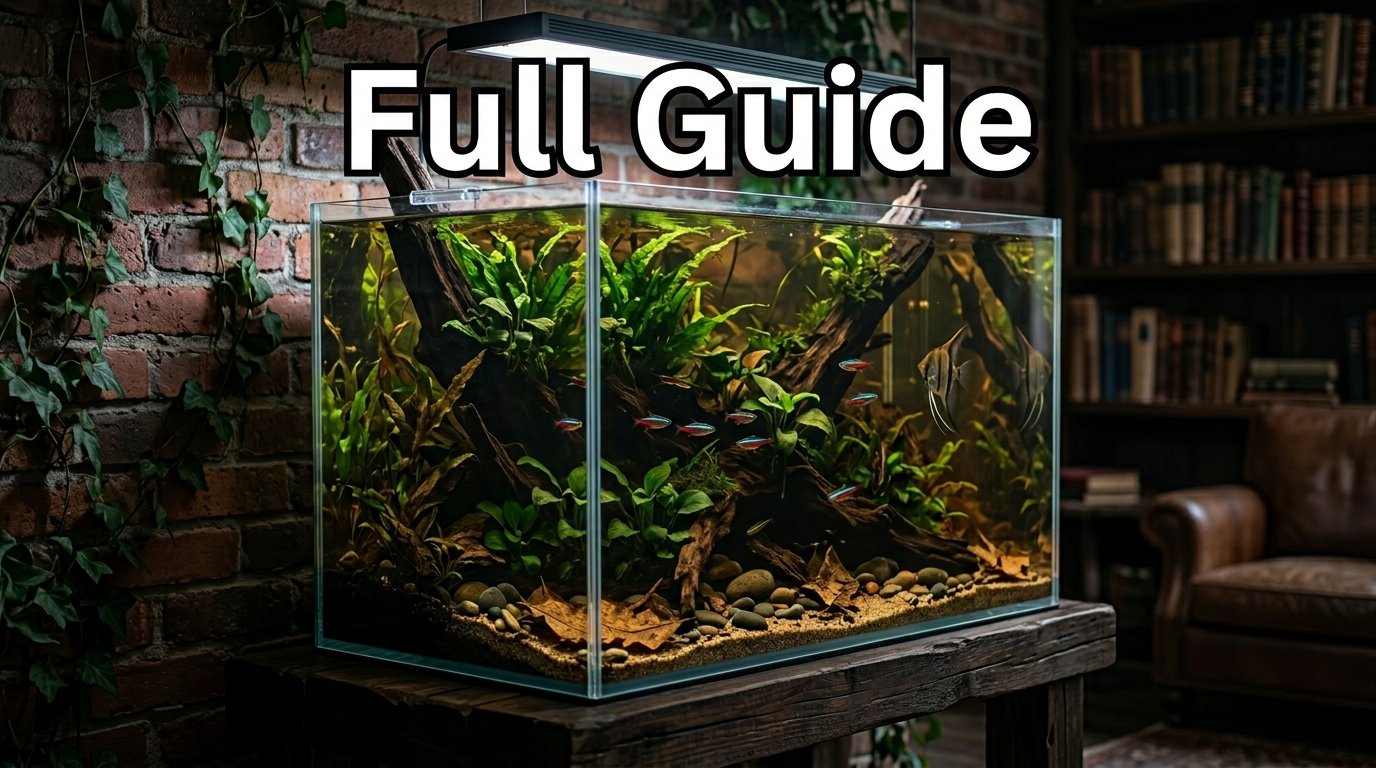
A fish tanks setup is one of the most rewarding ways to bring the beauty of nature into your home, office, or commercial space. Fish tanks provide a fascinating glimpse into underwater life while serving as stunning decorative features. From small desktop aquariums to large custom-built displays, fish tanks offer endless possibilities for creativity, relaxation, and education.
Whether you are a beginner purchasing your first aquarium or an experienced hobbyist looking to upgrade your setup, understanding the essentials of fish tanks will help you create a thriving aquatic environment. This comprehensive guide covers everything you need to know about fish tanks, including types, sizes, equipment, fish selection, maintenance, and design ideas.
What Are Fish Tanks?
Fish tanks are glass or acrylic containers designed to house fish, aquatic plants, and other aquatic organisms. They create a controlled environment where fish can live safely while allowing owners to enjoy observing aquatic ecosystems.
Fish tanks can range from small nano aquariums holding just a few gallons of water to massive display aquariums containing hundreds of gallons.
Why Fish Tanks Are Popular
Fish tanks have remained popular for decades because they offer numerous benefits.
Advantages of Fish Tanks
- Enhance interior décor
- Create a relaxing atmosphere
- Provide an engaging hobby
- Encourage learning about aquatic life
- Offer creative aquascaping opportunities
- Add natural beauty to any room
Many people find watching fish swim through an aquarium calming and enjoyable.
Types of Fish Tanks
There are many different types of fish tanks available to suit various interests and experience levels.
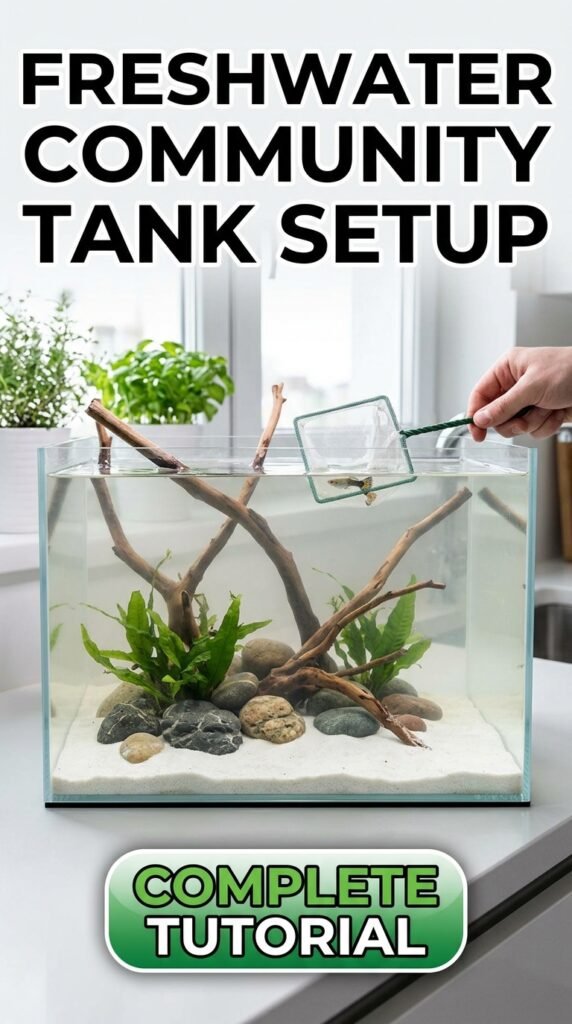
Freshwater Fish Tanks
Freshwater aquariums are the most common type.
Benefits
- Easier maintenance
- Lower cost
- Wide variety of fish species
- Beginner-friendly
Popular freshwater fish include:
- Guppy
- Neon tetra
- Platy
- Betta fish
Freshwater aquariums are often recommended for new hobbyists.
Saltwater Fish Tanks
Saltwater aquariums house marine fish and invertebrates.
Advantages
- Vibrant colors
- Unique marine species
- Stunning reef displays
Popular marine fish include:
- Clownfish
- Blue tang
Saltwater tanks typically require more specialized equipment and maintenance.
Planted Fish Tanks
Planted aquariums combine fish with live aquatic plants.
Benefits
- Natural appearance
- Improved water quality
- Enhanced fish health
- Beautiful aquascapes
Live plants create a more balanced ecosystem.
Reef Aquariums
Reef tanks focus on corals and marine invertebrates.
These aquariums are among the most visually impressive but require advanced care and monitoring.
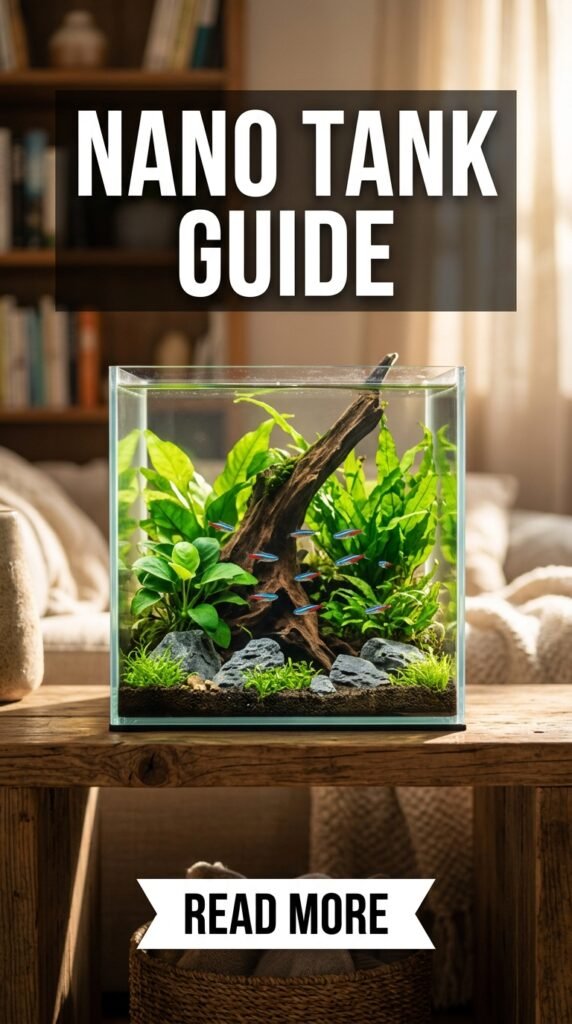
Nano Fish Tanks
Nano aquariums are compact tanks typically under 20 gallons.
Ideal For
- Small apartments
- Offices
- Bedrooms
Despite their size, nano tanks can be highly attractive and functional.
Choosing the Right Fish Tank Size
Selecting the appropriate size is one of the most important decisions.
Small Fish Tanks
Sizes include:
- 5 gallons
- 10 gallons
- 15 gallons
Suitable for:
- Bettas
- Nano fish
- Small planted setups
Medium Fish Tanks
Popular sizes:
- 20 gallons
- 29 gallons
- 40 gallons
- 55 gallons
These provide greater flexibility and stability.
Large Fish Tanks
Common sizes:
- 75 gallons
- 90 gallons
- 125 gallons
Large tanks allow for impressive aquascaping and larger fish communities.
Glass vs Acrylic Fish Tanks
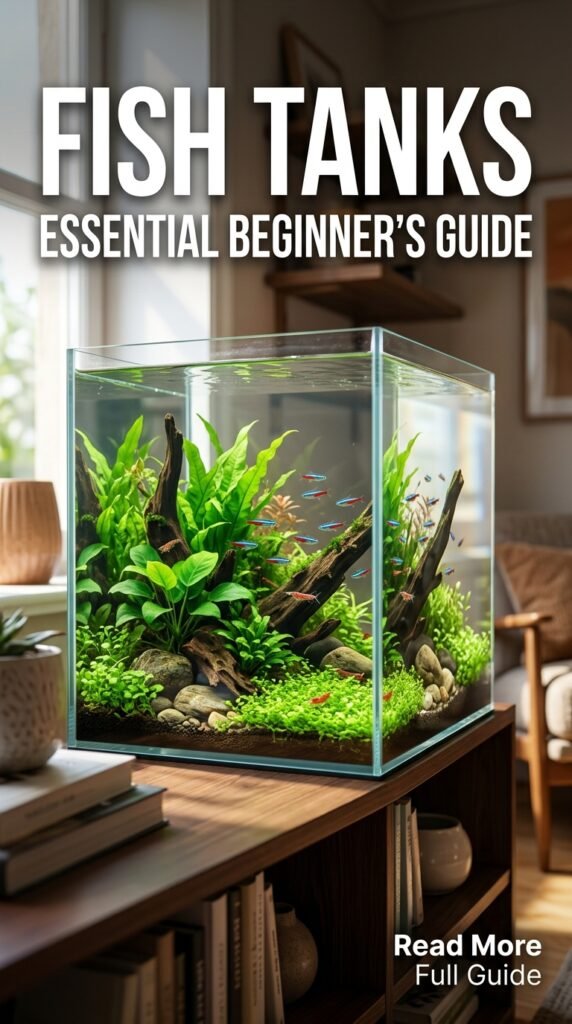
Glass Aquariums
Benefits:
- Scratch resistant
- Clear viewing
- Affordable
Acrylic Aquariums
Advantages:
- Lightweight
- Stronger impact resistance
- Custom shapes available
Both materials can create excellent aquariums.
Essential Equipment for Fish Tanks
Filtration System
A filter helps maintain water quality.
Popular options include:
- Hang-on-back filters
- Canister filters
- Sponge filters
- Internal filters
Filtration is essential for fish health.
Heater
Many tropical fish require temperatures between 76°F and 82°F.
A heater helps maintain consistent water conditions.
Lighting
Aquarium lighting enhances visibility and supports plant growth.
Options include:
- LED lighting
- Full-spectrum lighting
- Smart lighting systems
Substrate
The substrate forms the aquarium floor.
Popular choices:
- Gravel
- Sand
- Aquasoil
The best option depends on your aquarium style.
Thermometer
A thermometer helps monitor water temperature and ensure stability.
Fish Tanks Setup Guide
Step 1: Choose a Location
Select a location that:
- Avoids direct sunlight
- Supports the tank’s weight
- Has nearby electrical outlets
Step 2: Install Substrate
Add your chosen substrate evenly.
Step 3: Arrange Decorations
Popular decorations include:
- Driftwood
- Rocks
- Caves
- Live plants
Step 4: Fill the Tank
Add dechlorinated water carefully.
Step 5: Install Equipment
Set up:
- Filter
- Heater
- Lighting
Step 6: Cycle the Aquarium
Cycling establishes beneficial bacteria that process fish waste.
This step is crucial for a healthy aquarium.
Understanding the Nitrogen Cycle
The nitrogen cycle converts harmful waste products into less toxic compounds.
Ammonia
Produced by fish waste and decaying food.
Nitrite
Created when beneficial bacteria process ammonia.
Nitrate
Produced when additional bacteria process nitrite.
Regular water changes help control nitrate levels.
Best Fish for Fish Tanks
Guppies
Guppy are colorful, active, and easy to care for.
Neon Tetras
Neon tetra are popular schooling fish.
Platies
Platy are peaceful and hardy.
Betta Fish
Betta fish are ideal for planted aquariums.
Corydoras
Corydoras are excellent bottom-dwelling fish.
Fish Tank Decoration Ideas
Nature Aquarium
Features:
- Live plants
- Natural rocks
- Driftwood
Jungle Aquarium
Dense plant growth creates a lush underwater forest.
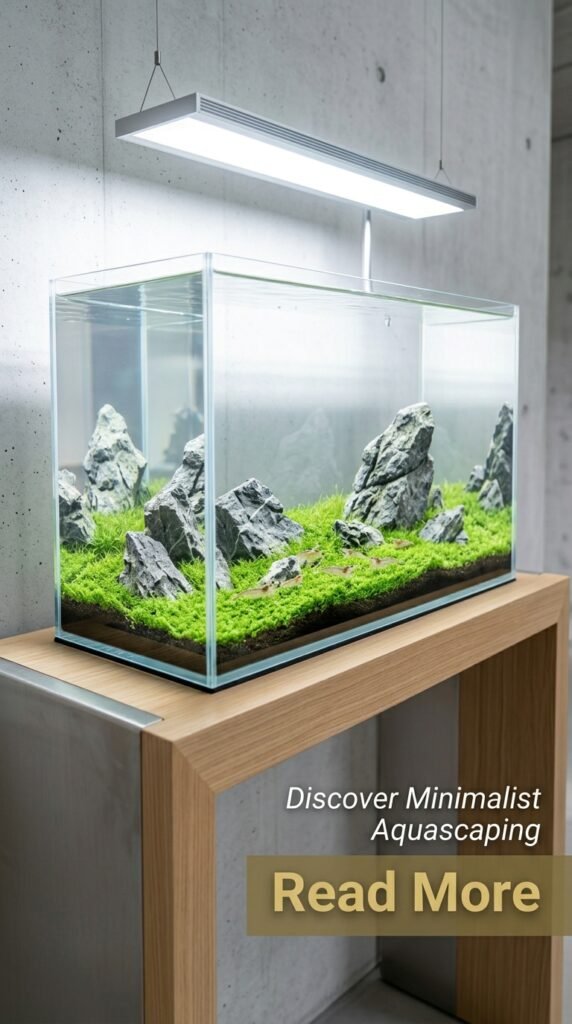
Minimalist Aquarium
Simple layouts emphasize open space and clean design.
Themed Aquarium
Popular themes include:
- Pirate ships
- Ancient ruins
- Underwater castles
Choose decorations that are safe and fish-friendly.
Fish Tank Maintenance
Regular maintenance keeps the aquarium healthy.
Weekly Tasks
- Partial water changes
- Glass cleaning
- Water testing
Monthly Tasks
- Filter maintenance
- Equipment inspection
- Plant trimming
Consistency is key to long-term success.
Common Fish Tank Problems
Algae Growth
Causes:
- Excess lighting
- Overfeeding
- Nutrient imbalances
Cloudy Water
May result from:
- Bacterial blooms
- Overfeeding
- Poor filtration
Fish Illness
Common causes include:
- Poor water quality
- Stress
- Incompatible tank mates
Regular monitoring helps prevent problems.
Fish Tanks for Home Décor
Fish tanks can significantly enhance interior design.
Popular locations include:
- Living rooms
- Bedrooms
- Home offices
- Entryways
A well-designed aquarium often becomes the focal point of a room.
Fish Tanks for Beginners
Beginners should focus on:
- Freshwater setups
- Hardy fish species
- Moderate tank sizes
- Simple maintenance routines
Starting with a manageable setup often leads to greater success.
Future Trends in Fish Tanks
Modern aquariums continue to evolve with:
- Smart monitoring systems
- Automated maintenance equipment
- Advanced LED lighting
- Innovative aquascaping techniques
Technology is making fishkeeping easier and more enjoyable than ever.
Conclusion
A fish tanks setup can transform any space into a vibrant and relaxing environment. Whether you choose a freshwater community aquarium, a planted aquascape, or a marine reef display, proper planning and maintenance are essential for success.
By selecting the right tank size, equipment, fish, and decorations, you can create a thriving aquatic ecosystem that provides years of enjoyment and becomes a stunning centerpiece in your home.
Frequently Asked Questions
What is the best fish tank size for beginners?
A 20- to 40-gallon aquarium is often recommended because it provides stability and flexibility.
How often should fish tanks be cleaned?
Most aquariums require weekly water changes and routine maintenance.
Are fish tanks difficult to maintain?
With proper setup and regular care, most fish tanks are relatively easy to maintain.
What fish are best for beginners?
Guppy, Platy, and Neon tetra are excellent beginner choices.
Can I keep live plants in fish tanks?
Yes, live plants improve water quality, provide shelter for fish, and create a more natural and attractive aquarium.