
 By admin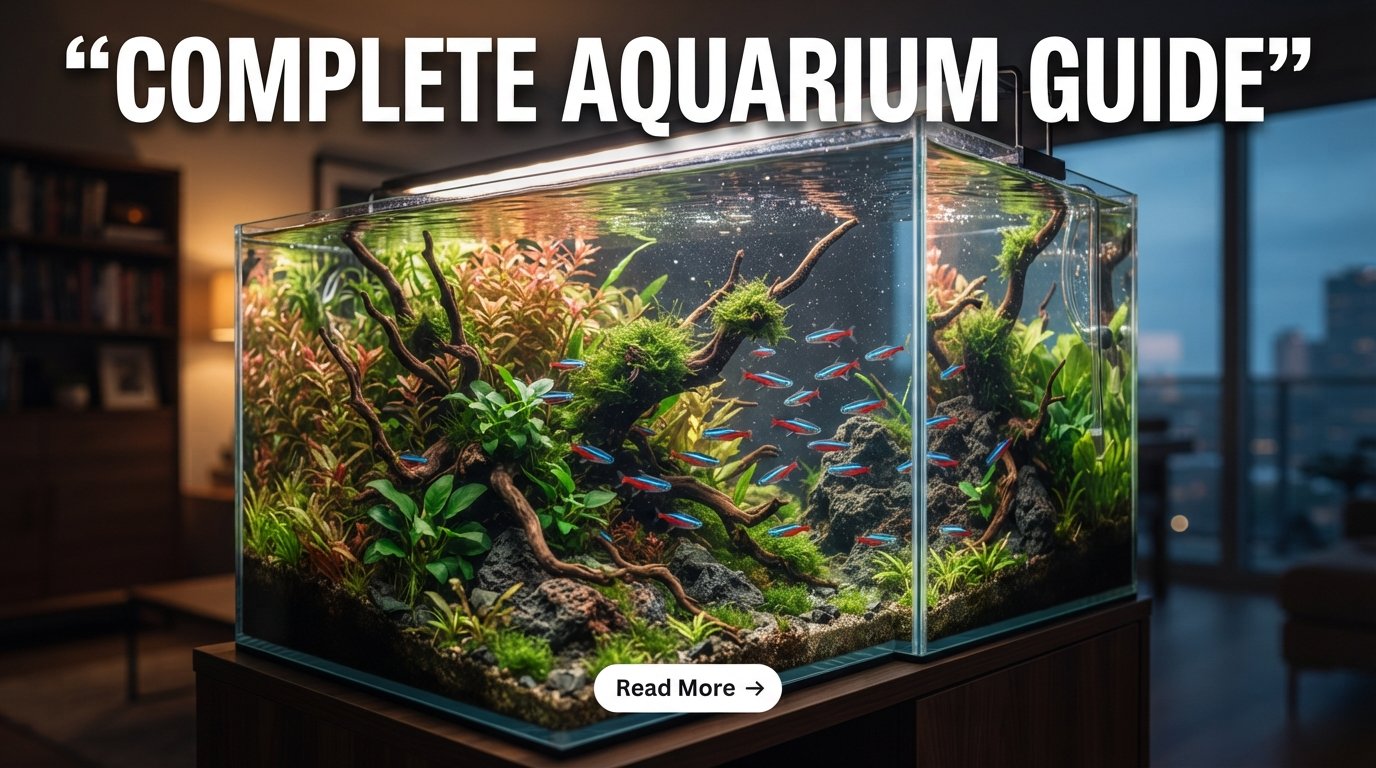
Aquarium digital art is a creative way to combine the beauty of underwater life with modern digital design. Instead of creating a real fish tank, digital artists can use software, tablets, computers, or creative applications to design colorful underwater scenes featuring fish, aquatic plants, coral, rocks, bubbles, and imaginative aquarium environments. These artworks can look realistic, artistic, futuristic, minimalist, or completely fantasy-inspired.
Aquarium digital art is becoming an interesting subject for fish lovers, artists, designers, and aquarium enthusiasts who want to explore underwater creativity without the limitations of a physical aquarium. A digital aquarium can be designed in almost any style, from a realistic planted tank to a glowing fantasy aquarium filled with unusual fish.
Whether you want to create artwork for a website, social media, digital decoration, a personal project, or simply enjoy drawing aquatic scenes, there are countless aquarium digital art ideas to explore.
What Is Aquarium Digital Art?
Aquarium digital art refers to artwork created digitally that represents aquariums, fish tanks, underwater environments, aquatic animals, or imaginary aquatic worlds.
Instead of using traditional paint and paper, artists use digital tools such as drawing tablets, graphic design software, illustration applications, 3D programs, or painting applications.
The final artwork can represent a real aquarium or something completely imaginary. For example, an artist could create a realistic freshwater aquarium with guppies and aquatic plants or design a futuristic glass tank containing glowing fish and floating structures.
Digital art also makes it easier to experiment with colors, lighting, textures, shadows, backgrounds, and different compositions.
Why Aquarium Digital Art Is Popular
Aquariums already provide excellent visual inspiration because they combine colorful fish, plants, water movement, reflections, and interesting structures.
Digital artwork allows artists to exaggerate these features and create scenes that would be difficult or impossible to reproduce in a real aquarium.
A digital artist can create an enormous underwater landscape inside a small virtual tank. They can also experiment with unusual fish colors, fantasy plants, glowing decorations, underwater castles, futuristic technology, or even imaginary aquatic creatures.
Another advantage is flexibility. Digital artwork can be changed repeatedly without starting from the beginning. Colors can be adjusted, objects can be moved, and entire backgrounds can be redesigned.
Popular Aquarium Digital Art Styles
There is no single style for aquarium digital art. The best style depends on the artist’s goals and personal preferences.
Realistic Aquarium Art
Realistic digital aquarium artwork attempts to reproduce the appearance of a real fish tank.
Artists pay close attention to fish anatomy, water reflections, plant shapes, lighting, glass distortion, substrate, and shadows.
This style is ideal for people who enjoy realistic planted aquariums and natural aquatic environments.
Fantasy Aquarium Art
Fantasy aquarium artwork allows artists to move beyond real-world limitations.
A fantasy aquarium could contain glowing fish, magical plants, underwater castles, mythical creatures, colorful coral forests, or mysterious caves.
This style provides almost unlimited creative freedom.
Minimalist Aquarium Art
Minimalist aquarium digital art focuses on simplicity.
The artwork may contain only a few fish, a simple background, limited decorations, and a small number of colors.
This style can work especially well as digital wall art, phone wallpapers, desktop backgrounds, and simple decorative designs.
Cartoon Aquarium Art
Cartoon-style aquarium artwork uses simplified shapes, exaggerated expressions, and bright colors.
Fish can be given playful personalities, making this style particularly suitable for children’s artwork, educational projects, social media graphics, and fun illustrations.
Pixel Aquarium Art
Pixel art uses small blocks of color to create fish and underwater environments.
A pixel aquarium can recreate the nostalgic appearance of classic video games while still using aquarium themes.
Small fish, plants, bubbles, rocks, and decorations can all be represented using carefully arranged pixels.
3D Aquarium Art
3D digital art can create highly realistic virtual aquariums.
Artists can model fish, plants, rocks, tanks, furniture, and lighting in three-dimensional software.
The result can look like a photograph of a real aquarium or a completely fictional underwater environment.
Aquarium Digital Art Ideas
There are countless ideas you can use when creating aquarium digital art. Starting with a clear concept makes the creative process easier.
1. Tropical Fish Aquarium
Create a colorful tropical aquarium filled with bright fish, green plants, driftwood, rocks, and natural decorations.
You can use fish such as guppies, angelfish, tetras, gouramis, and other colorful freshwater species as inspiration.
2. Betta Aquarium Digital Art
A betta fish can become the central subject of a digital illustration.
Use flowing fins, vibrant colors, floating plants, and dramatic lighting to emphasize the fish.
A dark background can make a brightly colored betta stand out.
3. Guppy Aquarium Artwork
Guppies are excellent subjects because of their colorful bodies and elaborate tails.
A digital artwork could show a group of guppies swimming through a heavily planted aquarium.
Different tail patterns and colors can create visual variety without requiring complicated decorations.
4. Underwater Fantasy Aquarium
Create an imaginary aquarium containing glowing plants, magical fish, underwater ruins, colorful crystals, and mysterious caves.
This concept allows you to combine aquarium design with fantasy illustration.
5. Modern Aquarium Digital Art
A modern aquarium scene can feature a minimalist glass tank, elegant furniture, simple plants, clean lines, and subtle lighting.
This style can be useful for interior design concepts or contemporary digital artwork.
6. Neon Aquarium
A neon aquarium can use glowing blue, purple, pink, and other vibrant colors to create a futuristic underwater environment.
Imagine glowing fish swimming between illuminated plants and rocks.
This style works particularly well for digital wallpapers and futuristic artwork.
7. Nano Aquarium Artwork
Small aquariums can make excellent subjects for digital illustrations.
Create a tiny glass aquarium containing miniature plants, moss, rocks, and a few small fish or shrimp.
The small scale can create a charming and detailed composition.
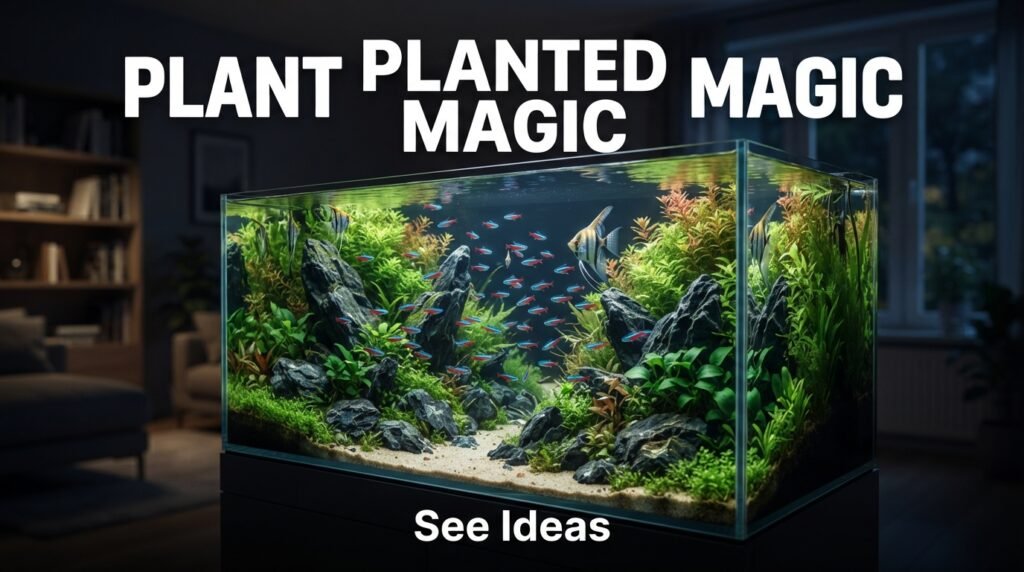
8. Planted Aquarium Digital Art
A planted aquarium can focus on lush greenery rather than decorations.
Use different plant heights and leaf shapes to create depth. Add fish swimming between the plants to make the artwork feel alive.
9. Ocean Aquarium Art
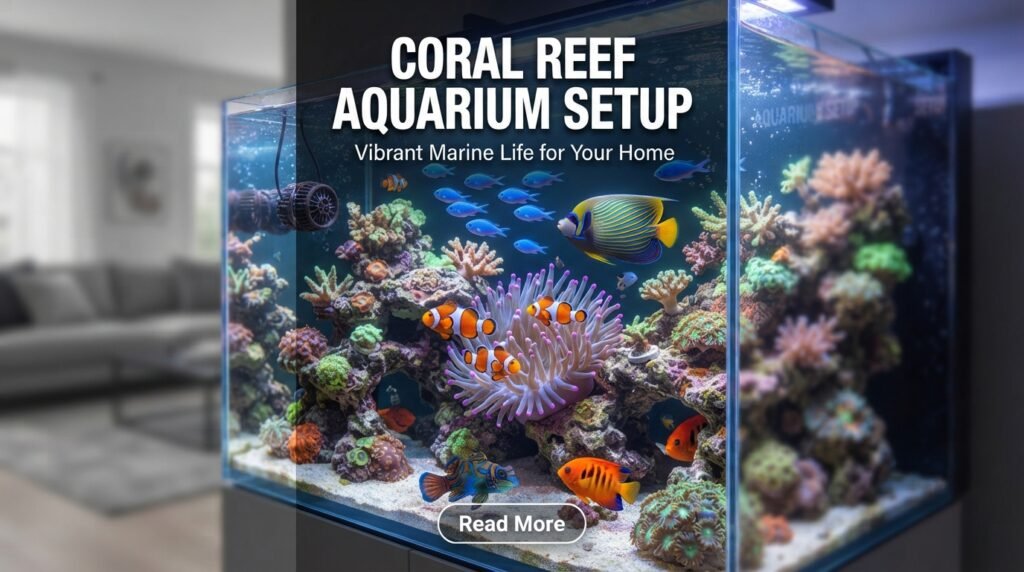
Instead of a freshwater aquarium, create a marine aquarium featuring saltwater fish, coral, anemones, sea stars, and other marine-inspired elements.
Blue lighting can create a deep underwater appearance.
10. Fantasy Fish Tank
Design a tank containing fish that do not exist in the real world.
You could create fish with glowing fins, unusual body shapes, transparent bodies, or colorful patterns.
This is one of the biggest advantages of digital art: you are not limited by real-world biology.
Elements to Include in Aquarium Digital Art
The right combination of elements can make an aquarium illustration look more realistic and interesting.
| Element | Purpose in Artwork |
|---|---|
| Fish | Main subject and movement |
| Aquatic plants | Natural background and depth |
| Rocks | Structure and texture |
| Driftwood | Natural focal point |
| Substrate | Creates the aquarium floor |
| Bubbles | Adds movement |
| Light rays | Creates atmosphere |
| Glass reflections | Adds realism |
| Coral | Useful for marine scenes |
| Background | Creates depth |
| Shadows | Improves three-dimensional appearance |
Creating Depth in Aquarium Digital Art
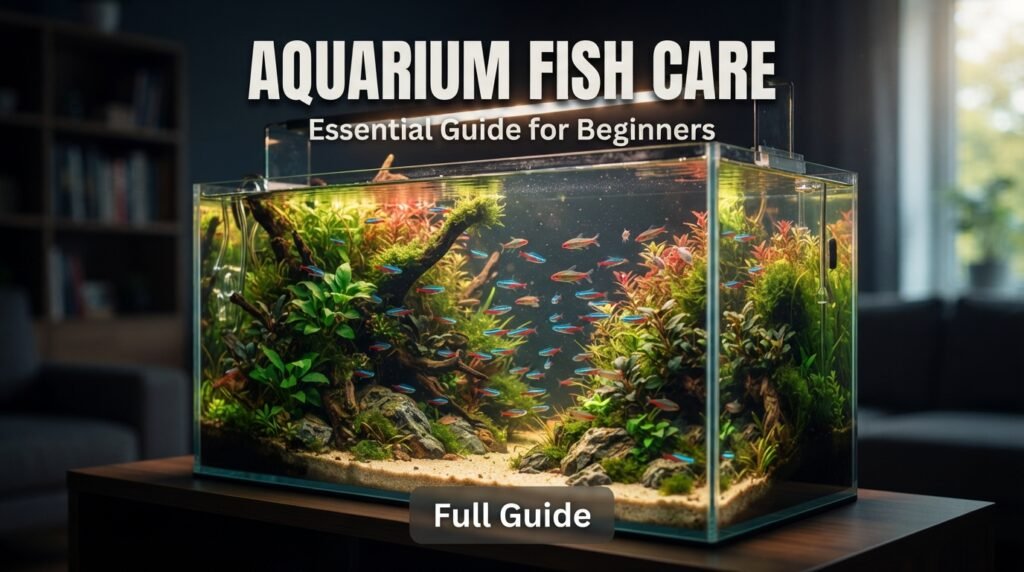
Depth is important because a flat illustration can make an aquarium look unrealistic.
One way to create depth is to use different sizes of objects. Larger plants and decorations can appear closer to the viewer, while smaller objects can be placed farther away.
Color can also create depth. Objects in the foreground can have stronger detail, while background elements can be slightly softer.
Layering is another useful technique. Place the aquarium glass in the front, fish and decorations in the middle, and background plants or scenery behind them.
Shadows and lighting can further strengthen the three-dimensional effect.
Using Light in Aquarium Digital Art
Lighting can completely change the mood of an aquarium illustration.
Soft lighting can create a peaceful and natural atmosphere. Strong blue lighting can make the aquarium feel deeper and more dramatic.
A spotlight can be used to draw attention to a particular fish.
Light rays coming from above can create the impression that sunlight is passing through water.
For fantasy artwork, glowing plants, neon fish, or illuminated decorations can create an entirely different visual experience.
Aquarium Digital Art Color Ideas
Color selection should support the mood of the artwork.
Natural aquariums often use greens, browns, blues, and soft neutral colors.
Tropical aquarium scenes can use brighter combinations of orange, yellow, red, blue, and green.
Fantasy aquariums can use almost any color combination. Purple and blue can create a mysterious environment, while bright pink and cyan can create a futuristic appearance.
One important principle is contrast. A colorful fish should stand out from its background rather than disappearing into similar colors.
How to Make Digital Fish Look Realistic
When creating realistic aquarium digital art, observe the shape and anatomy of real fish.
Pay attention to the position of the eyes, body proportions, fins, scales, and mouth.
Fish should also interact naturally with the water. Their fins should appear to move, and their bodies should have appropriate shadows and highlights.
Reflections and slight distortions caused by aquarium glass can further improve realism.
Avoid making every fish face the same direction. Different swimming positions can make the scene feel more natural.
Aquarium Digital Art for Beginners
You do not need to be an advanced artist to start creating aquarium digital art.
Begin with simple shapes. Draw the aquarium using basic rectangles and curves, then add substrate, plants, rocks, and fish.
Instead of trying to create a complicated underwater world immediately, start with one fish and a few plants.
Once you become comfortable with layers, brushes, shading, and color, you can gradually increase the complexity of your artwork.
A simple aquarium scene can still be beautiful if the composition, colors, and lighting work well together.
Digital Aquarium Art as a Wallpaper
Aquarium artwork can make attractive desktop and mobile wallpapers.
A calm underwater scene with slowly swimming fish and aquatic plants can create a relaxing visual background.
For wallpapers, consider leaving some open space so icons or text do not cover the main subject.
Wide compositions work well for desktop displays, while taller compositions can be designed for phones.
Aquarium Digital Art for Social Media
Aquarium artwork can also be used for social media posts, profiles, backgrounds, and creative projects.
Bright colors and strong focal points can make aquarium illustrations visually attractive.
A single fish placed against a simple background can sometimes be more effective than an overcrowded composition.
For social media graphics, make sure the main subject is easy to recognize even when the artwork is displayed at a smaller size.
Digital Art Inspired by Real Aquariums
One of the best ways to improve aquarium digital art is to observe real aquariums.
Study how light passes through water, how plants overlap, how fish move, and how objects appear behind glass.
Real aquariums can provide inspiration for compositions, plant arrangements, fish positioning, and color combinations.
You can also create a digital interpretation of your own aquarium rather than copying it exactly. This allows you to preserve the basic layout while adding your own artistic style.
Common Mistakes in Aquarium Digital Art
One common mistake is adding too many objects.
A crowded aquarium can make it difficult to identify the main subject. Give important fish enough space to stand out.
Another mistake is using identical lighting everywhere. Real underwater environments contain areas of light and shadow.
Incorrect fish proportions can also reduce realism. Research the appearance of the species you are drawing if accuracy is important.
Overusing bright colors can create a chaotic appearance. A controlled color palette usually produces a more attractive composition.
How to Improve Your Aquarium Digital Art
Practice is the most important part of improving digital artwork.
Start by creating simple aquarium scenes and experiment with different layouts.
Try drawing the same aquarium in several styles. For example, create one realistic version, one cartoon version, and one fantasy version.
Experiment with lighting, backgrounds, plants, fish positions, and color combinations.
Over time, you will develop your own visual style.
Aquarium Digital Art and AI Creativity
Modern digital creative tools can also help artists experiment with aquarium concepts. They can be useful for brainstorming unusual aquarium environments, exploring color combinations, and developing visual concepts.
However, human creativity remains important. A strong concept, thoughtful composition, and understanding of aquatic environments can make the final artwork more distinctive.
Whether you create everything manually or use digital creative tools as part of your workflow, aquarium knowledge can help you produce more convincing and interesting underwater scenes.
Best Subjects for Aquarium Digital Art
Some aquarium subjects are particularly visually interesting because they offer strong shapes, colors, or movement.
Bettas are excellent because of their flowing fins. Guppies provide colorful patterns and tails. Angelfish offer elegant silhouettes. Discus fish have unusual rounded shapes, while neon tetras provide bright lines of color.
Shrimp, snails, aquatic plants, coral, and underwater decorations can also add detail to a composition.
The best subject ultimately depends on the style of artwork you want to create.
Final Thoughts
Aquarium digital art combines the peaceful beauty of aquatic environments with the creative freedom of digital design. It allows artists to create realistic fish tanks, colorful tropical scenes, fantasy aquariums, futuristic underwater worlds, minimalist illustrations, and countless other concepts.
You can begin with something simple, such as a small planted aquarium containing a few fish, and gradually develop more detailed scenes as your skills improve. Pay attention to composition, lighting, color, depth, fish anatomy, and the relationship between different elements.
Whether you are an aquarium enthusiast, digital artist, designer, or simply someone who enjoys underwater scenery, aquarium digital art provides almost unlimited opportunities for creativity.
Frequently Asked Questions About Aquarium Digital Art
What is aquarium digital art?
Aquarium digital art is artwork created digitally that represents fish tanks, aquatic animals, underwater environments, plants, coral, or imaginary aquarium scenes.
What can I include in aquarium digital art?
You can include fish, aquatic plants, rocks, driftwood, coral, bubbles, substrate, aquarium decorations, lighting effects, and backgrounds.
Is aquarium digital art difficult for beginners?
It can be started at a very simple level. Beginners can create an aquarium using basic shapes and gradually learn shading, layers, lighting, and more advanced techniques.
What fish are best for digital aquarium artwork?
Guppies, bettas, angelfish, discus, neon tetras, gouramis, and other colorful fish make excellent subjects because of their distinctive shapes and colors.
Can aquarium digital art be realistic?
Yes. Artists can create highly realistic digital aquariums by carefully reproducing fish anatomy, water reflections, lighting, plants, glass effects, and shadows.
Can I create fantasy aquarium digital art?
Yes. Digital art is ideal for fantasy concepts because you can create imaginary fish, glowing plants, magical decorations, underwater castles, and other elements that may not exist in real aquariums.
What colors work well for aquarium digital art?
Blue, green, turquoise, orange, red, yellow, purple, and cyan can all work well. The best colors depend on whether you want a natural, tropical, minimalist, or fantasy appearance.
Can aquarium digital art be used as wallpaper?
Yes. Aquarium artwork can be designed as desktop, tablet, or mobile wallpaper. The composition should be adjusted to the screen format.
How do I make digital aquarium water look realistic?
Use transparent layers, subtle gradients, reflections, light rays, shadows, bubbles, and gentle color variations. Avoid making the water a single flat color.
How can I make my aquarium digital art more interesting?
Create a clear focal point, use depth, vary fish positions, add natural plants and decorations, and use lighting to guide attention toward the main subject.