
 By admin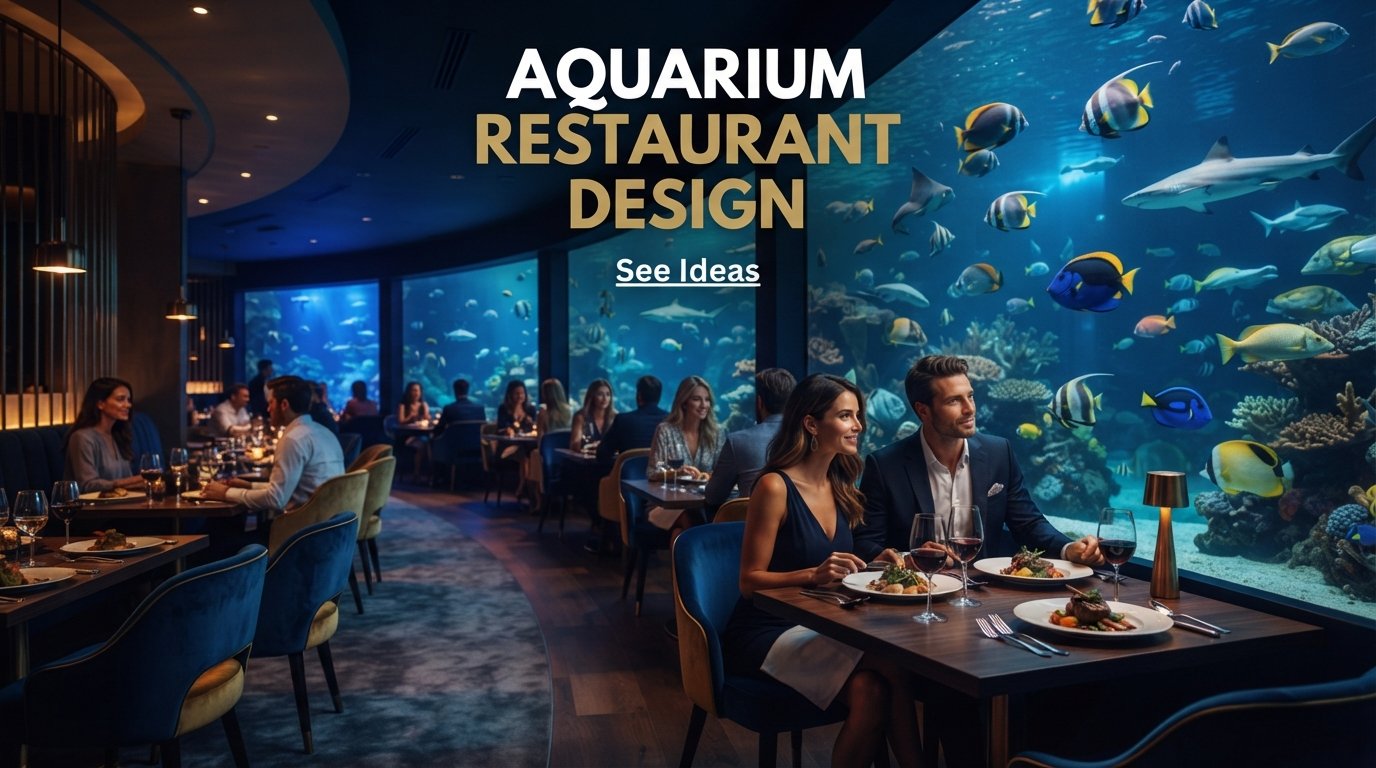
Aquarium restaurant design can transform an ordinary dining space into a memorable underwater-inspired experience. By combining carefully designed aquariums, modern furniture, creative lighting, natural materials, and thoughtful restaurant layouts, owners can create a unique environment where guests enjoy both food and aquatic beauty. An aquarium can become a centerpiece, a wall feature, a room divider, or even an integrated architectural element.
A successful aquarium restaurant is not simply a restaurant with fish tanks. The design should connect the aquarium with the overall dining atmosphere while keeping guests comfortable and ensuring that the aquatic displays can be safely maintained. Whether you are planning a small seafood restaurant, luxury dining space, family restaurant, hotel restaurant, or modern café, aquarium-inspired design can provide a strong visual identity.
What Is Aquarium Restaurant Design?
Aquarium restaurant design refers to incorporating aquariums and aquatic-inspired elements into the interior or exterior design of a dining establishment.
The aquarium may be positioned behind a reception desk, built into a wall, placed between dining areas, installed as a large centerpiece, or integrated into a bar or lounge area.
The most effective designs make the aquarium feel like part of the architecture rather than an object that was added later.
Why Choose an Aquarium for a Restaurant?
Restaurants compete heavily on atmosphere and customer experience. A beautiful aquarium can create an environment that guests remember long after their meal.
Aquariums can provide several benefits:
- Create an attractive focal point
- Give guests something interesting to observe
- Add movement and life to the interior
- Create a relaxing atmosphere
- Strengthen restaurant branding
- Improve the visual appeal of waiting areas
- Separate dining zones without solid walls
- Provide excellent photo opportunities
- Make a restaurant feel more distinctive
- Complement seafood or ocean-themed concepts
The aquarium should support the restaurant rather than distract from food, conversation, and service.
Popular Aquarium Restaurant Design Styles
| Design Style | Main Features | Best For |
|---|---|---|
| Luxury Aquarium Restaurant | Large tanks, elegant materials, dramatic lighting | Fine dining |
| Modern Aquarium Restaurant | Glass, clean lines, minimalist furniture | Contemporary restaurants |
| Ocean Theme | Blue tones, aquatic décor, marine displays | Seafood restaurants |
| Natural Aquarium Restaurant | Plants, wood, stone, natural aquariums | Relaxed dining |
| Aquarium Wall Restaurant | Large built-in wall tank | Feature interiors |
| Aquarium Divider | Tank separates dining zones | Open-plan restaurants |
| Family Aquarium Restaurant | Colorful fish and interactive displays | Family dining |
| Underwater Theme | Deep blue lighting and immersive décor | Entertainment dining |
Large Aquarium as the Main Focal Point
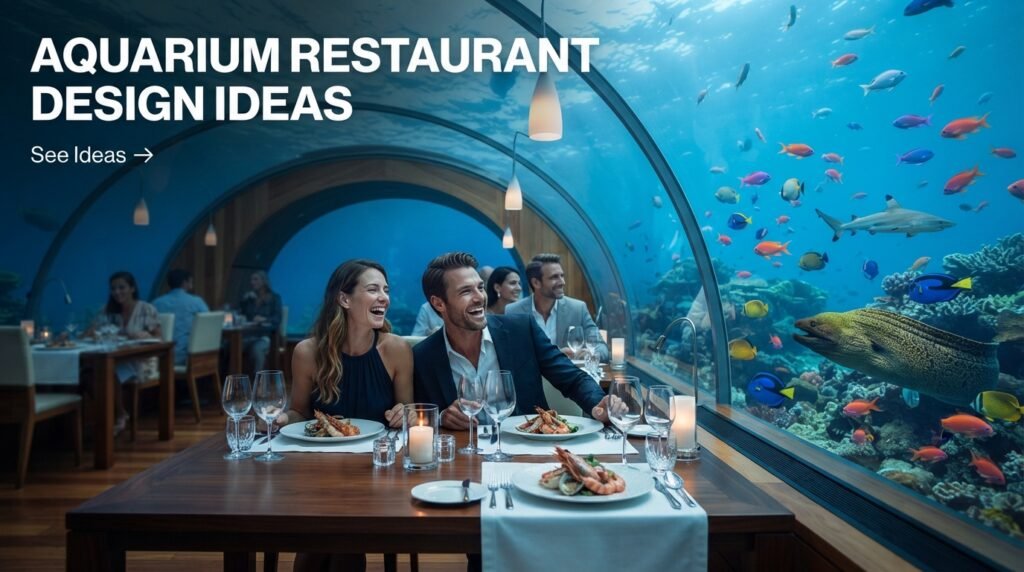
One of the strongest aquarium restaurant ideas is to create a large feature aquarium.
The aquarium can be positioned behind the reception area or at the center of a main dining wall. A large planted freshwater aquarium can create a sophisticated natural atmosphere, while a marine aquarium can provide a dramatic ocean-inspired appearance.
The surrounding wall should remain relatively simple so that the aquarium becomes the primary visual focus.
Aquarium Wall Design
A built-in aquarium wall can make an impressive restaurant interior.
Instead of placing a tank in front of a wall, the aquarium can be designed into the architecture. The surrounding frame can match the restaurant’s furniture, flooring, or ceiling design.
For example, a modern restaurant could use a frameless glass aquarium surrounded by dark architectural panels. A natural restaurant could combine the aquarium with wood and stone.
The maintenance area should be accessible from behind the wall without disrupting customers.
Aquarium as a Room Divider
An aquarium can serve a practical purpose as well as a decorative one.
A long aquarium positioned between dining areas can separate spaces while allowing light and visual connection to continue between them.
This works especially well in open-plan restaurants.
For example, an aquarium could separate:
- Main dining and lounge
- Family and private dining
- Reception and dining
- Bar and restaurant
- Waiting area and dining area
A transparent aquarium divider can create separation without making the restaurant feel closed.
Aquarium Restaurant Entrance
The entrance is an excellent location for a feature aquarium.
Guests should immediately understand the restaurant’s concept when they walk through the door. A carefully illuminated aquarium near reception can establish the atmosphere before customers reach their tables.
The entrance aquarium can be large or relatively compact depending on available space.
A reception desk positioned beside rather than directly in front of the aquarium can allow both elements to remain visible.
Aquarium Behind the Reception Desk
An aquarium behind the reception desk creates an impressive first impression.
The tank can function almost like living artwork. Guests waiting for tables can watch the fish while staff manage reservations.
Use a simple reception counter and avoid excessive decoration around the tank.
The aquarium can also incorporate the restaurant’s branding through subtle signage or architectural framing.
Aquarium Behind a Restaurant Bar
A large aquarium behind a bar can create a sophisticated atmosphere.
Illuminated aquariums work especially well in evening restaurants. A dark bar counter combined with a bright aquarium can create strong contrast.
The aquarium should be positioned so that reflections from bottles, glassware, and lighting do not make viewing difficult.
Maintenance access should also be planned carefully because the area behind the bar can become busy.
Seafood Restaurant Aquarium Design
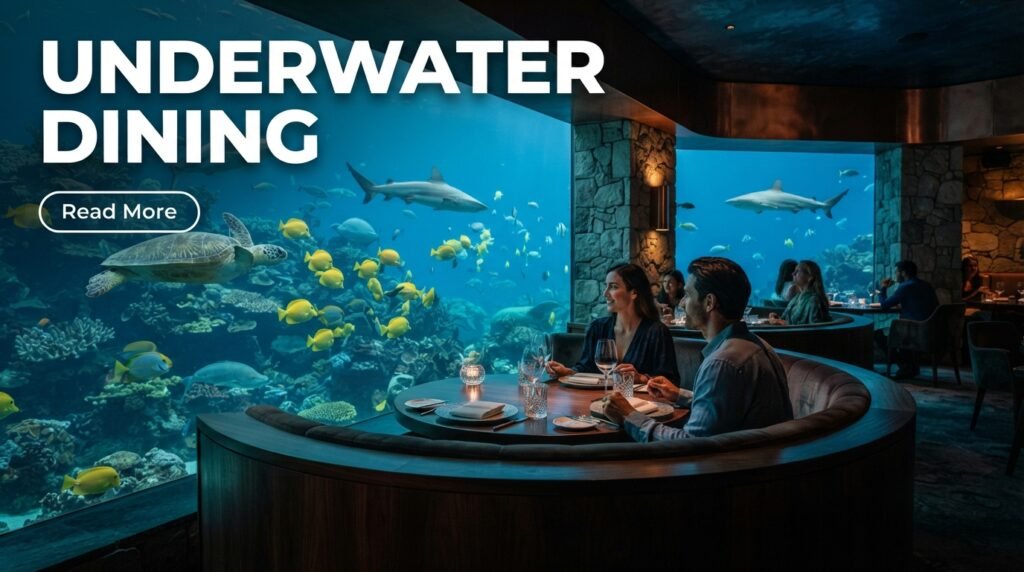
Aquariums are particularly natural additions to seafood restaurants.
A marine-themed restaurant can use saltwater aquariums, coral-inspired décor, ocean colors, and natural textures.
However, the aquarium should not simply contain random marine decorations. A carefully designed reef display can provide a much more sophisticated appearance.
For a premium seafood restaurant, a large reef aquarium can become the signature feature of the dining room.
Modern Aquarium Restaurant Interior
Modern aquarium restaurants usually focus on simplicity.
Clean furniture, neutral walls, glass, metal, wood, and carefully controlled lighting allow the aquarium to stand out.
Avoid filling the restaurant with excessive nautical decorations. A single impressive aquarium can communicate the concept more effectively than dozens of artificial ocean-themed accessories.
Luxury Aquarium Restaurant
A luxury aquarium restaurant can use large architectural aquariums as part of the interior design.
Possible elements include:
- Floor-to-ceiling aquarium
- Custom-built wall aquarium
- Large reef display
- Elegant stone surfaces
- Premium wood finishes
- Soft architectural lighting
- High-quality furniture
- Private dining aquarium
- Custom aquarium partitions
The goal is to make the aquarium feel like an architectural artwork.
Floor-to-Ceiling Aquarium
A floor-to-ceiling aquarium can create an immersive visual experience.
Large vertical tanks are particularly useful in restaurants with high ceilings. They draw attention upward and can make the space feel more dramatic.
However, large aquariums require careful structural planning. Their weight, filtration system, plumbing, electrical equipment, and maintenance access must be considered before construction.
Underwater-Themed Restaurant
Some restaurants may want to take the aquarium concept further and create an underwater atmosphere.
Blue and turquoise lighting, curved architectural elements, aquatic textures, subtle wave patterns, and carefully selected aquarium displays can create this feeling.
The design should remain sophisticated rather than becoming overly decorative.
A few strong aquatic elements are usually more effective than covering every surface with ocean imagery.
Natural Aquarium Restaurant
A natural aquarium design can create a peaceful dining environment.
Use planted aquariums with driftwood, rocks, moss, aquatic plants, and natural-looking layouts.
Combine these displays with wood furniture, stone textures, indoor plants, and warm lighting.
This style can work particularly well for cafés, casual dining restaurants, Japanese-inspired restaurants, and wellness-oriented dining spaces.
Japanese-Inspired Aquarium Restaurant
Japanese-inspired restaurant interiors often pair beautifully with aquariums.
A minimalist planted aquarium with carefully arranged rocks, aquatic plants, and open space can complement simple furniture and natural materials.
The design should emphasize balance and calmness.
Rather than using many decorative objects, focus on a few carefully selected elements.
Aquarium Above Dining Tables
Smaller aquariums can sometimes be integrated into dining zones.
A wall aquarium positioned beside or behind a dining table can give guests a private underwater view.
However, placing aquariums directly above tables requires careful consideration of structural support, water safety, maintenance access, and potential leakage.
Built-in designs are generally easier to manage than improvised installations.
Private Dining Aquarium
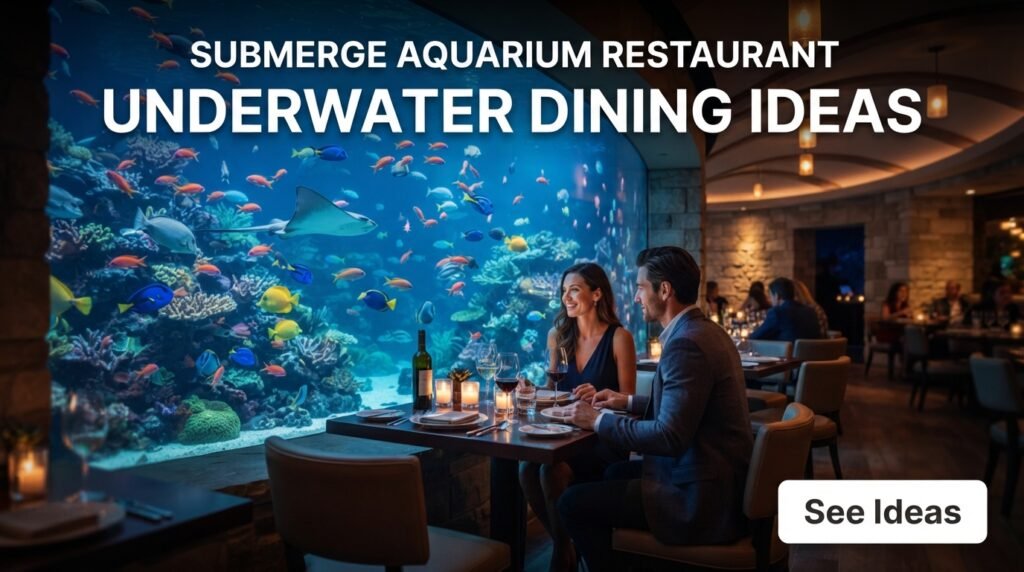
A private dining room with an aquarium wall can create a premium experience.
A large aquarium can serve as the visual background while guests dine.
This idea works especially well for:
- Luxury restaurants
- Hotel restaurants
- Private dining rooms
- Celebration restaurants
- Business dining
- Romantic dining spaces
The aquarium can provide atmosphere without taking up additional floor space.
Small Aquarium Restaurant Design
A small restaurant does not need a massive aquarium.
One well-designed medium-sized tank can be enough to establish the concept.
Wall-mounted or built-in aquariums are useful when floor space is limited. Aquarium room dividers can also serve two purposes by separating spaces while providing decoration.
Avoid using too many small tanks because they can make the restaurant feel crowded.
Aquarium Lighting for Restaurants
Lighting needs special attention in restaurants.
The aquarium should be visible without becoming so bright that it distracts diners.
Warm restaurant lighting can be combined with carefully controlled aquarium lighting to create contrast.
Avoid strong reflections on the glass. Positioning ceiling fixtures correctly can dramatically improve the appearance of the aquarium.
The lighting schedule should also be coordinated with restaurant operating hours and the needs of the aquarium inhabitants.
Choosing Fish for a Restaurant Aquarium
Fish selection should be based on the aquarium environment rather than appearance alone.
Consider:
- Tank size
- Water parameters
- Compatibility
- Adult fish size
- Swimming behavior
- Maintenance requirements
- Lighting requirements
- Restaurant operating conditions
A peaceful community aquarium can create a relaxing atmosphere, while a marine display can provide a more dramatic visual experience.
Avoid selecting fish simply because they look attractive in photographs.
Aquarium Plants and Natural Decorations
Aquatic plants can make freshwater restaurant aquariums look more natural.
Popular design elements include:
- Anubias
- Java fern
- Cryptocoryne
- Aquarium moss
- Vallisneria
- Amazon sword
- Driftwood
- Natural rocks
- Sand paths
The design should match the restaurant’s overall theme.
Aquarium and Restaurant Color Schemes
The aquarium should complement the interior color palette.
Neutral interiors provide a flexible background for colorful fish.
Dark interiors can make illuminated aquariums appear more dramatic.
Natural wood, beige, green, gray, and stone colors work well with planted aquariums.
Blue should be used carefully. An excessive amount of blue lighting can make food and skin tones appear unnatural.
Aquarium Restaurant Furniture
Furniture should not compete with the aquarium.
Simple tables and chairs can allow the aquarium to become the visual centerpiece.
For luxury interiors, elegant furniture can be combined with large architectural tanks.
The arrangement should leave clear viewing angles so guests can see the aquarium from multiple tables.
Restaurant Aquarium Maintenance
Maintenance is one of the most important considerations.
A restaurant aquarium needs regular:
- Water testing
- Water changes
- Glass cleaning
- Filter maintenance
- Equipment checks
- Fish observation
- Plant trimming
- Algae control
- Lighting checks
Maintenance should preferably happen outside peak dining periods.
A hidden service area behind or beneath the aquarium can make routine maintenance much easier.
Hygiene and Safety Considerations
Aquariums contain water and electrical equipment, so restaurant designs must take safety seriously.
Electrical connections should be appropriately protected from water exposure.
Floors around aquariums should be suitable for occasional spills and easy to clean.
Aquarium access should not interfere with food preparation areas.
If an aquarium is located near a kitchen, careful separation is particularly important.
Common Aquarium Restaurant Design Mistakes
A beautiful aquarium can become a problem if it is poorly integrated into the restaurant.
Common mistakes include:
- Choosing a tank that is too large for the space
- Poor maintenance access
- Excessive aquarium lighting
- Too many decorative elements
- Narrow walkways
- Poor electrical planning
- Inadequate filtration
- Ignoring structural requirements
- Placing tanks too close to kitchen areas
- Creating excessive reflections
- Choosing incompatible fish
- Making the aquarium more distracting than the dining environment
The aquarium should enhance the restaurant, not dominate every aspect of it.
How to Plan an Aquarium Restaurant
Begin with the restaurant’s concept.
Decide whether the atmosphere should be modern, luxurious, natural, tropical, marine, minimalist, or family-friendly.
Next, identify the best aquarium location.
Then consider the tank dimensions, structural support, plumbing, filtration, lighting, electrical connections, and maintenance access.
After the aquarium infrastructure is planned, select furniture, wall finishes, colors, lighting, and decorative elements that complement it.
Finally, consider the customer experience from entrance to table to checkout.
Budget-Friendly Aquarium Restaurant Ideas
An impressive aquarium restaurant does not always require a huge custom installation.
A smaller planted aquarium can create a strong focal point when designed well.
Other affordable improvements include:
- Using one feature aquarium
- Adding natural plants around the tank
- Improving aquarium lighting
- Creating a simple wood frame
- Using neutral wall colors
- Installing an aquarium near reception
- Using an existing wall for a built-in display
- Adding small aquatic-themed details instead of excessive decoration
Good composition is often more important than size.
Final Thoughts
Aquarium restaurant design offers an opportunity to combine architecture, hospitality, nature, and aquatic beauty into one memorable experience. A carefully planned aquarium can become the centerpiece of a dining room, a stylish room divider, an impressive entrance feature, or a relaxing background for private dining.
The best designs consider both aesthetics and practicality. Tank size, structural support, lighting, filtration, maintenance access, customer movement, safety, and restaurant operations should all be considered before installation.
Whether you choose a large reef aquarium, a minimalist planted tank, a dramatic wall aquarium, or a simple feature display, the goal should be to create a space where the aquarium feels naturally connected to the restaurant.
A successful aquarium restaurant does not need to overwhelm guests with decoration. One beautifully designed aquarium, positioned thoughtfully and maintained properly, can create a powerful atmosphere that customers remember.
Frequently Asked Questions
What is the best aquarium design for a restaurant?
Large built-in wall aquariums, feature aquariums, and aquarium room dividers are among the most effective options. The best choice depends on the restaurant’s size, theme, and available budget.
Where should an aquarium be placed in a restaurant?
Popular locations include the entrance, reception area, behind the bar, main dining wall, private dining room, and between dining areas. The aquarium should be visible while remaining accessible for maintenance.
Are aquariums good for restaurants?
Yes. A well-designed aquarium can improve the atmosphere, create a memorable focal point, provide entertainment for guests, and strengthen the restaurant’s visual identity.
What type of fish is best for a restaurant aquarium?
The best fish depend on the aquarium size and water conditions. Peaceful, compatible species are generally more suitable than aggressive or highly demanding fish.
Can an aquarium be used as a room divider?
Yes. Long aquariums can separate dining areas while maintaining visual connection between spaces. They can be particularly effective in open-plan restaurants.
How big should a restaurant aquarium be?
There is no universal size. The aquarium should be appropriate for the available space, structural capacity, maintenance requirements, and fish species. A well-designed medium aquarium can be more effective than an oversized tank.
How do you maintain an aquarium in a restaurant?
Regular water changes, water testing, glass cleaning, filtration maintenance, algae control, equipment checks, and fish observation are important. Professional aquarium maintenance can be useful for larger commercial installations.
Is a dark restaurant interior good for an aquarium?
Yes, especially for colorful marine or tropical aquariums. A darker background can make illuminated tanks stand out, but dining areas and walkways must still have sufficient lighting.
Can an aquarium be placed near a restaurant kitchen?
It can be possible, but the design needs careful separation and appropriate planning. Water, humidity, heat, food preparation, electrical equipment, and maintenance access all need to be considered.
What makes a luxury aquarium restaurant look expensive?
Large architectural aquariums, high-quality materials, controlled lighting, elegant furniture, clean lines, custom-built displays, and professional aquarium maintenance can create a luxury appearance.
Can a small restaurant have an aquarium?
Absolutely. A small built-in aquarium, wall aquarium, or carefully positioned feature tank can provide visual impact without requiring a large amount of floor space.
Should the aquarium match the restaurant theme?
Yes. A cohesive design usually looks more professional. For example, a Japanese-inspired restaurant can use a minimalist planted aquarium, while a seafood restaurant might use a marine-themed display.