
 By admin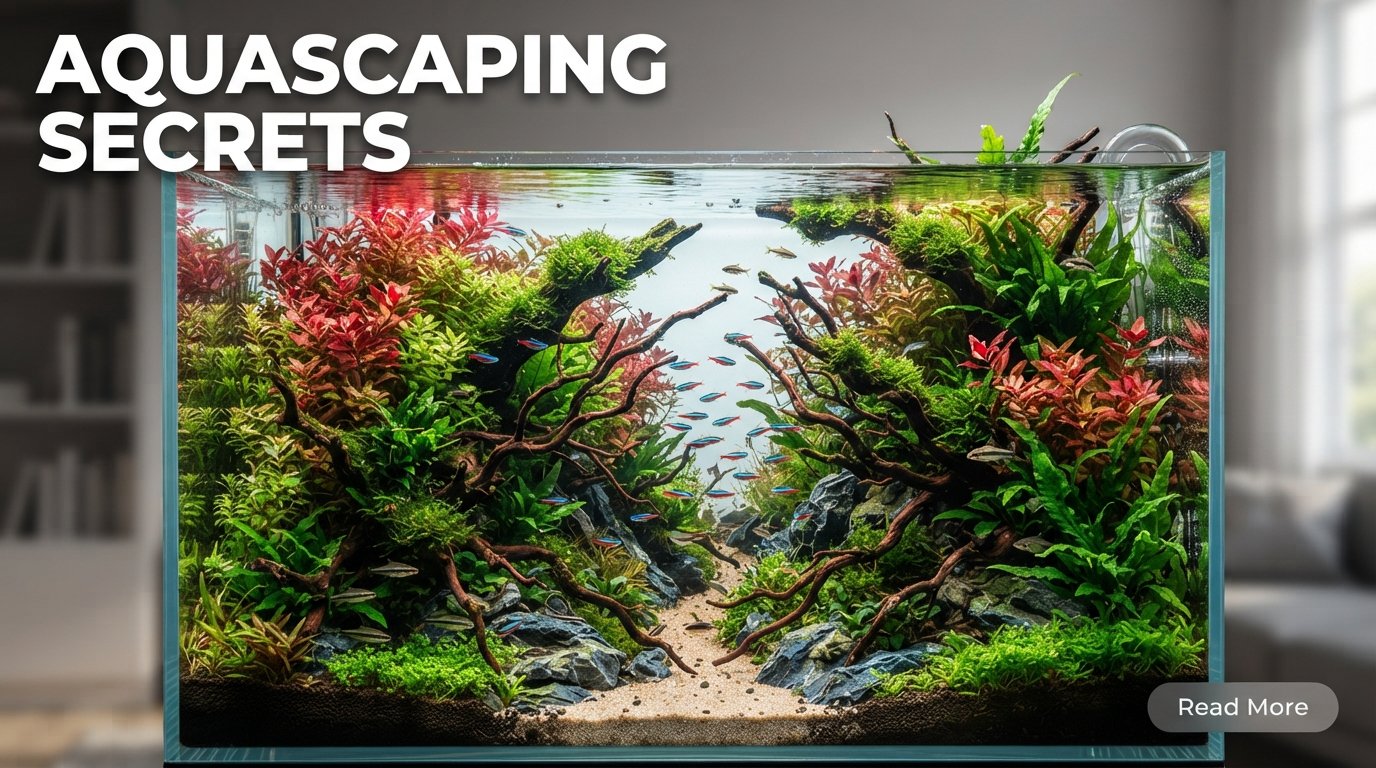
Planted tank aquascaping is the art of designing an aquarium around live aquatic plants, natural hardscape, substrate, lighting, and carefully planned spaces. A well-designed planted tank can look like a miniature underwater forest, riverbank, meadow, or mountain landscape while also creating a healthier and more natural environment for aquarium inhabitants.
Unlike a basic aquarium filled mainly with decorations, planted tank aquascaping focuses on creating a balanced living ecosystem. Plants become an important part of the design rather than simply being added as background decoration. With the right combination of plants, rocks, driftwood, substrate, and lighting, even a small aquarium can become an impressive natural display.
What Is Planted Tank Aquascaping?
Planted tank aquascaping combines aquarium keeping with landscape design. The goal is to arrange aquatic plants and hardscape materials in a way that creates depth, balance, contrast, and visual interest.
The hardscape usually includes rocks and driftwood, while aquatic plants provide color, texture, height, and movement. Substrate supports the plants and can also be shaped to create slopes and different elevations.
A planted tank does not have to follow one particular design. Some aquascapes are extremely simple, while others contain dense vegetation and complicated rock formations.
Why Choose a Planted Tank?
Live plants can make an aquarium look significantly more natural. They also provide useful habitat for fish and invertebrates.
Plants can create hiding places, resting areas, and surfaces where microorganisms develop. In suitable aquarium conditions, healthy plants can also contribute to oxygen production during photosynthesis.
For aquascapers, another major advantage is creativity. Plants come in different colors, shapes, heights, and growth patterns, giving you many ways to create a unique aquarium.
Popular Planted Tank Aquascaping Styles
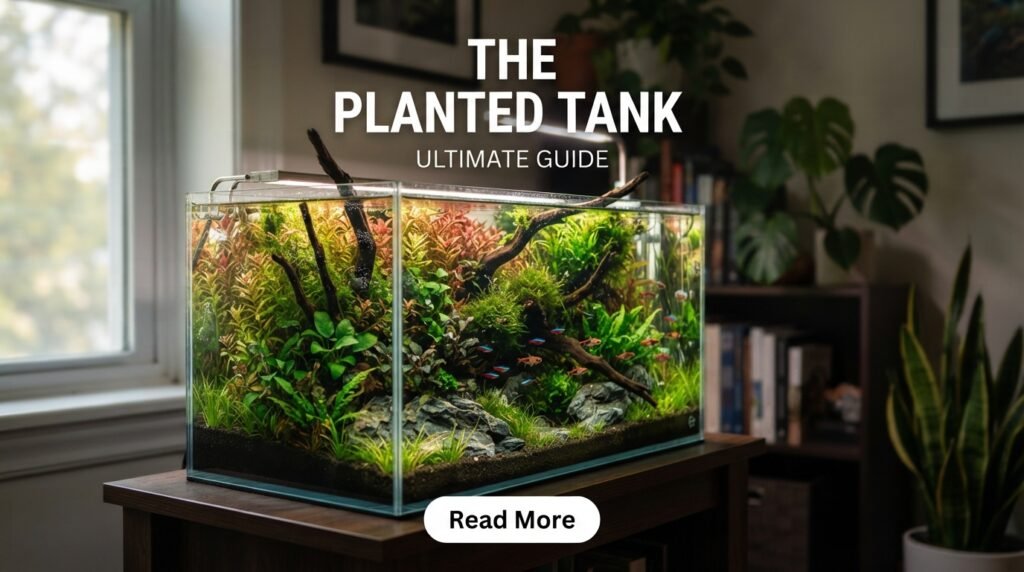
There are several popular styles you can use when planning a planted aquarium.
| Aquascaping Style | Main Characteristics | Best Feature |
|---|---|---|
| Nature Aquarium | Natural plants and hardscape | Balanced appearance |
| Dutch Style | Dense plants and strong colors | Plant variety |
| Iwagumi | Rocks with simple planting | Minimalist design |
| Jungle Style | Dense, wild growth | Natural appearance |
| Forest Style | Wood and vertical plants | Woodland effect |
| Island Style | Central elevated structure | Strong focal point |
| River Style | Flowing layout and plants | Natural movement |
| Minimalist Style | Few plants and decorations | Clean appearance |
Nature Aquarium Style
The nature aquarium style is one of the most recognizable approaches to planted tank aquascaping.
It usually attempts to recreate a natural scene such as a forest, valley, mountain, or riverbank.
Different plant sizes are combined with rocks and driftwood to create depth. The composition is carefully planned but should still appear natural.
This style works well for aquarists who want an aquarium that resembles a miniature underwater landscape.
Iwagumi Aquascaping
Iwagumi focuses heavily on rocks.
Instead of filling the aquarium with many different decorations, the design usually uses several carefully positioned stones as the main structural elements.
Low-growing plants are often used around the rocks to create an open landscape.
The simplicity of Iwagumi can make small aquariums look elegant, although maintaining a clean carpet can require consistent care.
Dutch Style Planted Tank
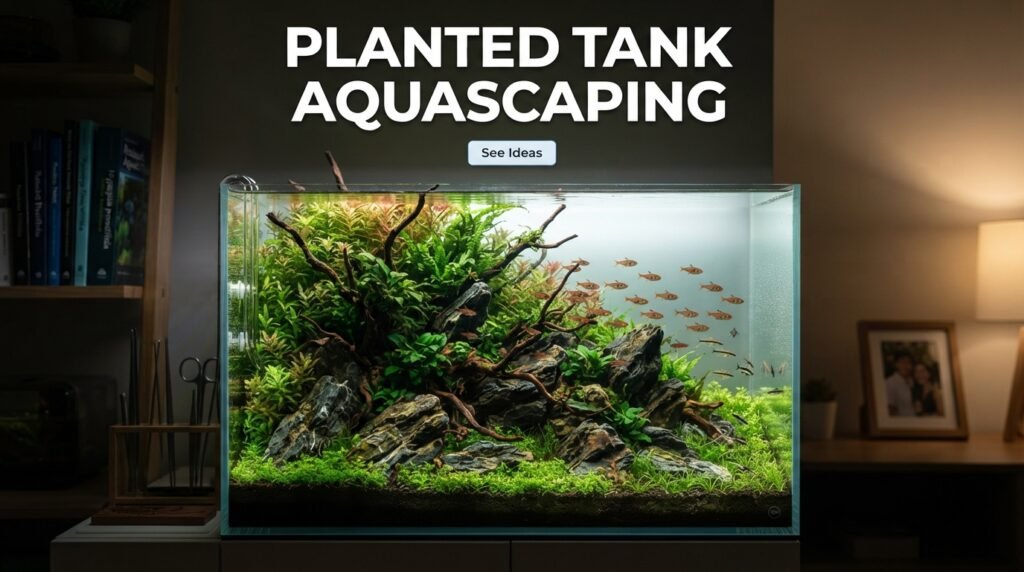
Dutch-style aquascaping puts plants at the center of the design.
Rather than relying heavily on rocks and driftwood, the aquarium is organized into groups of plants with different colors, shapes, and heights.
Tall plants can be placed toward the back, while shorter species occupy the foreground.
The result can resemble an underwater garden filled with organized plant groups.
Jungle Style Aquascaping
Jungle aquascaping is less formal and more overgrown.
Plants are allowed to grow densely, creating a wild underwater environment.
This style can be easier for beginners because it does not require every plant to remain perfectly shaped. However, regular trimming is still important if you want to maintain visibility and prevent aggressive plants from overwhelming smaller species.
Choosing the Right Aquarium
The aquarium size influences almost every part of the aquascape.
Small tanks are suitable for simple layouts and fewer plant varieties. Larger aquariums give you more room for large plants, driftwood, rocks, and complex compositions.
A longer aquarium can create a strong horizontal landscape, while a taller tank can emphasize vertical growth.
When selecting a tank, think about the plants and hardscape you intend to use rather than choosing the container first.
Choosing Aquarium Substrate
Substrate is one of the foundations of a planted tank.
Aquatic plants need a suitable environment for their roots, and some plants benefit from nutrient-rich substrates.
Aquasoil is commonly used in planted aquariums because it can support plant growth and influence water chemistry. Other options include gravel, sand, or combinations of different substrates.
A good substrate layout can also improve the visual appearance of the aquarium.
For example, raising the substrate toward the back creates a slope that makes the tank appear deeper.
Creating Depth in a Planted Aquarium
Depth is one of the most important elements of aquascaping.
A completely flat substrate can make an aquarium look shallow. Instead, create elevation by placing more substrate toward the back or using hardscape underneath the substrate.
You can also create depth by using larger objects in the foreground and smaller objects farther back.
Plant size is another useful tool.
Large-leaved plants can be positioned closer to the viewer, while smaller-leaved plants in the background can create the illusion of distance.
Selecting Plants for Aquascaping
Plant selection should be based on aquarium size, lighting, water conditions, maintenance ability, and the desired design.
Anubias
Anubias is popular because it is hardy and adaptable. Its broad leaves provide contrast against fine-leaved plants.
It can be attached to rocks and driftwood rather than buried deeply in the substrate.
Java Fern
Java fern has long leaves that can add movement and vertical structure.
It is another hardy option and can be attached to hardscape.
Bucephalandra
Bucephalandra is excellent for detailed aquascapes because of its relatively small leaves and interesting textures.
It works particularly well around rocks and driftwood.
Cryptocoryne
Cryptocoryne plants provide attractive shapes and are useful for creating midground areas.
They can add visual density without requiring extremely tall growth.
Amazon Sword
Amazon sword can become a major focal plant in larger aquariums.
Its large leaves create strong contrast and can make a planted tank feel like a dense underwater jungle.
Java Moss
Java moss can be attached to wood and rocks to create a natural aged appearance.
It is also useful for shrimp aquariums because it provides surfaces for grazing and shelter.
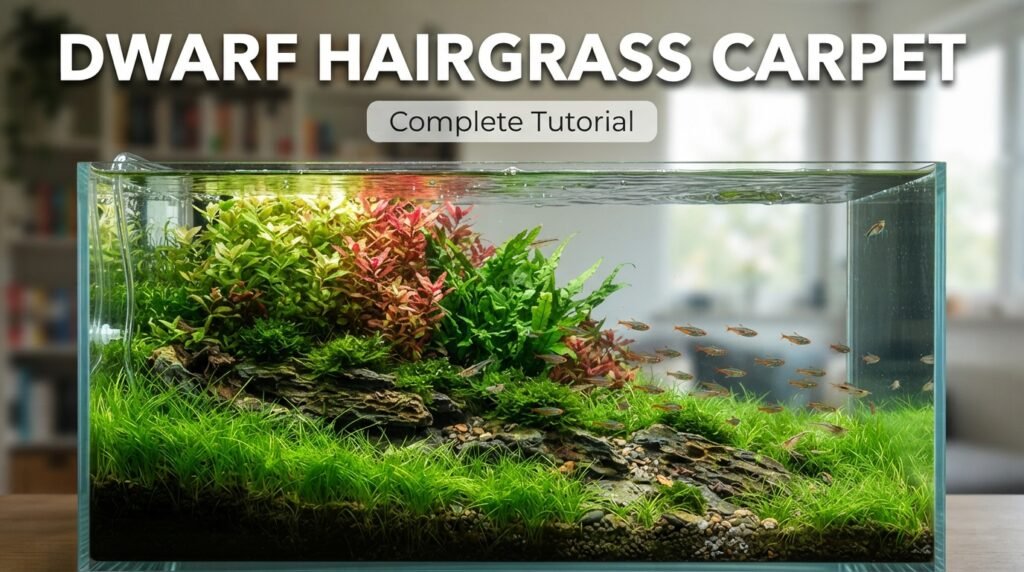
Dwarf Hairgrass
Dwarf hairgrass can create a grass-like foreground.
With suitable conditions, it can spread across open areas and produce a miniature meadow effect.
Anubias Nana
Anubias nana is useful for smaller tanks because of its compact growth.
Its broad leaves can contrast beautifully with fine-leaved carpeting plants.
Choosing Aquarium Lighting
Lighting is essential for planted tank aquascaping.
Plants require light for photosynthesis, but the amount needed varies by species.
Low-light plants can often grow under moderate aquarium lighting, while demanding carpeting and colorful plants may require stronger conditions.
Too much light without sufficient plant growth can contribute to algae problems.
A consistent lighting schedule is generally easier to manage than constantly changing the duration.
Does a Planted Tank Need CO2?
Not every planted tank requires injected CO2.
Low-tech aquariums can be designed around plants that have relatively modest requirements. Hardy plants such as Anubias, Java fern, and some Cryptocoryne species can be suitable for these setups.
CO2 injection can help support faster and more vigorous plant growth in many planted aquariums, particularly when combined with appropriate lighting and nutrients.
However, adding CO2 also means the aquarist must pay closer attention to overall balance.
Using Driftwood in Aquascaping
Driftwood can become the main structural feature of a planted aquarium.
Branching pieces can create the appearance of underwater trees, roots, or fallen branches.
Try positioning the wood at an angle instead of placing it perfectly horizontally.
Plants such as mosses, Anubias, and Bucephalandra can be attached to suitable driftwood to create a more natural appearance.
Using Rocks
Rocks help establish structure and focal points.
Instead of randomly scattering stones throughout the aquarium, choose one main stone and use smaller supporting stones around it.
The direction and angle of the rocks should complement the overall flow of the aquascape.
Avoid using too many unrelated rock types because this can make the aquarium appear visually disconnected.
Creating a Carpet
A carpet is a low-growing layer of plants covering the foreground.
Popular choices can include dwarf hairgrass and other suitable carpeting species.
Carpet plants generally need appropriate lighting and nutrients, and some species benefit significantly from CO2.
Do not choose a demanding carpet simply because it looks attractive in photographs. Select a plant that matches your equipment and maintenance experience.
Foreground, Midground, and Background
A simple way to plan planted tank aquascaping is to divide the aquarium into three visual zones.
The foreground should contain shorter plants or open substrate.
The midground can include medium-sized plants, rocks, and smaller pieces of wood.
The background usually contains taller plants that create height and help frame the composition.
This arrangement makes it easier to create depth and prevents all plants from appearing at the same level.
Creating a Focal Point
Every successful aquascape benefits from a clear visual focal point.
This could be a large rock, an unusual piece of driftwood, a colorful plant, or a small open area surrounded by vegetation.
Avoid placing the most important feature directly in the center unless the design specifically calls for symmetry.
Slightly off-center focal points often create a more dynamic appearance.
Color in Planted Tank Aquascaping
Green is the dominant color in most planted aquariums, but different shades of green can create significant contrast.
Some aquatic plants can produce reddish, bronze, or other colors under suitable conditions.
Color should be used carefully.
If every plant has a strong contrasting color, the aquarium may become visually confusing.
Instead, use one or two contrasting plant groups to draw attention to specific areas.
Minimalist Planted Tank Ideas
A minimalist aquascape can be extremely attractive.
Use one main piece of wood or rock, a limited number of plant species, and plenty of open space.
Minimalist designs are especially effective in small aquariums because excessive decoration can make a small tank look crowded.
The challenge is that every element becomes noticeable, so placement matters.
Natural Jungle Planted Tank
For a more relaxed appearance, allow plants to grow naturally.
Combine different leaf shapes and heights while maintaining enough open space for fish.
Tall background plants can create a dense canopy, while moss and smaller plants fill gaps around the hardscape.
Regular trimming prevents the aquarium from becoming completely overgrown.
Planted Tank for Shrimp
Shrimp aquariums can be excellent candidates for planted tank aquascaping.
Mosses and small plants create surfaces for biofilm and provide shelter.
Rocks and driftwood can create additional hiding spaces.
A mature planted aquarium can offer a more complex environment than a bare tank, although water parameters still need to be appropriate for the chosen shrimp species.
Planted Tank for Betta Fish
A planted tank can provide a natural environment for bettas when the layout leaves enough open swimming space.
Broad-leaved plants can create resting areas near the surface.
Floating plants may also provide shade, but they should not completely cover the surface because adequate gas exchange is important.
Avoid filling the aquarium so densely that the betta cannot move comfortably.
Common Aquascaping Mistakes
One common mistake is adding too many decorations.
A planted tank usually looks better when the hardscape and plants work together rather than competing for attention.
Another mistake is selecting plants based only on appearance without considering their growth requirements.
Overlighting is also a frequent problem.
Another issue is planting everything at the same height. Different plant sizes are important for creating depth.
Finally, avoid making the aquarium too crowded. Open spaces can be just as important as planted areas.
How to Build a Planted Tank Aquascape
Start by cleaning the aquarium and preparing the equipment.
Add the substrate and create a gentle slope toward the back.
Position your largest rocks or driftwood pieces first.
Step back and view the aquarium from different angles before continuing.
Plant the background species first, followed by midground plants and foreground plants.
Fill the aquarium slowly to avoid disturbing the substrate.
Install the filter and lighting system.
During the first several weeks, observe plant growth and algae carefully.
Make adjustments gradually rather than changing several things at once.
Planted Tank Maintenance
Regular maintenance keeps an aquascape healthy and attractive.
Trim fast-growing plants before they block slower-growing species.
Remove damaged or dying leaves.
Clean algae from the glass when necessary.
Perform regular water changes according to the needs of the aquarium.
Check the filter and maintain appropriate water flow.
If you use liquid fertilizers or root fertilizers, follow the requirements of your plants rather than adding excessive nutrients.
Consistency is usually more important than making frequent dramatic changes.
How Long Does a Planted Tank Take to Mature?
A planted aquarium can change significantly during its first few months.
Some plants establish quickly, while others need considerably more time.
The hardscape may initially look exposed, but growing plants gradually soften the rocks and wood.
As the aquarium matures, trimming and rearranging plants may become necessary to preserve the original composition.
The mature appearance is often very different from the initial setup, which is part of the appeal of planted tank aquascaping.
Final Thoughts
Planted tank aquascaping is a combination of aquarium keeping, gardening, and landscape design. By combining aquatic plants with substrate, rocks, driftwood, lighting, and thoughtful composition, you can transform an ordinary aquarium into a living underwater landscape.
The best design is not necessarily the most complicated one. A simple aquarium with a strong composition, healthy plants, and appropriate maintenance can be more attractive than a crowded tank filled with decorations.
Start with plants that match your experience and equipment. Build a clear foreground, midground, and background. Give your focal point enough space to stand out, and allow the aquascape to develop naturally over time.
With patience and consistent care, a planted aquarium can become a beautiful living centerpiece that continues changing as the plants grow.
FAQs About Planted Tank Aquascaping
What is planted tank aquascaping?
Planted tank aquascaping is the practice of designing an aquarium using live aquatic plants, substrate, rocks, driftwood, lighting, and other natural elements to create an attractive underwater landscape.
Is planted tank aquascaping difficult?
It can range from very simple to highly technical. Beginners can start with hardy plants and a low-tech setup before moving toward demanding plants and advanced equipment.
Do planted tanks need CO2?
No. Many plants can grow without injected CO2. However, CO2 can improve growth and may be useful for demanding plants and high-light aquascapes.
What are the easiest plants for a planted tank?
Anubias, Java fern, Java moss, and many Cryptocoryne species are commonly considered suitable choices for relatively low-maintenance planted aquariums.
What substrate is best for planted tanks?
Aquasoil is popular for planted aquariums, but gravel, sand, and other substrates can also work depending on the plants and overall setup.
How much light does a planted tank need?
The appropriate amount depends on the plant species and aquarium setup. Low-light plants require less intensity than demanding carpeting or high-light plants.
Can you have fish in a planted tank?
Yes. Many freshwater fish can thrive in planted aquariums when the tank provides appropriate swimming space, filtration, water conditions, temperature, and habitat.
Can betta fish live in planted tanks?
Yes. Bettas can live in suitable planted aquariums. Plants can provide cover and resting areas, but the layout should still provide adequate swimming space.
Are planted tanks good for shrimp?
Yes. Plants, moss, rocks, and wood can provide shelter and surfaces for biofilm, making planted aquariums popular environments for many freshwater shrimp.
How do I prevent algae in a planted tank?
Maintain a balance between lighting, plant growth, nutrients, water flow, and maintenance. Avoid excessive lighting and excessive nutrients when plant growth is not sufficient to use them.
How often should I trim aquarium plants?
Trim plants whenever they become overgrown, block other plants, or disturb the intended layout. Fast-growing species may need trimming more frequently than slow-growing plants.
How do I create depth in an aquascape?
Create a substrate slope, use different-sized hardscape materials, place taller plants toward the back, and use smaller plants toward the foreground to create the illusion of depth.
What is the best aquascaping style for beginners?
There is no single style that works for everyone. A simple nature-style or minimalist planted tank can be a practical starting point because it allows you to learn plant growth and maintenance without excessive complexity.